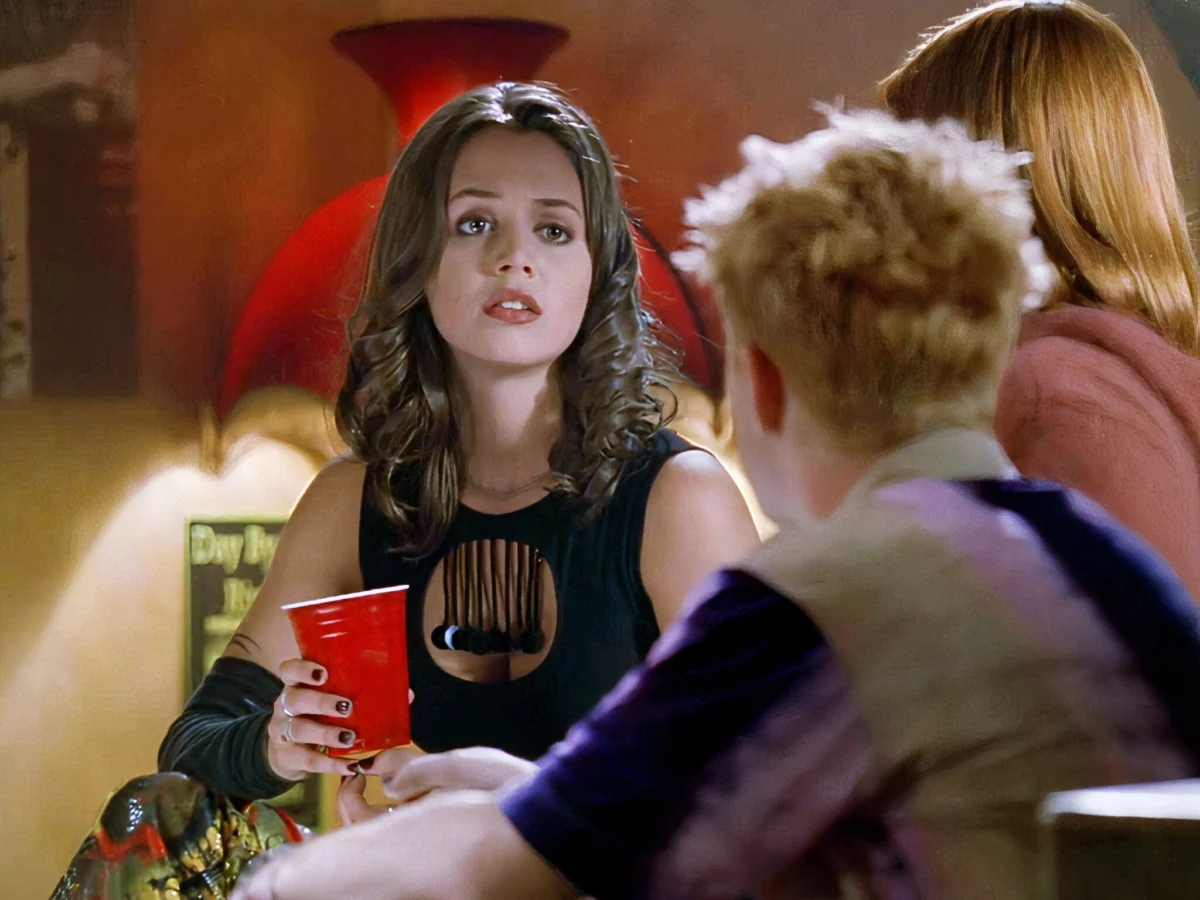
It is a rare feat for a television series to introduce a character who fundamentally alters the protagonist’s trajectory within a single hour of runtime. Yet, twenty-eight years ago today, Buffy the Vampire Slayer achieved exactly that with the debut of Faith Lehane. Airing on October 14, 1998, the Season 3 episode "Faith, Hope & Trick" didn’t just introduce a new Slayer; it introduced a terrifying psychological mirror that would haunt Buffy Summers for years to come.
As we look back at nearly three decades of Slayer history, the arrival of Eliza Dushku’s Faith stands as the definitive turning point for the series. She was not merely a secondary character or a replacement for the recently deceased Kendra; she was the physical manifestation of every suppressed urge and dark impulse Buffy fought to keep buried.
The Genesis of a Rival: Main Facts and Context
To understand the impact of "Faith, Hope & Trick," one must first understand the state of Sunnydale in 1998. Buffy (Sarah Michelle Gellar) was reeling from the trauma of Season 2’s finale—the heart-wrenching decision to kill her lover, Angel, to save the world. She was isolated, grieving, and burdened by a destiny that demanded she sacrifice her own happiness for the greater good.
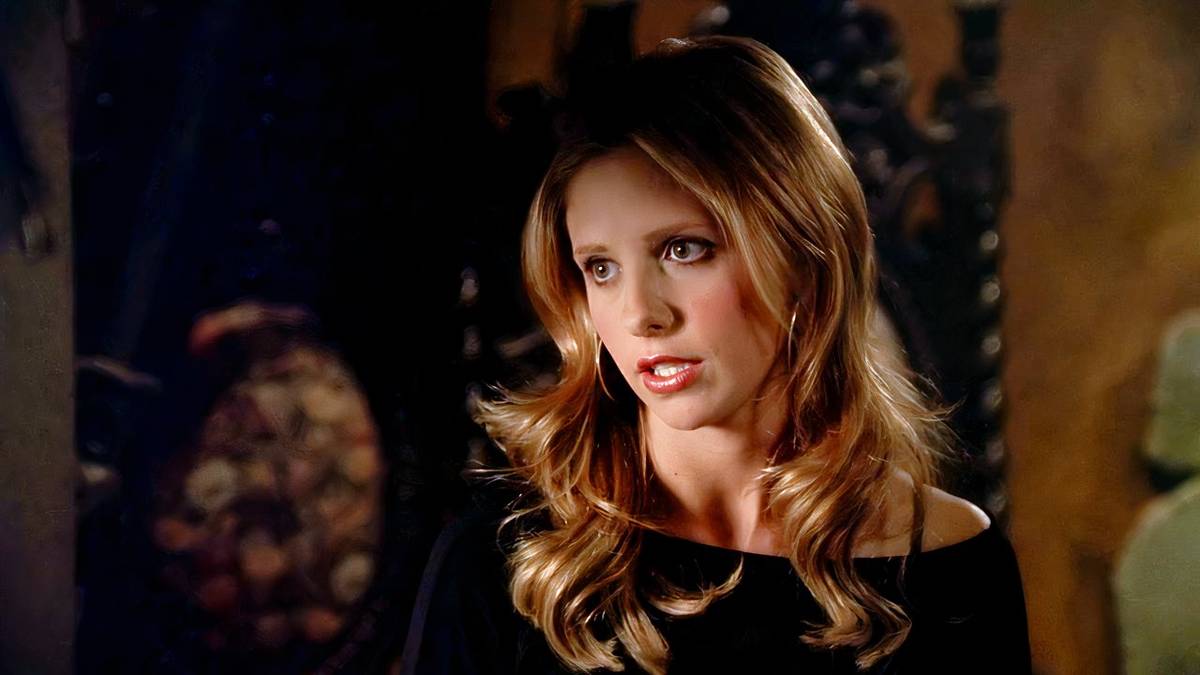
When Faith arrives in Sunnydale, she appears at first to be a kindred spirit. Like Buffy, she is a Slayer—a vessel for ancient, supernatural power. However, where Buffy treats her calling as a solemn, often miserable burden, Faith treats it as an adrenaline-fueled liberation. The introduction of a second Slayer destroyed the narrative monopoly Buffy held on her own identity. For the first time, the audience—and the characters—were forced to confront the question: What happens when the "chosen one" doesn’t want to be the hero?
A Chronology of Conflict: From Arrival to Rupture
The trajectory of Faith’s character arc is a masterclass in slow-burn narrative development. The timeline of her integration into the Scooby Gang serves as a blueprint for modern anti-hero storytelling.
- The Introduction (1998): In "Faith, Hope & Trick," Faith is introduced as an alluring, carefree force of nature. She saves a girl from a vampire with a flair that makes Buffy’s disciplined style look archaic. This initial encounter establishes the core tension: Faith is the "cool" Slayer, the one who doesn’t answer to the rules of the Watchers’ Council.
- The Escalation: As the season progressed, the cracks in Faith’s persona deepened. While Buffy fought to protect the innocent, Faith began to prioritize the visceral pleasure of the hunt. The dynamic shifted from mentorship to rivalry, culminating in the tragic, accidental killing of the human Deputy Mayor Allan Finch.
- The Rupture: The moment of the killing served as the point of no return. While Buffy moved toward redemption and accountability, Faith descended into a nihilistic spiral, eventually aligning herself with the series’ primary antagonist, Mayor Richard Wilkins. This descent into villainy transformed the show from a monster-of-the-week procedural into a complex psychological drama.
Supporting Data: The Psychological Foil
From a narrative theory perspective, Faith is the quintessential "Jungian Shadow" of Buffy Summers. In the literary sense, a foil is a character who contrasts with another character to highlight particular qualities of the other character. Faith’s function in the series goes beyond simple contrast; she acts as a dark reflection of what Buffy could become if she chose to abandon her moral compass.

Data analysis of the character dynamics throughout the series reveals that episodes featuring both Slayers consistently ranked higher in critical reception and audience engagement. This is due to the inherent friction:
- Moral Flexibility: Faith’s willingness to kill human beings or prioritize self-preservation provides a stark contrast to Buffy’s rigid adherence to the "greater good."
- Socio-Economic Background: Unlike the middle-class, stable upbringing of the Summers family, Faith is established as having a traumatic, impoverished background. This context forces the audience to sympathize with her rage, even as her actions become increasingly reprehensible.
- The "Slayer" Archetype: By introducing a second girl with the same powers, the show deconstructed the myth of the "Chosen One." It proved that power is neutral—it is the person wielding the power who defines its morality.
Implications for the Series and Beyond
The introduction of Faith had profound implications for the legacy of Buffy the Vampire Slayer. By expanding the lore to include multiple Slayers, the writers paved the way for the series’ eventual endgame—the activation of every potential Slayer worldwide.
Furthermore, Faith’s character arc influenced an entire generation of television writers. She was one of the first female characters on television to be granted the narrative space to be truly "bad"—not just misunderstood, but genuinely destructive—and still be afforded the opportunity for redemption. Her journey from villain to anti-heroine provided a template for complex, morally gray female characters in shows like Killing Eve, Jessica Jones, and The Boys.
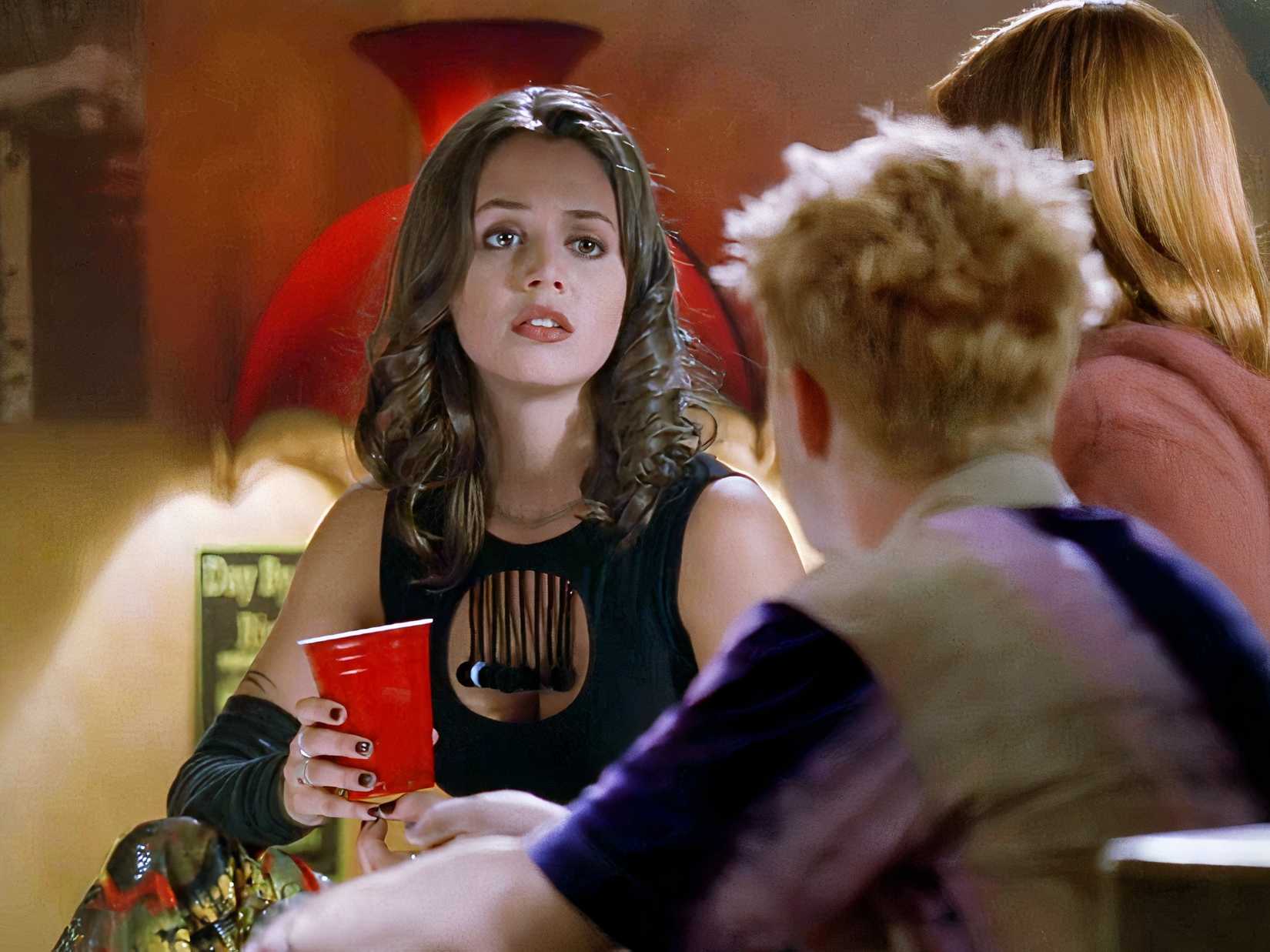
The psychological weight of her arrival also forced Buffy to grow. Buffy could no longer define herself simply by her duty; she had to define herself by her choices. Faith’s presence stripped away the romanticism of being a Slayer and replaced it with the harsh reality of the job: it is a lonely, violent existence, and the only thing separating the hero from the monster is the ability to forgive oneself.
Official Retrospectives and Legacy
In interviews conducted over the years, showrunner Joss Whedon and actress Eliza Dushku have often cited the dynamic between Buffy and Faith as the "beating heart" of the show’s third season. For the fans, the 28th anniversary of "Faith, Hope & Trick" is not just a celebration of an episode; it is a celebration of the depth of writing that allowed Buffy to transcend its genre.
The brilliance of the episode lies in its restraint. It doesn’t reveal everything about Faith at once. Instead, it plants seeds: the way she laughs during a fight, the way she looks at Giles with open contempt, and the way she gazes at Buffy with a mixture of envy and predatory curiosity.
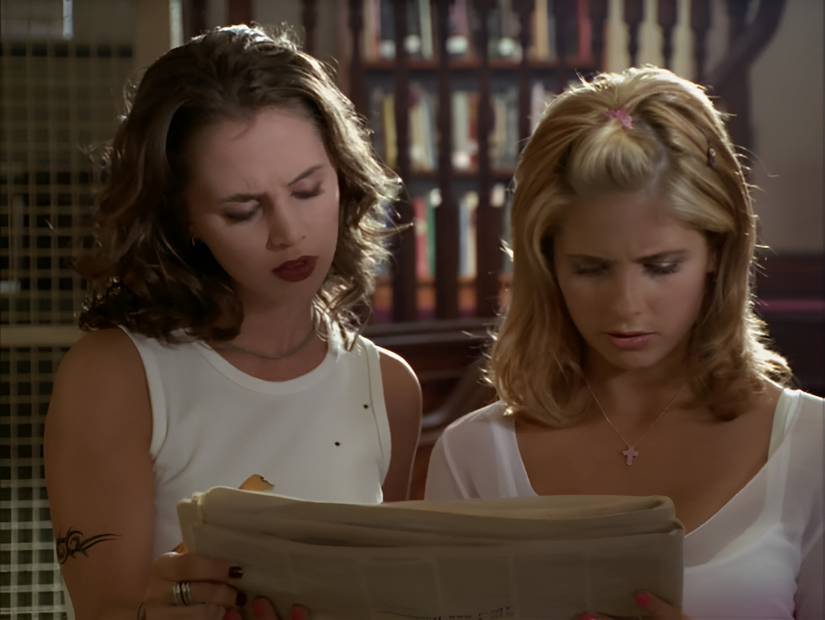
As we stream the series today on platforms like Hulu, the impact of that first meeting remains undiminished. Faith reminds us that everyone has a shadow. Whether we allow that shadow to consume us, or whether we learn to walk alongside it, remains the defining challenge of the human experience—and, as the show famously demonstrated, the defining challenge of the Slayer.
The story of the "Dark Slayer" remains a cornerstone of pop culture, a reminder that the most compelling monsters are often the ones who wear the same face as the heroes. Twenty-eight years later, Faith Lehane is still standing—a testament to the enduring power of complex storytelling.