By [Your Name/Journalistic Staff]
Updated: October 14, 2026
In a move that signals a seismic shift for the gaming industry, Microsoft’s gaming division is reportedly weighing a fundamental change to its platform strategy. Under the tenure of newly appointed Xbox CEO Asha Sharma, the company is actively polling its most dedicated users regarding a potential pivot toward strict console exclusivity for some of its most iconic franchises—including Fallout, The Elder Scrolls, and the global juggernaut Minecraft.
This exploration comes during a period of turbulent restructuring at Microsoft, characterized by significant layoffs, studio divestments, and a calculated, aggressive push to reclaim market share through hardware-bound software.
The Changing Winds at Microsoft Gaming
The current strategic pivot represents a stark departure from the multiplatform aspirations that defined the tail end of the Phil Spencer era. Since taking the helm, Asha Sharma, working in tandem with Chief Content Officer Matt Booty, has signaled a desire to move away from the "platform-agnostic" approach that saw Xbox games frequently arriving on PlayStation and Nintendo hardware.
This "reevaluation of exclusivity" was first hinted at in April 2026, when leadership informed employees that they would be scrutinizing their portfolio through the lenses of windowing and AI integration. The results of this scrutiny are already visible: Gears of War: E-Day has been confirmed as a staunch Xbox console exclusive, and the previously rumored multiplatform release of Forza Horizon 6 has been delayed, with the title now confirmed for a 2027 PlayStation 5 launch—a "windowing" strategy that prioritizes the Xbox ecosystem’s perceived value.
Chronology of a Strategic Pivot
To understand the current state of Xbox, one must look at the rapid-fire changes implemented throughout 2026:
- January–March 2026: Internal leadership changes at Microsoft Gaming culminate in the appointment of Asha Sharma as CEO. Rumors of "Project Helix," an internal initiative to optimize internal development pipelines, begin to circulate.
- April 2026: Matt Booty and Asha Sharma address staff, confirming that the company is reevaluating its stance on exclusivity. The focus shifts toward "Xbox-first" development.
- July 2026: A wave of layoffs hits the organization, impacting key studios such as Compulsion Games, Ninja Theory, and Undead Labs. This is framed by the company as a "divestment" from non-core projects to focus on high-impact IP.
- October 2026: Microsoft begins distributing surveys to the "Xbox Insider" community, explicitly asking users about their willingness to purchase hardware if major franchises like The Elder Scrolls were removed from competing platforms.
The Survey: Gauging the "Hardcore" Pulse
The most concrete evidence of this strategic shift lies in the surveys currently circulating among Xbox Insiders. According to reports from Windows Central, Microsoft is using these inquiries to gauge the potential "churn" or "acquisition" of users should it pull the plug on multiplatform support for Bethesda and Mojang titles.
One specific survey question presents a hypothetical scenario: “Imagine it was announced that all future title releases in the Fallout franchise will be console-exclusive to Xbox and no longer available on PlayStation or Nintendo.”
The survey then asks users to identify their most likely course of action. The implications are clear: Microsoft is calculating the "conversion cost" of a consumer. They are essentially asking, "If we take away your ability to play Fallout on a PlayStation, will you buy an Xbox, or will you stop playing Fallout entirely?" By testing these waters, Microsoft is attempting to predict whether the loss of third-party software revenue would be offset by an increase in console hardware sales and ecosystem lock-in.
The Minecraft Paradox
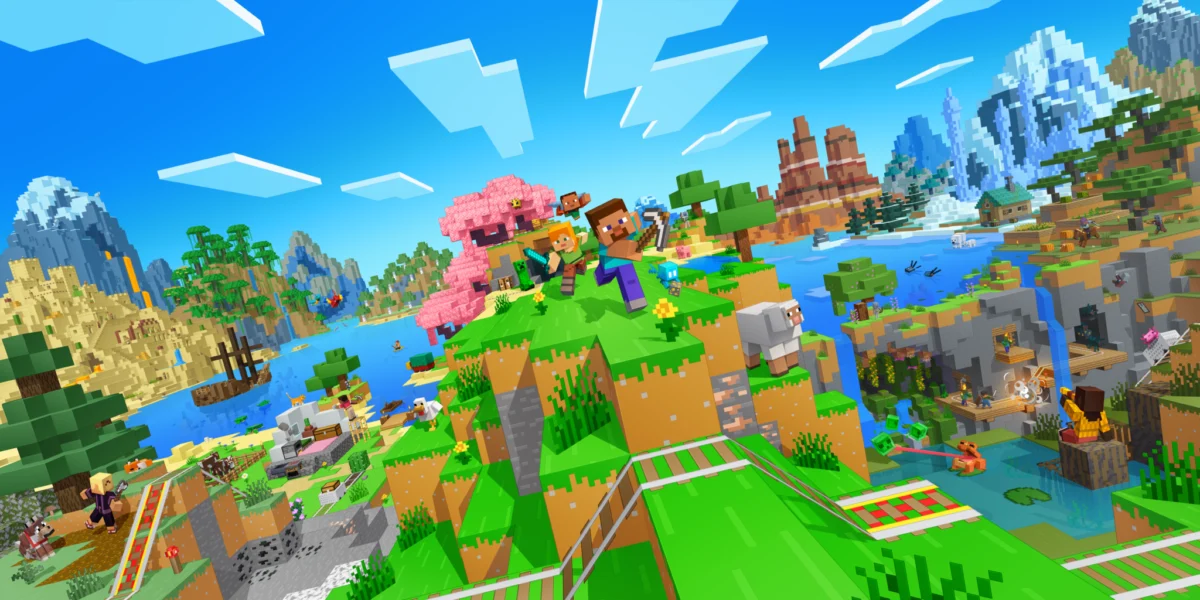
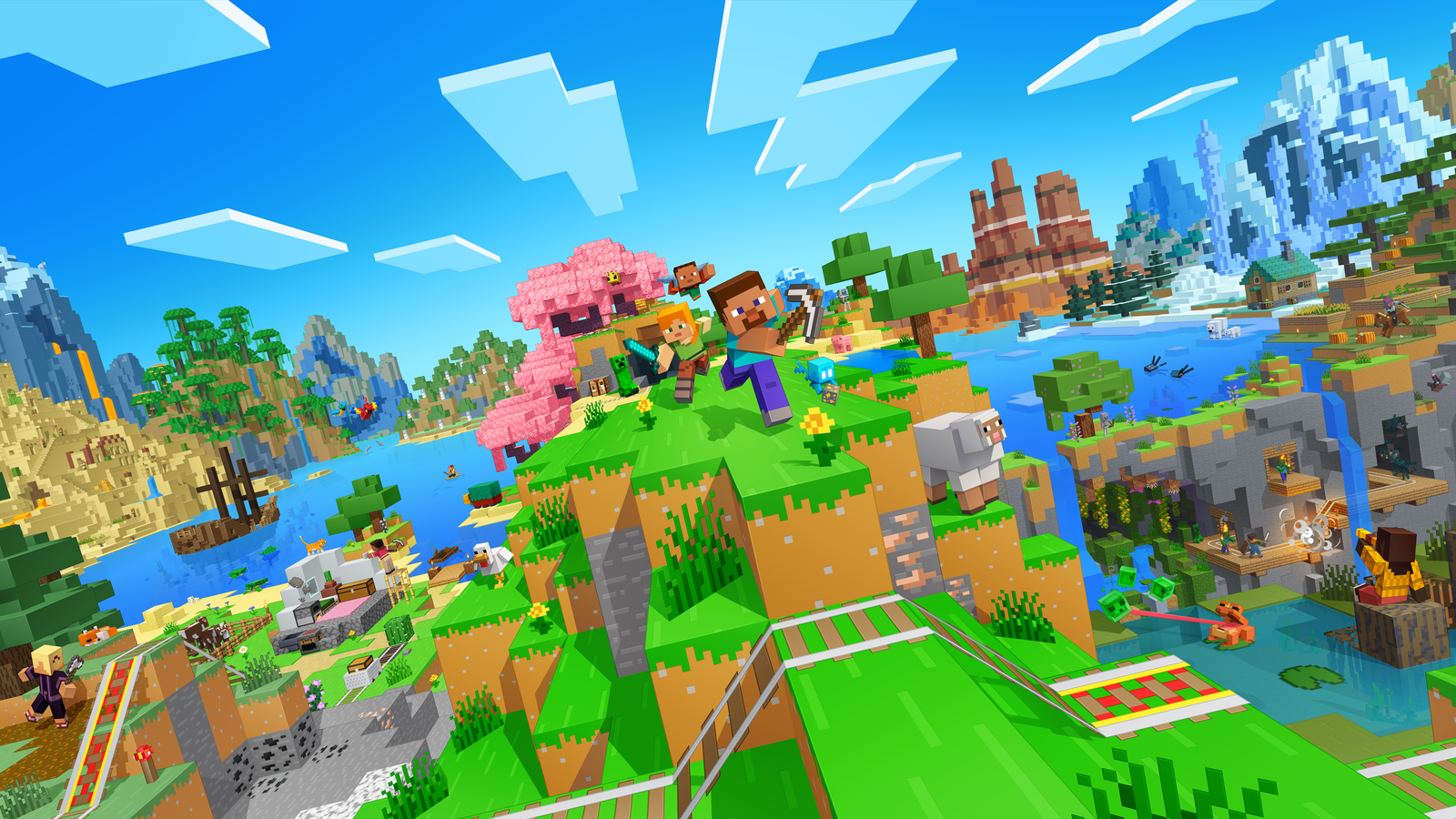
Perhaps the most startling aspect of these surveys is the inclusion of Minecraft. As one of the world’s most accessible games—available on almost every device with a screen, including mobile, Linux, and competing consoles—Minecraft acts as a cultural universal.
Removing such a title from PlayStation or Nintendo platforms would be a move of unprecedented aggression in the modern gaming market. Currently, Minecraft thrives on its massive, cross-platform community. Any move to wall off the franchise would not only alienate millions of users but would likely trigger massive regulatory scrutiny, given the sheer dominance of the IP in the educational and creative sectors.
The Call of Duty Exception
While the survey hints at a broad-reaching exclusivity strategy, there is a notable exception: Call of Duty. This is not a matter of choice, but one of legal necessity.
During the protracted regulatory battle to acquire Activision Blizzard in 2023, Microsoft signed binding 10-year agreements with Sony, Nintendo, and Nvidia. These agreements mandate that Call of Duty must remain available on those platforms with feature parity. Consequently, while Fallout and The Elder Scrolls are fair game for the chopping block, the "Crown Jewel" of the Activision acquisition is essentially untouchable until at least 2033.
This creates an odd duality in Microsoft’s portfolio: a hyper-exclusive ecosystem for its legacy Bethesda IPs, contrasted with a legally enforced open-platform approach for its most profitable shooter.

Supporting Data and Market Implications
The financial logic behind this pivot is rooted in the "Ecosystem Value" metric. Microsoft has struggled to close the hardware gap with Sony’s PlayStation 5. By making its most anticipated titles—such as the long-awaited The Elder Scrolls 6—exclusive, Microsoft hopes to force the hand of fence-sitters who have historically preferred Sony hardware.
However, the risks are substantial. Bethesda Softworks has historically been a platform-agnostic developer. Even 15 years after its release, Skyrim was ported to the Nintendo Switch 2 just last year. By forcing these titles into an "Xbox-only" cage, Microsoft risks:
- Revenue Contraction: Losing the significant sales volume generated by the PlayStation and Nintendo install bases.
- Brand Damage: Long-time fans of franchises like Fallout who do not own an Xbox may view the company as an antagonist, potentially leading to a decline in brand loyalty.
- Regulatory Backlash: If Microsoft begins to show a pattern of "platform foreclosure," it may invite renewed scrutiny from the FTC and the European Commission, who are already wary of the company’s market dominance in cloud and software.
Official Responses and Internal Climate
While no official press release has confirmed that these changes are finalized, the internal atmosphere at Microsoft is one of significant transition. The emergence of groups like "Xbox Labs," which are reportedly focused on AI-driven development and "vibe coding," suggests that the company is looking to lower development costs to justify the lower unit-sales that come with exclusivity.
"We are looking at every tool in the shed to ensure the long-term sustainability of the Xbox platform," a spokesperson reportedly noted during the recent internal town hall. The implication is that the "platform-first" approach of the past decade was failing to yield the desired growth in console market share, necessitating this current "radical" pivot.
The Road Ahead: A Fragmented Future?
If Microsoft proceeds with these plans, the gaming landscape will undergo a profound transformation. We are looking at a potential return to the "console wars" of the 2000s, where the defining factor of a game’s success was not just its quality, but its platform availability.
For the consumer, the next few years will likely be defined by uncertainty. If you are a fan of The Elder Scrolls or Fallout, the days of assuming these games will be available on your preferred hardware are numbered. Microsoft is gambling that the allure of its premier intellectual property is strong enough to move consoles in an era where, increasingly, players prefer to stay on the hardware they already own.
As we move toward the 2027 cycle, the question remains: Can Microsoft build a high-walled garden that is enticing enough to attract millions, or will this aggressive pursuit of exclusivity simply result in a smaller, more insulated audience for some of gaming’s most beloved franchises? Only time—and the results of these ongoing surveys—will tell.