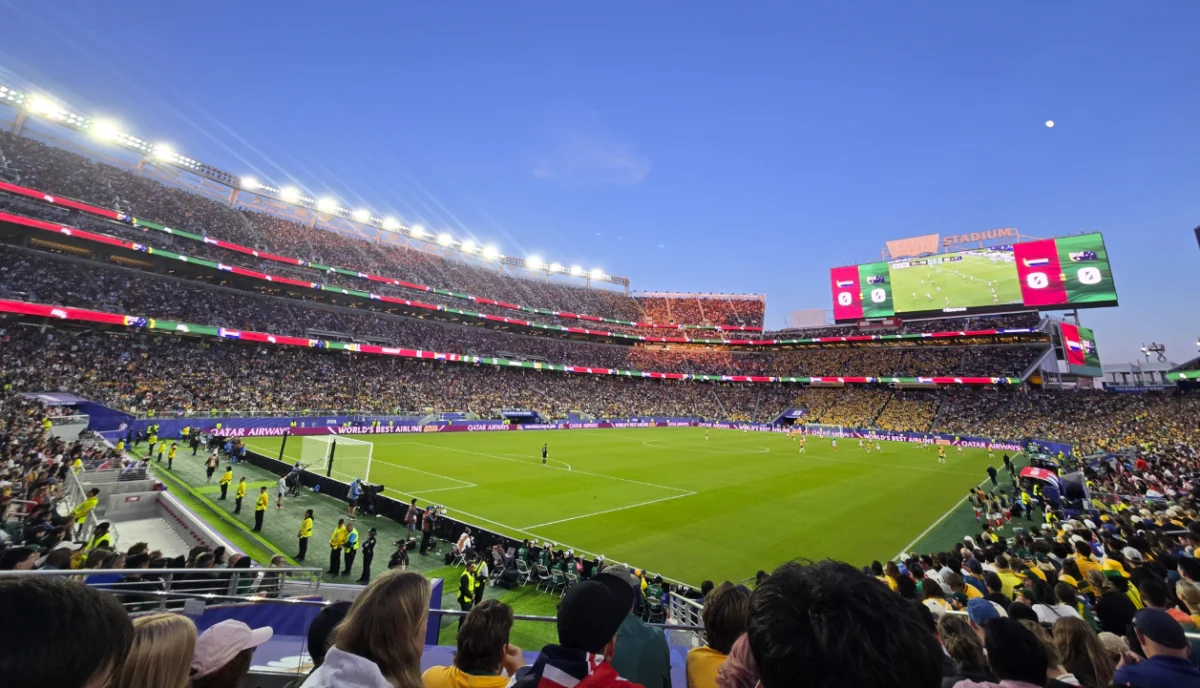
The 2026 FIFA Men’s World Cup, hosted across the United States, Mexico, and Canada, was marketed as a landmark event—a celebration of the "beautiful game" designed to be the most inclusive tournament in history. However, a damning new report released this week by the Sport & Rights Alliance (SRA) and Football Supporters Europe (FSE) suggests a starkly different reality. Titled "Profit Over People: The 2026 FIFA Men’s World Cup," the document presents a comprehensive indictment of FIFA’s failure to uphold its own human rights mandates, alleging that the governing body prioritized commercial interests while leaving vulnerable communities exposed to systemic abuse, exclusion, and state-sanctioned discrimination.
The Core Allegations: A Climate of Fear
The joint report details how the tournament, rather than fostering global unity, became a vehicle for reinforcing exclusionary government policies. Frank Conde Tangberg, a policy advisor at Amnesty International, encapsulated the frustration felt by human rights advocates worldwide.
"The unity and joy we saw on the pitch and in the stands were a world away from the fear and division beyond the stadiums," Tangberg stated. "ICE raids surged, protests were blocked, and discriminatory visa policies kept many fans from enjoying what was billed as ‘the most inclusive World Cup ever.’ Many of these violations stemmed from repressive and abusive government policies, but FIFA failed to use its leverage to protect fans and local communities."
The report argues that the tournament fostered a "climate of fear," where the spectacle of world-class football served as a backdrop for the erosion of civil liberties, the displacement of marginalized populations, and the weaponization of immigration policy.
Chronology of Institutional Negligence
The trajectory toward these failures began well before the first whistle blew. While critics had warned as early as 2025 about the potential for the tournament to become a platform for "sportswashing," the following timeline highlights how oversight gaps and policy failures materialized during the event:
- Pre-Tournament Planning (2025–Early 2026): Human Rights Watch (HRW) and other NGOs issued repeated warnings regarding the US administration’s immigration crackdowns and the potential for the tournament to serve as a propaganda tool. FIFA maintained that its human rights policy framework would suffice to mitigate these risks.
- Opening Phase (June 2026): Reports of displacement in Canada began to emerge, with authorities conducting "street sweeps" to clear areas around tournament infrastructure, effectively removing those experiencing homelessness from the public eye.
- Mid-Tournament (June–July 2026): In Mexico, the intersection of political tension and the World Cup reached a boiling point as journalists were detained and protesters were subjected to tear gas. Simultaneously, visa restrictions prevented fans from 39 countries from traveling to the US, effectively disenfranchising supporters from participating nations.
- Tournament Conclusion (Late 2026): As the event concluded, the SRA and FSE began the process of cataloging the systemic failures in accessibility, grievance reporting, and transparency, culminating in this week’s release of their findings.
Accessibility and the "Disability Gap"
One of the most concrete failures identified in the report concerns the treatment of fans with disabilities. According to the document, FIFA’s ticketing structures actively violated the spirit—and arguably the letter—of the Americans with Disabilities Act (ADA).
The report highlights that accessible seating was frequently sold at inflated prices, and the decision to discontinue free companion tickets for caregivers created a prohibitive financial barrier for many. The charity Level Playing Field corroborated these claims, noting a profound lack of communication from FIFA regarding the availability of wheelchair-accessible spaces and sensory-friendly zones.
The report notes a humiliating reversal of progress compared to the 2022 World Cup in Qatar. Despite the controversies surrounding that tournament, FIFA had been widely praised by disability advocates for implementing assistive technology, mobility assistance, and audio-descriptive commentary. In 2026, those standards were abandoned, leading to a fragmented and exclusionary experience for fans who required support to participate.
The Immigration and Visa Crisis
While FIFA often argues that national immigration policies are outside its legal control, the report counters that the governing body has a historical precedent of negotiating tournament-specific exemptions to ensure fan mobility. By failing to secure such measures for the 2026 event, FIFA allowed the host nation’s restrictive policies to dictate who could attend.
The result was a paradox: nations qualified to play in the World Cup, yet their citizens were effectively banned from supporting them in person due to the 39-country restriction list. This not only marginalized the fans but also compromised the "global" nature of the event, turning the stands into a reflection of geopolitical exclusion rather than international camaraderie.
Supporting Data: A Systematic Breakdown
The SRA report categorizes FIFA’s failures into four primary areas of internal control:
- Ticketing Policy: Failure to comply with international accessibility standards and the ADA, specifically regarding price gouging for accessible seating.
- Transparency in Media: Opaque accreditation processes that left journalists in the dark regarding potential appeals and entry criteria.
- Grievance Mechanisms: Despite promises of robust oversight, the systems established to protect stadium workers, fans, and media members were either non-existent or inaccessible to those who needed them most.
- Athlete Vetting: A lack of transparency in background checks, which raised questions about the criteria used to allow certain participants while simultaneously excluding others based on political climate.
Official Responses and External Critiques
Human Rights Watch (HRW) has been among the most vocal critics, characterizing FIFA’s response to these human rights threats as "weak." HRW has explicitly labeled the 2026 World Cup a "sportswashing bonanza" for the Trump administration, arguing that the tournament provided a veneer of legitimacy to policies characterized by racism and exclusion.
The term "sportswashing" is central to this criticism. By hosting a global event of this magnitude, the administration was able to project an image of order and international cooperation while simultaneously intensifying domestic crackdowns on immigrants and political protesters. FIFA’s silence on these issues, according to critics, constitutes complicity.
Implications for Future Hostings
The long-term implications for FIFA are significant. The 2026 tournament has set a dangerous precedent, suggesting that the governing body is willing to outsource its human rights responsibilities to host nations, even when those nations actively work against the values FIFA claims to espouse.
As the world looks toward future bids, the report argues that "Human Rights" cannot remain a mere box-ticking exercise in a bid document. It requires active, ongoing, and transparent enforcement. If FIFA is to reclaim its credibility, it must address the following:
- Legally Binding Human Rights Clauses: Future host agreements must include enforceable penalties for failing to meet accessibility, freedom of movement, and labor standards.
- Independent Oversight: The current grievance mechanisms proved ineffective because they were controlled by the very entities they were meant to police. An independent body, unaffiliated with FIFA or the host government, is essential.
- Stakeholder Inclusion: The voices of fans, journalists, and local community organizers must be integrated into the planning phase, not consulted after the damage has been done.
The 2026 Men’s World Cup serves as a cautionary tale. It demonstrates that when a sports organization with the immense influence of FIFA chooses to prioritize revenue and political convenience over the fundamental rights of its participants and fans, the result is not just a failure of management—it is a betrayal of the very spirit that makes the sport a global phenomenon. Unless there is a fundamental shift in how FIFA manages the social footprint of its tournaments, the 2026 edition will be remembered not for the goals scored on the pitch, but for the barriers erected around it.