As the global startup ecosystem pivots from the initial frenzy of generative AI experimentation toward the rigorous demands of sustainable, long-term business building, the question facing every founder has shifted. It is no longer "Can I build this?" but rather, "How do I build an enduring company in the AI era?"
This central tension serves as the architectural foundation for TechCrunch Disrupt 2026, which returns to the Moscone West in San Francisco this October 13–15. As the industry gathers to dissect the reality of the current market, Disrupt stands as the preeminent venue for founders, investors, and engineers to bridge the gap between speculative innovation and operational longevity.
Main Facts: The Intersection of Capital and Capability
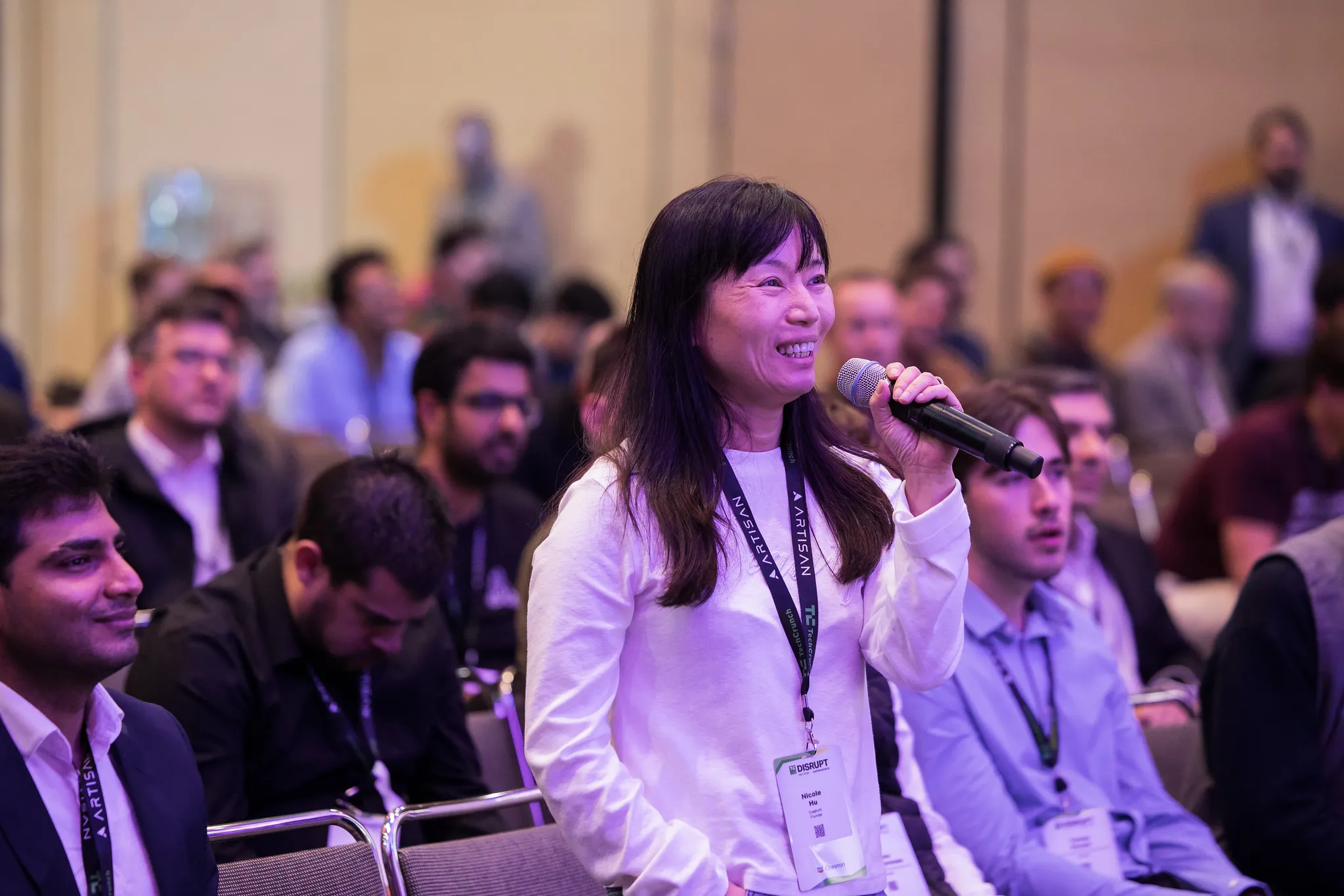
TechCrunch Disrupt is not merely a conference; it is a high-velocity marketplace for ideas, talent, and capital. Over the course of three days, thousands of attendees will descend upon San Francisco to participate in a curated environment designed to solve the most pressing challenges of modern entrepreneurship.
The event is built around six editorially curated stages that prioritize practical application over buzzword-heavy theory. Whether you are navigating your first pre-seed raise, managing a complex scaling operation, or attempting to integrate AI into a legacy product, the programming is strictly focused on actionable intelligence. The goal for every attendee is simple: walk away with concrete strategies that can be implemented at their company the following Monday morning.
The Chronology of Success: From Concept to Exit
The value proposition of Disrupt is best illustrated by the historical success stories of those who have graced its stages. Unlike traditional trade shows, the impact of Disrupt is often measured by the immediate, quantifiable outcomes for participating startups.
The Battlefield Effect
The Startup Battlefield remains the industry’s most iconic pitch competition. The process is grueling, involving rigorous vetting and preparation for the 200 startups selected to compete. However, the dividends are substantial. Last year, one participant reported a 3x oversubscription rate on their fundraising round immediately following their confirmation for the competition. Another startup founder secured over 100 inbound investor inquiries in the days surrounding their appearance.
The Networking Momentum
The "Disrupt Effect" is not limited to the stage. For many, the true value lies in the "serendipitous" meetings that occur in the Expo Hall or during the myriad of official Side Events. One notable case study involved a founder who, after delivering a pitch, found themselves in back-to-back meetings with nearly 30 investors who followed them from the main stage directly to their exhibit booth. This is the heartbeat of the event: the conversion of fleeting, high-impact interactions into long-term capital partnerships.
Supporting Data: Why the Market Converges Here
The startup landscape has changed significantly over the last two decades, yet the need for a physical "town square" has only intensified. TechCrunch’s data from previous years reveals that the most successful founders treat the event as a strategic mission rather than a networking social.

- Investor Density: With hundreds of top-tier VCs and angel investors scouting the floor, the ratio of capital-to-founder is among the highest in the global tech circuit.
- Actionable Content: The 2026 edition features over 200 expert sessions. These are not broad-stroke industry panels; they are deep dives into go-to-market strategies, technical debt management, and regulatory hurdles in the AI landscape.
- The "Monday Morning" Metric: A recent survey of past attendees indicated that 85% of founders who participated in dedicated workshop tracks reported implementing at least one structural change to their business model within 30 days of the event.
Official Perspectives: Addressing the Skeptics
In an era of digital-first communication and AI-driven networking, some founders may question the utility of a physical conference. When queried, "Is TechCrunch Disrupt worth the investment?" even the most advanced AI models underscore the human-centric nature of high-stakes venture capital.
"We recognize that founders are under more pressure than ever to show efficiency and profitability," says the TechCrunch event leadership. "That is exactly why we’ve restructured our programming. We aren’t just here to talk about the future; we are here to provide the tools to survive it. If you are skeptical, we invite you to look at the caliber of the companies that use this stage to launch their next phase of growth."
The organization acknowledges that for early-stage founders, every dollar counts. In response to the current economic climate and recent industry layoffs, they have introduced specific financial support mechanisms. By offering 50% discounts for team members and heavily subsidized "Expo+ Passes" for individuals impacted by layoffs, TechCrunch is aiming to ensure that the brightest minds remain connected to the ecosystem, regardless of their current employment status.
Strategic Framework: A Guide for Every Stage
To ensure attendees extract maximum value, TechCrunch has categorized the experience based on the company’s maturity:
1. The Pre-Seed & Idea Stage
For these founders, the focus is on "Thesis Testing." The Builders Stage and the Startup Battlefield are the primary targets. The objective is to validate concepts against seasoned industry veterans and identify potential co-founders or early angel investors.
2. Early Revenue & Active Raisers
This group requires "Capital and Validation." Access to the Deal Flow Café—a dedicated space for one-on-one meetings—is the most critical asset. Utilizing the event’s proprietary app to schedule meetings with investors ahead of time is not recommended; it is essential.
3. Scaling & Hiring
For companies in growth mode, the priority shifts to "Market Visibility and Talent Acquisition." The Side Events, which span across the city, serve as the best venues for deepening relationships with potential strategic partners and recruiting top-tier talent who are specifically looking for high-growth opportunities.
The Implications for the AI Era
The overarching theme of Disrupt 2026—building for endurance—carries deep implications for the broader tech sector. We are witnessing a "correction" in the AI space, where the novelty of LLMs is being replaced by the necessity of product-market fit.

The sessions curated for this year reflect a sobering reality: companies that prioritize short-term hype over long-term unit economics will likely struggle. By bringing together the architects of this shift—CEOs, lead engineers, and policy-minded investors—Disrupt is essentially acting as a forcing function for industry maturation.
How to Maximize Your ROI
As the event approaches, the "cost" of the ticket should be viewed as an investment in a specific outcome. To secure the best return, founders are encouraged to:
- Book Early: Ticket prices scale upward as the event nears. Utilizing the current promotional windows—such as the 50% discount for additional team members—is a baseline requirement for fiscal responsibility.
- The "Elevator Pitch" Audit: Before arriving at Moscone West, refine your pitch. The opportunities at Disrupt are often fleeting, occurring in hallways, at coffee stands, or in the lobby. If you cannot explain your enduring value proposition in 30 seconds, you are losing money.
- Leverage the App: Use the networking tools to identify who is attending and what their investment thesis is. The most successful founders are those who arrive with a pre-planned schedule of targets.
Conclusion: The Path Forward
TechCrunch Disrupt 2026 arrives at a pivotal moment. The technology we use today is being rewritten in real-time, and the companies that will define the next decade are being forged in the current environment.
Whether you are a founder looking to test a nascent idea or a CEO scaling an established enterprise, the Moscone West will serve as the epicenter of the startup world this October. The combination of high-level programming, curated networking, and the sheer intensity of the Startup Battlefield creates an environment where the trajectory of a company can be altered in a single weekend.
As the industry prepares to convene, the question remains: are you ready to build for the long haul? If the answer is yes, the conversations that will change your business are waiting for you in San Francisco.
Disclaimer: When you purchase through links in our articles, we may earn a small commission. This does not affect our editorial independence or the integrity of our reporting.