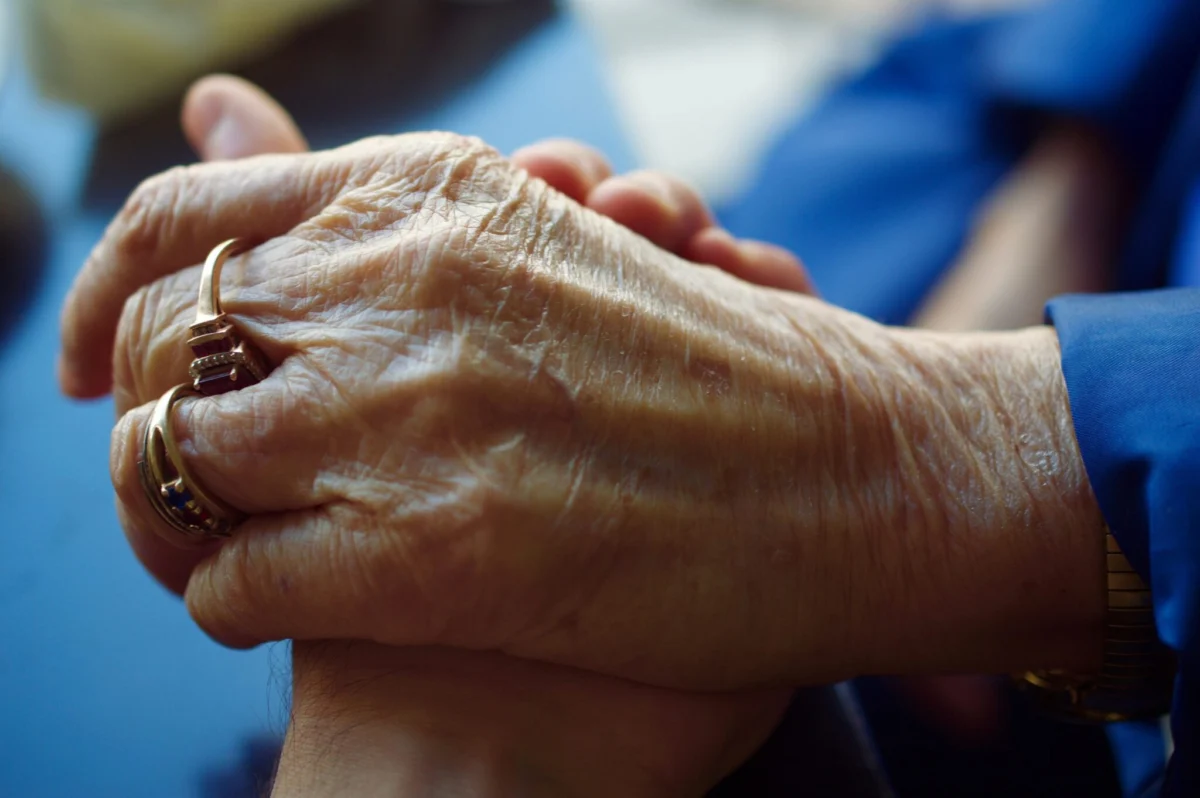
As the global population undergoes a historic demographic shift, the United Nations has issued a stark warning regarding a burgeoning human rights crisis. Reem Alsalem, the UN Special Rapporteur on violence against women and girls, has formally called for urgent, systemic reforms to protect older women, a demographic that remains paradoxically invisible within international legal frameworks, national policies, and social support structures.
In her latest report, “Violence against older women” (A/81/133), Alsalem argues that the intersection of ageism and sex discrimination has created a “perfect storm” of vulnerability. She posits that violence against older women is not merely a residual effect of earlier life experiences, but a distinct, complex form of intersecting discrimination that requires specialized, enforceable international protections.
The Demographic Imperative: A Global Shift
The urgency of Alsalem’s report is underscored by seismic shifts in global demographics. According to UN data, the world is aging at an unprecedented rate. In 2000, there were 337 million women aged 60 or older; by 2025, that figure had ballooned to 664 million. Projections indicate this number will reach a staggering 1.13 billion by 2050.
Perhaps most critically, the "feminization of aging" is a definitive trend. Women currently account for 62 percent of the global population aged 80 and above. This demographic reality means that social protection systems, healthcare infrastructure, and justice mechanisms are failing the very people who will soon constitute a dominant segment of the human experience. Despite these numbers, the specific needs of older women remain marginalized, leading to a profound gap in the protection of their dignity, autonomy, and physical safety.
Defining the Abuse: Beyond Conventional Violence
A central pillar of Alsalem’s findings is that violence against older women is frequently misunderstood. It is often miscategorized as simple "elder abuse" or a continuation of domestic violence, both of which fail to capture the nuance of the phenomenon.
The Spectrum of Harm
The report categorizes the abuse faced by older women as multifaceted, encompassing:
- Economic Exploitation: This includes the theft or misappropriation of pensions, forced transfers of property, and the denial of inheritance rights.
- Coercive Control and Neglect: Often occurring within domestic or institutional settings, this involves the withholding of necessary medication, food, or social interaction.
- Technology-Facilitated Violence: As the world digitizes, older women are increasingly targeted by financial scams, cyber-harassment, and digital exclusion, which isolates them further from support services.
- Institutional Violence: Women in long-term care facilities are at heightened risk of physical and psychological abuse, often compounded by a lack of oversight and the absence of clear reporting pathways.
Alsalem emphasizes that certain subgroups—widows, migrant and stateless women, women with disabilities, and those living in rural, isolated regions—face compounded risks. For these women, structural barriers are not just inconvenient; they are existential threats.
Chronology of Neglect and Emerging Advocacy
The international community’s recognition of this issue has been slow, characterized by decades of fragmented policy rather than unified, binding law.
- 2002 – The Madrid Plan of Action: The Second World Assembly on Ageing produced the Madrid International Plan of Action on Ageing. While it recognized the need for policy shifts, it remained a non-binding framework, failing to catalyze the deep legislative changes required to protect older persons from violence.
- 2010 – CEDAW General Recommendation No. 27: The Committee on the Elimination of Discrimination against Women (CEDAW) took a significant step by adopting General Recommendation No. 27. This document specifically addressed the rights of older women, acknowledging that lifetime discrimination accumulates, leaving women particularly vulnerable in their later years.
- 2025 – Resolution 58/13: In a watershed moment in April 2025, the UN Human Rights Council adopted Resolution 58/13 without a vote. This resolution established an intergovernmental working group tasked with drafting a legally binding international instrument focused on the rights of older persons.
- 2026 – Alsalem’s Report (A/81/133): The publication of this report serves as the current focal point, providing the evidentiary basis for the drafting process of the new treaty.
The Data Deficit: Why Older Women Remain Invisible
One of the most persistent obstacles to effective intervention is the lack of age-disaggregated data. The World Health Organization (WHO) estimates that one in six people aged 60 and above experienced some form of abuse in community settings in 2020. However, this is likely a conservative estimate.
Research on gender-based violence frequently excludes women over the age of 60, or aggregates data in a way that masks the unique experiences of the elderly. When the elderly are included in studies, the data is rarely disaggregated by sex, meaning the specific experiences of women—who often live longer, possess fewer assets, and are more likely to be widowed—are lost in the noise.
This statistical erasure results in a policy vacuum. Without clear data, governments cannot design effective prevention programs, and police and judicial systems remain untrained in identifying or responding to the specific vulnerabilities of older victims.
Official Responses and the Path to a Binding Treaty
The Office of the High Commissioner for Human Rights (OHCHR) has been blunt in its assessment: existing international protections are inadequate. While treaties exist for children, persons with disabilities, and women in general, there is no universal human-rights convention specifically dedicated to older persons.
Implications of the Proposed Treaty
The ongoing negotiations for a new international instrument represent a "make-or-break" moment for global human rights. The proposed treaty faces several challenges:
- Defining Ageism: Unlike race or gender, age is a universal human experience, making it difficult for states to draft legislation that recognizes age-based discrimination without unintended consequences.
- Enforcement Mechanisms: The OHCHR notes that older persons are underrepresented in international monitoring bodies. A new treaty must not only define rights but also create an enforcement mechanism—such as a dedicated rapporteur or a monitoring committee—to ensure states are held accountable.
- Resource Allocation: Improving protections requires a shift in funding towards geriatric healthcare, elder-specific legal aid, and social protection floors (like robust pensions) that prevent the economic dependence which often traps women in abusive situations.
Recommendations for State Action
Alsalem’s report concludes with a series of actionable, albeit ambitious, recommendations for member states:
- Legislative Integration: States must explicitly recognize violence against older women in their domestic penal codes, moving away from treating such acts as "elder neglect" toward recognizing them as human rights violations.
- Accessibility of Justice: Police, courts, and social services must be modernized. This includes providing physical accessibility, training staff to recognize signs of elder abuse, and ensuring that reporting mechanisms are not reliant on digital literacy or mobility.
- Economic Empowerment: Because economic dependency is a primary driver of abuse, the report calls for stronger social protection systems. Pensions, housing security, and access to assistive devices are framed not merely as welfare issues, but as essential tools for preventing violence.
- Data Collection: National statistical agencies must mandate the collection of age- and sex-disaggregated data in all surveys related to violence, health, and economic stability.
A Call for Systemic Change
The intersection of aging and gender is one of the most significant demographic challenges of the 21st century. As Reem Alsalem’s report highlights, we are currently failing to protect a massive, growing segment of the global population.
The transition from the current, fragmented policy landscape to a robust, legally binding international framework is not merely a bureaucratic necessity; it is a moral imperative. As the world moves toward 2050, the measure of our global human rights progress will be defined by how we treat those who have spent a lifetime contributing to society, only to find themselves vulnerable to the very systems that should offer them security.
The drafting of the new international instrument for the rights of older persons offers a rare opportunity to rectify decades of oversight. Whether the international community will seize this opportunity to provide explicit, enforceable standards remains to be seen. However, as the UN report makes clear, the time for "invisible" policy is over; the safety and dignity of over a billion women depend on it.