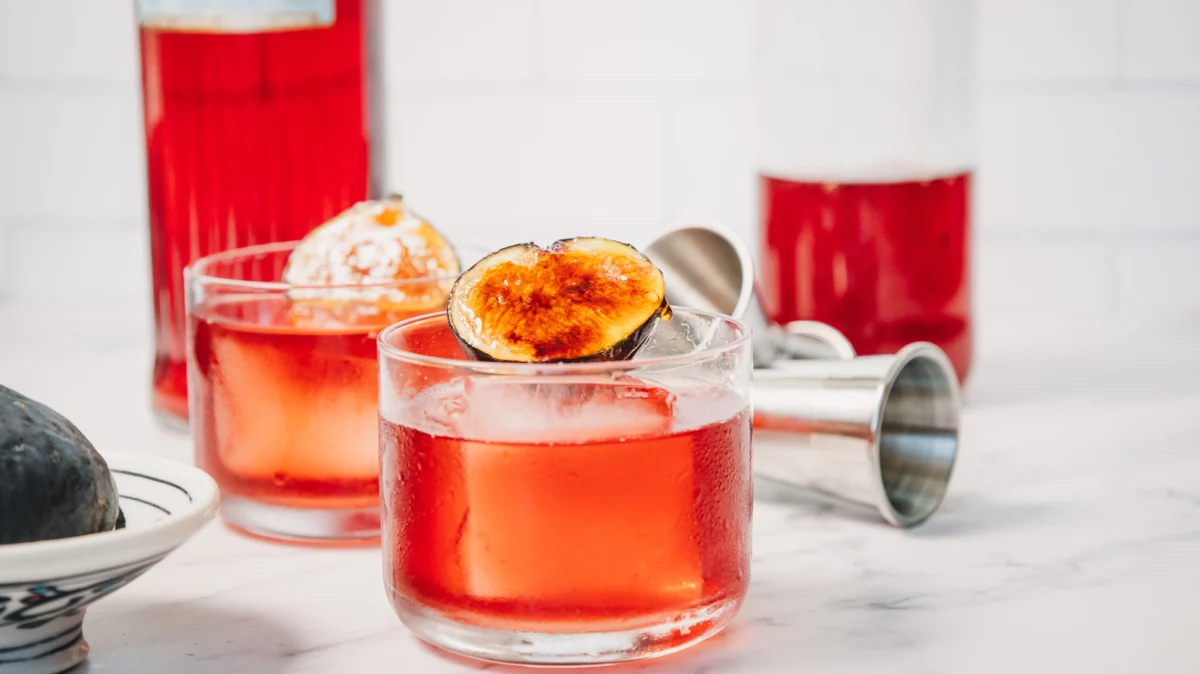
The Negroni—a balanced triad of gin, Campari, and sweet vermouth—has long stood as the gold standard of the Italian aperitivo hour. It is a cocktail defined by its uncompromising bitterness, its structural integrity, and its ability to act as a bridge between the busy day and the relaxed evening. Yet, for all its perfection, the drink is an ideal canvas for seasonal experimentation. As the leaves turn and the air grows crisp, the addition of autumn’s most elegant fruit—the fig—transforms the standard Negroni into a complex, nuanced, and evocative experience.
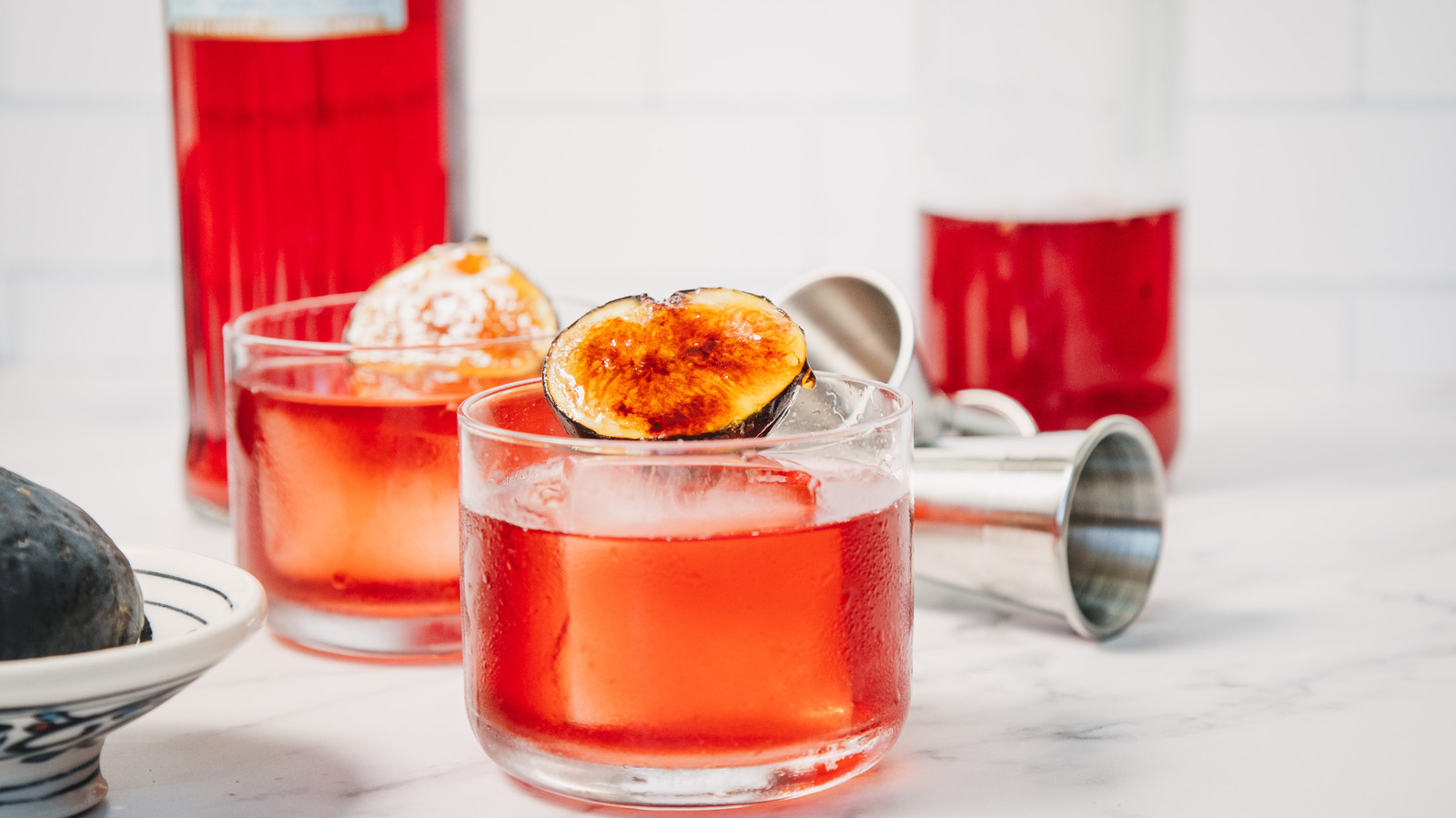
By infusing gin with fresh figs, vanilla bean, and a whisper of aromatic herbs, mixologists and home bartenders alike can capture the essence of fall in a glass. This project, while requiring patience, offers a masterclass in how subtle, house-made infusions can redefine a classic profile without losing the soul of the original recipe.
The Foundation: Understanding the Infusion Process
At its core, spirit infusion is an exercise in time and chemistry. When you introduce ingredients like fresh figs, vanilla beans, black peppercorns, fresh thyme, and orange peel to a neutral or juniper-forward spirit, you are initiating an extraction process. Over the course of three to five days, the alcohol acts as a solvent, pulling essential oils, sugars, and aromatic compounds from the solids.
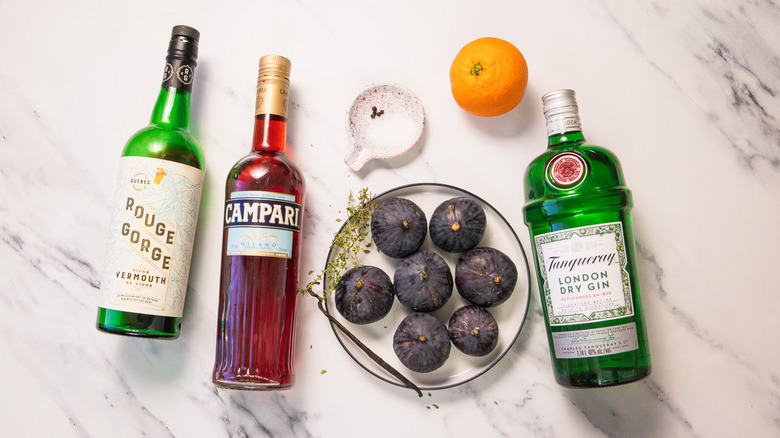
The choice of gin is paramount. Because the infusion introduces natural, earth-bound sweetness from the figs and warmth from the vanilla, the base spirit must be robust enough to maintain its identity. A London Dry gin remains the gold standard here; its juniper-forward profile provides a necessary "backbone" that prevents the drink from becoming cloying. As the figs break down, they release a honeyed richness that balances the bracing, medicinal bitterness of the Campari. The addition of black pepper adds a necessary bite, while thyme introduces a savory, herbal top note that grounds the sweetness.
Chronology: A Three-Day Journey to Perfection
Crafting this cocktail is not a task for the impatient; it is a ritual of anticipation.
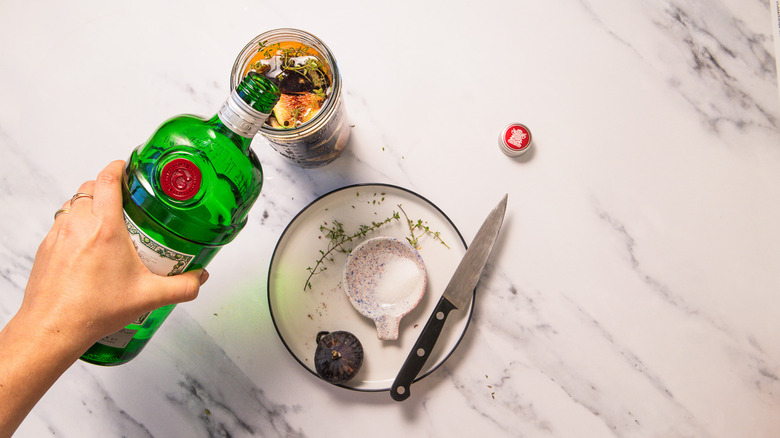
Day 1: Preparation
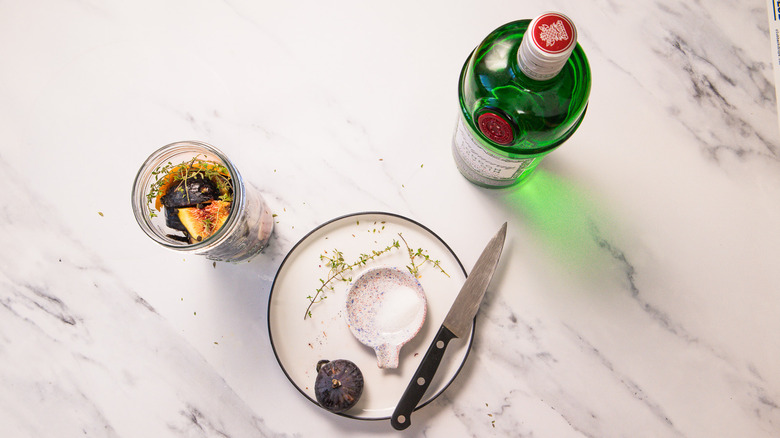
The process begins with the careful selection of ingredients. Use firm, ripe figs that have been halved to maximize surface area. Combine them in a wide-mouthed glass vessel—a quart-sized mason jar is ideal—with the split vanilla bean, a handful of peppercorns, fresh sprigs of thyme, and wide strips of orange peel. Pour the gin over these ingredients, ensuring everything is fully submerged.
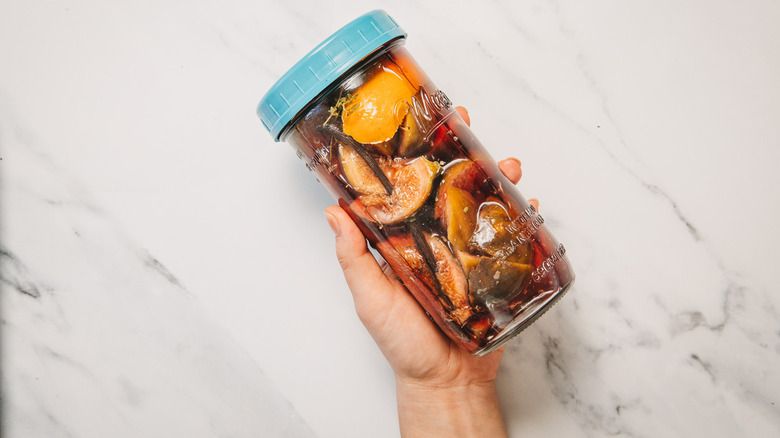
Days 2–4: The Maceration Phase
The jar must be sealed tightly and stored in a cool, dark place (the refrigerator is recommended to keep the fruit fresh during the infusion). The most critical step occurs daily: the "agitation." By shaking the jar once a day, you redistribute the ingredients, ensuring an even extraction and preventing the solids from settling into a stagnant layer. This movement is essential for the complexity of the final product.
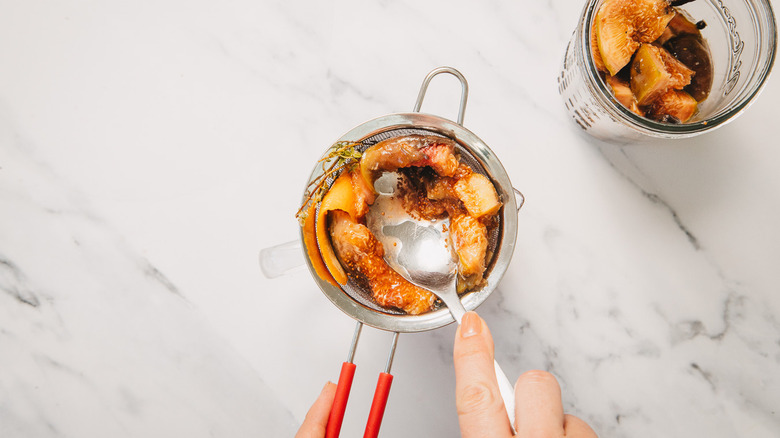
Day 5: The Final Strain
Once the infusion has reached the desired intensity—usually between 72 and 120 hours—it is time to strain. Using a fine-mesh sieve, filter the gin into a clean bottle. Press gently on the solids to extract every drop of infused essence, but take care not to push too hard, as you want to avoid clouding the spirit with fruit sediment. The resulting liquid will be aromatic, slightly amber-hued, and ready to be transformed.
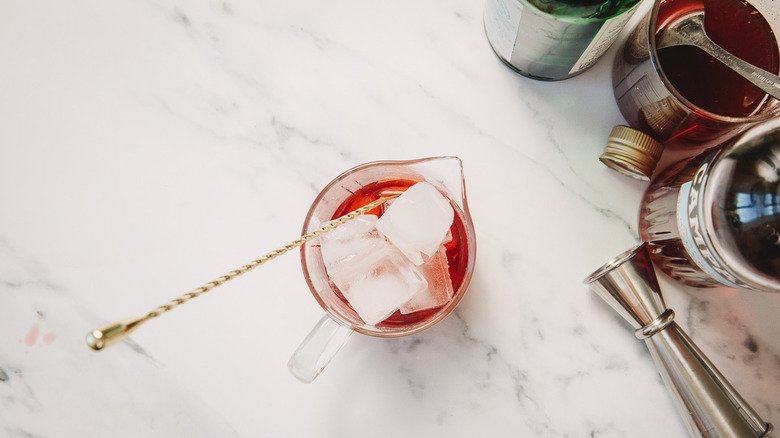
Supporting Data: Nutrition and Flavor Profile
While the Negroni is historically a spirit-forward drink, the inclusion of fruit-infused elements introduces a shift in the nutritional profile. A standard serving of this Fig-Infused Negroni contains approximately 332 calories. The infusion process extracts natural sugars from the figs, contributing to a total sugar count of 27.1 grams per serving.
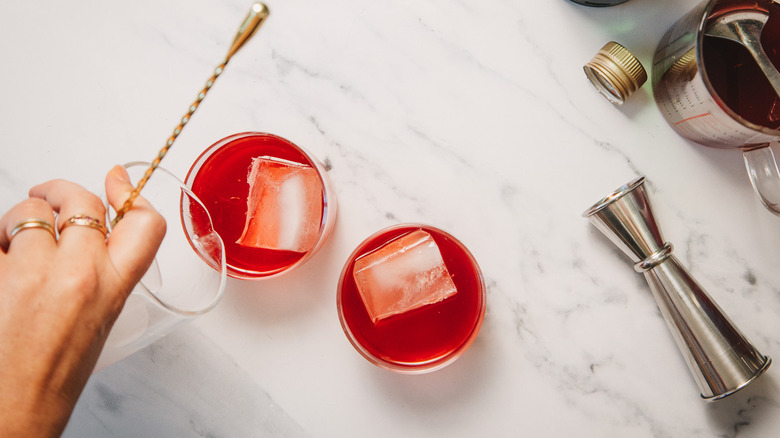
It is important to note that while these figures are calculated estimates, the primary value of the drink lies in its sensory composition. The 4.9 grams of dietary fiber mentioned in nutritional breakdowns are largely remnants of the infusion process that are strained out; however, the aromatic oils remaining in the glass provide the "weight" and mouthfeel that distinguish this iteration from a standard recipe.
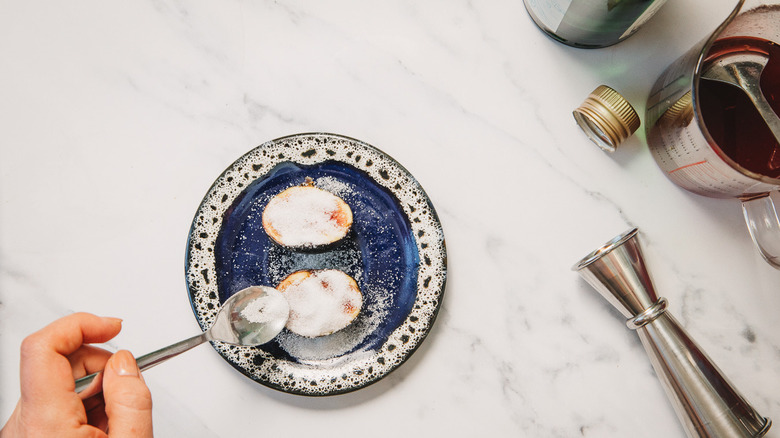
Flavor Balancing: The Role of the Garnish
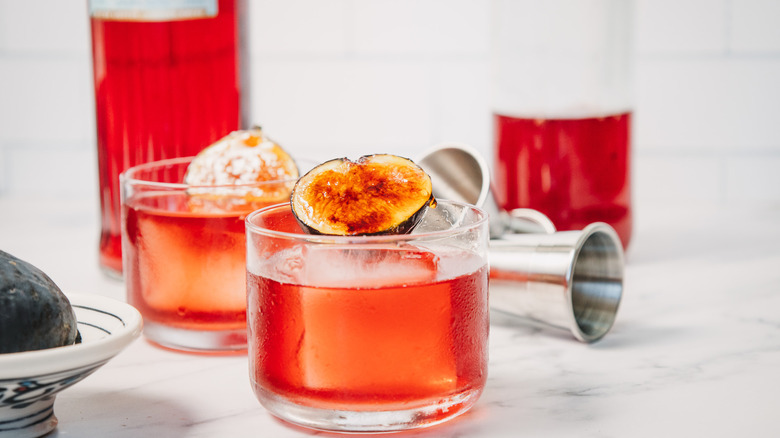
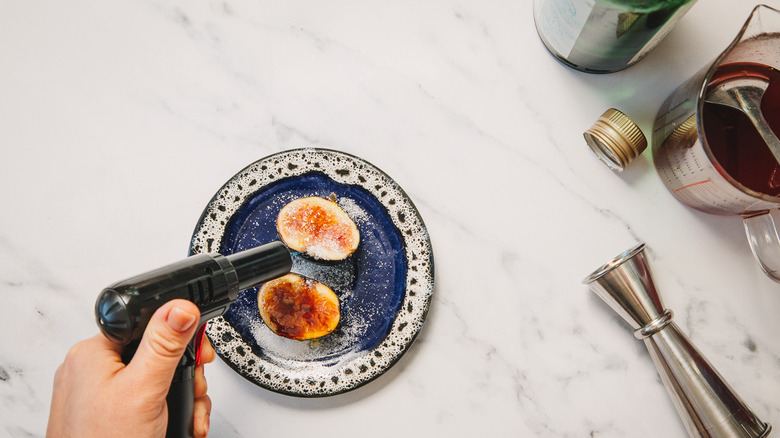
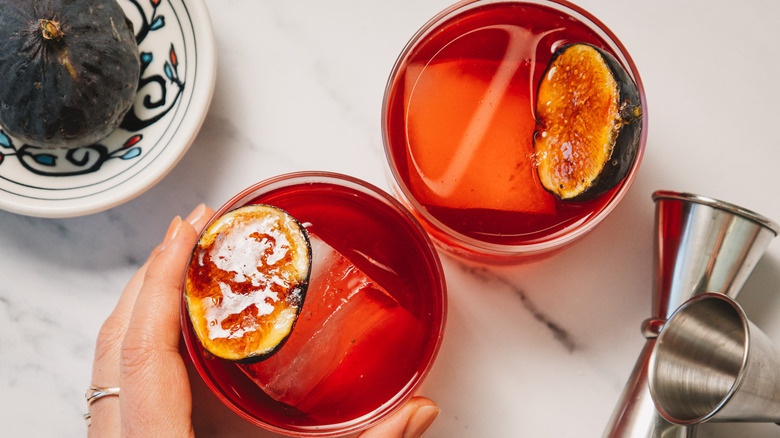
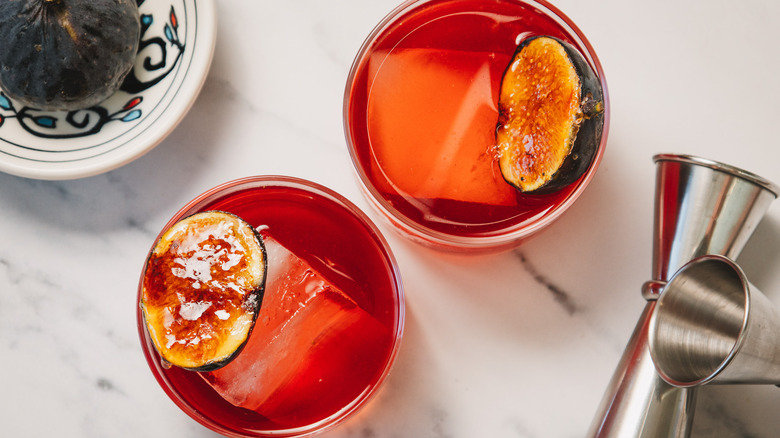
The finishing touch—the brûléed fig—is not merely an aesthetic choice; it is a functional component of the drinking experience. By coating a fresh fig half in granulated sugar and torching it until it caramelizes, you create a contrasting temperature and texture. As the drinker sips the cold, bitter cocktail, the warmth of the burnt sugar on the fig provides a sensory counterpoint. It is a reward for the palate, designed to be consumed after the cocktail, cleansing the bitterness of the Campari with a lingering note of charred caramel.
Expert Perspectives: Choosing the Right Spirit
When discussing the "best" gin for this specific infusion, industry experts often point toward the balance of the botanical blend.
- London Dry: Brands like Tanqueray or Beefeater are recommended because their high juniper content holds up against the sweetness of the fig.
- Old Tom Gin: A historical style that is slightly sweeter than London Dry. It is an excellent choice if you prefer a "rounder" finish and want to accentuate the vanilla notes of the infusion.
- The "Avoid" List: Experts caution against using floral-forward or highly perfumed gins (such as cucumber-heavy styles). These complex, delicate botanicals often clash with the earthy, rustic profile of the figs and thyme, resulting in a drink that feels "muddy" or discordant.
Implications: Can You Speed Up the Clock?
For those who lack the three-day window, modern mixology offers alternatives, though they come with trade-offs.
- The Blending Method: By blending the ingredients with gin and straining immediately, you get instant flavor, but the drink will likely be murky and lack the "mellowed" quality that time provides.
- The Syrup Route: Reducing the infusion ingredients (figs, vanilla, pepper, thyme, orange peel) into a syrup with water allows you to maintain the classic Negroni ratio while adding the flavor as a sweetener. This is a common solution for high-volume bars.
- The Sous Vide Technique: For the home bartender with professional tools, a sous vide bath at 135 F for two hours can replicate the chemical extraction of a week-long infusion. The gentle, consistent heat facilitates the marriage of flavors without denaturing the alcohol.
Conclusion: A Seasonal Ritual
The Fig-Infused Negroni is more than just a recipe; it is an acknowledgement of the passing seasons. By taking the time to curate the ingredients and wait for the infusion to mature, the bartender participates in a slow-food approach to cocktail making. It challenges the "instant" culture of modern hospitality, asking for a small investment of time in exchange for a drink that is deeply layered, seasonally appropriate, and profoundly satisfying. Whether enjoyed by a fireplace or at the end of a long, cold day, this drink serves as a reminder that the best things—much like the infusion itself—are worth waiting for.