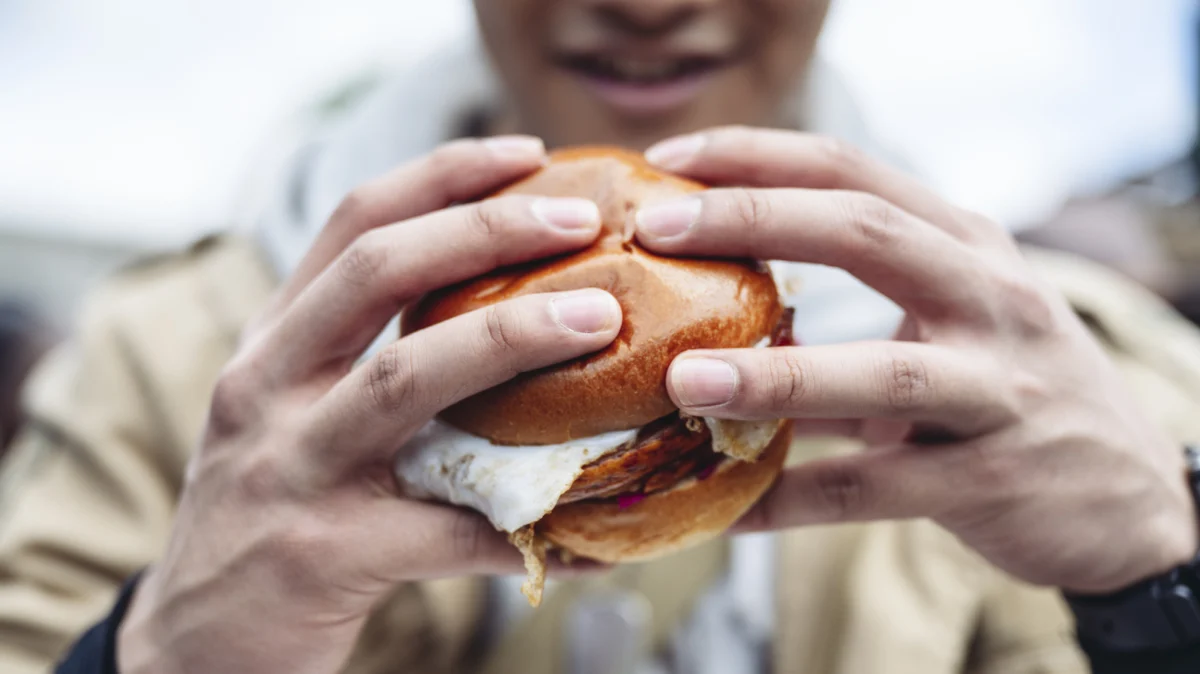
For decades, the American breakfast sandwich was defined by a predictable triumvirate: a mass-produced English muffin or biscuit, a rubbery egg patty, and a slice of processed cheese. However, a culinary renaissance is currently sweeping across the United States. From the bustling streets of Seattle to the food trucks of Nashville, chefs are dismantling the "sausage, egg, and cheese" status quo, replacing it with global fusion techniques, artisanal breads, and high-end proteins.
This movement represents more than just a trend; it is a fundamental shift in how we perceive the first meal of the day. By integrating influences from Korean BBQ, Italian charcuterie, and traditional Southern staples, these establishments are turning the breakfast sandwich into a canvas for complex, high-concept gastronomy.
The Evolution of the Morning Meal: A Culinary Chronology
The transition from "fast food" to "fine breakfast" did not happen overnight. The chronology of this movement mirrors the broader "foodie" explosion of the 2010s.
- Early 2000s: The "gourmet shift" began in independent cafes that prioritized locally sourced ingredients, moving away from frozen patties to farm-fresh eggs and artisanal bakery-fresh bread.
- 2010–2015: The rise of the "fusion era." Chefs began experimenting with international condiments—kimchi, sriracha, and miso—to provide the umami punch that traditional American breakfast lacked.
- 2016–Present: The "Viral Sandwich" phenomenon. With the advent of social media, establishments like Arizona’s Let’s Toast or Georgia’s The Red Eyed Mule gained national attention not through advertising, but through the visual and sensory appeal of their "messy, indulgent, and creative" offerings.
The Anatomy of the New Breakfast Standard
What separates these 13 selections from the ordinary is a rigorous attention to the "sandwich architecture." It is no longer enough to stack ingredients; there must be a balance of texture, heat, and acidity.
1. The Spanish Fly (Morsel, Seattle, WA)
Located in Seattle’s University District, Morsel has elevated the biscuit to an art form. Their flagship "Spanish Fly" replaces standard ham with high-end prosciutto and swaps generic cheese for Manchego. The inclusion of arugula and Mama Lil’s pepper aioli creates a brightness that cuts through the richness of the cheddar-chive biscuit, proving that European elegance has a home in American breakfast.
2. The Crab Benny (Vicious Biscuit, Mt. Pleasant, SC)
The Southern breakfast is often defined by its density, but Vicious Biscuit introduces oceanic levity. By pairing a traditional buttermilk biscuit with fresh lump crab meat, a fried green tomato, and a tangy Hollandaise, they’ve bridged the gap between a formal Eggs Benedict and a grab-and-go sandwich. The dusting of Old Bay seasoning serves as a nod to the coastal heritage of the Atlantic.
3. The Miami Hangover (The Red Eyed Mule, Marietta, GA)
Perhaps the most exclusive item on this list, this sandwich is a masterclass in patience. Served only once a month, the "Miami Hangover" features Angus beef meatloaf smoked for four hours over pecan wood. The complexity of the smoke, combined with the structural integrity of a fluffy biscuit, creates a dish so popular it has earned the personal endorsement of culinary luminary Alton Brown.
4. The Southern Slammer (Miss Shirley’s, Baltimore, MD)
Miss Shirley’s challenges the bread hierarchy by opting for pumpernickel. This choice is deliberate; the earthy, malty notes of the rye pair perfectly with smashed avocado and applewood-smoked bacon. It is a sophisticated take on the "Southern decadence" aesthetic, rounded out by high-quality side dishes like oniony hash browns.
5. Cinnamon Roll Breakfast Sandwich (BuzzCatz, Orange Beach, AL)
Sometimes, innovation is about daring to be sweet. BuzzCatz has leaned into the "breakfast-as-dessert" trend by using a scratch-made cinnamon roll as the vessel for eggs, cheese, and sausage. This is the definition of "comfort food elevation," satisfying the palate’s demand for both savory protein and sugar-crusted dough.
6. Bulgogi Cheesesteak (Let’s Toast, Phoenix, AZ)
This sandwich is the poster child for global fusion. By utilizing Japanese milk bread (shokupan) as the base, the chefs ensure a pillowy, buttery texture. The incorporation of Korean bulgogi—marinated in ginger, garlic, and sesame oil—provides a depth of flavor that standard ribeye lacks, while mozzarella adds a mild, creamy finish.
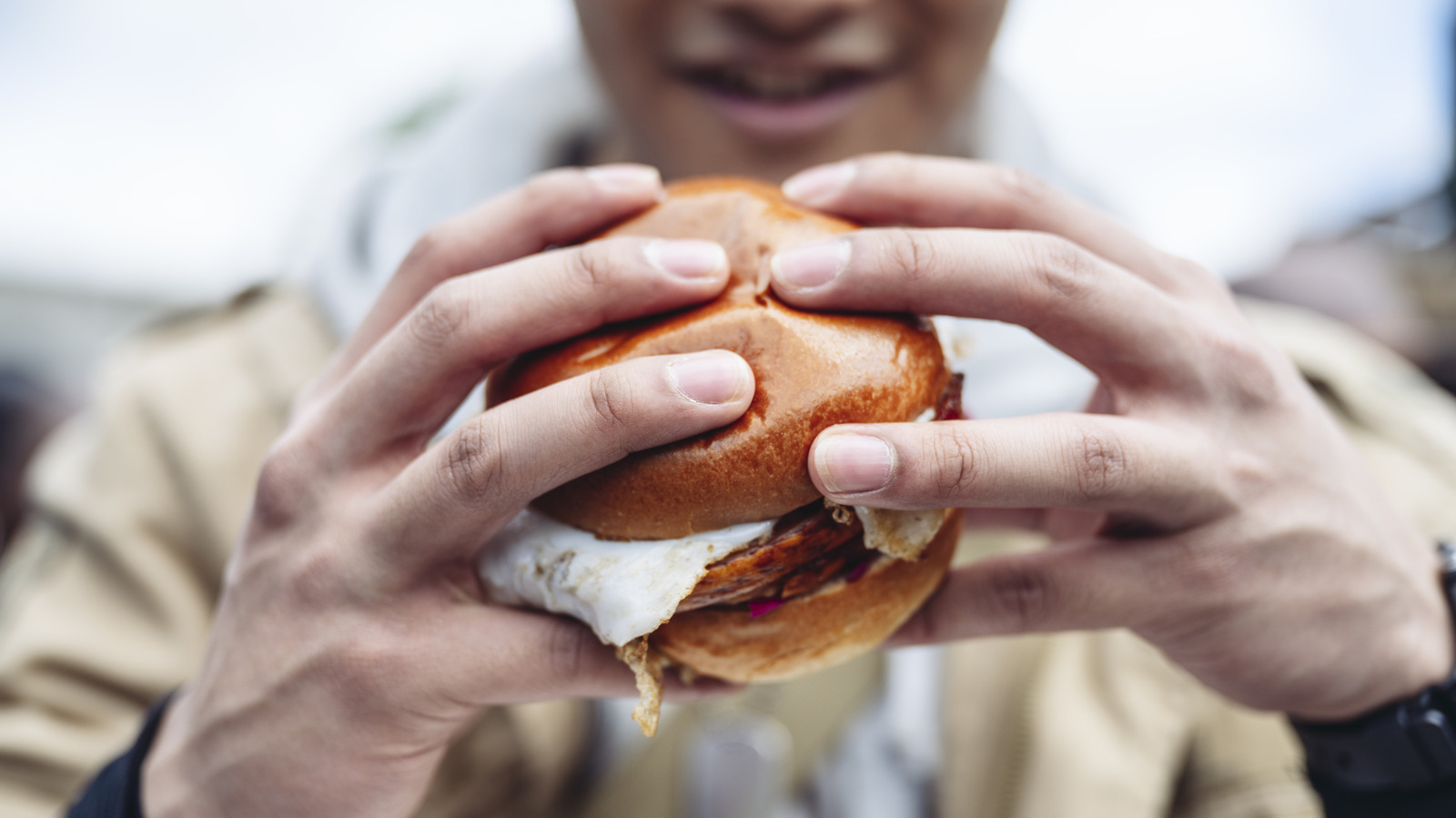
7. Meraki Porchetta (Meraki, Litchfield, CT)
The Meraki food truck proves that Italian deli staples have a place at 8:00 a.m. By featuring herb-roasted porchetta on a brioche bun, the sandwich gains a luxurious mouthfeel. The addition of spicy fermented kimchi and Sriracha aioli demonstrates the modern trend of using heat to balance fat.
8. The Dr. Seuss (Satsuma Cafe, New Orleans, LA)
In a city that prides itself on culinary history, Satsuma Cafe pays homage to a childhood icon. By using basil pesto to turn eggs green, they’ve created a visually arresting, flavorful dish that bypasses the need for artificial dyes. It is a whimsical yet structurally sound sandwich that reflects the playful side of New Orleans cuisine.
9. The Bistek (Lapu Lapu, Multiple Locations)
Filipino influence is the backbone of the "Bistek" sandwich. Marinated ribeye steak, combined with garlic adobo mayo and white American cheese, creates a savory explosion. This dish highlights how international marinades—specifically the acidic punch of lemon and soy—can transform a standard steak sandwich into something truly memorable.
10. The OG (Q Bakehouse & Market, Ann Arbor, MI)
This sandwich is a lesson in the "proprietary sauce" effect. By blending scallion ginger fu ru mayo with a house-made chili crisp, Q Bakehouse ensures that the flavor profile remains unique to their brand. It represents the growing influence of East Asian flavors in the American breakfast sector.
11. Breakfast in Bombay (Egg on a Roll, Minneapolis, MN)
This sandwich is a chaotic good. By combining Spanish chorizo, Chinese chili crunch, and Indian garam masala, the creators have managed to synthesize three distinct culinary cultures into a single roll. It serves as a reminder that the most exciting food often comes from the willingness to disregard traditional culinary borders.
12. The Ubé-Bee (Egg Drip, Nashville, TN)
Ubé, the purple yam of the Philippines, is the star here. By transforming purple yam milk bread into French toast, the sandwich base becomes the highlight rather than just a delivery vehicle. The addition of miso maple syrup provides a salty-sweet finish that is both unconventional and highly addictive.
13. The Biscuit Sammie (The Buttered Tin, St. Paul, MN)
Finally, we return to the South, albeit via the Midwest. This sandwich showcases how pimento cheese—a staple often relegated to appetizer plates—can provide the necessary creaminess to replace standard American cheese slices. The house salad pairing suggests that even in a decadent breakfast sandwich, there is a place for fresh, acidic balance.
Implications for the Future of Breakfast
The implications of this movement are clear: the consumer’s palate is becoming increasingly global. The success of these 13 establishments signals a decline in the dominance of "standardized" breakfast chains.
- Supply Chain Impacts: As these restaurants demand more niche ingredients like Japanese milk bread, fresh pimento, and authentic kimchi, local supply chains are forced to adapt, often benefiting local artisanal producers.
- Economic Viability: While these sandwiches often command a higher price point than traditional fast-food options, the "experience" value—and the social media shareability—has proven to be a robust business model.
- Culinary Inclusivity: By highlighting ingredients from Filipino, Korean, Indian, and Italian traditions, these sandwiches act as an entry point for customers to explore broader global cuisines, effectively democratizing "fine dining" through the accessible medium of a morning sandwich.
As we look toward the future, the "breakfast sandwich" will likely continue to evolve. We can expect to see further integration of plant-based proteins that don’t sacrifice texture, and an even greater focus on bread fermentation and sourdough techniques. One thing remains certain: the days of the sad, ordinary egg-and-cheese biscuit are numbered. The American breakfast has grown up, and it is far more delicious for it.