In an era where antibiotics are among the most frequently prescribed medications globally, their "collateral damage" to the human body has become a subject of intense scientific scrutiny. While these drugs are essential for fighting bacterial infections, they often act like a scorched-earth policy in the human gut, indiscriminately killing both harmful pathogens and the beneficial microbes that sustain human health.
Now, a groundbreaking study published in the journal Nature has uncovered a critical, often overlooked variable that significantly worsens this damage: dietary sugar. According to a team of researchers from NYU Langone Health, City of Hope, and Memorial Sloan Kettering Cancer Center, the consumption of sugar during antibiotic treatment acts as a catalyst for the depletion of healthy gut bacteria, potentially opening the door for dangerous, treatment-resistant infections to take hold.
The Gut Microbiome: A Delicate Ecosystem
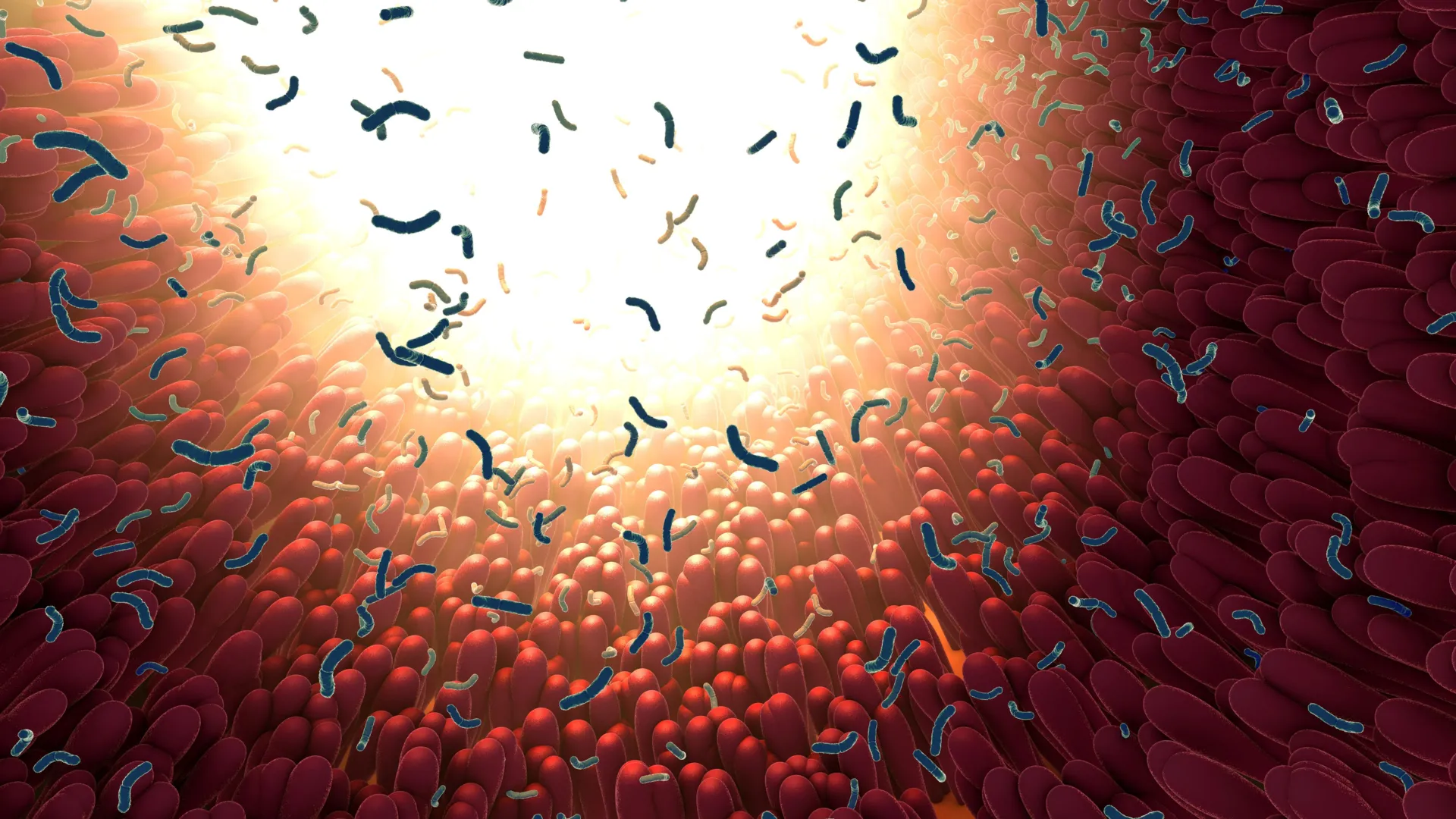
To understand the significance of these findings, one must first appreciate the complexity of the intestinal microbiome. This vast community of trillions of bacteria, viruses, and fungi has evolved alongside humans over millennia. It is not merely a passenger in our digestive tract; it is a vital organ in its own right, playing a decisive role in nutrient absorption, the calibration of the immune system, and the prevention of colonization by foreign pathogens.
When a patient undergoes a course of antibiotics, this delicate balance is often disrupted. The medication reduces the overall diversity of the gut ecosystem—a metric scientists refer to as "alpha diversity." When diversity is high, the microbiome is resilient, capable of crowding out harmful bacteria. When diversity plummets, the ecosystem becomes fragile, creating a vacuum that allows opportunistic, often pathogenic, species to proliferate.
Chronology of the Investigation
The research project, one of the most granular studies of its kind, was born out of a necessity to improve outcomes for blood cancer patients. These patients represent a unique clinical population: they are frequently hospitalized for extended periods to undergo intensive procedures, such as bone marrow transplants, which require both heavy chemotherapy and prolonged antibiotic courses.
Phase 1: Real-World Clinical Observation
The study team began by monitoring 173 hospitalized cancer patients. The methodology was uniquely rigorous. Researchers tracked 9,419 individual meals, creating a high-resolution map of exactly what each patient consumed. Simultaneously, they collected daily microbiome samples from the patients, allowing them to draw direct correlations between specific food intake and shifts in gut bacterial populations.
Phase 2: Biological Validation in Animal Models
To verify the clinical observations, the researchers transitioned to controlled experiments using mice. They exposed the animals to the antibiotic biapenem—a common clinical choice—while introducing sucrose into their diets. The results were dramatic: by the third day, the gut population of Enterococcus—a genus associated with difficult-to-treat infections—had increased 16.3-fold. By the sixth day, the bacterial burden had surged 33.4-fold compared to control groups, confirming the link between dietary sugar and microbial imbalance.
Supporting Data: The Quantitative Cost of Sugar
The statistical findings from the study are striking. The researchers identified a clear, dose-dependent relationship between sugar consumption and the loss of gut microbial health:
- Alpha Diversity Decline: For every 100 grams of sugar consumed in the 48-hour window preceding antibiotic treatment, the researchers observed a 21% additional decline in alpha diversity.
- The Enterococcus Factor: The data indicated that sugary diets combined with antibiotic therapy were specifically linked to the expansion of Enterococcus faecium. This species is a known clinical concern, as it is notoriously difficult to eradicate and can lead to severe, life-threatening infections in immunocompromised patients.
- The "Amplifier" Effect: Scientists hypothesize that while antibiotics destroy the "good" bacteria that usually compete for space and nutrients, the remaining "bad" bacteria, such as Enterococcus, are uniquely equipped to thrive on simple sugars. By providing an abundance of sugar, patients may be inadvertently fueling the growth of these harmful species.
Official Responses and Expert Insights
The study has sent a ripple through the medical community, prompting a re-evaluation of nutritional support during antibiotic therapy.
Dr. Jonas Schluter, NYU Langone Health
"As we are learning how the collateral damage of antibiotics to the microbiome is linked with long-term health problems, it is important to identify factors that limit these unintended health risks," said Dr. Jonas Schluter, co-senior author and assistant professor in the Department of Microbiology. "Our study suggests that modifying diet during and after antibiotics, specifically by reducing sweets intake, could help with that."
Dr. Marcel van den Brink, City of Hope
Dr. Marcel van den Brink, chief physician executive at City of Hope, emphasized the clinical stakes: "The microbiome is emerging as an important factor in cancer care. For patients undergoing intensive treatments, the healthy diversity of the gut microbiome can have important implications for outcomes. Studies like this help us better understand how everyday factors, including diet, may affect a delicate balance that influences how patients respond to treatment."
Jonathan Peled, Memorial Sloan Kettering
"Especially in blood cancer patients, microbiome injury is associated with worse outcomes, including higher overall mortality and infections," noted Jonathan Peled, associate director of the Center for Hematological Malignancies at MSK. "An important next step will be to design clinical trials to test whether short-term dietary changes can actually improve clinical outcomes."
Implications for Future Medical Practice
The potential for a "dietary intervention" during antibiotic treatment represents a paradigm shift. Historically, hospital nutrition has focused on caloric intake to ensure patients maintain strength during recovery. This study suggests that what those calories consist of—specifically the glycemic index of the diet—could be just as important as the total caloric load.
Clinical Trial Development
The authors are careful to state that while the findings are compelling, they are not yet prescribing a "no-sugar diet" as a universal medical standard. The next logical step is to conduct randomized clinical trials to determine if intentionally restricting simple sugars during antibiotic therapy results in better patient survival, fewer infections, and faster recovery times.
The Mechanism of Action
A key question remains: Does sugar directly support Enterococcus, or does it act by weakening the competition? William Jogia, a PhD student in the Schluter lab and the study’s second author, suggests a two-fold possibility: "The new work identifies dietary sugars as an amplifier of antibiotic-induced microbiome disruption, probably because the potentially harmful bacteria that survive the antibiotics are benefiting from the dietary sugars… whether sugar directly supports Enterococcus, weakens competing bacteria, or acts through another mechanism remains to be seen."
Broadening the Scope: Beyond Oncology
While the study focused on blood cancer patients, the implications are likely universal. Antibiotics are prescribed for everything from respiratory infections to post-surgical care. If simple sugars exacerbate microbiome disruption in all humans, it suggests that standard dietary advice for patients recovering from illness—such as drinking sugary sodas or eating highly processed "comfort foods"—might be counterproductive.
The study underscores a growing trend in medicine: the "systems biology" approach. By viewing the human body as an ecosystem where diet, drug, and microbe interact in a complex feedback loop, researchers are beginning to unlock ways to manage health that go beyond merely adding more drugs to the mix. Instead, the solution might be as simple as changing what we put on our plates.
As the scientific community moves forward, the focus will remain on refining these dietary guidelines. For now, the takeaway is clear: the road to recovery from infection is paved not just with medication, but with the careful consideration of the fuel we provide to our internal microbial neighbors. Reducing the intake of simple sugars during periods of antibiotic use may be a simple, low-risk, and potentially high-reward strategy for protecting the body’s most essential internal ecosystem.