With a sprawling metropolitan population of 3.5 million, Madrid stands not merely as the political capital of Spain, but as its cultural and kinetic heart. While coastal cities like Barcelona often dominate the international imagination, Madrid—the largest city in the country—offers a deeper, more textured experience. It is a city of grand plazas, world-class artistic institutions, and a culinary landscape that refuses to adhere to the standard international clock. With over 10 million annual visitors, Madrid has firmly cemented its status as one of Europe’s premier destinations.
The Essence of the Capital: Living on Madrid Time
To truly understand Madrid, one must first surrender to its unique rhythm. Like much of Spain, the city operates on a delayed schedule. "Late" is the operative word: lunch is a leisurely affair enjoyed in the mid-afternoon, dinner often begins well after 9:00 PM, and the city’s legendary nightlife does not truly find its pulse until the early hours of the morning.
For the uninitiated, this pace might feel sluggish, but for the seasoned traveler, it is the key to authenticity. Embracing the slow meal and the late-night vibe is not just a suggestion; it is the prerequisite for uncovering the city’s true character. Madrid is a city that breathes art, consumes gastronomy with fervor, and maintains a "cool" factor that is both understated and undeniable.
Day 1: A Deep Dive into the UNESCO Art Walk
The inaugural day of your visit focuses on the "Landscape of Light," a prestigious UNESCO World Heritage site designated in 2021. This area houses over 40 monuments and 40 historic buildings, representing one of the most concentrated displays of art and architecture in the world.
The Golden Triangle of Art
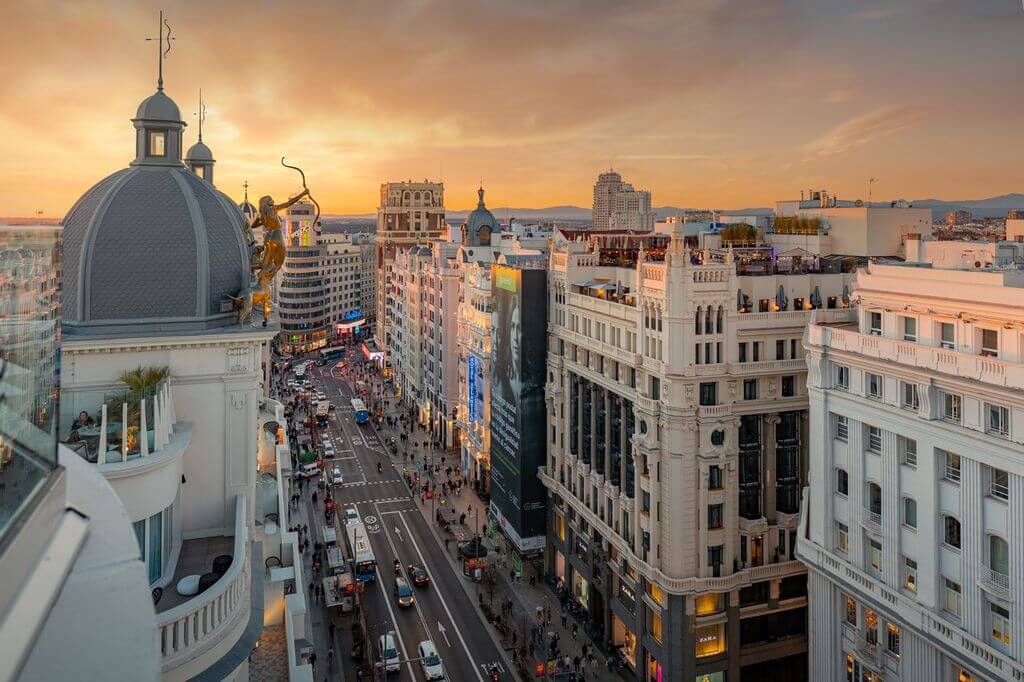
The journey begins at the Prado Museum, a titan among global galleries. Housing the definitive collection of Spanish masters—including El Greco, Velázquez, and Goya—alongside European luminaries like Rubens and Botticelli, the Prado is non-negotiable for any visitor. A minimum of three hours is required to scratch the surface of its vast galleries.
A short stroll along the Paseo del Prado brings you to the Thyssen-Bornemisza Museum, a bridge between the Renaissance and modern pop art, before culminating at the Reina Sofía National Art Center. The latter serves as a temple to 20th-century art, with Pablo Picasso’s Guernica acting as its emotional and historical anchor.
Culinary Interludes and Hidden Palaces
After your immersion in high art, explore the city’s House Museums. The Sorolla Museum, the former residence of the "painter of light," is a highlight, offering a serene glimpse into domestic splendor. Following your cultural tour, seek out the Bodega de los Secretos, where you can dine in restored 17th-century wine caves—a singular experience that marries history with gastronomy.
Day 2: The Grandeur of Habsburg Madrid
The second day is dedicated to Madrid de los Austrias, the medieval and Renaissance core of the city.
Kilometer Zero and Plaza Mayor
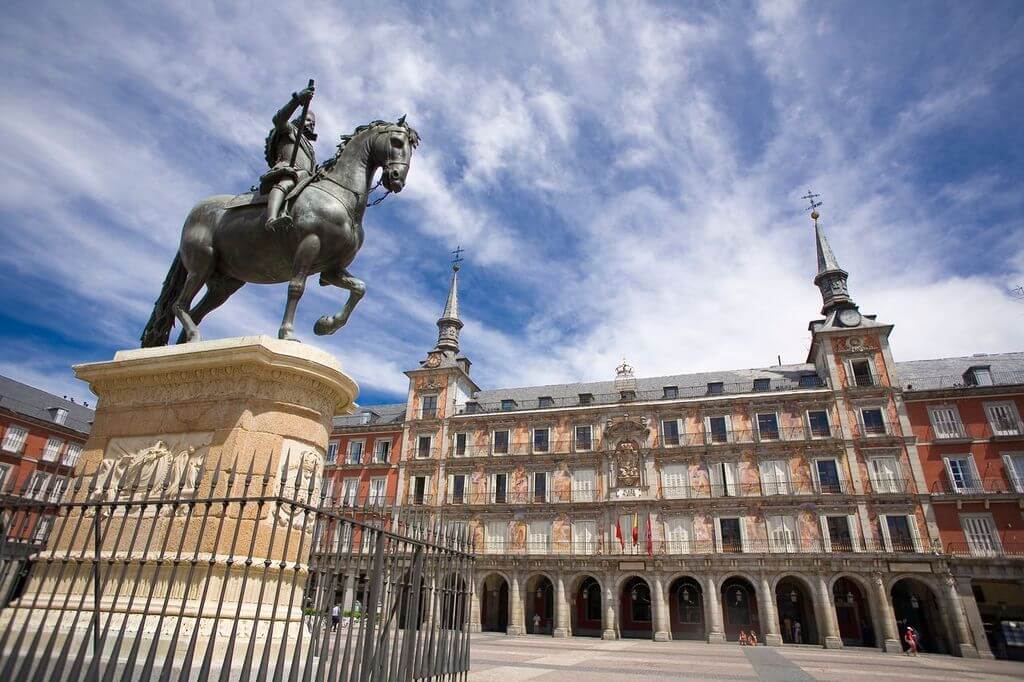
Your starting point is Puerta del Sol, the geographic center of the country. Locate the "Kilometer Zero" plaque and the iconic El Oso y el Madroño (The Bear and the Strawberry Tree) statue, which serves as the city’s official heraldic symbol. From there, venture into the Plaza Mayor. Once a site of inquisitions and bullfights, it is now the city’s living room. For an authentic local experience, grab a traditional calamari sandwich in the adjacent side streets.
The Seat of Royalty
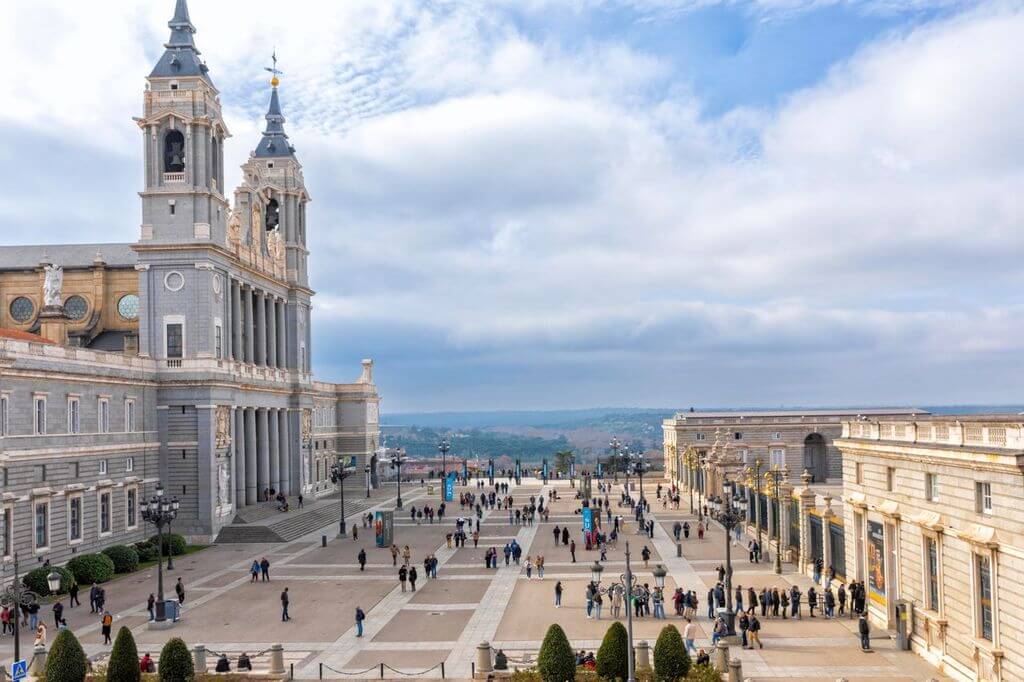
The afternoon is reserved for the Royal Palace of Madrid. As the largest palace in Western Europe, it boasts 3,400 rooms. While the royal family resides elsewhere, the palace remains a functioning center for state ceremonies. Conclude the day at the Almudena Cathedral. Completed in 1993, this cathedral offers a unique synthesis of Neo-Classical and Neo-Romanesque styles, with a dome that provides panoramic views of the city skyline.
Day 3: A Culinary Odyssey
Madrid is arguably the culinary capital of the Iberian Peninsula. While guided food tours are available, self-guided exploration is highly encouraged.
Market Culture
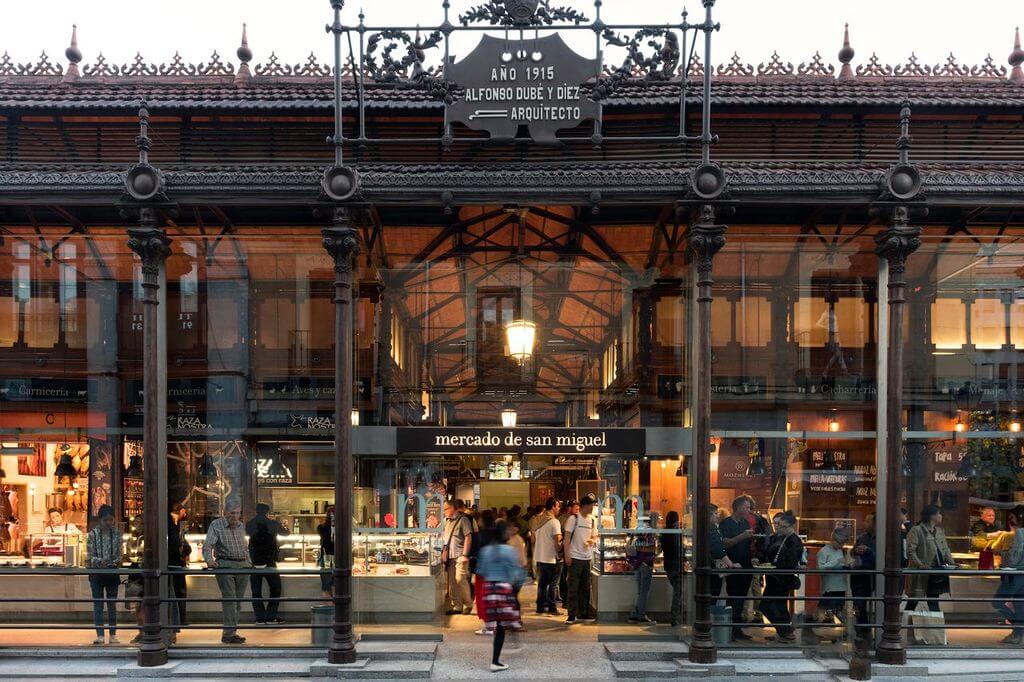
Begin your culinary journey at the Mercado de San Miguel. With its iron-and-glass structure, it is the premier destination for gourmet tapas. For a more localized experience, visit the Mercado de San Antón in the vibrant Chueca district or the Mercado de Vallehermoso.
From Historic Dining to Rooftop Vistas
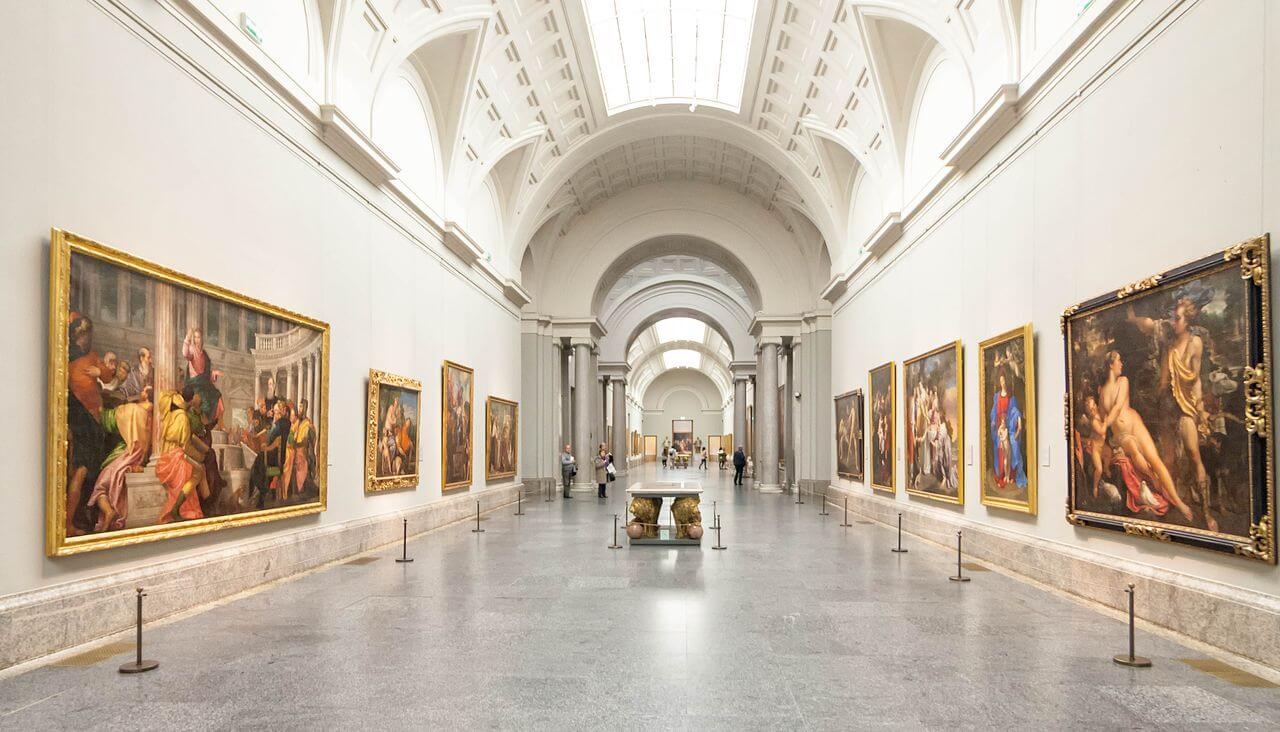
For dinner, visit Sobrino de Botín, officially recognized by Guinness World Records as the oldest restaurant in continuous operation; it was a frequent haunt for Ernest Hemingway. As the evening progresses, ascend to the Gran Vía to experience the city’s rooftop culture. Venues like Picalagartos or the RIU 360º Sky Bar offer a perspective on the city that is simply unmatched. Notably, the city has also emerged as a leader in plant-based dining, with a thriving vegetarian and vegan scene centered in the Malasaña neighborhood.
Day 4: Exploring Beyond the City Walls
Madrid’s UNESCO legacy extends beyond the city limits. A day trip to one of the surrounding historical sites is essential for understanding the reach of the Spanish Empire.
- San Lorenzo de El Escorial: A massive imperial complex commissioned by Philip II in the 16th century. It acts as a monastery, palace, and royal mausoleum, defined by its stark, austere beauty.
- Royal Palace and Gardens of Aranjuez: A Renaissance-Baroque marvel that served as the spring residence for royalty. Its lush gardens and ornate interiors rival the grandeur of Versailles.
- Alcalá de Henares: The birthplace of Miguel de Cervantes. This UNESCO-listed university city offers a perfectly preserved look into the Spanish Golden Age.
Day 5: Off-the-Beaten-Path Treasures
On your final day, seek out the city’s quieter, more reflective spaces.
The Cloistered Monasteries
The Monastery of Las Descalzas Reales and the Royal Monastery of La Encarnación are hidden gems. The former, founded by Joanna of Austria, houses an extraordinary collection of art donated by aristocratic women who sought refuge within its walls. The latter, while austere on the exterior, is home to lavish chapels and profound religious relics.
The Final Vista
Conclude your trip in the Casa de Campo. Once a royal hunting ground, this massive public park is the city’s "green lung." Enjoy a meal at one of the lakeside terraces as the sun sets over the Royal Palace and the cathedral, providing a perfect final image of Madrid.
Strategic Planning: Logistical Tips for the Modern Traveler
Navigating a metropolis of this scale requires logistical foresight. To ensure your trip is both seamless and cost-effective, consider the following recommendations:
Transportation and Accommodation
- Air Travel: Utilize platforms like Skyscanner to aggregate flight data and secure the most competitive rates. The ability to compare multiple carriers ensures you aren’t overpaying for transit.
- Lodging: For budget-conscious travelers, Hostelworld offers an unparalleled selection of hostels, while Booking.com remains the gold standard for finding competitive rates on hotels and guesthouses.
Risk Management
International travel, particularly in a dense urban environment, necessitates comprehensive travel insurance. Coverage for medical emergencies, theft, and trip cancellations is not just an added expense; it is a fundamental safety net. Always prioritize providers with a proven track record of efficient claim processing.
Economic Implications
Madrid is surprisingly accessible. By prioritizing the city’s world-class public parks, free museum hours (often available in the late afternoon at the Prado and Reina Sofía), and the traditional tapas-crawl culture, travelers can enjoy a luxury-level experience on a modest budget. The city is designed to be explored on foot, and the most rewarding moments—the hidden plazas, the spontaneous street performances, and the vibrant market scenes—cost nothing to enjoy.
Final Thoughts
Madrid is a city that defies simple categorization. It is ancient yet modern, raucous yet refined, and deeply traditional yet forward-thinking. Whether you are a student of art history, a dedicated foodie, or simply a traveler looking to soak in the energy of one of Europe’s most vibrant capitals, Madrid offers a compelling, multi-faceted experience. By moving beyond the surface-level tourist traps and embracing the city’s authentic pulse, you ensure that your visit to the heart of Spain will be nothing short of legendary.