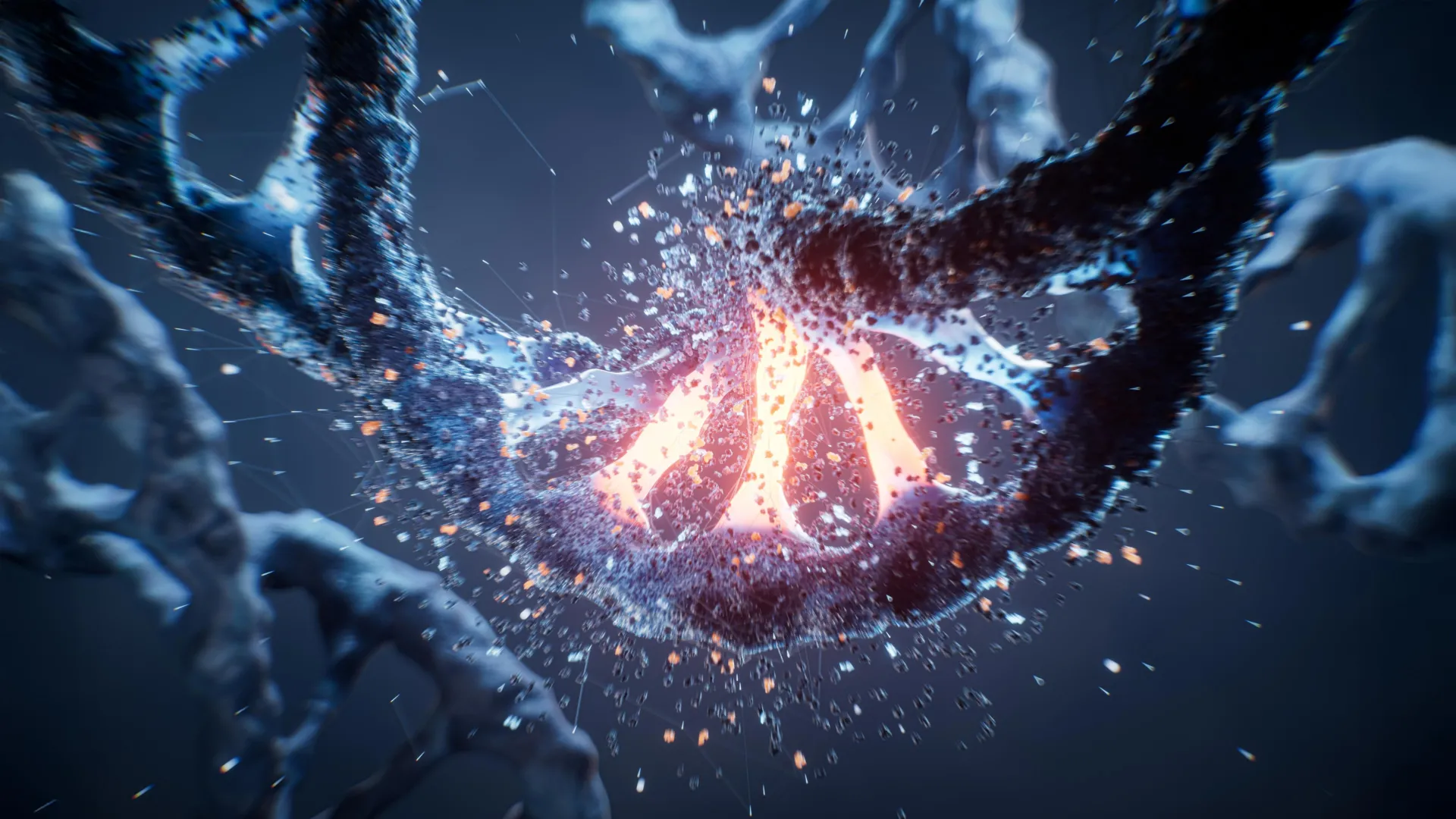
In a landmark discovery that challenges long-held assumptions about the stability of the human genome, researchers at Cornell University have identified a unique genetic element that defies conventional biological categorization. The element, known as BC200, serves a critical, specialized function in human brain cells while simultaneously retaining the ancient, volatile ability to "jump"—or relocate—within the genome.
This dual nature, described in a study published on September 24 in the journal Science, marks the first time scientists have observed a functional human gene that maintains the mobility typically associated with "junk" DNA or parasitic transposons. The discovery not only provides a rare window into the evolutionary "tinkering" that shapes our biology but also opens new lines of inquiry into the origins of neurodegenerative diseases and cancer.
The Chronology of a Scientific Breakthrough
The story of BC200 began long before its recent classification as a mobile-functional hybrid.
Late 1980s: The Initial Identification
BC200 was first identified in the late 1980s as a highly abundant non-coding RNA molecule found primarily in human neurons. At the time, it was recognized for its structural complexity, but its evolutionary origins remained a mystery. During this same era, researchers working with cultured moth cells provided the first clues that genetic elements could move between hosts, documenting a transposon jumping from a host cell into a baculovirus.
The Modern Investigation: A Viral Clue
The recent breakthrough occurred when the Cornell team, led by senior author Cedric Feschotte, identified the human BC200 element inside the molluscum contagiosum virus (MCV). Finding a human gene inside a virus is an exceptionally rare event. Because MCV exclusively infects human skin cells, the researchers concluded that the virus must have "captured" the BC200 element during an infection event. This rare genetic transfer served as the "smoking gun," confirming that BC200 was not merely a static instruction in the brain but a mobile entity capable of hitching a ride into a pathogen.
Defining the Hybrid: What is BC200?
To understand why this discovery is so disruptive, one must look at the nature of "jumping genes," or transposons.
The Nature of Transposons
Transposons are genetic sequences that possess the capability to relocate themselves within a genome. For decades, they were dismissed as "junk DNA"—biological clutter that served no purpose. However, modern science has revised this view. While transposons can be harmful—causing mutations by inserting themselves into the middle of vital genes—they are also engines of evolution. Over millions of years, the random shuffling of these elements has provided the raw material for regulatory networks and the development of new, beneficial genes.
The BC200 Anomaly
Approximately 50% of the human genome is composed of transposon-derived DNA. However, the vast majority of these remnants are "fossilized"; they have lost their ability to jump and now serve static roles.
"Genes that come from transposable elements and that are repurposed for cellular functions are typically no longer transposable," explains Cedric Feschotte. "BC200 was itself created from a mobile element but has retained its mobility and yet it is also clearly serving a cellular function. Somehow, evolution hasn’t been able to untangle these two things."
This "tangled" state is what makes BC200 scientifically unprecedented. It is a functional, highly regulated component of the human brain that has refused to "retire" from its ancestral life as a mobile parasite.
Supporting Data and Physiological Roles
The research team has gathered significant evidence regarding how BC200 operates within the human body. While its precise physiological mechanism is still being mapped, the data points to a crucial role in protein synthesis.
Regulation of Neuronal Translation
BC200 is a non-coding RNA that is highly expressed in neurons. Preliminary data suggests that it acts as a regulator for the translation of messenger RNA (mRNA) into proteins. By interacting with the cellular machinery that builds proteins, BC200 likely helps neurons manage the complex task of synaptic plasticity—the process by which the brain learns and adapts.
The Germ Cell Connection
Perhaps most intriguing is the presence of BC200 in germ cells (sperm and eggs). The fact that this element is active in cells that pass genetic information to the next generation means that BC200 possesses the potential for "germline insertion." If BC200 jumps into a new location in a germ cell, that mutation could be inherited by offspring, potentially fueling the ongoing evolution of the human species in real-time.
The Dark Side: Implications for Disease
The mobility of BC200 is not without its risks. Its presence in the human genome is a double-edged sword, and researchers are now pivoting toward the clinical implications of its instability.
Alzheimer’s and Neurodegeneration
One of the most concerning findings is that BC200 levels are found to be abnormally elevated in the brains of patients suffering from Alzheimer’s disease. While correlation does not equal causation, the presence of an active, jumping genetic element in a brain already struggling with neurodegeneration raises a critical question: Is the movement of BC200 contributing to the cellular dysfunction seen in dementia?
Cancer and Genomic Instability
The gene has also been linked to various forms of cancer, including breast cancer, where it is frequently expressed at abnormal levels. The research team is currently investigating whether BC200 is actively "jumping" within cancer cells. If it is, these movements could be inducing mutations, effectively accelerating the growth and mutation rates of tumors.
"We want to investigate whether the molluscum contagiosum virus uses BC200 to manipulate human host cells for its own benefit," says Feschotte. This suggests a potential "Trojan Horse" scenario where the virus exploits the gene’s inherent mobility to hijack cellular machinery.
Future Horizons: What Comes Next?
The discovery of BC200 serves as a humbling reminder of how much of the human genome remains terra incognita. The scientific community is now poised to embark on several new avenues of research:
- Mapping the "Jump": Using advanced sequencing technologies to catch BC200 in the act of relocating within living human cells.
- Viral Interaction Studies: Exploring the mechanism by which the molluscum contagiosum virus captures and utilizes host genetic material, potentially uncovering new antiviral therapeutic targets.
- Clinical Correlation: Determining whether controlling the expression or the mobility of BC200 could offer a novel therapeutic pathway for Alzheimer’s patients or cancer treatments.
The researchers at Cornell have essentially found a "living fossil"—a piece of our evolutionary past that is still very much alive and changing. BC200 demonstrates that the human genome is not a finished, static blueprint but a dynamic, ongoing conversation between ancient mobile elements and modern biological function.
As the study concludes, the challenge now lies in "untangling" these two facets of the gene. By doing so, scientists may not only solve the mystery of how a jumping gene survives in the brain but also unlock the secrets to some of the most persistent diseases affecting humanity today. The implications are profound: if we can understand the mechanics of the "jump," we may eventually gain the ability to curb the genetic instability that leads to the degradation of our most vital tissues.