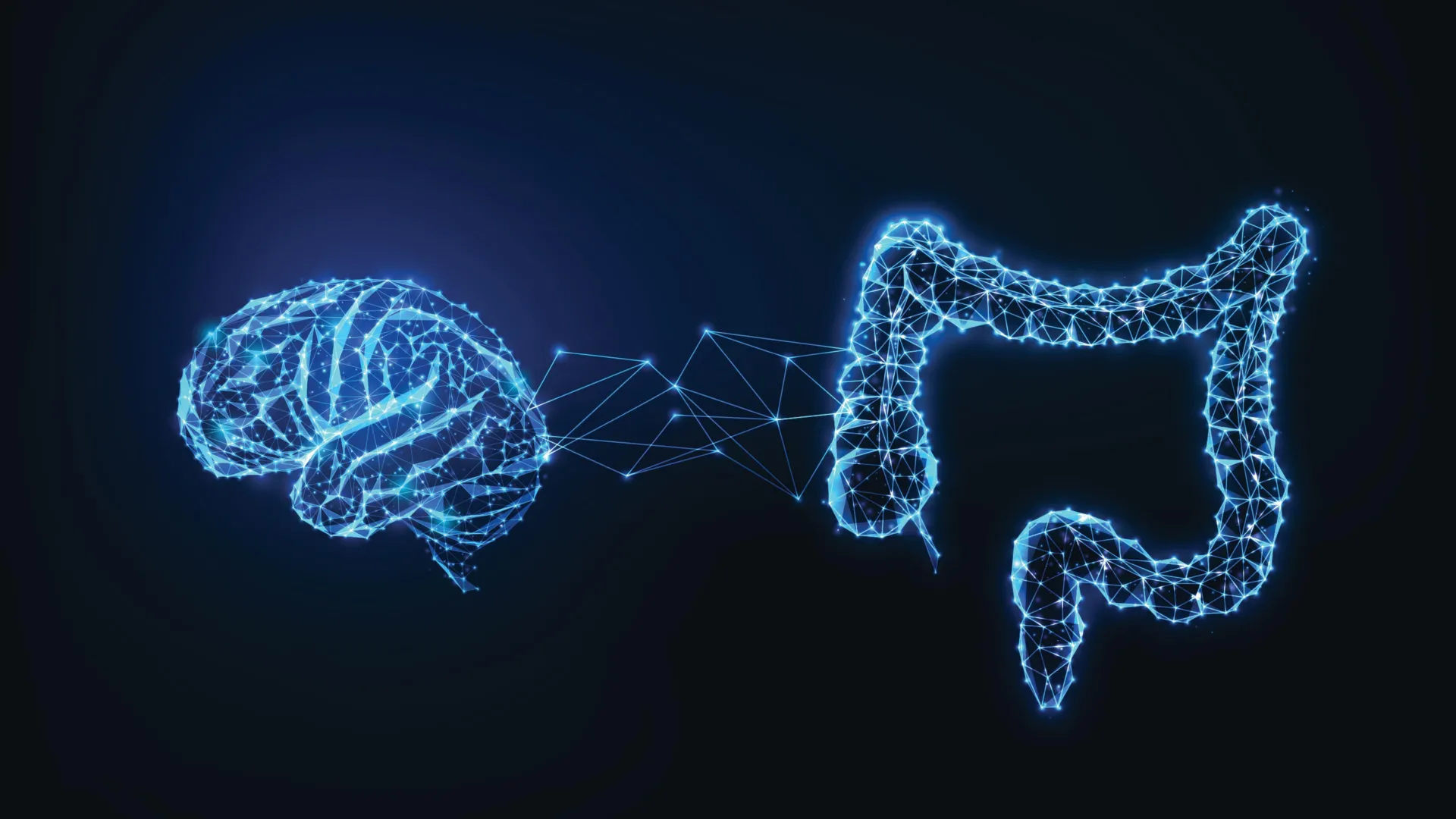
In the complex landscape of neurodegenerative disease research, the focus has historically remained strictly within the confines of the cranium. However, a groundbreaking study led by the University of Wisconsin-Madison is shifting the paradigm toward the digestive tract. Researchers have identified a specific molecule, produced by gut bacteria, that appears to accelerate cognitive decline and heighten the risk of Alzheimer’s disease. This discovery provides a potential roadmap for new therapeutic interventions, suggesting that the key to preserving memory might lie in the microbiome.
The Microbiome Connection: A Decade of Discovery
The journey to this discovery began nearly ten years ago when a team of researchers, spearheaded by University of Wisconsin-Madison professors Barbara Bendlin and Federico Rey, observed a striking correlation: the composition of gut microorganisms in patients with Alzheimer’s disease differed significantly from that of neurologically healthy individuals.
For years, the scientific community has grappled with the "gut-brain axis"—the bidirectional communication network between the central nervous system and the enteric nervous system. While the observation was clear, the mechanism remained elusive. "Since then, we’ve been trying to figure out how this difference in the gut perhaps leads to changes in the brain," explains Dr. Bendlin, a professor of medicine at the UW School of Medicine and Public Health.
The team’s recent publication in the journal Nature Communications marks a significant leap forward. By isolating a specific compound—imidazole propionate (ImP)—produced by gut bacteria during the metabolism of the amino acid histidine, the researchers have identified a biochemical culprit capable of traveling from the intestines to the brain, where it may trigger or exacerbate neurodegenerative processes.
Imidazole Propionate: A Molecule of Concern
Imidazole propionate is not merely a byproduct of digestion; it is a bioactive compound with systemic reach. Once synthesized by gut bacteria, ImP enters the bloodstream, circulating throughout the body. Previous studies have already established links between elevated levels of this molecule and chronic health issues such as type 2 diabetes and coronary artery disease. The current study, however, expands the threat profile of ImP to include the brain.
The Mechanism of Neurodegeneration
In experiments involving murine models, the research team observed that the presence of ImP in the brain was directly associated with the accumulation of abnormal beta-amyloid and tau proteins. These two proteins are the hallmark indicators of Alzheimer’s disease, responsible for the formation of plaques and tangles that disrupt neuronal communication and eventually lead to cell death.
"That process eventually results in the death of neurons, and in humans is a key feature of Alzheimer’s disease," says Dr. Rey, a professor of bacteriology at UW-Madison. The researchers noted that even when the bacteria responsible for producing ImP are not particularly abundant in the gut, their metabolic output is sufficient to influence the host’s neurological health. This underscores a vital principle in microbiome science: a microbe does not need to dominate the gut population to exert a profound impact on human physiology.
Supporting Data: The Wisconsin Registry for Alzheimer’s Prevention
To validate these laboratory findings, the researchers analyzed blood samples from nearly 1,200 participants enrolled in the Wisconsin Registry for Alzheimer’s Prevention and the Wisconsin Alzheimer’s Disease Research Center. This large-scale data set provided the statistical power necessary to bridge the gap between animal models and human outcomes.
The results were compelling. Participants with higher concentrations of ImP in their blood displayed biological markers consistent with impaired neuronal function and the presence of Alzheimer-related proteins. Furthermore, because these volunteers had undergone rigorous longitudinal cognitive testing, the team was able to map ImP concentrations against the actual trajectory of their cognitive health.
The correlation was stark: those with the highest levels of ImP in their blood experienced a significantly faster rate of cognitive decline compared to those with lower levels. This data suggests that ImP acts not just as a biomarker for the disease, but as an active participant in its progression.
The Genetic Component: A Predisposition to Higher Risk
The study also unveiled a crucial genetic factor that explains why some individuals are more susceptible to high ImP levels than others. The researchers identified a specific genetic variation—found in approximately 43% of the study participants—that is associated with substantially higher concentrations of ImP in the bloodstream.
Scientists hypothesize that this genetic variation affects the kidneys, potentially altering their efficiency in filtering ImP from the blood. When the kidneys fail to clear the molecule effectively, it remains in circulation longer, increasing the likelihood that it will reach the brain.
"This genetic variation has been associated with increased Alzheimer’s risk in large genetic studies before, and now we may understand why it’s connected," Dr. Rey notes. This insight offers a potential explanation for why certain genetic markers have been linked to Alzheimer’s in the past without a clear understanding of the biological mechanism at play.
Official Perspectives and Therapeutic Implications
The potential to treat Alzheimer’s by targeting a gut-derived molecule is an enticing prospect for medical science. However, the researchers are careful to emphasize that the solution is not as simple as altering one’s diet.
The Complexity of Histidine
ImP is produced when gut bacteria break down histidine, an essential amino acid found in a wide variety of protein-rich foods, including eggs, meat, and dairy. Histidine is vital for human health, playing a key role in the growth and repair of tissues and the maintenance of nerve sheaths.
"Generally improving your diet would probably help," says Dr. Bendlin. "But it’s not as easy as saying, ‘Stop eating eggs’ or ‘Don’t eat so much red meat.’ Because you need histidine, and it’s all over the place."
Toward a "Statin-like" Strategy
Instead of attempting to eliminate histidine, which would be nutritionally irresponsible, the researchers are looking toward pharmacological solutions. They envision the development of an inhibitor—a drug capable of reducing the production or absorption of ImP, or perhaps aiding the body in its excretion.
Dr. Bendlin draws a parallel to cholesterol management. "It could be just like cholesterol, where people with elevated cholesterol take a drug, a statin, that reduces their risk for heart disease. If we can find an inhibitor that can help decrease the levels of ImP in the blood, that could hopefully reduce the risk of Alzheimer’s and the speed of cognitive decline for a significant number of people."
Future Outlook: A New Frontier in Neurodegeneration
The implications of this research extend far beyond the identification of a single molecule. It reinforces the necessity of viewing Alzheimer’s disease as a systemic condition rather than a localized brain disorder. By integrating bacteriology, genetics, and neurology, this collaborative effort—which included contributions from the University of California, Los Angeles and the University of Gothenburg—highlights the power of interdisciplinary research.
As the population ages, the search for effective Alzheimer’s treatments has become one of the most pressing mandates in modern medicine. While current treatments primarily manage symptoms or offer marginal improvements, targeting the ImP pathway offers the hope of a preventative or disease-modifying strategy.
The next phase of research will likely involve identifying specific bacterial strains responsible for ImP production and testing therapeutic inhibitors in clinical trials. For now, the Wisconsin team’s findings provide a clear, evidence-based target, transforming a once-vague association between the gut and the brain into a concrete path toward potential medical breakthroughs.
This research was supported in part by grants from the Wisconsin Partnership Program and the National Institutes of Health (R01AG070973, R01AG083883, R01AG092220, R21AG089348, R01HL168493, R01DK143650 and U54HL170326) and the U.S. Department of Agriculture (WIS03073).