In a significant breakthrough for hepatology, a multi-institutional research team co-led by Cedars-Sinai Health Sciences University has uncovered a biological mechanism that could alter the trajectory of the world’s most common liver condition. The study, published in the prestigious journal Nature Metabolism, identifies a specific enzyme—UBE2N—as a critical guardian against the progression of metabolic dysfunction-associated steatotic liver disease (MASLD). By maintaining mitochondrial health and facilitating lipid metabolism, this enzyme appears to serve as a vital defense line, the loss of which signals a dangerous transition toward liver failure.
The Global Crisis of MASLD and MASH
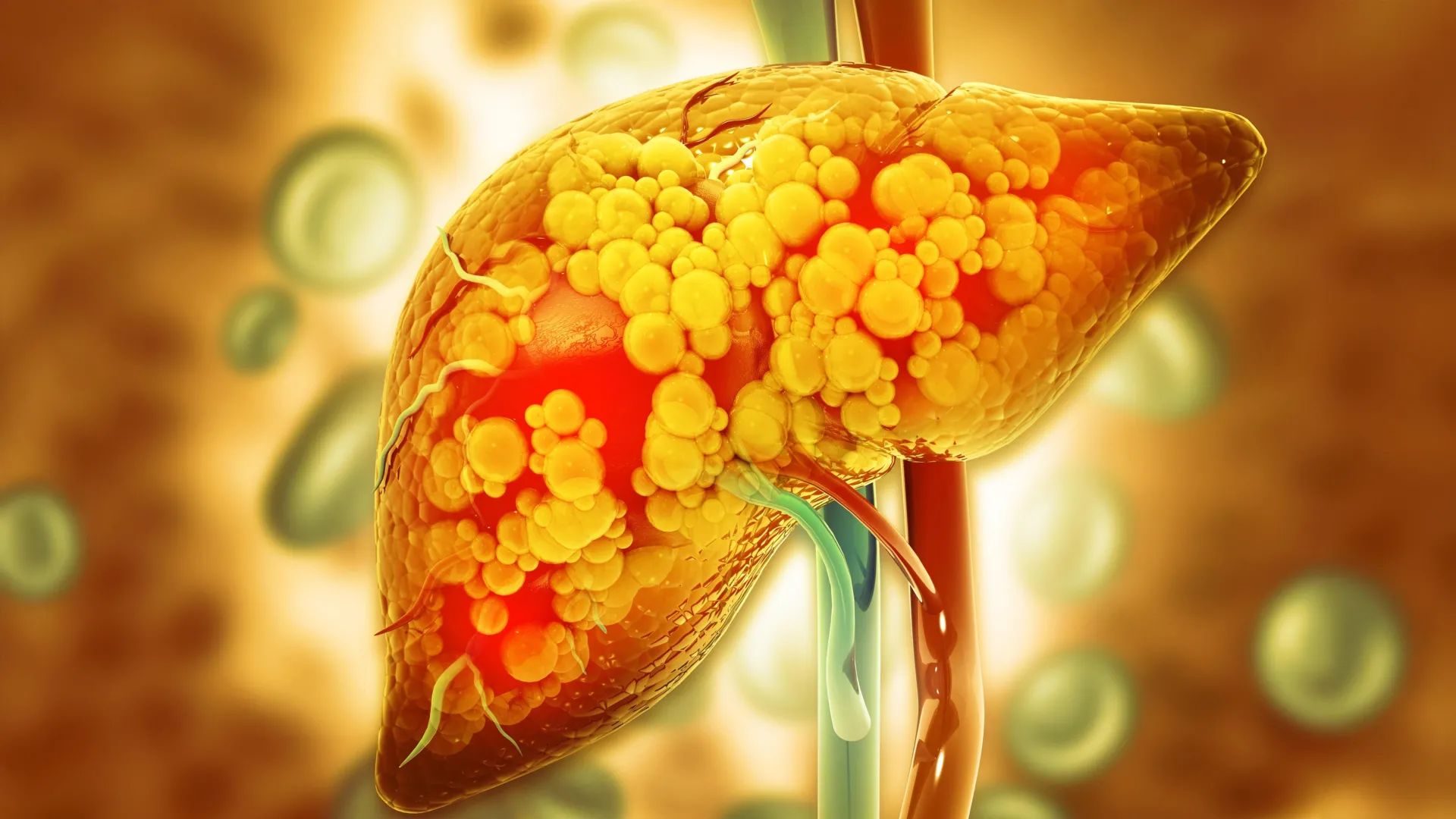
To understand the weight of this discovery, one must first grasp the sheer scale of the health crisis it addresses. According to the American Liver Foundation, an estimated 100 million Americans are living with MASLD, a condition characterized by the accumulation of excess fat in the liver that is not caused by alcohol consumption. While many individuals with MASLD remain asymptomatic, the condition is far from benign.
For approximately 20% to 25% of these patients, the disease undergoes a perilous transformation into metabolic dysfunction-associated steatohepatitis (MASH). Unlike simple fatty liver, MASH is a progressive, inflammatory state. It involves not only the presence of excess fat but also chronic inflammation, cellular injury, and the development of fibrosis—or scarring—within the liver tissue. Left unchecked, MASH can progress to cirrhosis, liver failure, and hepatocellular carcinoma, often necessitating liver transplantation.
The Limitations of Modern Hepatology
Despite the high prevalence of these conditions, the medical community remains hampered by a scarcity of therapeutic options. Current clinical guidelines for managing MASLD and MASH are heavily reliant on lifestyle interventions, such as dietary modification, weight loss, and regular physical activity, intended to mitigate further damage. While some pharmaceutical treatments have entered the clinical landscape, their efficacy is limited, and there is, at present, no definitive "cure" for MASH. The medical community has been in urgent need of a target that can intervene at the molecular level to halt the transition from fatty liver to irreversible damage.
The Chronology of Discovery: From Mitochondrial Decay to Molecular Target
The path to identifying UBE2N was rooted in long-standing questions regarding how liver cells process energy. For years, researchers have hypothesized that the "powerhouses" of the cell—the mitochondria—play a central role in the pathogenesis of MASH. When mitochondria become damaged or dysfunctional, they fail to produce energy efficiently and, worse, may release toxic byproducts that trigger inflammation and cell death.
Investigating the Cellular Breakdown
The research team, which included experts from various international institutions, sought to determine what regulatory mechanisms might be failing in the livers of patients with advanced MASH. Through a series of rigorous preclinical experiments, the team observed a distinct pattern: as the disease severity increased, the levels of the enzyme UBE2N within liver cells consistently declined.
This correlation suggested that UBE2N was not merely a bystander but a protective agent. Upon further analysis, the researchers determined that UBE2N is essential for "mitophagy"—the selective recycling of damaged or dysfunctional mitochondria. Without adequate levels of UBE2N, these damaged structures accumulate, leading to a cascade of oxidative stress and lipid buildup. The study confirmed that as UBE2N levels plummeted, the liver exhibited heightened signs of cellular injury, proving that the loss of this enzyme is a pivotal event in the progression of MASH.
Supporting Data: Restoring the Shield
The most compelling evidence from the study emerged during the intervention phase of the research. Having identified that UBE2N deficiency drives liver damage, the researchers sought to determine if restoring these levels could reverse or halt the progression of the disease in laboratory models.
When the team experimentally restored UBE2N to healthy, baseline levels in the livers of mice affected by MASH, the results were striking. The researchers observed:
- Significant reduction in lipid accumulation: The liver’s ability to metabolize and clear excess fat was markedly improved.
- Diminished inflammatory response: The cascade of cytokines and immune cells associated with MASH-induced scarring was significantly dampened.
- Reduced fibrosis: The structural integrity of the liver improved, with less evidence of the scarring that typically leads to permanent organ dysfunction.
These findings serve as a "proof of concept," suggesting that UBE2N is not just a marker of health but a viable therapeutic target. By bolstering this pathway, the researchers successfully shielded the liver from the physiological stressors that otherwise lead to organ failure.
Official Responses and Expert Perspectives
The leadership at Cedars-Sinai has highlighted the significance of these findings, noting that the research bridges a major gap in our understanding of liver pathophysiology.
"The UBE2N enzyme appears to protect the liver from the inflammation and damage associated with MASH by helping remove damaged mitochondria and supporting the breakdown of fat," said Ekihiro Seki, MD, PhD, professor of Medicine and Biomedical Sciences at Cedars-Sinai and co-corresponding author of the study. Dr. Seki’s team emphasized that the direct link between enzyme depletion and cellular injury provides a clear roadmap for future drug development.
Shelly Lu, MD, the Women’s Guild Chair in Gastroenterology and director of the Karsh Division of Gastroenterology and Hepatology at Cedars-Sinai, underscored the broader clinical implications. "The identification of this enzyme’s role in regulating mitochondria in the liver is an important advance in understanding steatotic liver disease," Dr. Lu stated. She expressed optimism about the translational potential of the work, noting, "Future studies can test whether enhancing this protective pathway can complement existing treatments, identify patients most likely to benefit, and lead to new therapeutic approaches for preventing advanced disease."
Future Implications: The Road to Clinical Translation
While the preclinical results are highly encouraging, the researchers acknowledge that the journey from the laboratory bench to the patient bedside is extensive. The next phase of research will likely focus on several critical objectives:
1. Developing Small-Molecule Therapeutics
The immediate goal for many in the field will be to develop small-molecule drugs that can mimic the activity of UBE2N or stimulate its production in human patients. Given the global prevalence of MASH, an oral medication that could stabilize mitochondrial health would represent a paradigm shift in hepatology.
2. Identifying Patient Biomarkers
A critical hurdle in treating MASH is the difficulty of early diagnosis, which often requires invasive liver biopsies. Future studies may look at whether UBE2N levels can be monitored through blood tests or advanced imaging, allowing clinicians to identify "at-risk" patients before they progress to advanced fibrosis.
3. Combining Approaches
As Dr. Lu noted, the future of MASH treatment may not be a single "silver bullet." Instead, the focus will be on whether UBE2N-targeting therapies can work synergistically with current interventions, such as GLP-1 agonists or other metabolic regulators, to provide a comprehensive management strategy.
A Global Effort
This study was a massive international collaboration, reflecting the global urgency to address the MASH epidemic. In addition to the team at Cedars-Sinai, the research involved a diverse group of scientists including Michitaka Matsuda, So Yeon Kim, Takashi Tsuchiya, and Yoon Seok Roh, alongside an extensive list of international partners.
The project was sustained by a robust funding network, including the National Research Foundation of Korea, the American Association for the Study of Liver Diseases (AASLD), the National Institutes of Health (NIH), and the National Natural Science Foundation of China. This level of cross-border institutional and financial support highlights the global consensus: the scientific community is committed to solving the enigma of liver disease.
Conclusion
The identification of UBE2N as a guardian of mitochondrial health provides a rare glimmer of clarity in the complex landscape of metabolic liver disease. By shifting the focus from simply managing the symptoms of MASH to correcting the underlying cellular failures that drive it, the researchers have opened a new door for potential therapeutic intervention. While there is much work to be done in clinical trials, the discovery offers a tangible hope for the millions of people who struggle with the silent, progressive toll of steatotic liver disease. As researchers move toward the next stage of development, the medical community remains hopeful that this cellular shield will eventually become a foundational element of clinical care.