The automotive world is often a game of give and take, and for the 2027 model year, Honda has opted to give American enthusiasts a more polished, track-ready version of its iconic hot hatch while simultaneously closing the chapter on the Civic Type R in the European market. As the FL5 generation enters its mid-cycle refresh, the updates represent a calculated evolution—sharpening the blade without losing the visceral, analog soul that has defined the Type R badge for decades.
Main Facts: The 2027 Evolution
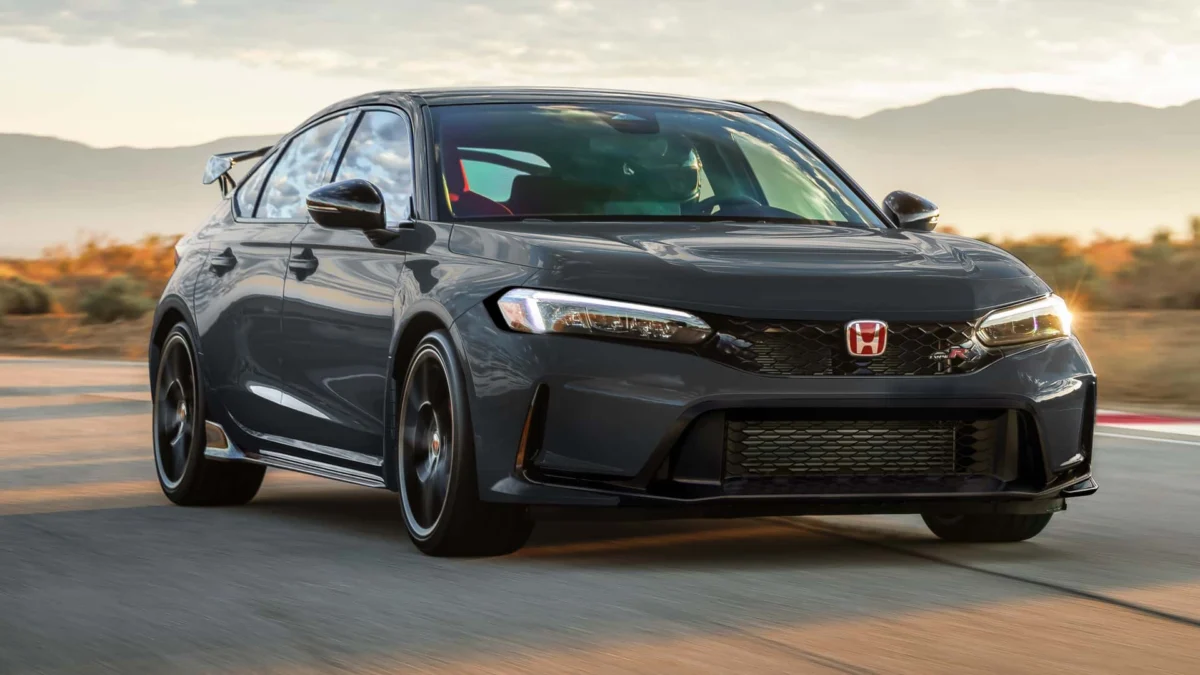
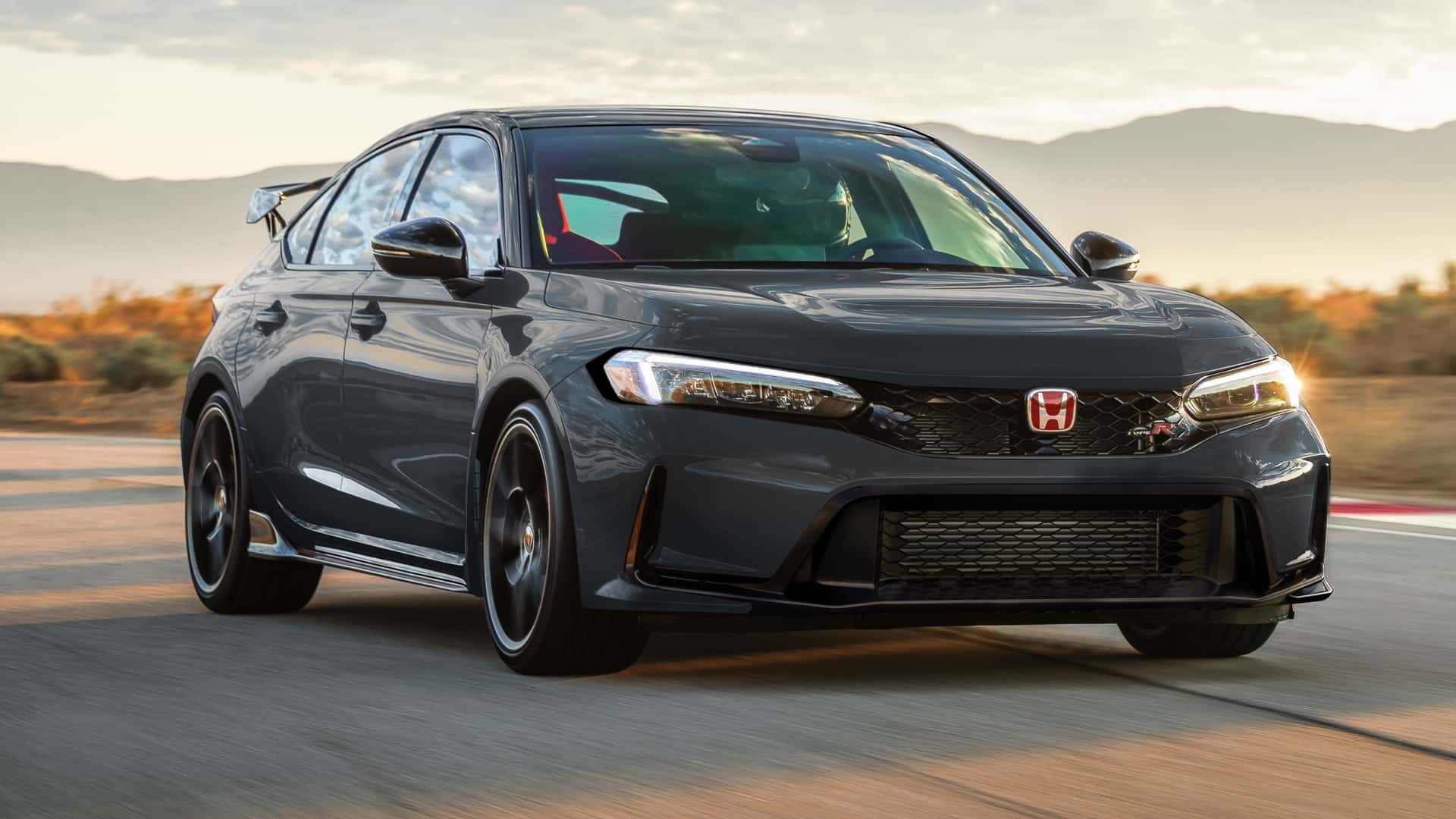
The 2027 Honda Civic Type R (CTR) arrives in U.S. showrooms this month, boasting a series of subtle but impactful enhancements. At the heart of these changes is a redesigned front fascia, which serves a dual purpose: aesthetic modernization and functional engineering. The larger grille opening, paired with a more aggressive, deeper front splitter, is designed specifically to mitigate air turbulence and increase airflow velocity. This ensures that the high-strung 2.0-liter turbocharged four-cylinder engine maintains optimal operating temperatures under the duress of spirited driving.
Beyond cooling, the aero-kit serves as a testament to Honda’s commitment to downforce. The new splitter configuration ensures that the vehicle remains planted during high-speed cornering, building upon an aerodynamic package that was already among the best in the segment. Complementing these exterior tweaks is a refined suspension system. Honda’s engineers have reworked the damping characteristics in "+R" mode, specifically targeting a reduction in impact harshness and "bouncing," resulting in superior road-following performance and increased stability during heavy cornering loads.
Chronology of the FL5 Generation
The story of the FL5 Civic Type R has been one of consistent acclaim since its debut. Introduced to replace the radical FK8, the current generation brought a more mature design language while maintaining the raw performance pedigree expected of the badge.
- 2023: Launch of the FL5 Civic Type R, setting new benchmarks for front-wheel-drive handling.
- 2024-2025: Honda solidifies the CTR’s position as the gold standard for hot hatches, earning numerous "Car of the Year" accolades globally.
- Early 2026: Reports emerge regarding stricter emissions regulations in the European Union, signaling potential trouble for high-output combustion engines.
- Late 2026: Honda officially confirms the discontinuation of the Type R in Europe to align with the company’s broader electrification and emissions strategy.
- Early 2027: The U.S. market receives the refreshed 2027 model, featuring cabin refinements, improved driver-assist technology, and mechanical fine-tuning.
Supporting Data: Mechanical and Aesthetic Upgrades
While the exterior changes are immediately visible, the most significant improvements for the 2027 model year lie in the details that a driver will feel through the pedals and the steering wheel.
The Driver-Centric Cockpit
Honda has recognized that a car’s character is defined by the interface between the human and the machine. The brake pedal has received a critical update: the addition of a yoke spring. This modification reduces linkage play, providing a more direct, linear, and confidence-inspiring pedal feel. Furthermore, the electronic rev-matching system has been recalibrated to deliver faster, more aggressive responses during downshifts—a critical feature for those who track the vehicle and want to maintain the perfect rhythm through a complex series of corners.
Inside the cabin, the 2027 model pushes the Civic Type R further upmarket. Standard heated front seats are a welcome addition for daily usability. The interior aesthetic has been elevated with the liberal use of Ultrasuede on the upper dashboard and front door panels, paired with a sophisticated diamond-pattern dashboard trim. The tactile experience is further enhanced by darker finishes on the aluminum shift knob, console trim, and door handles. Climate control knobs have transitioned to a sleek, uniform black finish.
For the digital-native driver, the center console now houses two USB-C ports located above the wireless charging pad. Perhaps most significantly, the infotainment system now features built-in Google functionality, including seamless integration of Google Maps and Google Play, ensuring that the car feels as modern on the inside as it performs on the road.
Official Responses and Strategic Shifts
Honda’s decision to bifurcate the availability of the Type R—investing heavily in the U.S. market while pulling the plug in Europe—is a direct reflection of the global regulatory environment.
Regarding the European departure, Honda stated that its product lineup had to "evolve" to meet increasingly stringent emissions legislation. It is a profound irony of the current automotive landscape: the same car that is being improved in the United States is being forced into retirement in Europe because it cannot navigate the regulatory maze of the Old Continent.
"The Type R is a performance icon," a spokesperson noted, "but we must balance our passion for internal combustion performance with our commitment to environmental responsibility in every specific market." This sentiment mirrors the struggles of other performance icons; the Toyota GR86, the Subaru BRZ, and the 2.0-liter Mazda MX-5 Miata have all faced similar fates or compromises in the European market due to the same legislative pressures.
Implications for the Future of Performance
The implications of this split strategy are two-fold. First, for American consumers, the 2027 Civic Type R remains a beacon of hope for the "pure" driving experience. At a starting price of $49,990—an increase of $1,300 over the 2026 model—the car offers a robust package of standard equipment that justifies the premium. It remains a manual-only, driver-focused machine in a world that is rapidly shifting toward automated, electrified transport.
Second, the future of the Type R brand is not merely stagnant; it is evolving toward the extreme. Honda has teased an "HRC" (Honda Racing Corporation) concept, which is widely expected to enter production as the ultimate iteration of the FL5 generation. This hardcore edition will likely feature an even more aggressive aesthetic and a suite of track-focused mechanical upgrades.
Furthermore, Honda’s continued development of the 2027 model suggests that the internal combustion hot hatch has at least a few more years of shelf life in the North American market. Volkswagen has made a similar pledge, committing to keeping its high-performance Golf variants alive as long as demand and regulations permit.
Conclusion: A Tale of Two Markets
The 2027 Honda Civic Type R is a masterclass in mid-cycle refinement. By focusing on the "analog" feel of the brakes, the tactile quality of the interior, and the aerodynamic efficiency of the front end, Honda has successfully elevated the CTR from a great car to a near-perfect one.
For European enthusiasts, the departure of the Type R is a somber milestone, marking the end of an era where high-performance, manual-transmission hatchbacks were a common sight on the road. However, for those in the United States, the 2027 update proves that Honda is not yet ready to abandon the combustion-powered performance enthusiast. With the promise of the HRC version on the horizon, the FL5 generation is poised to go down in history as one of the most capable and well-rounded hot hatches ever produced.
As we look toward the remainder of the decade, the Civic Type R stands as a defiant holdout—a machine built for the joy of driving, even as the world around it moves toward a quieter, more automated future. For now, at least, the gears are still shifting, the revs are still climbing, and the front-wheel-drive performance crown remains firmly on Honda’s head.