In an era where "unicorn" startups and artificial intelligence pioneers dominate the financial zeitgeist, the allure of securing a piece of the next tech giant has never been more potent. However, as the Securities and Exchange Commission (SEC) recently revealed, this hunger for exclusive access has created a fertile breeding ground for sophisticated predatory schemes.
On Wednesday, the SEC "dropped the hammer" on a group of private fund advisers who allegedly orchestrated multimillion-dollar frauds. By dangling the promise of pre-IPO shares in high-flying companies like OpenAI, SpaceX, and xAI, these advisers are accused of siphoning millions from retail investors—including vulnerable Navy veterans—to fund lavish lifestyles, exotic car investments, and even late-night excursions to adult entertainment venues.
Main Facts: A Tale of Two Deceptions
The SEC’s crackdown centers on two distinct but equally egregious cases involving the misappropriation of investor funds under the guise of "exclusive" venture capital access.
The Meyer Global Management Case
In the first case, filed in a Manhattan federal court, the SEC sued 35-year-old Owen Meyer and his firm, Meyer Global Management. Meyer is alleged to have raised at least $18.5 million from nearly 100 investors. While the pitch was centered on acquiring stakes in Elon Musk’s SpaceX and Sam Altman’s OpenAI, the reality was far more personal. The SEC claims Meyer misappropriated at least $1.27 million for his own use, including a $18,000 "personal entertainment" spree at a strip club and tens of thousands of dollars in home landscaping and luxury shopping.
The Beyond Alpha Ventures Case
The second case involves Christopher Dinelli, 34, a former naval officer, and Jacob Frankel, 32. Operating through their firm, Beyond Alpha Ventures, the duo allegedly defrauded 35 investors of more than $8.7 million. Their marketing materials boasted of holdings in SpaceX, xAI, the crypto exchange Kraken, and the AI software firm SandboxAQ. According to the SEC, these claims were entirely fabricated. Instead of securing high-value tech stakes, the defendants allegedly funneled the capital into high-risk options trading, losing millions in the process, while pocketing significant sums for personal expenses.
Importantly, the SEC has clarified that none of the actual companies—OpenAI, SpaceX, xAI, or Kraken—nor their executives, were involved in any wrongdoing. They were merely the "bait" used by the defendants to lure in unsuspecting "mom-and-pop" investors.
Chronology of the Alleged Misconduct
The timeline of these schemes reflects a calculated effort to capitalize on specific market milestones and the rising valuations of the artificial intelligence sector.
2021–2023: The Foundation of Meyer’s Deceit
As early as 2021, Owen Meyer began soliciting funds for SpaceX assets. He informed investors that a large purchase had closed, despite the third-party fund holding the shares refusing to approve the transfer. By April 2023, the misappropriation reached a fever pitch. On one specific night in April, Meyer’s financial maneuvers took a surreal turn.
At 4:41 a.m., after his debit card was twice declined at a strip club, Meyer allegedly transferred $10,000 from an investor-funded account to his business account. Minutes later, the club payments were cleared. To further obfuscate the nature of the spending, Meyer allegedly transferred another $10,000 directly to the club’s manager, labeling the transactions as "movie tickets," "theatre performance," and "opera."
2024: The OpenAI "Phantom" Fund
In March 2024, a deal for Meyer to acquire OpenAI assets reportedly fell through. Despite knowing the deal was dead, Meyer continued to accept capital. In April 2024, six investors wired nearly $1.1 million to the fund. They were not informed for six months that the investment did not exist. During this period, Meyer allegedly paid himself $168,000 in unauthorized fees, some of which funded landscaping at his New York residence.
2025–2026: The Beyond Alpha Collapse and the SpaceX IPO
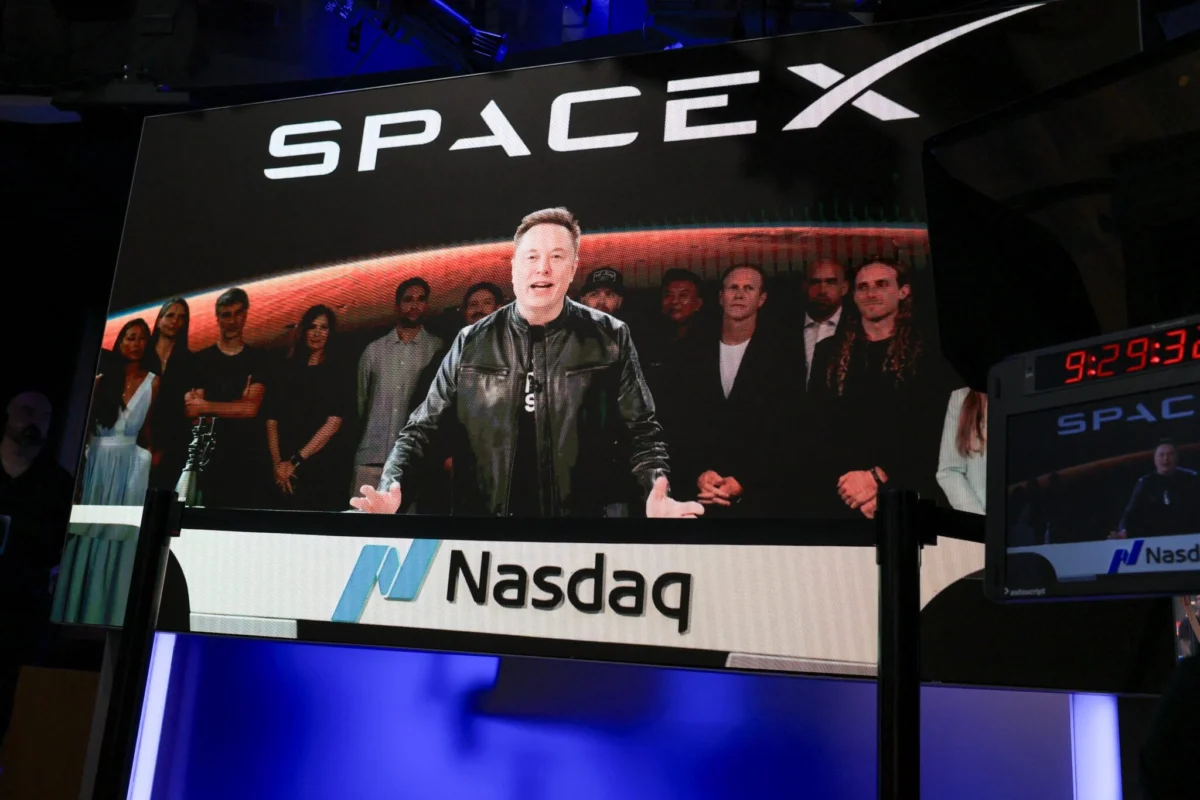
By 2025, the Beyond Alpha Ventures scheme was unravelling. Despite claiming a "153% net return," the firm’s trading fund lost money in 13 out of 14 months. In June 2025, as SpaceX reportedly moved toward its blockbuster $1.8 trillion IPO (as referenced in the SEC filings), Meyer sent a "dream-like" email to his investors, urging them to "stay tuned" for distributions from a fund that held zero shares.
In early 2026, the legal walls closed in. Jacob Frankel was convicted in March 2026 of grand larceny and identity theft in an unrelated matter—a fact he allegedly hid from the SEC in required disclosures.
Supporting Data: The Financial Toll of the Fraud
The scale of the alleged financial mismanagement is documented through bank records, failed capital calls, and fabricated account statements.
Meyer Global Management’s Ledger of Misuse:
- Total Raised: $18.5 million.
- Direct Misappropriation: $1.27 million.
- Luxury Spending: Thousands spent at Bloomingdale’s and Amazon; $100,000 for an investment in an exotic-car company.
- The OpenAI Residual: Out of $1.1 million raised for OpenAI, only $15,600 remains in the fund.
- The $46,000 Oversight: One fund forfeited its entire SpaceX stake simply because Meyer failed to pay a $46,000 capital call or respond to a subsequent lawsuit.
Beyond Alpha Ventures’ Trading Losses:
- Total Defrauded: $8.7 million from 35 investors.
- Trading Losses: $2.8 million lost in margin trading; $1.9 million lost on a single options trade.
- The "Veteran" Scam: One Navy veteran couple was hand-delivered a statement claiming their $750,000 investment had skyrocketed to $4.1 million. In reality, much of that capital had been diverted to a documentary film ($250,000) or Frankel’s personal criminal defense lawyer.
Official Responses and Legal Proceedings
The reaction from the accused has ranged from silence to outright deflection.
Owen Meyer: When questioned by SEC staff regarding the $10,000 transfer from the Playstar fund account (the "opera" payment), Meyer invoked his Fifth Amendment right against self-incrimination. He has not responded to further requests for comment. The SEC is currently seeking a permanent industry bar, disgorgement of ill-gotten gains, and significant financial penalties.
Jacob Frankel: In a telephone interview, Frankel remained defiant. He characterized the SEC’s allegations as "completely false," asserting that the "truth will come out in court." Frankel attempted to shift the blame entirely onto his former partner, Christopher Dinelli, claiming he had terminated Dinelli two years prior—though SEC records list Dinelli as chairman through July 2025.
The Department of Justice: Beyond the SEC’s civil charges, federal prosecutors have brought criminal charges against Dinelli and Frankel. They face counts of securities fraud, wire fraud, and conspiracy. Frankel faces additional counts of investment adviser fraud for concealing his prior criminal record.
Implications: The Dangers of the Pre-IPO "Boiler Room"
These cases highlight a burgeoning and dangerous trend in the private equity markets. As companies stay private longer, the demand for secondary market shares has exploded. This "FOMO" (fear of missing out) is being weaponized by modern-day "boiler rooms."
1. The Weaponization of Elite Branding
The use of names like SpaceX and OpenAI is a deliberate tactic to bypass an investor’s natural skepticism. The perceived stability and astronomical growth of these companies provide a "halo effect" that fraudulent advisers use to justify hidden fees and lack of transparency.
2. Targeting Vulnerable Demographics
The Beyond Alpha case is particularly notable for its targeting of the veteran community. By leveraging his status as a former naval officer, Dinelli was able to build a rapport with fellow veterans and medical staff at a VA clinic. This "affinity fraud" is a recurring theme in SEC enforcement, where shared backgrounds are used to dismantle professional boundaries.
3. Regulatory Gaps in Private Funds
The SEC’s recent flurry of charges—involving other firms like Anduril, Anthropic, and Perplexity—suggests that the private fund sector is under intense scrutiny. The lack of public disclosure requirements for private companies makes it easier for advisers to fabricate "account statements" that show massive gains where there are only losses.
4. The "Interest-Free Loan" Defense
The SEC’s characterization of Meyer’s use of the Playstar fund as an "undisclosed interest-free loan" serves as a warning to all fund managers. Even if investors eventually receive their principal back, the temporary diversion of those funds for personal use (like the strip club incident) constitutes a severe breach of fiduciary duty and a violation of federal securities laws.
Conclusion
The SEC’s dual enforcement actions serve as a stark reminder that in the high-stakes world of pre-IPO investing, the "exclusive" nature of the opportunity is often the very thing that hides the fraud. For investors, the lesson is clear: no matter how high the valuation of the target company, the integrity of the intermediary is what determines the safety of the capital. As the SEC continues to "drop the hammer" on these operations, the ghost of the "boiler room" remains a persistent threat to the retirement accounts of everyday Americans.