For the modern professional, the intersection of career and travel has long been a source of friction. The romanticized image of the "digital nomad"—a person typing on a laptop with a pristine beach in the background—often masks the grueling reality of the lifestyle: the hunt for reliable Wi-Fi, the ergonomic nightmare of hostel furniture, and the creeping isolation that comes from working in a foreign city without a professional support network.
As the post-pandemic era cements remote work as a permanent fixture of the global economy, a new industry has emerged to address these logistical pain points. Coliving spaces, which blend the functional infrastructure of a corporate office with the communal spirit of a boutique hotel, are moving from niche experiments to the gold standard for location-independent workers. Among these, Outsite has emerged as a leader, transforming the way professionals approach long-term travel.
Main Facts: The Rise of the "Work-from-Anywhere" Ecosystem
The fundamental challenge for the digital nomad is the "triple threat" of remote life: workspace productivity, reliable connectivity, and social integration. Historically, travelers have relied on a patchwork of solutions: Airbnb rentals (which lack community), hostels (which lack focus and privacy), and public coffee shops (which lack stability).
Outsite was founded in 2015 with a singular vision: to bridge this gap. By offering a global network of curated residences, the platform caters specifically to entrepreneurs, freelancers, and remote employees. Today, the network comprises over 50 locations worldwide, hosting a community of more than 5,000 members. These properties are not merely places to sleep; they are integrated ecosystems designed for sustained professional output.
Chronology: From Santa Cruz to the Global Stage
The trajectory of Outsite mirrors the broader explosion of the remote work movement:
- 2015: Outsite launches its flagship location in Santa Cruz, California. The initial premise was modest: a surf-and-work retreat for active professionals.
- 2017–2019: Recognizing that the need for stable remote infrastructure was not limited to California surfers, the company began scaling, establishing properties in urban centers and tech hubs.
- 2020–2021: The pandemic acted as a massive accelerant. As companies adopted permanent "work-from-anywhere" policies, the demand for long-term, professional-grade accommodation surged.
- 2022–Present: Outsite expanded its footprint significantly, moving into major European markets like Bordeaux, Lisbon, and beyond, while refining its membership model to offer tiered benefits, including flash sales and extended-stay discounts.
Supporting Data: The Economics of the Coliving Model
Critics often point to the sticker price of a coliving space as a barrier, suggesting it is more expensive than traditional budget travel. However, a granular analysis of the costs reveals a different picture.
When a remote worker rents an Airbnb, they must account for the nightly rate plus the cost of a monthly subscription to a dedicated coworking space. In major cities, a reliable coworking desk can cost anywhere from $200 to $500 per month. By contrast, Outsite integrates these costs into a single, cohesive bill.
Membership Benefits Breakdown:
- Membership Tiers: A $199 annual fee or a $499 lifetime membership grants access to member-only rates, which often represent a 20–40% discount on standard nightly pricing.
- Operational Efficiencies: Daily cleaning, high-speed enterprise-grade Wi-Fi, ergonomic workstations, and communal kitchen management remove the "hidden" costs of time and stress that travelers usually incur.
- Market Positioning: While not designed for the $15-a-night backpacker demographic, Outsite occupies a mid-to-high-tier market segment that prioritizes productivity and professional networking over absolute rock-bottom pricing.
Professional Experience: A Case Study in Bordeaux
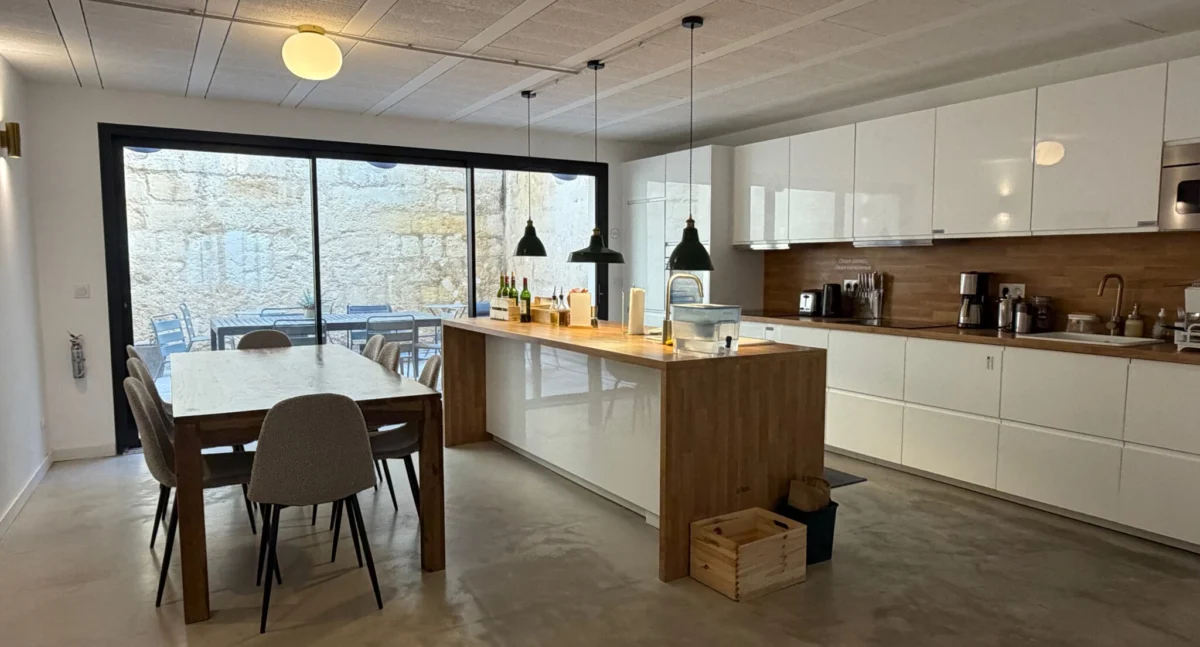
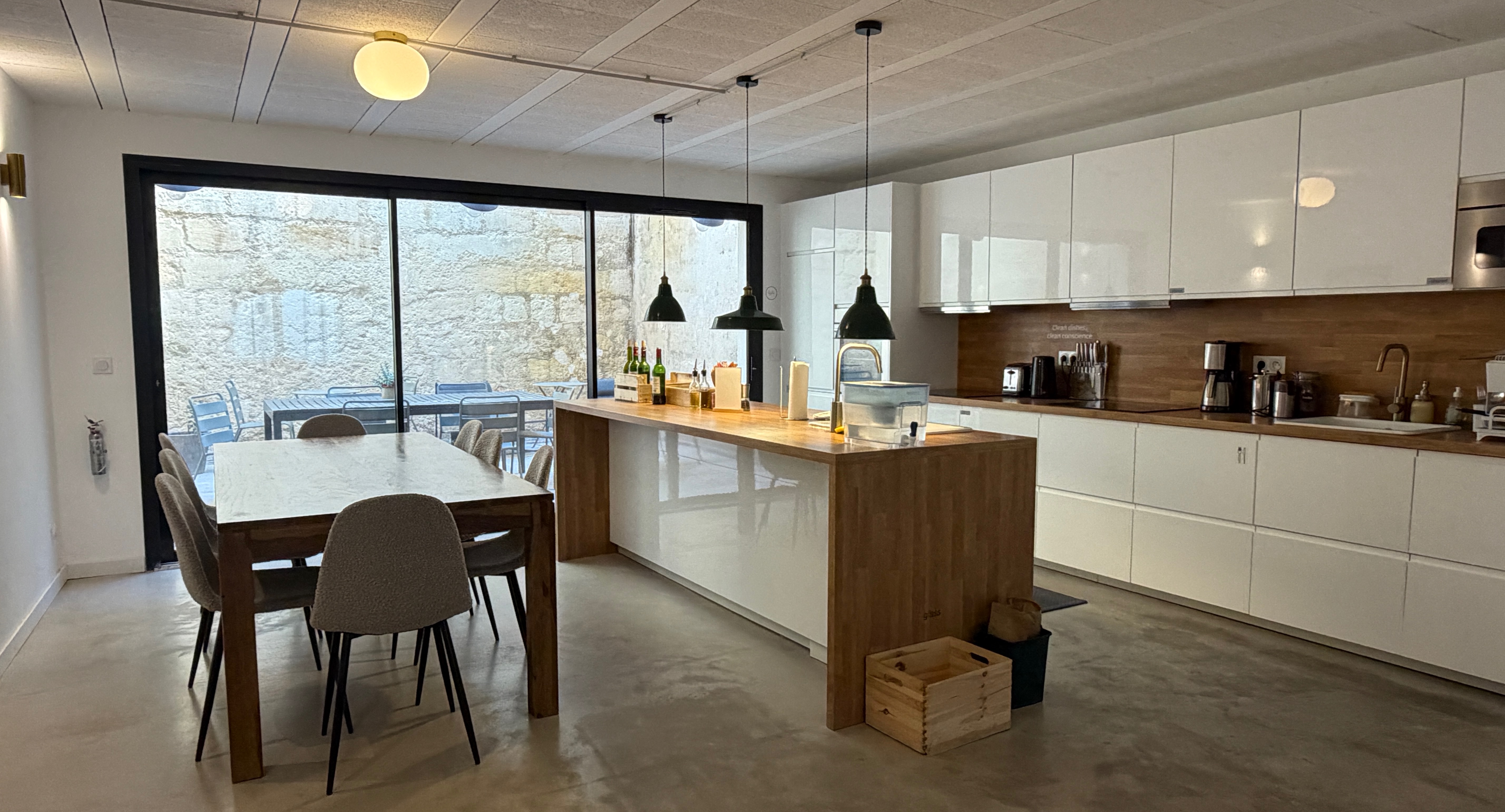
During a recent stay at the Outsite location in Bordeaux, the benefits of this model became immediately apparent. The facility provided an environment that facilitated "deep work"—a state of focus often impossible to achieve in a bustling café or a cramped hostel.
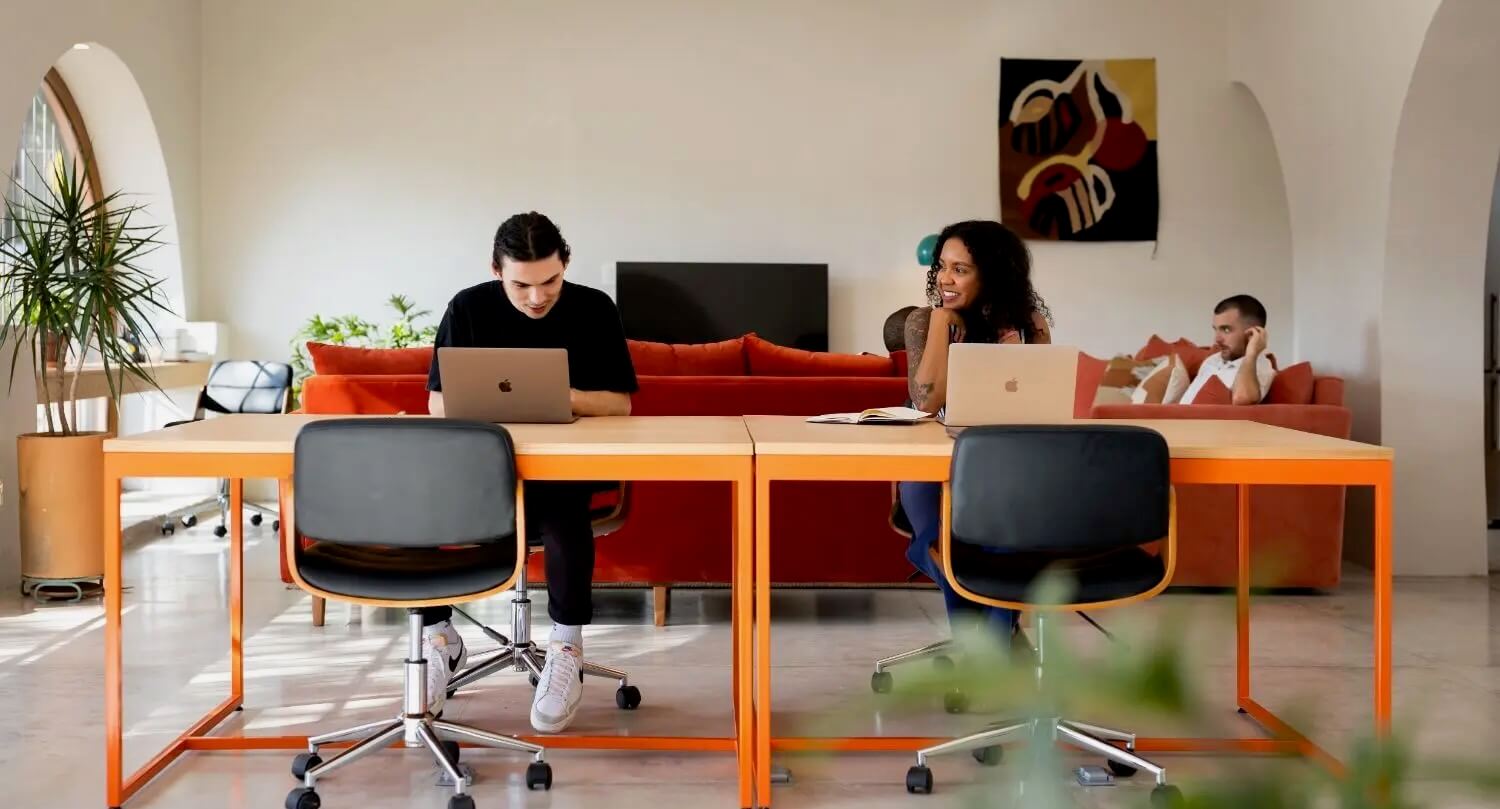
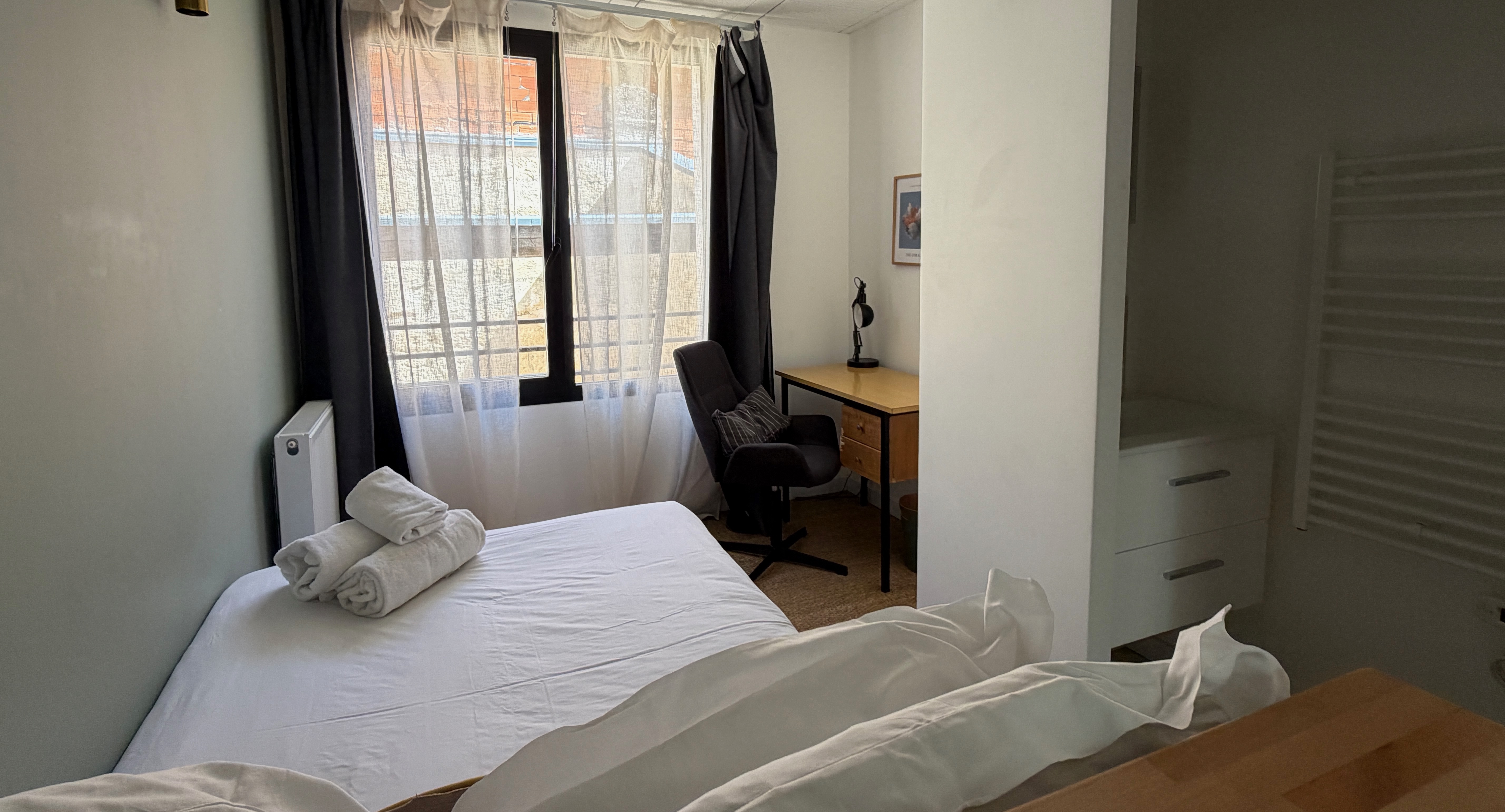
The infrastructure was professional-grade: height-adjustable desks, multiple monitors, and consistent, high-speed internet. Beyond the hardware, the "soft" infrastructure—the Community Manager—played a pivotal role. In a world where loneliness is the primary complaint among solo travelers, the curated social schedule, ranging from group dinners to local excursions, provided a structured way to integrate into the city without the exhaustion of forced social interaction.
Official Perspectives and Operational Standards
The core philosophy of Outsite rests on the "third space" concept: an environment that is neither the office nor the home, but a hybrid that supports both.
According to internal operational standards, every location must meet specific criteria:
- Ergonomics: Every room or dedicated workspace must feature furniture suitable for 8-hour workdays.
- Connectivity: Redundant, high-speed Wi-Fi is mandatory.
- Community Curation: Each house must have a dedicated staff member responsible for fostering the social ecosystem, acting as a concierge, and managing the local WhatsApp community.
This focus on the "human" element of remote work is what differentiates the platform from a standard hotel chain. By vetting guests and organizing events, Outsite ensures that the living environment remains conducive to both professional output and social growth.
Implications: The Future of Distributed Work
The success of the coliving model has profound implications for the future of work and real estate. We are seeing a shift where the "office" is no longer a fixed building in a specific zip code, but a fluid, global network of high-quality spaces.
1. The Death of the "Work-from-Home" Stagnation
As the novelty of working from a spare bedroom wears off, professionals are seeking environments that provide psychological separation between "life" and "work." Coliving spaces offer this by providing a professional workspace that you can leave at the end of the day.
2. The Rise of "Professional Nomadism"
The demographic shift is clear. The average Outsite guest is a working professional in their 30s or 40s. These are not gap-year students; they are architects, software engineers, designers, and consultants who have successfully negotiated long-term remote arrangements with their employers.
3. The Reconfiguration of Urban Planning
Cities that embrace the nomadic movement—by easing housing regulations and providing high-speed infrastructure—stand to benefit from an influx of high-earning, mobile professionals. The "Bordeaux model" of integrating work, culture, and community is a blueprint for cities looking to remain relevant in a decentralized economy.
Challenges and Considerations
While the model is robust, it is not without limitations. Prospective users should consider the following:
- Advance Planning: The most desirable locations in cities like Lisbon or destinations like Costa Rica often book out months in advance. The spontaneity of a "traveler" is limited by the popularity of the platform.
- Pet Policies: Due to the shared nature of the kitchens and workspaces, most locations remain strictly pet-free, which may alienate certain segments of the nomadic community.
- Age and Vibe: Those seeking a party atmosphere or the chaotic energy of a youth hostel will find Outsite’s professional, quiet-focused environment unsuited to their needs.
Conclusion
The digital nomad lifestyle is maturing. It is no longer just about the freedom to roam; it is about the ability to sustain a high-level career while experiencing the world. Platforms like Outsite represent the infrastructure necessary to make this lifestyle viable in the long term.
By prioritizing the professional, social, and logistical needs of the remote workforce, these coliving spaces are doing more than just providing a bed and a desk. They are building the community hubs of the 21st century. For those ready to leave behind the struggle of the "coffee shop crawl," the evolution of the workplace has finally arrived. Whether you are a solo entrepreneur looking for collaborators or a remote employee seeking a change of scenery, the future of work is not just remote—it is communal.