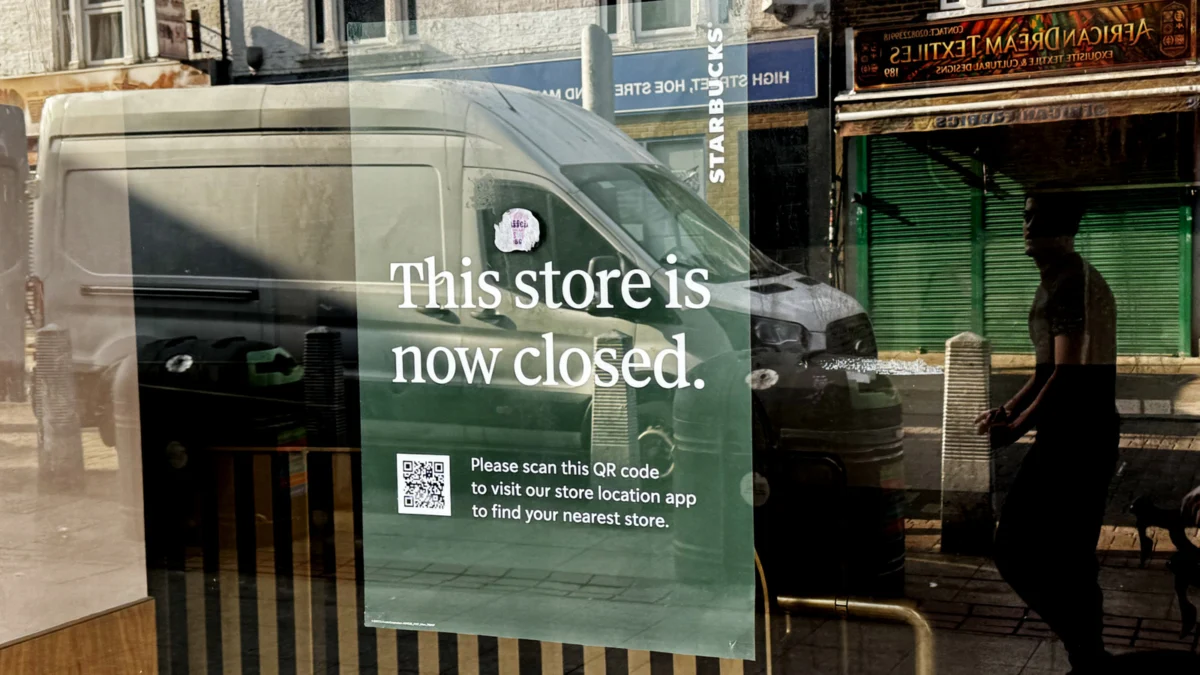
In a move that has sent ripples through the commercial landscape and the daily routines of countless commuters, Starbucks has officially confirmed the closure of 250 locations across North America. The decision, unveiled in a late-September press release, serves as a stark reminder that even the world’s most ubiquitous coffee brand is not immune to the shifting tides of the retail economy. While the company frames these closures as a strategic "uplift," the reality for local communities and employees is a significant reduction in the availability of the chain’s signature coffeehouse experience.
The Core Facts: A Strategic Pivot
On September 24, Starbucks issued a press release headlined by the ambitious goal of "creating coffeehouses customers love and partners are proud of." The communication emphasized the brand’s "Back to Starbucks" strategy, an initiative aimed at refreshing the in-store experience and streamlining operational efficiency. However, buried within the corporate optimism was the sobering statistic that 250 locations would cease operations by the end of that same week.
These closures are not merely random; they are a calculated thinning of the herd. By shuttering underperforming stores or locations with overlapping service areas, Starbucks is attempting to consolidate its footprint to focus on high-traffic, high-profit hubs. For the consumer, this means the familiar green mermaid sign will be disappearing from 250 street corners and retail plazas, forcing a realignment of local coffee habits.
Chronology of the Announcement
The timeline of these events suggests a company moving with urgency to correct its course before the end of the fiscal year:
- Mid-September: Internal rumors and preliminary reports began to circulate regarding a major restructuring plan, including potential store closures and workforce reductions.
- September 24: Starbucks issued its official statement, framing the closures as part of a broader "Back to Starbucks" strategy. This strategy includes a plan to "uplift" 1,500 existing coffeehouses, implying that the closures are intended to allow for a greater concentration of capital and labor in the remaining stores.
- September 25: The implementation of the closures began in earnest. The rapid turnaround from announcement to action underscored the company’s desire to execute this transition with minimal delay.
- Late September/Early October: As the dust settles, the geographical impact of the closures has become clear, revealing that the losses are distributed unevenly across the continent.
Geographical Impact: Who Felt the Sting?
The impact of these closures is a study in scale. Naturally, states with the highest density of Starbucks locations experienced the largest raw numbers of shuttered stores. California, the undisputed titan of the Starbucks ecosystem, bore the brunt of the decision, with 43 locations closing their doors. This massive reduction reflects not only the high cost of operations in the state but also a potential market saturation that the company is now looking to prune.
Other major markets were similarly affected:
- New York: 16 locations closed.
- Texas: 14 locations closed.
- Canada: 17 locations closed, marking a significant withdrawal from specific territories in the northern market.
While these numbers are substantial, the narrative changes significantly when examined through the lens of market percentage rather than raw totals. In smaller states, the loss of even one or two stores is a profound shift in local access.
The Disproportionate Effect on Smaller Markets
A critical aspect of this story that has been overshadowed by the sheer volume of California’s closures is the impact on "least-served" states. In Vermont, for instance, a state known for having some of the most expensive Starbucks coffee in the country, there were only 11 locations to begin with. Losing one store is not just a rounding error; it represents a nearly 10% reduction in local availability.
Similarly, North Dakota saw two stores close, which, while numerically small, represents a meaningful contraction for a state with only 29 locations. Rhode Island, the smallest state in the union, also lost two locations out of its 35-store footprint. For residents in these areas, the closures represent a tangible decrease in convenience that outweighs the corporate narrative of "efficiency." When a chain pulls out of a small, sparsely served market, it often leaves a void that local independent shops may struggle to fill immediately, or worse, leaves consumers with no access to the brand they frequent.
Official Corporate Response: The "Back to Starbucks" Strategy
Starbucks’ leadership has remained steadfast in their messaging. The "Back to Starbucks" strategy is described by the company as a return to its roots—prioritizing the "third place" environment that made the brand a household name. According to the company, the closures are a necessary step to reallocate resources toward "uplifting" the remaining stores. This includes renovations, improved equipment, and a focus on training for employees, or "partners," as Starbucks refers to them.
However, critics and labor advocates argue that this "uplift" comes at a steep human cost. The closures have inevitably resulted in layoffs, leaving hundreds of workers searching for new employment in a volatile labor market. The disconnect between the corporate rhetoric of "creating coffeehouses partners are proud of" and the reality of mass layoffs remains a point of significant contention.
Economic and Cultural Implications
The closing of 250 locations is more than a balance sheet adjustment; it is an economic indicator. It suggests that the "post-pandemic" retail environment has not fully stabilized as many had hoped. Rising real estate costs, labor pressures, and changing consumer behaviors—specifically the shift toward mobile ordering and drive-thru convenience—have made the traditional "sit-down" cafe model less viable in certain locations.
Furthermore, these closures have wider implications for the neighborhoods they leave behind. Starbucks often serves as an "anchor tenant" in retail developments. When a Starbucks closes, it can lead to a decrease in foot traffic for neighboring businesses, potentially triggering a localized economic slump in suburban strip malls or urban centers that relied on the coffee giant to draw customers.
Looking Ahead: The Future of the Coffee Giant
As Starbucks moves forward, the success of this strategy will be measured by its ability to maintain its premium brand image while operating a smaller, more profitable fleet of stores. The goal of 1,500 "uplifts" is ambitious, but it requires the company to prove that a higher-quality experience in remaining stores can offset the loss of accessibility caused by the 250 closures.
For the average customer, the landscape is changing. The days of finding a Starbucks on every block in a major metropolitan area are being replaced by a more targeted, deliberate presence. As the company navigates this transition, investors will be watching closely to see if this contraction leads to the promised growth or if it signals a long-term retreat for the brand.
Ultimately, the closure of these 250 stores serves as a cautionary tale about the lifecycle of mass-market retail. Even the most successful brands must periodically undergo painful contractions to survive. For the communities affected, however, the loss is personal. Whether it is a commuter in California losing their local stop or a resident in Vermont seeing their options dwindle, the "Back to Starbucks" strategy is a clear signal that the company’s priorities have shifted from expansion at any cost to a more rigorous, if less accessible, bottom-line focus.
As the coffee industry continues to evolve, Starbucks’ ability to balance these internal restructurings with the expectations of its loyal customer base will define its success in the coming decade. For now, the smell of roasted coffee will be slightly less pervasive in 250 communities across the continent, marking the end of one chapter and the beginning of a much leaner, more calculated era for the world’s largest coffee chain.