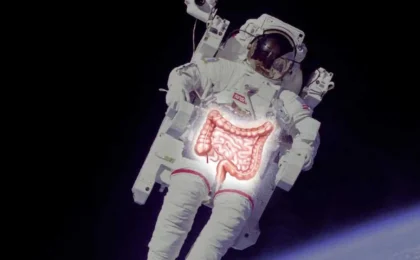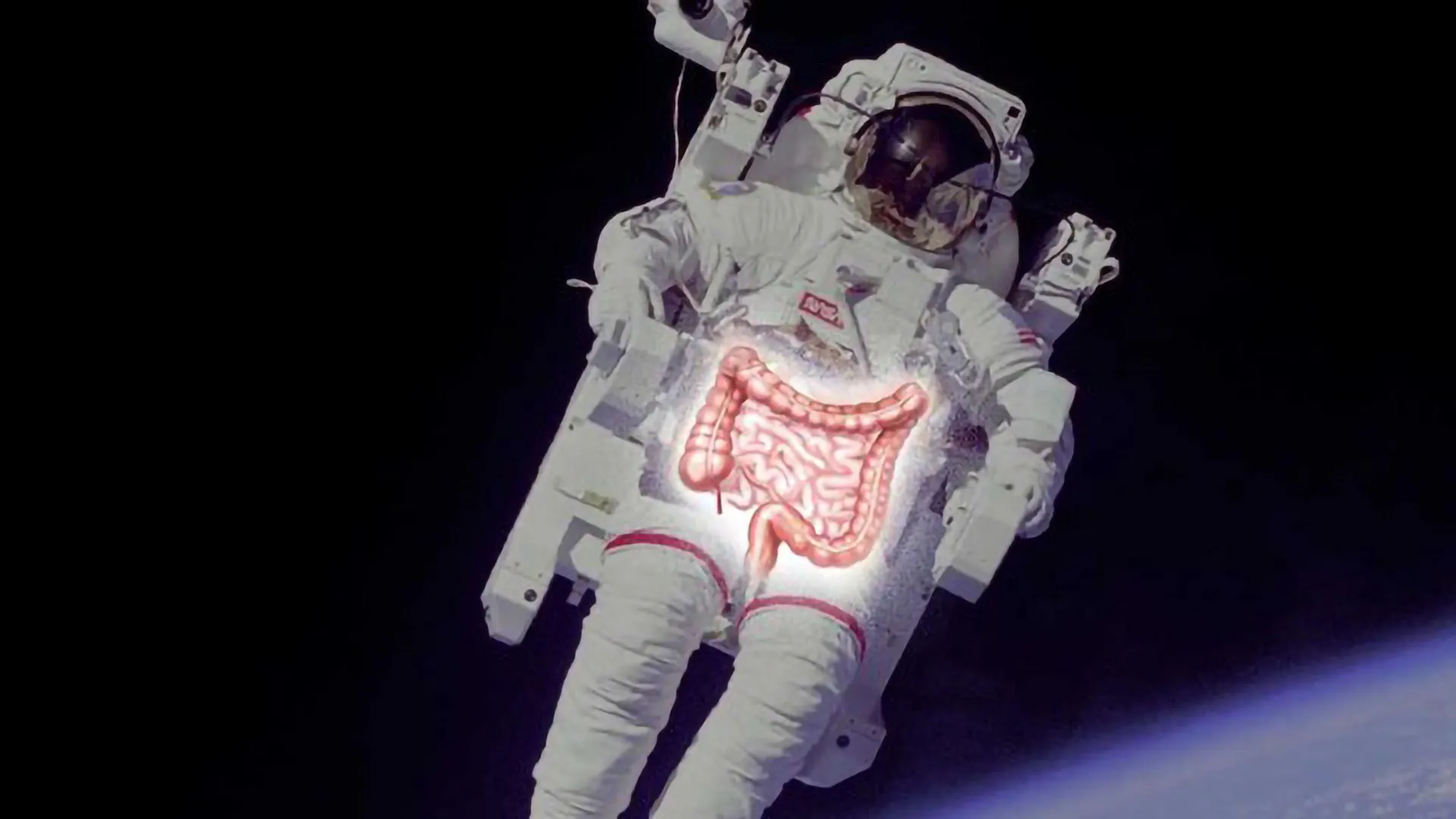
For decades, the physical toll of spaceflight on the human body has been a primary concern for space agencies. While the focus has largely remained on muscle atrophy, bone density loss, and cardiovascular shifts, a more intimate and uncomfortable problem has persisted among astronauts: chronic constipation. Despite its prevalence, the physiological mechanisms driving this disruption have remained largely shrouded in mystery.
New research conducted by the University of Copenhagen in collaboration with NASA has finally begun to bridge this knowledge gap. By analyzing the blood of 52 astronauts who lived and worked aboard the International Space Station (ISS), researchers have identified a biological signature that suggests the human gut undergoes a significant metabolic shift within weeks of entering microgravity. This study, which leverages years of accumulated medical data, suggests that space travel forces the gut microbiome to pivot toward protein fermentation, a process that may have far-reaching consequences for astronaut health—and, potentially, for bedridden patients back on Earth.
The Biological Shift: Why Microgravity Matters
To understand why an astronaut might suffer from digestive distress, one must look at the gut microbiome—the complex ecosystem of bacteria residing in our intestines. Under normal conditions on Earth, these bacteria primarily ferment dietary fiber, which promotes healthy digestion and regularity. However, the study reveals that in space, this process changes.
The Mechanism of Protein Fermentation
When dietary fiber is depleted or when transit time through the intestines slows, gut bacteria shift their focus toward protein fermentation. This process involves the breakdown of protein byproducts, which, unlike the beneficial short-chain fatty acids produced by fiber fermentation, can result in metabolites that are potentially harmful to the body.
"We see changes in astronauts’ blood samples that indicate that the gut bacteria begin to ferment protein to a greater extent than usual within weeks after the astronauts arrive in space, and this change continues until they are back on Earth," explains Giorgia La Barbera, associate professor at the Department of Nutrition, Exercise and Sports at the University of Copenhagen and joint first author of the study.
The Role of Microgravity
The researchers hypothesize that the primary catalyst for this shift is the lack of gravity. Peristalsis—the series of coordinated muscle contractions that propel food through the digestive tract—appears to be hindered in microgravity. If food lingers in the intestines for longer than intended, the bacteria essentially run out of fiber to process and turn to protein as their primary fuel source.
"The lack of gravity in space probably causes food to move more slowly through the intestine, and this fits with the fact that we are seeing signs of increased protein fermentation," says co-author Henrik Roager. "This may also help explain constipation in astronauts."
Chronology of the Discovery
The journey to this discovery was not the result of a single mission, but rather a longitudinal synthesis of data spanning several years of ISS operations.
- Initial Observations: For years, anecdotal evidence from astronauts and clinical reports from NASA flight surgeons highlighted high rates of constipation and general gastrointestinal discomfort during long-duration space missions.
- Data Collection: Between the various missions conducted on the ISS, NASA collected blood samples from 52 individual astronauts. These samples were preserved and cataloged to provide a robust dataset.
- Methodological Breakthrough: Because metabolism varies wildly from person to person, researchers utilized a "non-targeted" analytical approach. Instead of hunting for specific, expected molecules, they scanned the blood for the entire range of metabolites present.
- Statistical Confirmation: By analyzing these samples across missions and years, the team identified a consistent, undeniable pattern of increased protein fermentation markers in every participant, regardless of their individual dietary habits on Earth.
Supporting Data: The Power of Metabolomics
The study relied on the analysis of metabolites—small molecules that act as the chemical "fingerprints" of our metabolic processes. By measuring these in the blood, scientists can look inside the "black box" of the digestive system.
The findings were unusually clear for this type of research. "The samples we have analyzed come from a total of 52 different astronauts, on different missions and across many years," says Jan Stanstrup, joint first author and assistant professor. "It is quite impressive that our method has been able to show so clearly that there is consistently more protein fermentation."
Beyond the core findings regarding protein, the blood samples also captured smaller, secondary metabolic shifts related to caffeine and fish consumption, proving that the researchers’ non-targeted methodology was sensitive enough to detect fine-tuned changes in the human system.
Official Responses and Expert Analysis
The research team, which included prominent experts like Lars Ove Dragsted, professor at the Department of Nutrition, Exercise and Sports, emphasizes that these findings have profound implications for the future of human space exploration.
The Gut-Brain Axis
Perhaps the most concerning aspect of the study is the potential for these metabolites to influence neurological health. The "gut-brain axis" is a well-documented two-way communication system. When the gut becomes imbalanced, the brain often feels the effects.
"We know that products of protein fermentation are often associated with negative health consequences, such as kidney damage, potential effects on mood or reduced ability to focus," notes Professor Dragsted. As missions push further into the solar system, ensuring the cognitive sharpness and emotional stability of astronauts is paramount. If the gut-brain axis is being compromised by poor digestion, it could theoretically impact the safety of a mission to Mars.
Countermeasures for Deep Space
As space agencies like NASA and the European Space Agency (ESA) prepare for missions to the Moon and eventually Mars, the duration of space travel will increase from months to years.
"When we plan for longer journeys in space—for example to Mars—countermeasures may be needed to mitigate negative effects of space travel on the intestines," says La Barbera.
The researchers suggest several viable interventions:
- Dietary Fiber: Increasing the intake of complex, non-digestible fibers to ensure bacteria have enough fuel to avoid protein fermentation.
- Prebiotic Supplementation: Introducing specific nutrients that encourage the growth of beneficial, fiber-fermenting bacteria.
- Pro-motility Treatments: Medical interventions designed to stimulate peristalsis, ensuring that food transit time remains within a healthy range, thereby preventing the buildup of material in the intestines.
Implications: From the ISS to the Hospital Bed
While the research was born in the high-tech environment of the International Space Station, its potential impact on Earth is equally significant. One of the most common issues in clinical medicine is the management of bedridden patients, who frequently suffer from severe constipation due to a lack of physical movement.
The study suggests that the "microgravity effect" observed in astronauts is conceptually similar to the "immobility effect" observed in patients confined to hospital beds. In both cases, the slowed movement of waste through the gut creates an environment ripe for the same unhealthy protein fermentation detected in the ISS samples.
"You can use this knowledge to help bedridden patients," concludes Professor Dragsted. "They also experience constipation and likely also have increased protein fermentation that may aggravate health conditions."
By applying these space-based insights, clinicians may be able to develop new, targeted dietary protocols or pharmacological interventions for bedridden individuals, potentially improving their recovery times and overall quality of life.
Conclusion: A New Horizon for Digestive Health
The collaboration between the University of Copenhagen and NASA represents a triumph of international scientific cooperation. By utilizing the unique laboratory of the ISS to study human physiology in a way impossible on Earth, researchers have uncovered a fundamental aspect of how the human gut reacts to the absence of gravity.
As humanity looks toward the stars, the findings provide a clear roadmap for protecting the health of the next generation of explorers. By managing the gut-brain axis and curbing the metabolic shifts caused by the cessation of gravity-driven peristalsis, we can ensure that our astronauts remain healthy, focused, and capable of completing the most ambitious journeys in history.
Moreover, this research serves as a poignant reminder that the challenges of spaceflight are often mirrors of the challenges we face at home. In seeking to understand the digestion of those orbiting the Earth, we have unlocked new potential to heal those confined to it. The gut, it seems, is the final frontier in our ongoing quest to understand the limits of human resilience.