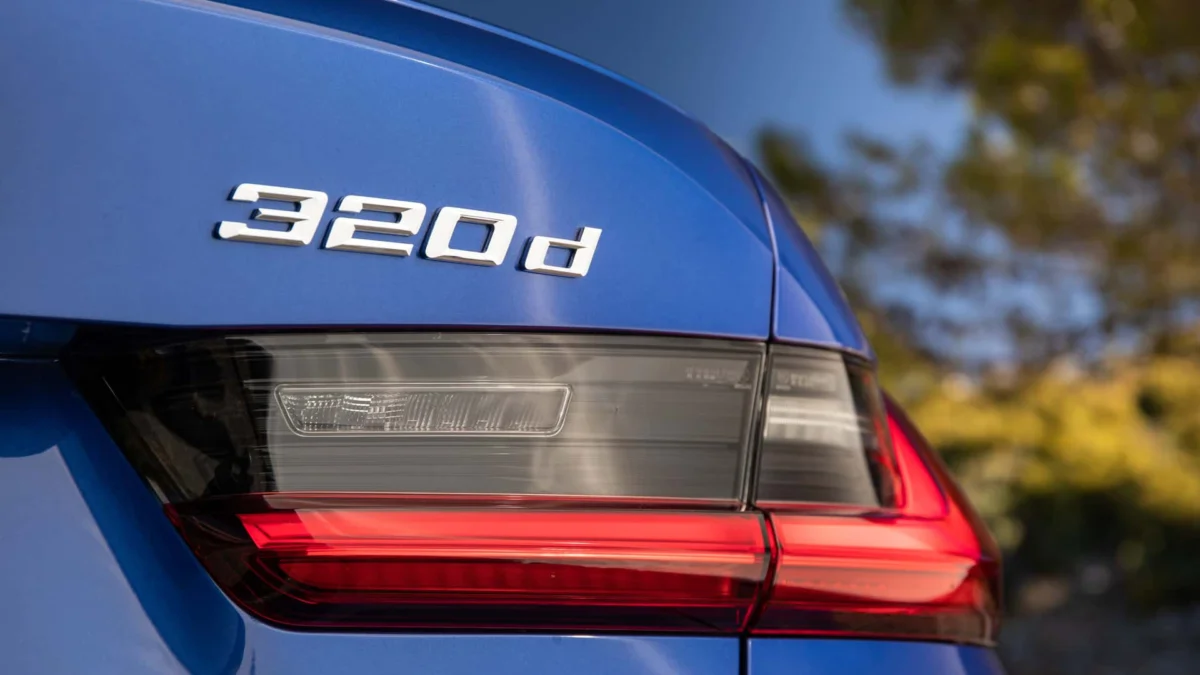
The automotive landscape is undergoing a seismic shift, and nowhere is this more apparent than in the strategic maneuvers of Europe’s premium manufacturers. In a move that marks the sunset of a long-standing engineering tradition, BMW has officially confirmed that its iconic 3 Series will no longer feature diesel powertrains in the European market, beginning with the next-generation model scheduled for the 2027 model year.
This decision, verified by two separate spokespeople for the Munich-based automaker to Motor1 and Motor1 Germany, signals the conclusion of a chapter that saw the "d" suffix—denoting the diesel-powered variants—become synonymous with the 3 Series’ success, particularly among high-mileage commuters and fleet operators across the continent.
The End of the "d" Legacy
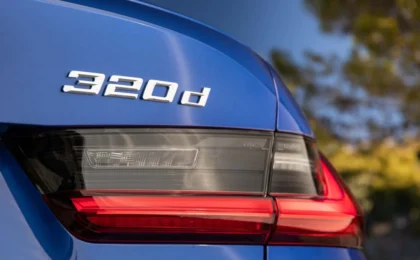
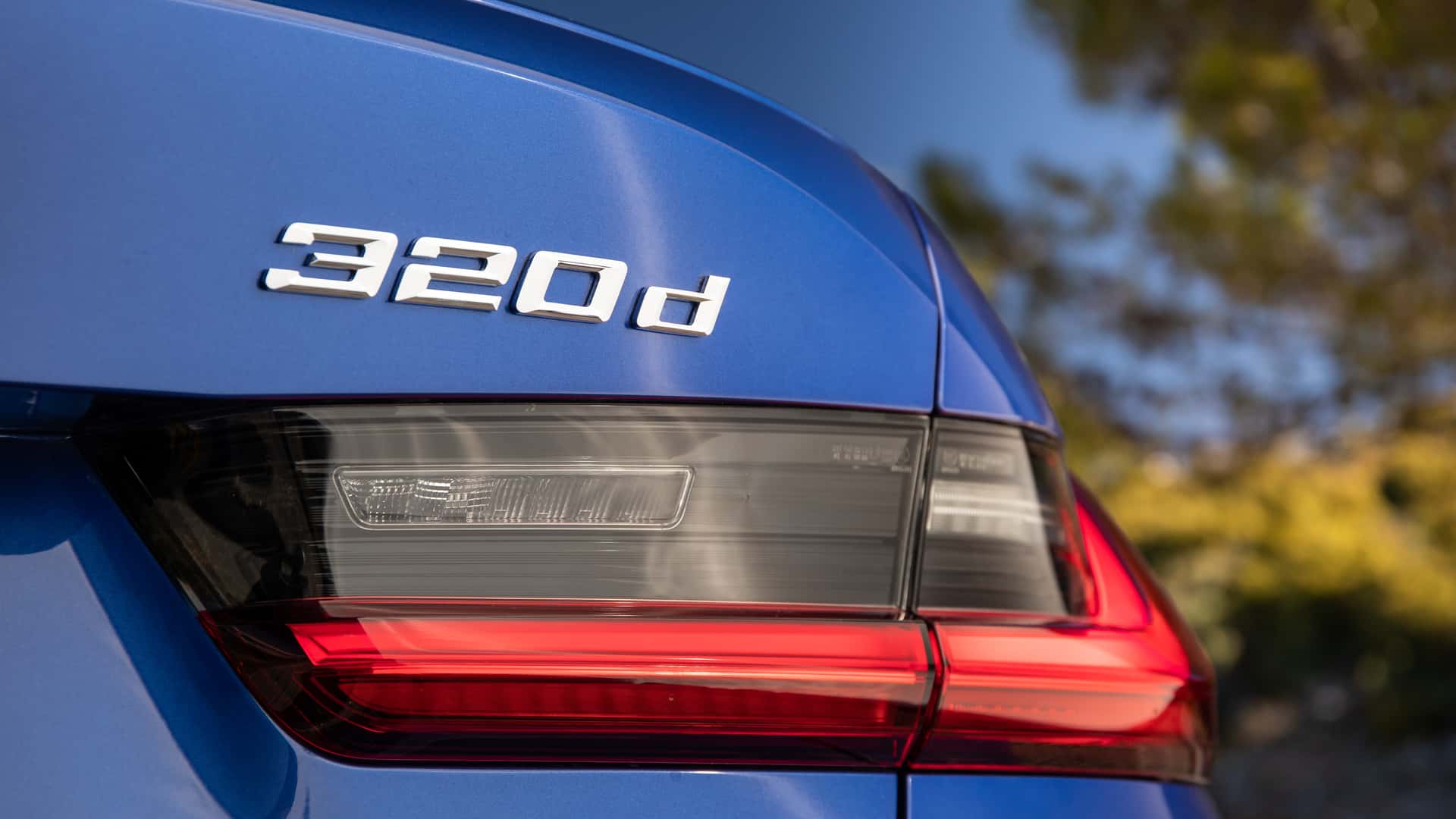
For decades, the diesel-powered 3 Series—most notably the 320d—has been the bread and butter of BMW’s European operations. Renowned for a unique blend of high torque, impressive fuel economy, and long-range cruising capabilities, the diesel 3 Series was, for many years, the default choice for the European executive and the long-distance traveler.
However, as BMW prepares for the transition to its next-generation platform, the manufacturer has made the calculated decision to prune its powertrain offerings. While the North American market will continue to enjoy the 3 Series with both turbocharged four-cylinder and inline-six gasoline configurations, European customers will find the absence of diesel power to be the most jarring change in the 2027 lineup. This move effectively spells the end of the line for performance-oriented diesel models, including the M340d, which has been highly regarded for its ability to deliver sports-sedan performance with the efficiency of a frugal commuter.
A Chronology of the Shift
The transition away from diesel is not a sudden reactionary move, but rather the culmination of a multi-year strategy focused on electrification and emissions compliance.
- Mid-2020s: BMW began diversifying its powertrain strategy, investing heavily in the "Power of Choice" philosophy. During this period, the company maintained diesel, gasoline, plug-in hybrid (PHEV), and electric options simultaneously to cater to varying global infrastructure and consumer needs.
- Late 2025/Early 2026: Final testing phases for the next-generation combustion-powered 3 Series commenced. It was during this period that internal directives regarding the powertrain mix for the 2027 model year were solidified.
- Second Half of 2026: This period is slated for the official commencement of production for the next-generation 3 Series. The transition will effectively serve as the final cutoff for the outgoing diesel-powered units.
- 2027: The new generation arrives in the European market. At this point, the diesel engine will be absent from the configurator, leaving gasoline and electrified powertrains to fill the gap.
Strategic Realignment: The "Power of Choice" Continues
Despite the removal of the diesel engine, BMW remains firm in its commitment to a multi-powertrain strategy. The automaker is not abandoning the internal combustion engine (ICE) entirely; rather, it is narrowing its focus to gasoline-based systems that are arguably easier to calibrate for increasingly stringent Euro 7 emissions standards.
The 2027 3 Series will continue to offer traditional gasoline powerplants, reflecting BMW’s recognition that the transition to full electrification is not occurring at a uniform pace across all demographics. Furthermore, the company has confirmed that the all-electric i3 will remain a central pillar of the lineup, serving as the bridge for customers ready to move away from fossil fuels entirely.
Perhaps most significantly, BMW has confirmed that a new generation of plug-in-hybrid (PHEV) models will arrive in Europe in 2027. While technical specifications regarding the new hybrid architecture remain under wraps, BMW has promised that the next-gen 3 Series family will retain a strong focus on hybrid technology. This represents a pivot, suggesting that the company sees the PHEV as the logical successor to the high-efficiency diesel for customers who require long-range flexibility but desire the benefits of electrified driving.
Official Stance and Market Implications
The silence from BMW regarding the inclusion of these next-generation plug-in hybrids in the United States market is noteworthy. Currently, the US and European markets have diverged significantly in their automotive appetites. In the US, the market has largely turned its back on diesel in passenger vehicles, making the loss of the diesel 3 Series a non-event for American consumers. However, in Europe, the decision is expected to have ripple effects.
"BMW is focusing its resources where the demand and the regulatory environment align," noted an industry analyst familiar with the European automotive sector. "By phasing out diesel in the 3 Series, they are reducing complexity in their manufacturing plants and aligning their fleet emissions with the ambitious targets set by the European Union. The 3 Series, being a high-volume product, is the perfect vessel for this shift."
For the brand’s loyalists, the transition is bittersweet. The M350 xDrive is set to become the range-topping six-cylinder combustion model, filling the void left by the departure of the M340d. While it promises superior performance figures, enthusiasts of the "diesel torque" experience will find that the character of the car will inevitably change, shifting from the low-end grunt of the oil-burner to the high-revving, linear power delivery of a modern turbocharged gasoline engine.
The Broader Context: Why Diesel is Fading
The decline of the diesel engine is not limited to BMW. It is a industry-wide trend driven by three primary factors:
- Regulatory Pressure: The European Union’s tightening emissions standards have made the engineering cost of keeping diesel engines compliant prohibitively high. The cost of complex exhaust after-treatment systems (like Selective Catalytic Reduction) often outweighs the profit margins on entry-level and mid-range passenger cars.
- Market Perception: The "Dieselgate" era and subsequent urban "diesel bans" in major European cities have fundamentally altered consumer perception. Even as modern diesel engines have become significantly cleaner, the stigma remains, leading to a drop in resale values and a shift in demand toward gasoline and electric alternatives.
- Technological Efficiency: Improvements in hybrid technology and the rising energy density of batteries have made the "fuel efficiency" argument for diesel less compelling. A modern, well-integrated PHEV system can now offer comparable, if not superior, real-world efficiency in urban environments compared to a traditional diesel engine.
Looking Ahead: What This Means for Consumers
For European buyers currently in the market, the message is clear: if you want a new diesel 3 Series, the window of opportunity is closing. The current generation remains available for purchase, and there is still time to secure a model like the 320d or the M340d before production shifts to the new, diesel-free architecture.
As for the 2027 model year, the 3 Series will represent a cleaner, more electrified version of the brand’s quintessential sports sedan. The shift to an all-gasoline and hybrid lineup is a pragmatic response to a world in transition. While the departure of the diesel engine marks the end of a long and storied chapter, it also signals a new era of performance engineering for BMW, where the focus will likely shift to the seamless integration of battery power and internal combustion to deliver the "Ultimate Driving Machine" experience in a carbon-conscious world.
Ultimately, the 3 Series will survive, as it always has, by evolving to meet the demands of the times. Whether the market will embrace the loss of the diesel option with the same enthusiasm that it embraced its introduction remains to be seen. However, one thing is certain: the roads of Europe will sound just a little bit different once the 2027 3 Series officially takes to the tarmac.