By Editorial Staff
Published September 29, 2026
The world of Westeros is officially preparing for its most ambitious leap yet: the transition from the small screen to the silver screen. Warner Bros. Discovery announced on Tuesday that the Game of Thrones franchise, a cornerstone of modern television history, will debut its first-ever feature film, Game of Thrones: Aegon’s Conquest, in theaters on June 1, 2029.
This announcement marks a pivotal strategic shift for the studio, which has spent the last decade carefully curating George R.R. Martin’s sprawling fantasy universe exclusively within the bounds of HBO. By moving to the theatrical model, Warner Bros. is signaling its confidence in the enduring commercial power of the Targaryen saga, positioning the film as a tentpole event for the 2029 summer blockbuster season.
The Creative Architects: A Visionary Team
The studio has entrusted this historic expansion to a creative team that bridges the gap between the established television canon and the prestige cinematic world. At the helm is director Owen Harris, a filmmaker who has already demonstrated a keen understanding of the brutal, high-stakes aesthetic required for the world of Westeros.
Harris, an alum of the Game of Thrones television universe, previously directed three standout episodes for the prequel series A Knight of the Seven Kingdoms, including "The Hedge Knight," "Hard Salt Beef," and the critically acclaimed, visceral "In the Name of the Mother." His work on the latter—specifically the gritty, mud-soaked choreography of the "Trial of Seven"—has been cited by industry insiders as a key reason for his selection to oversee the transition to film. Harris’ ability to balance intimate character development with large-scale tactical action makes him an ideal candidate to capture the sheer scale of the Targaryen conquest.
Complementing Harris’ vision is screenwriter Beau Willimon. A heavyweight in political drama, Willimon is best known for creating the Netflix phenomenon House of Cards and for his celebrated contribution to the Star Wars universe, where he penned six episodes of Andor. His script for the episode "One Way Out" is widely regarded as a masterclass in tension, pacing, and political maneuvering—elements that are arguably more central to the Game of Thrones mythos than dragons themselves. With Willimon at the keyboard, audiences can expect a narrative that explores the cutthroat diplomacy and shifting loyalties that allowed the Targaryens to subjugate an entire continent.
The Origin Story: Unpacking ‘Aegon’s Conquest’
Aegon’s Conquest will serve as a foundational piece of the franchise’s history, moving the timeline back roughly 300 years before the events of the original Game of Thrones series and roughly a century prior to the drama seen in House of the Dragon.
The film will center on Aegon I Targaryen, the visionary—or, to his enemies, the warmonger—who first united the Seven Kingdoms under a single banner. History within George R.R. Martin’s lore dictates that Aegon did not conquer Westeros through sheer infantry power alone; he relied on the terrifying, aerial dominance of his three dragons: Balerion the Black Dread, Meraxes, and Vhagar.
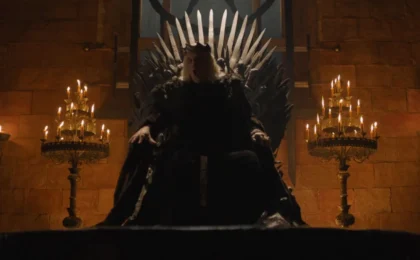
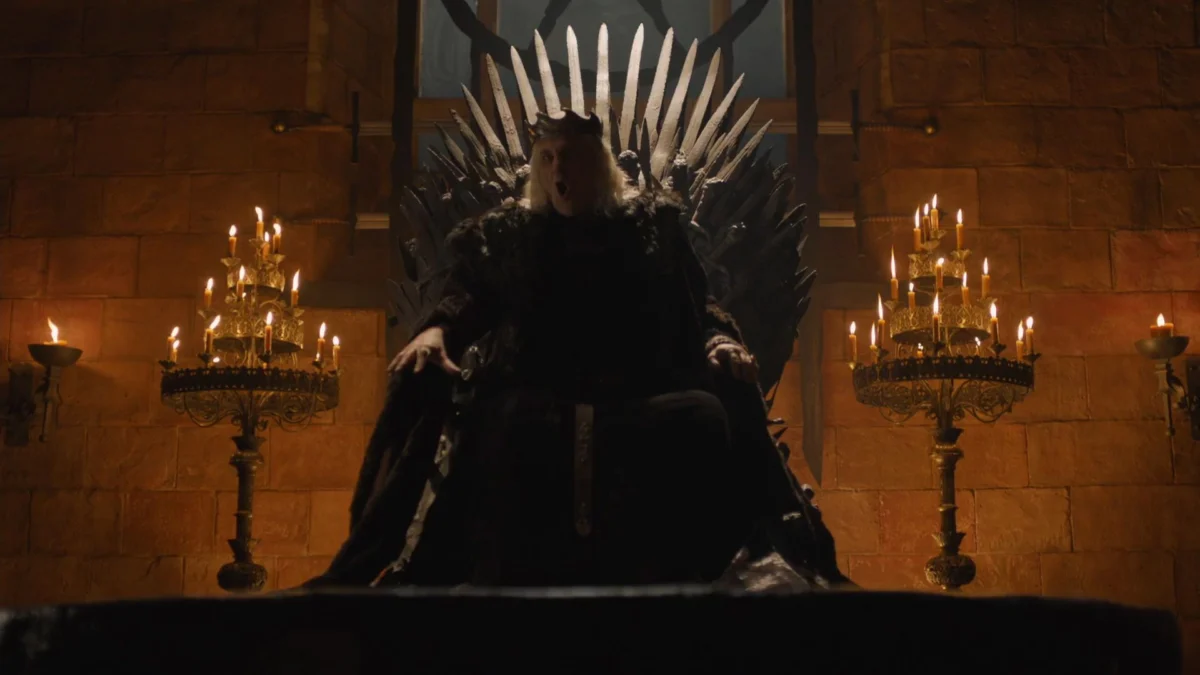
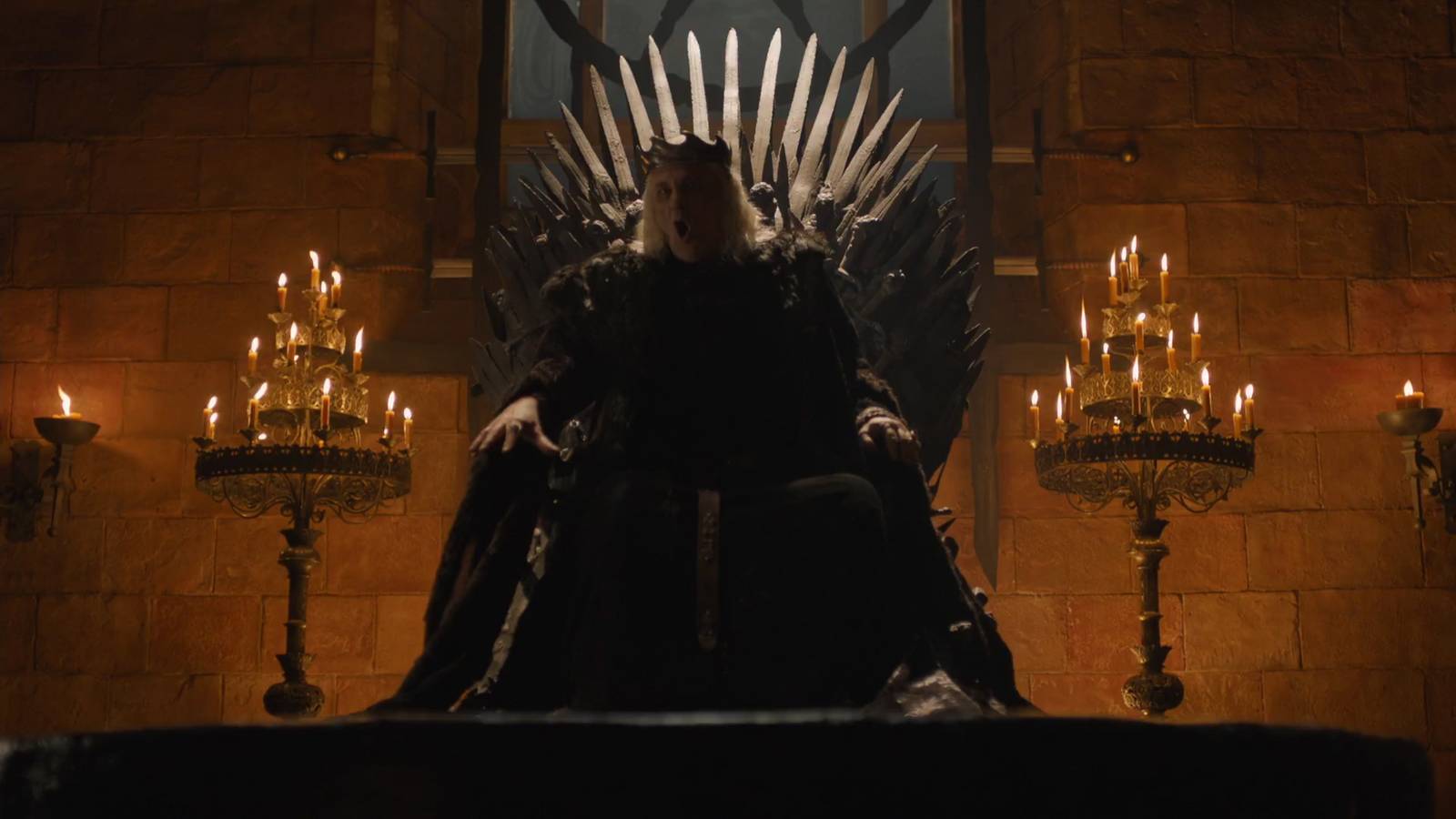
The narrative will likely focus on the initial landing at the mouth of the Blackwater Rush, the subsequent rise of the Targaryen dynasty, and the establishment of the Iron Throne itself—forged, as legend has it, from the swords of the kings and lords who dared to oppose him. For fans of the franchise, this represents the "Age of Myth" finally realized in a medium that can do justice to the sheer scope of the dragon warfare that defined the era.
Chronology of a Franchise
To understand the magnitude of this theatrical pivot, one must look at the planned trajectory of the Game of Thrones brand through the end of the decade. The announcement of the film follows a rigorous multi-year plan to keep the IP relevant across multiple platforms:
- 2026 (Current): Ongoing expansion of the A Knight of the Seven Kingdoms series.
- 2027: The highly anticipated release of A Knight of the Seven Kingdoms Season 2, continuing the adventures of Ser Duncan the Tall and Egg.
- 2028: The conclusion of the saga on television with the fourth and final season of House of the Dragon.
- 2029: The theatrical premiere of Aegon’s Conquest, marking the franchise’s first foray into feature film.
By spacing these releases, Warner Bros. is avoiding "franchise fatigue" while ensuring that there is a constant stream of high-quality content to keep the audience engaged. The film is positioned not as a replacement for the series, but as the "event" that anchors the conclusion of the House of the Dragon era and kicks off a new chapter of cinematic storytelling.
Supporting Data and Market Implications
The decision to move to theaters is a calculated financial risk based on the overwhelming performance of the franchise’s spin-offs. Since the conclusion of the original Game of Thrones series, the "prequel model" has proven exceptionally lucrative. House of the Dragon consistently ranks as one of the most-watched cable and streaming properties in the world, with premiere episodes drawing millions of viewers across HBO and Max.
However, the theatrical market presents different challenges. Unlike a television show, which relies on subscription retention, a film must capture the "casual" audience. By focusing on Aegon’s Conquest, Warner Bros. is leaning into the most recognizable aspect of the brand: Dragons. Market research indicates that the spectacle of dragon-based warfare remains the primary driver of engagement for the general public, suggesting that the film is designed to draw in moviegoers who may have fallen out of touch with the intricate political webs of the later television seasons.
Official Responses and Industry Outlook
While casting and production details remain under tight wraps, the industry response has been one of cautious optimism. Analysts note that hiring Willimon, a writer known for grounded, gritty realism, suggests that the studio is not looking to create a generic fantasy blockbuster, but rather a "prestige" epic that mirrors the tone of the original series’ most successful seasons.
In internal discussions, executives have reportedly emphasized that Aegon’s Conquest is intended to be the first of several planned films, provided the 2029 debut meets box office expectations. This suggests that Warner Bros. is looking to create a "cinematic universe" of sorts, where the films cover the grand historical events of the Targaryen timeline, while the television series continue to focus on the character-driven stories of smaller, more localized figures within Westeros.
Implications for the Future of Westeros
The shift toward a feature film model raises questions about the future of the franchise’s "television-first" identity. If Aegon’s Conquest succeeds, it could fundamentally change how Warner Bros. handles the IP. We may see a future where the most expensive, effects-heavy events are reserved for the big screen, while the television platforms are used to flesh out the lore and character arcs.
Furthermore, the involvement of George R.R. Martin as a creative consultant remains a point of interest for fans. Martin’s notoriously exacting nature regarding his world-building suggests that the film will likely adhere closely to the established lore found in Fire & Blood. This commitment to the source material, combined with the high production value of a theatrical release, creates a rare opportunity for a franchise that has, at times, been criticized for its divergence from the books.
As we look toward 2029, the promise of Aegon’s Conquest is clear: a return to the roots of the Targaryen power. Whether it will succeed in capturing the same cultural lightning as the original series remains to be seen, but with a director of Harris’ visual caliber and a screenwriter of Willimon’s political depth, the foundation is, quite literally, being laid for an epic of unprecedented proportions.
The iron is hot, the dragons are waiting, and the throne is being forged anew. The summer of 2029 promises to be a defining moment for the history of Westeros.