The 2026 FIFA World Cup, a tournament marked by expanded horizons and heightened expectations, has officially roared to life. In a series of electrifying opening fixtures, footballing superpowers and historic contenders alike have signaled their intent to claim the sport’s most prestigious trophy. From the record-breaking exploits of Kylian Mbappé in New Jersey to the clinical efficiency of Lionel Messi, the tournament has already begun to carve its place into the annals of football history.
Main Facts: Mbappé’s Historic Night in New Jersey
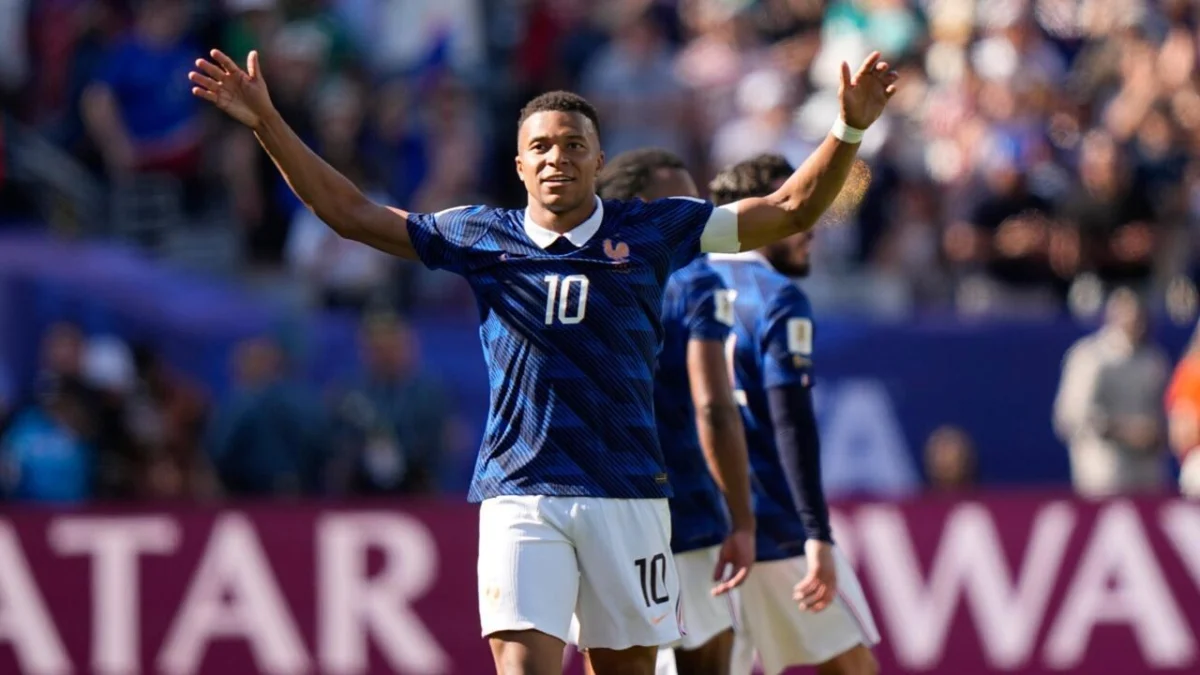
The standout narrative of the opening days unfolded at MetLife Stadium in East Rutherford, New Jersey, where France faced a spirited Senegal side. In a match that captivated a global audience, France emerged victorious with a 3-1 scoreline, setting a formidable tone for their campaign.
At the heart of this victory was Kylian Mbappé. The French superstar did not merely lead his team to victory; he rewrote the record books. By netting a clinical brace against the Lions of Teranga, Mbappé moved to 58 international goals, officially becoming the sole all-time leading goalscorer for the French national team.
The match was a tactical battle, with Senegal initially threatening to disrupt the French rhythm. However, Mbappé’s pace and clinical finishing ultimately proved too much for the Senegalese defense. His second goal, a masterclass in positioning and composure, served as a poignant reminder of why he is currently considered the most dangerous forward in world football.
Chronology of Opening Matchday Developments
The tournament’s opening phase has been defined by a rapid succession of high-stakes encounters across the globe.
- June 16, 2026: The marquee match between France and Senegal anchored the day’s proceedings. France’s 3-1 victory confirmed their status as favorites to advance deep into the bracket.
- The Norwegian Resurgence: In a result that sent shockwaves through the Scandinavian football community, Norway secured a dominant 4-1 victory over Iraq. For Norway, this was more than just a win; it was their first World Cup appearance since 1998. The performance was characterized by tactical discipline and an overwhelming attacking threat, proving that the team has evolved far beyond the expectations of pundits.
- The Messi Masterclass: Argentina, looking to build on their legacy, opened their tournament with a statement win. Lionel Messi, demonstrating that age remains just a number, dismantled the Algerian defense with a clinical hat-trick. The 3-0 victory was a display of sheer technical superiority, cementing Argentina’s position as the team to beat in their group.
- Brazil’s Injury Update: Away from the pitch, the focus turned to the training grounds. Brazil, the perennial favorites, received a massive boost as Neymar officially resumed full training. His recovery from a recent fitness concern has been the subject of intense media scrutiny, and his return to the pitch signals a potential shift in the tactical outlook for the Seleção.
Supporting Data and Historical Context
The 2026 World Cup is a unique experiment in scale. With the tournament structure altered to accommodate more nations, the depth of talent on display has reached unprecedented levels.
France’s Offensive Efficiency
France’s victory over Senegal was not an anomaly but a continuation of a trend. Under the current coaching setup, Les Bleus have prioritized high-possession, high-transition football. Mbappé’s transition to the top of the all-time scoring list reflects a sustained period of French dominance in international competitions over the last decade.
Norway’s Return to the Global Stage
To understand the significance of Norway’s 4-1 thrashing of Iraq, one must look at the 28-year gap since their last appearance. In 1998, the Norwegian team was known for a rigid, defensive style. Today, their squad is defined by a new generation of creative midfielders and lethal finishers who prioritize ball retention. The victory against Iraq suggests that Norway is no longer content with being a participant; they have arrived to challenge the status quo.
Messi and the Goal-Scoring Elite
Lionel Messi’s hat-trick against Algeria brings his total career World Cup goal tally to a level that few, if any, will reach in the coming decades. This performance is particularly telling, as it indicates that Argentina’s tactical system is still built entirely around facilitating Messi’s movement in the final third, a gamble that has yielded significant rewards in the opening match.

Official Responses and Tactical Analysis
Following the conclusion of the first round of group matches, managers and football federations have been quick to address the press.
The French Camp
The French Football Federation (FFF) released a brief statement acknowledging Mbappé’s achievement, noting that his milestone is "a testament to his dedication and his role as a standard-bearer for French football." Managerial staff emphasized that while the record is a source of national pride, the collective focus remains entirely on the upcoming group matches. "Kylian is pleased, but he is a professional," a spokesperson for the team remarked. "He understands that personal accolades mean nothing without the trophy at the end of the journey."
The Argentinian Perspective
Argentina’s coaching staff praised the team’s "mental resilience" following the win over Algeria. Despite the comfortable scoreline, the tactical focus remains on improving defensive transitions to prevent counter-attacks against higher-ranked opponents. Messi himself, in a brief post-match interview, declined to focus on his hat-trick, choosing instead to highlight the "synergy of the squad" and the importance of maintaining momentum.
The Brazilian Strategy
Brazil’s medical staff provided an update on Neymar, confirming that while he has resumed training, his participation in the next fixture will be evaluated on a "day-to-day basis." The goal, according to the team’s medical director, is to ensure he reaches peak match fitness without risking a re-aggravation of his condition.
Implications for the Tournament
As the group stage progresses, the implications of these opening results are becoming clear.
- The "Group of Death" Scenarios: The dominant wins by France, Norway, and Argentina have effectively placed their respective opponents in a position where they must win their next two matches to avoid an early exit. This will undoubtedly lead to more aggressive, high-risk football in the coming days.
- The Shift in Tournament Favorites: While Brazil remains a betting favorite, the clinical nature of Argentina’s performance has forced analysts to recalibrate their projections. Similarly, France’s ability to win while integrating new tactical elements suggests they are deeper than their 2022 squad.
- Broadening the Fanbase: The inclusion of nations like Iraq and the resurgence of teams like Norway has clearly invigorated the tournament’s international appeal. The global viewership numbers for these matches have surpassed initial estimates, proving that the expansion of the World Cup format is successfully engaging new markets.
Beyond Football: The Berlin Tennis Experiment
In a move that highlights the multi-sport nature of the summer season, the Berlin tennis tournament is currently trialling a three-court layout. This experimental format is designed to increase match throughput and provide fans with a more continuous viewing experience. Much like the changes to the World Cup, this reflects a broader trend in global sports administration: the willingness to disrupt traditional formats in favor of innovation and increased audience engagement.
Looking Ahead
As the 2026 World Cup moves into its second round of group matches, the pressure on the top-tier nations will only intensify. The victory for France was a statement of intent, but the tournament remains long, and the path to the final is fraught with potential pitfalls.
Whether it is the tactical ingenuity of the Argentine setup, the newfound clinical edge of the Norwegian side, or the sheer individual brilliance of players like Kylian Mbappé, the 2026 tournament has already succeeded in its primary objective: providing a stage for the world’s greatest athletes to showcase their talents on the most prestigious platform in sports. The next few weeks promise to be a defining chapter in the history of international football, with every match serving as a potential turning point for the nations involved. As the world watches, one thing is certain: the competition is only just beginning.