The American breakfast landscape is undergoing a significant transformation. With the industry now exceeding $35 billion in annual revenue, the competition for the "first meal of the day" has become a strategic battleground for major restaurant chains. As the post-pandemic "return to office" movement solidifies, millions of commuters are once again looking for convenient, affordable, and high-quality nourishment to fuel their mornings.
For the modern consumer, "value" is no longer defined solely by the lowest price point. Instead, it has evolved into a complex equation involving accessibility, menu diversity, digital integration, and allergen-friendly options. This report analyzes the 12 breakfast chains that currently lead the market in delivering tangible value to the American public.
The Evolution of the Morning Rush
Historically, the breakfast market was segmented between quick-service drive-thrus and traditional sit-down diners. Today, those lines have blurred. Mobile applications, loyalty programs, and a concerted effort to accommodate dietary restrictions have turned these establishments into high-tech hubs of morning efficiency.
From the consistent convenience of McDonald’s to the regional loyalty commanded by Caribou Coffee and Philz, the brands listed below have been vetted based on four key pillars: affordability, national or regional accessibility, menu inclusivity (including plant-based and gluten-free options), and the efficacy of their digital ordering systems.
The Titans of the Industry
Dunkin’: The Ubiquitous Powerhouse
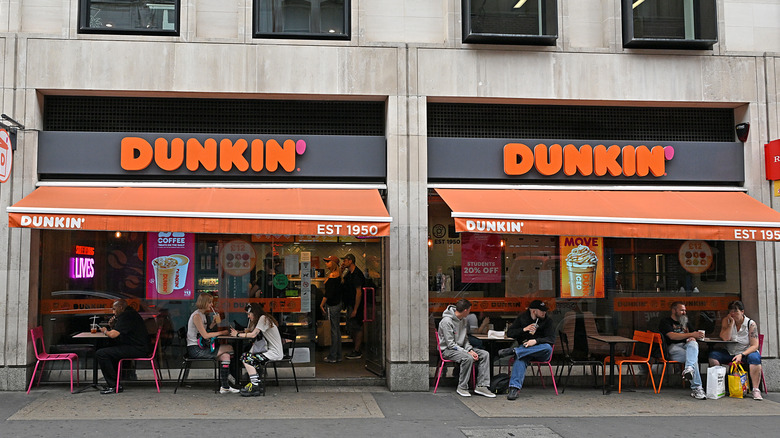
Dunkin’ maintains its dominance through sheer scale and a sophisticated digital ecosystem. Whether in a major metropolitan transit hub or a rural roadside, the brand provides a consistent experience. Crucially, Dunkin’ has responded to consumer advocacy—notably from groups like Switch4Good—by eliminating non-dairy milk surcharges, a move that significantly boosts its value proposition for the growing plant-based demographic. Their rewards app remains a gold standard, allowing customers to stack points for free food while maintaining the "human touch" that keeps regulars returning.
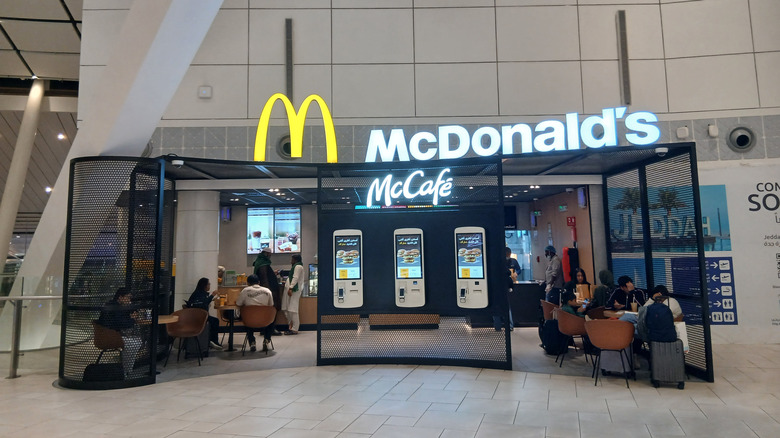
McDonald’s: Scaling Consistency
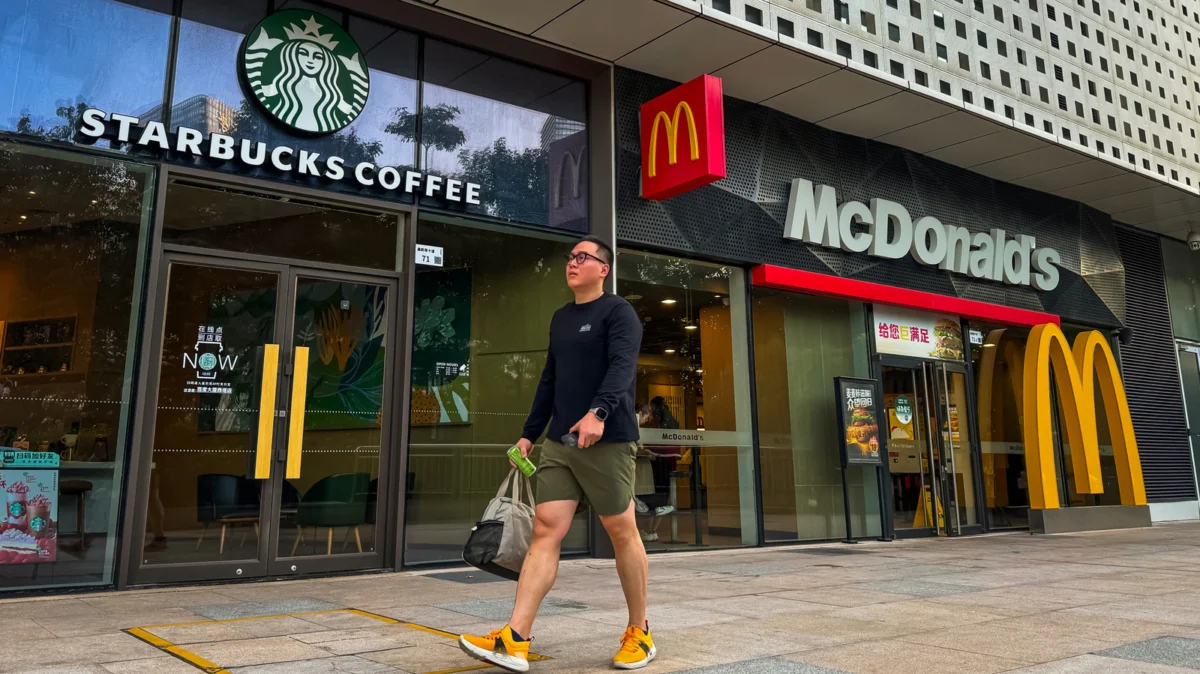
Since the introduction of its breakfast menu in the 1970s, McDonald’s has become the bedrock of the American morning. The brand’s evolution, particularly through the McCafé expansion and its industry-leading app, has kept it relevant in a high-inflation environment. With nearly 14,000 locations, the ability to secure a breakfast combo meal for under $10 remains a key competitive advantage. For those prioritizing nutrition, the chain offers customizable options, such as modifying the Fruit & Maple Oatmeal to be dairy-free, ensuring that "value" extends to nutritional health as well as fiscal responsibility.
Starbucks: Customization as Currency
Starbucks has moved beyond being a coffee shop to becoming a breakfast lifestyle brand. With over 16,000 locations, its accessibility is unmatched. Under new leadership, the company has made significant strides in affordability, most notably by removing the upcharge for non-dairy milk options. By integrating rewards partnerships with Delta and Marriott Bonvoy, Starbucks offers a "value-add" that traditional fast-food chains cannot replicate, making it a favorite for the business-professional demographic.
Sit-Down Comfort and Regional Specialists
IHOP and Denny’s: The Great Diner Debate
The rivalry between IHOP and Denny’s serves as a microcosm of the sit-down breakfast market.
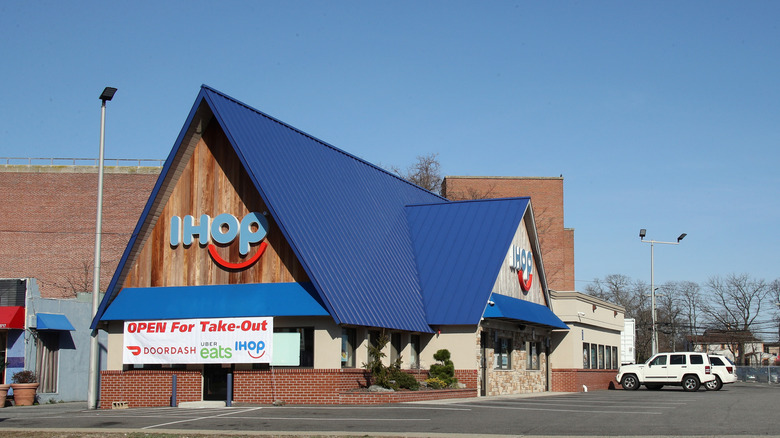
- IHOP: Known for its "International Bank of Pancakes," the chain rewards loyalty with a transparent, easy-to-use digital system. Their current focus on value meals—offering five distinct options under $6—positions them as a leader in high-volume, low-cost dining.
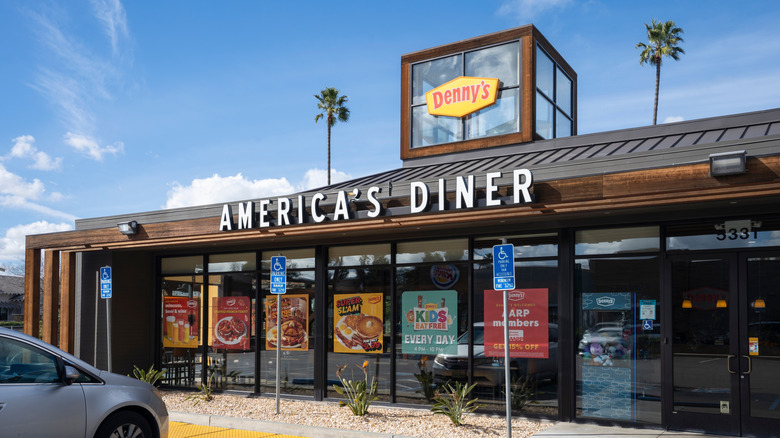
- Denny’s: Positioning itself as "America’s Diner," Denny’s leans into demographics. Their robust AARP discount program (15% off) and senior-specific menu tiers make them a go-to for older Americans, while their partnership with Dr. Praeger’s ensures that plant-based diners have a seat at the table.
Caribou Coffee and Philz: The Connoisseur’s Choice
While geographically focused, Caribou Coffee and Philz represent the "premium-value" tier.
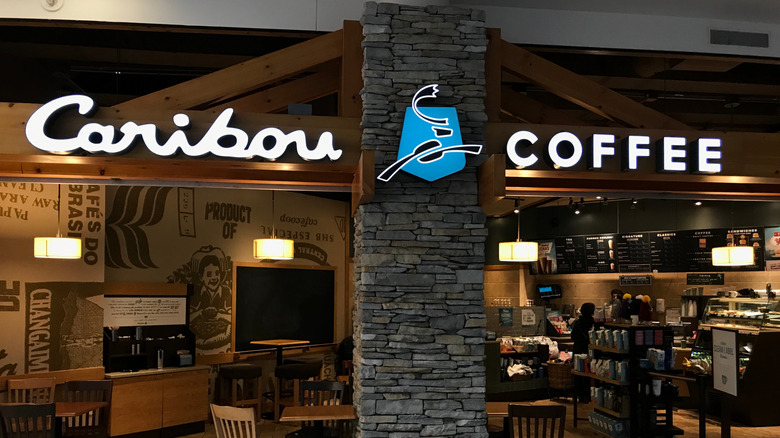
- Caribou Coffee: Dominated by its presence in the Upper Midwest, Caribou offers aggressive pricing on staples like cold brew and breakfast sandwiches. Their decision to remove non-dairy milk fees in early 2026 was a watershed moment for the brand.
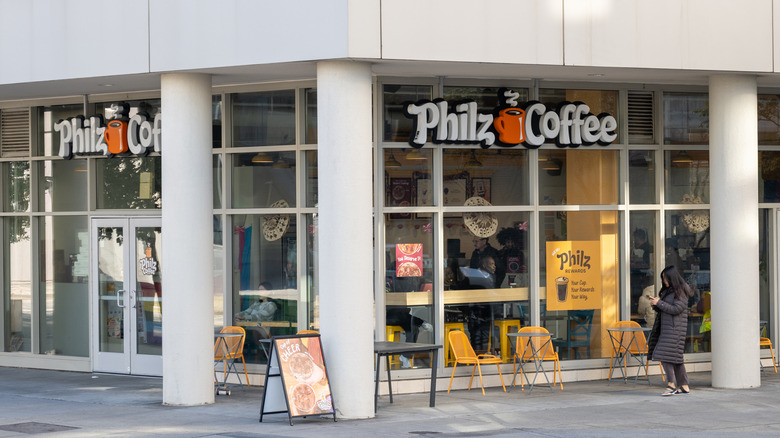
- Philz Coffee: A California and Illinois favorite, Philz excels in the niche of the coffee connoisseur. By offering high-quality, customizable drinks and plant-based sandwiches (featuring Impossible Sausage and Just Egg) at accessible price points, they prove that "value" doesn’t have to mean "generic."
The Fast-Food Challengers
Burger King, Wendy’s, and Jamba
These chains have utilized technology to carve out their own slices of the breakfast market:
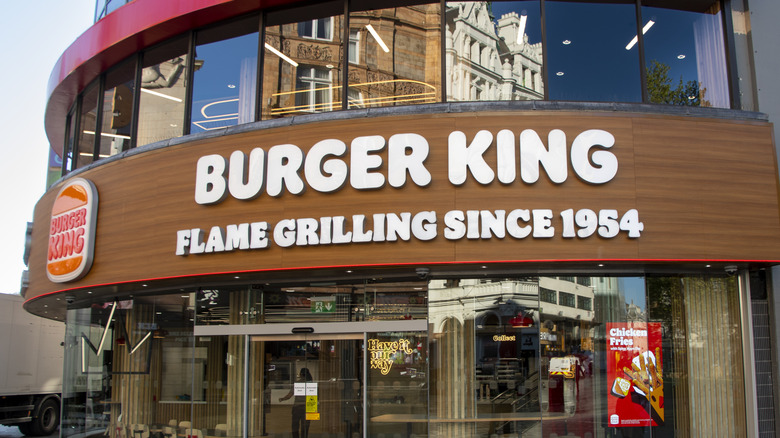
- Burger King: Through a gamified app experience, BK has successfully modernized its morning offerings. Their French toast sticks remain an iconic, budget-friendly staple for both omnivores and the "accidentally vegan" crowd.
- Wendy’s: Despite a historically turbulent breakfast history, Wendy’s has stabilized its morning presence. Their rewards app is arguably the most aggressive in the industry, frequently offering free food and deep discounts that make their $5–$10 breakfast combos some of the most competitive in the nation.
- Jamba: Moving away from the "juice-only" stigma, Jamba has solidified its place as a health-conscious breakfast provider. By offering affordable oatmeal and smoothie bowls, they provide a necessary alternative to the calorie-dense fare typically found at drive-thrus.
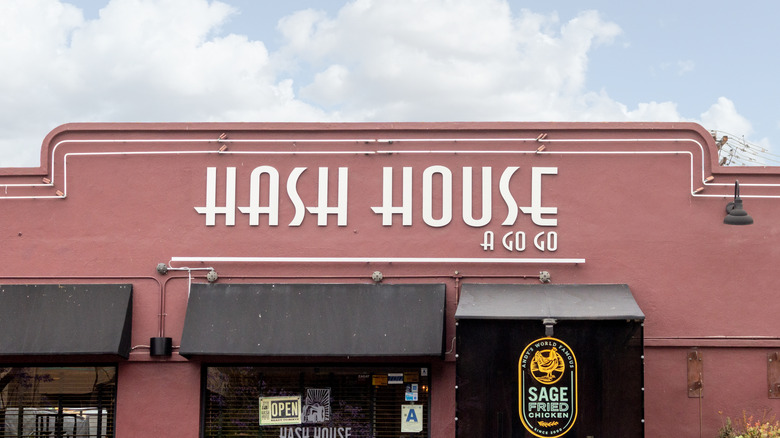
Hash House A Go Go: The Bulk-Value Specialist
Hash House A Go Go changes the definition of value by focusing on portion size. By offering "king-sized" plates that can often sustain a customer for two full meals, they provide a unique economic model for families and budget-conscious diners. Their "Twisted Farm Club" loyalty program ensures that repeat customers are rewarded with birthday specials and menu insights.
Summary Data: The Value Matrix
| Chain | Primary Value Driver | Best For |
|---|---|---|
| Dunkin’ | App Rewards & No Dairy Fee | Commuters & Daily Coffee Drinkers |
| McDonald’s | Scale & Pricing | Families & Quick-Service Seekers |
| Starbucks | Customization & Partnerships | Business Travelers & Loyalty Users |
| IHOP | "Pancoin" Rewards | Sit-down, Slower Mornings |
| Denny’s | Senior Discounts & Variety | Multi-generational Dining |
| Wendy’s | Aggressive App Coupons | High-Value Combo Meals |
Official Responses and Industry Implications
Industry analysts note that the "Breakfast Wars" of 2026–2027 are being driven by a shift in consumer behavior. With the rise of remote work, customers are more selective about when and why they leave their homes to eat. Consequently, chains that offer a seamless "Order Ahead" experience are winning.
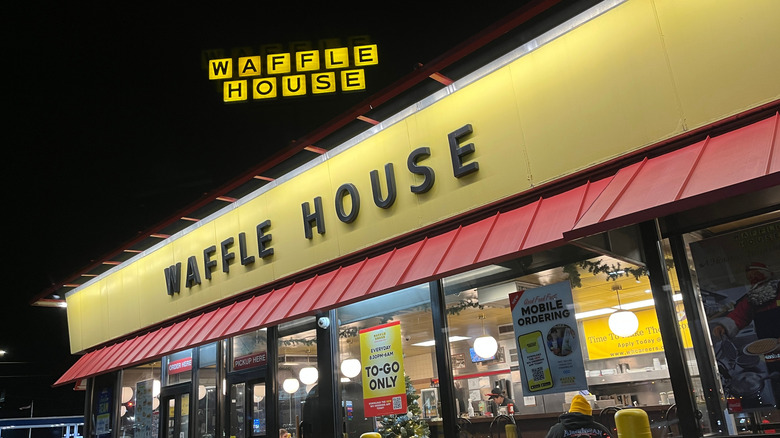
However, challenges remain. Waffle House, while an iconic American institution, has recently faced scrutiny regarding consumer-unfriendly policies. As the brand notes, it serves enough sausage patties daily to stack to four times the height of the Empire State Building—a testament to its scale—but it must navigate the changing expectations of a modern, tech-savvy consumer base to remain relevant on future value lists.
Methodology: Defining True Value
To compile this assessment, we utilized a multi-faceted approach. "Value" was defined by the intersection of four criteria:
- Affordability: The ability to secure a meal under a $10 threshold.
- Accessibility: National or significant regional footprint.
- Inclusivity: The availability of plant-based, gluten-free, or allergen-aware options.
- Convenience: The presence of a functional, user-friendly mobile application for order-ahead capabilities.
Each brand was evaluated through firsthand experience, assessing both the digital interface and the physical quality of the food. By weighing the ease of earning rewards against the consistency of the menu, this list identifies the chains that provide the highest return on investment for the average American consumer. As the industry continues to evolve, the brands that prioritize the customer’s time, health, and wallet will undoubtedly emerge as the ultimate winners in the morning marketplace.