In an era defined by "subscription fatigue" and the relentless creep of monthly price hikes, the streaming landscape has become a battlefield for consumer loyalty. As platforms scramble to maintain subscriber growth, creative incentives have emerged as the primary weapon of choice. Following a series of significant price adjustments last fall, HBO Max is currently pivoting to an aggressive acquisition strategy, offering a rare 7-day free trial exclusively through the Prime Video platform. This move provides a tactical window for viewers to sample the service’s prestige library without the immediate burden of a recurring monthly fee.
The Core Offer: Unlocking HBO Max via Prime Video
For many consumers, the barrier to entry for high-end streaming services is often the lack of a "try-before-you-buy" option. HBO Max does not currently offer a standalone free trial on its native website, making this partnership with Amazon Prime Video a standout opportunity.
The mechanism is straightforward: Prime members can navigate to the Prime Channels hub within their Amazon interface, locate the HBO Max landing page, and activate a 7-day trial. Because this is integrated into the Prime ecosystem, there is no need for complex promo codes or long-term contracts. Upon the conclusion of the week-long trial, the service transitions into an ad-supported subscription at its standard rate of $10.99 per month. For those who are not yet Prime members, Amazon offers its own 30-day trial for its broader service, which can be bundled with the HBO Max offer to provide a comprehensive month of entertainment at no initial cost.
Why Now? The Timing of the "Lanterns" Premiere
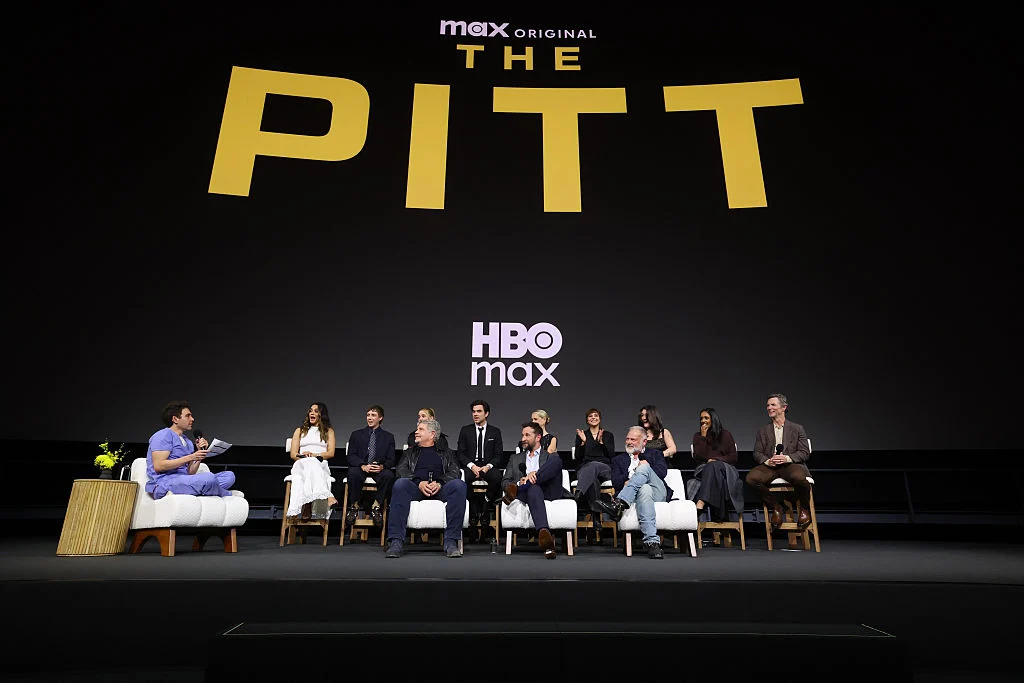
The timing of this promotion is no coincidence. HBO Max is betting on a "tentpole" content strategy to convert these trial users into long-term subscribers. The current window coincides with the highly anticipated premiere of the DC-universe series Lanterns, a production that industry analysts expect to be a significant driver of new subscriptions. Furthermore, the platform is doubling down on its "awards season" push, highlighting critically acclaimed heavy hitters like Hacks and the gripping new drama The Pitt. By dangling these high-profile titles in front of potential users, HBO Max is attempting to prove that its value proposition remains high, even in the face of recent pricing adjustments.
A Chronology of the Streaming Price War
To understand why this free trial is so significant, one must look at the recent history of streaming economics. The last 24 months have seen a massive paradigm shift in how platforms price their services.
2024: The Year of the Hike
Throughout 2024, the streaming industry saw a universal pivot toward profitability. Gone were the days of "growth at all costs," replaced by a mandate to improve average revenue per user (ARPU). HBO Max, like its competitors, implemented multiple rounds of price increases. These hikes were justified by executives as necessary investments to cover the rising costs of premium content production and to navigate the post-pandemic stabilization of subscriber numbers.
2025: Consolidation and "Bundle" Culture
By the start of 2025, the market reached a saturation point. Consumers began to consolidate their subscriptions, leading to higher churn rates. In response, platforms began experimenting with "bundled" offerings. The collaboration between HBO Max and Prime Video is a manifestation of this trend—platforms are increasingly willing to share their "walled gardens" with other tech giants to ensure their content reaches as many eyeballs as possible.
2026: The Current Landscape
As we move through 2026, the strategy has shifted again. Platforms are now focusing on "retention through quality." The current HBO Max lineup, which includes the final season of Euphoria and the third season of The White Lotus, is designed to lock in the audience that was lured by the 7-day trial.
Supporting Data: The Value Proposition of the Library
The argument for subscribing to HBO Max, even at the $10.99 price point, relies heavily on the depth and breadth of its back catalog. The platform is not merely selling new hits; it is selling cultural legacy.
The 2026 Slate
The current year has seen an aggressive expansion of original programming. Beyond the aforementioned Lanterns, the platform has seen success with:
- "DTF St. Louis": A new genre-bending series that has captured younger demographics.
- "The Comeback" (Return): The return of Lisa Kudrow’s cult classic has generated significant buzz among long-term subscribers.
- "Stuart Fails to Save the Universe": A Big Bang Theory spin-off that leverages one of the most successful sitcom franchises in television history.
The Film Roster
HBO Max’s library is bolstered by a massive influx of cinematic content. Recent additions include:
- Marty Supreme
- The Drama
- Wuthering Heights
- We Live in Time
- Dune: Part Two
- Joker: Folie à Deux
These titles, combined with foundational pillars like The Sopranos, The Wire, and Curb Your Enthusiasm, create an "evergreen" value that the streamer hopes will offset the "sticker shock" of recent price hikes.
Official Responses and Industry Implications
While HBO Max has not released a formal statement regarding the specific duration of this Prime Video trial, industry insiders suggest that such offers are highly dynamic. "Amazon has a history of pulling these trials without notice," says a media analyst familiar with streaming partnerships. "They are essentially tools for demand-side management. When sign-ups slow down, the trial goes live. When the target acquisition goal is met, it disappears."
The DirecTV Alternative
It is important to note that the Prime Video offer is not the only path to a discounted experience. DirecTV continues to position itself as a traditional alternative by bundling streaming services into their "MyEntertainment" packages. Starting at $42.99/month, this package includes over 60 live TV channels, plus access to HBO Max, Disney+, and Hulu. For households that still value the "cable-like" experience of live television alongside on-demand streaming, this represents a massive consolidation of costs that can actually be cheaper than paying for each service individually.
Implications for the Future of Streaming
What does this mean for the average consumer? The rise of the "trial-and-switch" behavior is the new normal.
- Increased Churn: As consumers become more savvy, they are increasingly likely to sign up for a service to watch one specific show and then cancel. This "binge-and-churn" model is forcing platforms to release episodes weekly rather than all at once, as seen with The White Lotus.
- Platform Interdependency: The partnership between Amazon and HBO Max signals that no streaming service can exist in isolation anymore. Even the largest platforms need the infrastructure and reach of aggregators like Prime Video, Apple TV Channels, and Roku to maintain their market share.
- The End of the "Single-Platform" Era: We are entering a phase where the consumer will be less loyal to a brand and more loyal to a content aggregator. If a platform is not available on a major hub like Prime Video, it risks becoming invisible to the casual viewer.
Strategic Advice for Consumers
For those looking to optimize their entertainment budget, the strategy is clear:
- Leverage the Hubs: Use aggregator services to track when free trials become available.
- Cycle Your Subscriptions: Do not feel the need to keep every service active at once. Use the 7-day trials to "binge" the prestige content during the few weeks a year when you have the most free time.
- Watch for Bundles: Before signing up for a standalone service, always check if your internet or mobile provider includes it as a "freebie."
In conclusion, while the price of streaming is undoubtedly rising, the opportunities to mitigate those costs—if one knows where to look—have never been more diverse. The 7-day HBO Max trial via Prime Video is a prime example of the industry’s current state: a mix of aggressive price hikes balanced by strategic, limited-time concessions designed to keep the audience within the ecosystem. As the "streaming wars" continue to evolve, the winners will be the consumers who treat their entertainment subscriptions with the same level of scrutiny they apply to their utility bills.