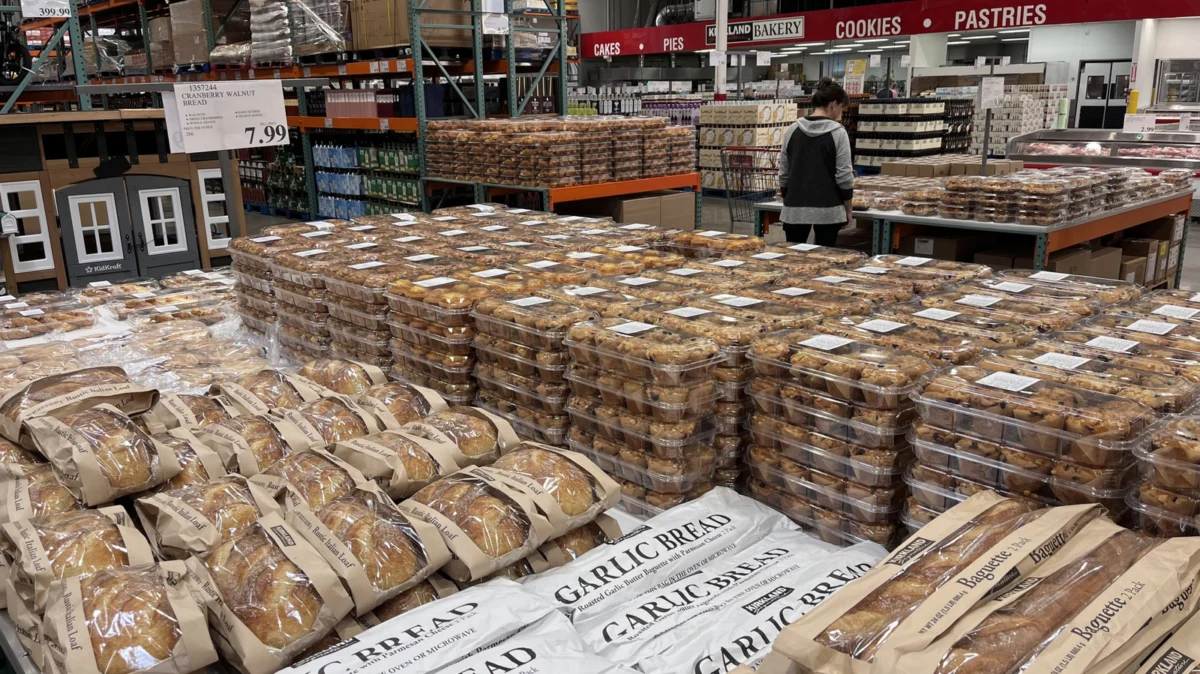
For the legions of loyal shoppers who frequent Costco, the bakery section is often viewed as a sanctuary of quality and value. From the legendary pumpkin pies to the crusty, reliable baguettes, Kirkland Signature baked goods have cultivated a reputation for excellence that often rivals high-end artisanal boutiques. However, a new arrival to the bakery shelves has shattered the usual harmony of the warehouse aisles. The Kirkland Signature Olive and Rosemary Sourdough Bread has ignited a fierce, digital debate, leaving bread enthusiasts and casual shoppers alike questioning what, exactly, constitutes "real" sourdough.
The Core Controversy: When Simplicity Meets Industrial Scale
The product in question is a robust, batard-shaped loaf, visually appealing and aromatic, featuring a blend of green and kalamata olives and a fragrant infusion of rosemary. On paper, it sounds like a dream for charcuterie boards and brunch tables. Yet, the moment consumers flip the package over to inspect the ingredient label, the excitement often gives way to skepticism.
In an era where "clean label" eating has become a consumer priority, the length of the ingredient list on this particular loaf—which totals nearly 30 items—has triggered a wave of backlash. Across social media platforms, including Instagram and Reddit, users have expressed frustration. Comments such as "Yeah with a thousand ingredients in it. No thanks" and "Please stop pushing this as sourdough. It is not!" highlight a growing divide between modern commercial baking practices and the idealized expectations of the home-baking community.
Defining "Sourfaux": The Expectation vs. Reality
The primary grievance held by critics is the deviation from the traditional "four-ingredient" rule. In the world of artisanal baking, sourdough is defined by its simplicity: flour, water, salt, and a wild yeast starter. This traditional fermentation process, which can take days, is what provides the signature tang and chewy texture that devotees crave.
When bread is produced using chemical leavening agents or additives to mimic that characteristic acidity without the long fermentation time, it is often pejoratively referred to as "sourfaux." For purists, any ingredient list that extends beyond the quartet of staples is an immediate red flag. The inclusion of commercial yeast, yeast extract, and various flour enrichments has led many to label the product an imposter, arguing that it exploits the popularity of sourdough to sell an industrial-style loaf.
Chronology: From Shelf Launch to Digital Outcry
The timeline of the controversy began shortly after the product’s rollout to Costco locations nationwide. Initially, the bread was met with the typical fanfare afforded to new Kirkland Signature releases. Early reviews praised the flavor profile, noting that the olive and rosemary combination was well-balanced and the texture was pleasant.
However, as the product reached a wider audience, the "back-of-the-package" audit began. By mid-month, social media threads on platforms like Reddit and Instagram saw a surge in posts dissecting the ingredient list. The discourse quickly shifted from culinary appreciation to technical critique.
- Launch Phase: Initial excitement focused on the artisanal appearance and flavor of the loaf.
- Inspection Phase: Consumers began sharing photos of the ingredient label, highlighting the length and complexity of the list.
- The "Purist" Pushback: Influential home bakers and food commentators began posting content defining "true" sourdough versus commercial hybrids, using the Costco loaf as a case study.
- Community Debate: A polarization occurred; one side maintained that the bread’s convenience and flavor justified its ingredients, while the other held fast to the definition of traditional sourdough.
Supporting Data: Parsing the Label
To understand the validity of the claims, one must analyze the ingredients list provided by Costco. The label includes: enriched flour (wheat flour, malted barley, niacin, iron, ferrous sulfate, thiamin mononitrate, riboflavin, folic acid), water, olives (green olives, kalamata olives, water, salt, lactic acid, citric acid, extra virgin olive oil), sour culture, wheat berries, rye flour, and whole wheat flour. Additionally, it contains less than 2% of wheat starch, salt, rosemary, semolina, yeast extract, yeast, barley flour, and enzymes.
Decoding the Complexity
When analyzed objectively, the ingredient list is less nefarious than the "30-ingredient" claim suggests.
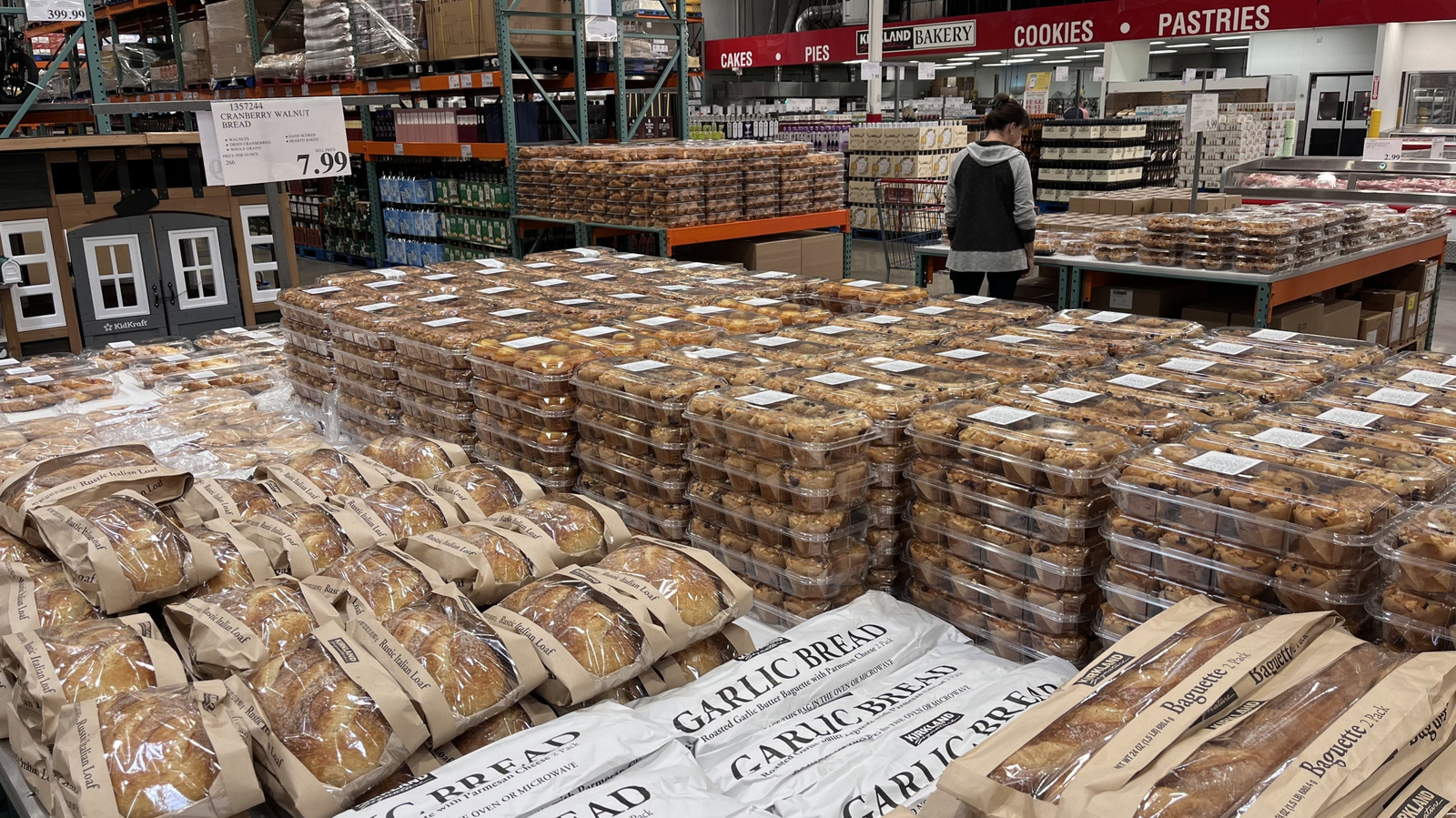
- The "Enrichment" Factor: A significant portion of the list—niacin, iron, riboflavin, etc.—are government-mandated fortifications for enriched flour. These are standard in almost all mass-produced breads.
- The Olive Component: The olives themselves contribute several items to the list (lactic acid, citric acid, extra virgin olive oil).
- The Leavening Agents: The most contentious items are the yeast and yeast extract. While a "true" sourdough relies solely on wild yeast, the addition of commercial yeast is a standard practice in commercial settings to ensure consistency, volume, and a predictable bake time across thousands of loaves.
Official Responses and Industry Perspectives
While Costco has not issued a formal press release regarding the "sourdough" status of the loaf, the company’s approach to bakery items is consistent with its broader business model: quality at scale.
Industry experts often point out that producing sourdough at the volume required for a warehouse club like Costco presents significant logistical challenges. True, long-fermentation sourdough is notoriously fickle. Temperature, humidity, and the temperament of the wild starter can lead to inconsistent results. By using a "hybrid" approach—incorporating a sour culture for flavor alongside commercial yeast for reliable rise—Costco ensures that every customer receives a loaf that looks and tastes the same.
In the realm of food science, the term "sourdough" is often used broadly. While a professional boulangerie would view the inclusion of commercial yeast as anathema to the craft, the FDA and other regulatory bodies have historically been more permissive in labeling requirements for breads that utilize a sourdough starter in the initial stages of production.
Implications: What Does This Mean for the Future of Grocery Bread?
The controversy surrounding this loaf is symptomatic of a larger shift in consumer awareness. Today’s grocery shopper is more educated than ever before. They read labels, track sugar content, and demand transparency. The backlash against the Kirkland Signature Olive and Rosemary Sourdough is a signal to retailers that consumers are increasingly holding private-label goods to the same standards as boutique brands.
The Rise of "Artisanal-Industrial" Baking
The tension here is between the artisanal ideal and the industrial reality. We live in a world where we expect high-quality, artisanal-style products to be available at an affordable price point and in high volume. Often, those three pillars—quality, price, and volume—are mutually exclusive.
If Costco were to switch to a 100% wild-yeast, long-fermentation process, the price of the loaf would likely triple, and the availability would decrease significantly due to the time-intensive nature of the production. The current product is a compromise: a bread that tastes like sourdough and provides the desired flavor profile for a fraction of the cost of a traditional bakery loaf.
The Verdict for the Consumer
For the average shopper, the question remains: is it still a "good" product? If the criteria for success is taste, texture, and value, the Costco loaf scores highly. If the criteria is adherence to the strict, ancestral methodology of sourdough baking, it fails.
Ultimately, this debate highlights the importance of consumer literacy. The modern shopper must learn to navigate the space between marketing terminology and nutritional reality. While the Costco loaf may not satisfy the purist who keeps a starter in their refrigerator for years, it represents a sophisticated entry-level bread that brings the flavor of artisanal baking to the mass market. The conversation it has sparked is a win for transparency, forcing us all to look a little closer at what we put in our shopping carts and why.