In the world of interior design and real estate, there is one element that architects, photographers, and home stagers agree is non-negotiable: natural light. Far more than a mere aesthetic preference, the infusion of daylight into a residential space acts as a catalyst for transformation. It alters the perception of square footage, influences the physiological well-being of inhabitants, and serves as a primary driver in property valuation.
Whether you are designing a custom build in the bustling urban landscape of Chicago or maximizing the sunlight in a suburban retreat in Provo, Utah, understanding how to harness the sun’s rays is essential. As we delve into the multifaceted benefits of natural light, it becomes clear that sunlight is not just a feature—it is the heartbeat of a home.
1. The Optical Illusion: Expanding Space Through Illumination
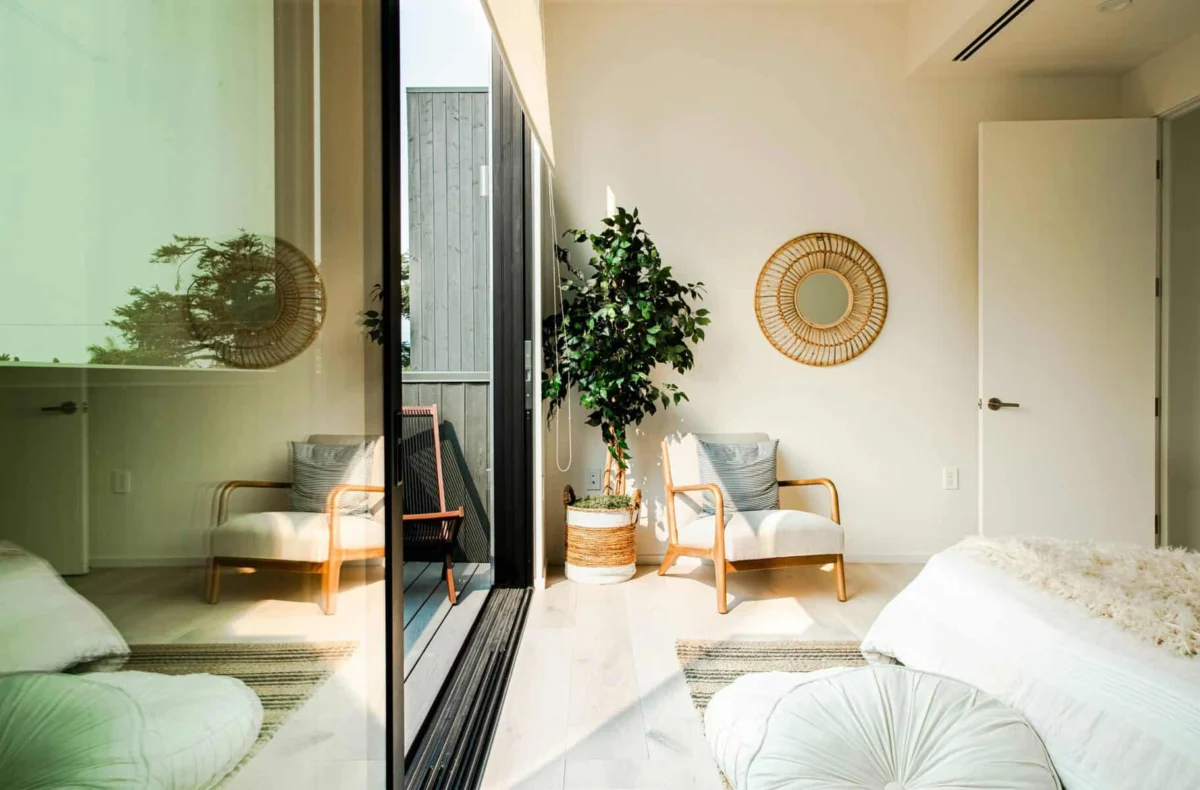
One of the most profound effects of natural light is its ability to manipulate the perception of space. A room that feels cramped or cavernous under the harsh glare of artificial lighting can be completely transformed by the soft, ambient glow of daylight.
The Physics of Depth
Natural light works by reducing the harsh contrast between light and shadow. In dark, poorly lit corners, the human eye perceives boundaries more sharply, which creates a "closed-in" sensation. By allowing sunlight to penetrate deep into a room through large windows, glass doors, or open floor plans, you create a sense of continuity. This effect is particularly vital in modern urban dwellings where floor plans are often constrained.
Mike McKiddie, Vice President of Architectural Design for Aubuchon Homes, notes that the strategy begins at the drafting table. "Natural light is considered from the very beginning, from the home’s orientation on the property to the placement and scale of windows and glass doors," says McKiddie. "Thoughtfully designed natural light can make spaces feel larger and more inviting, highlight architectural details and finishes, and create a stronger connection between indoor and outdoor living."
2. The Psychology of Sunlit Living
The impact of natural light extends beyond the walls of the home and into the psyche of its occupants. Human beings are biologically wired to respond to the circadian rhythm, a cycle dictated by the movement of the sun.
Enhancing Well-being and Mood
Exposure to natural light during the day is scientifically linked to improved mood, increased focus, and better sleep-wake cycles. When a home is bathed in sunlight, it fosters an environment that feels inherently cleaner, more cheerful, and more comfortable.
Beazy Clark of Pinnacle Realty emphasizes the emotional weight of this design element during the home-buying process. "Natural light can boost a buyer’s sense of happiness, linking the house to positive emotions," Clark explains. "Natural light adds the finishing touch to a masterpiece." This emotional connection is a powerful tool; when a prospective buyer steps into a sun-drenched living room, they are not just seeing a floor plan—they are feeling the potential for a happy, vibrant lifestyle.
3. Aesthetic Elevation: Showcasing True Character
For homeowners looking to improve their property’s visual appeal, natural light acts as the ultimate filter. It enhances textures, reveals true color palettes, and draws attention to architectural focal points that might otherwise go unnoticed.
The Professional Photographer’s Secret
In the real estate market, visual presentation is everything. AB-Photography, a premier architectural photography firm, highlights that natural light is the single most effective way to showcase a home’s true character.
"It brings out the natural colors and textures of a space, creates a greater sense of depth, and can make rooms feel brighter, more open, and inviting," they note. When a home is photographed, professional stagers and photographers go to great lengths to ensure natural light is optimized. This is because artificial light, no matter how high-end, often struggles to replicate the organic quality of daylight, which softens edges and gives rooms a "lived-in" warmth.
4. Economic Implications: Energy Efficiency and Sustainability
While many associate natural light with luxury, it is also a cornerstone of sustainable building design. By maximizing solar gain and daylight penetration, homeowners can significantly reduce their reliance on electrical lighting systems during daylight hours.
The Balancing Act
However, the integration of natural light must be balanced with climate considerations. Simply adding more windows is not a universal solution.
- Window Orientation: North-facing windows provide soft, consistent light, whereas south-facing windows offer intense, direct sunlight.
- Glazing and Insulation: Modern high-performance glass can allow light in while blocking the heat-carrying infrared rays, preventing the home from overheating.
- Shading Solutions: Overhangs, trees, and smart window treatments are essential to manage heat gain in warmer months.
As noted by design experts, the goal is not to maximize glass, but to maximize quality. Thoughtful placement ensures that you reap the rewards of sunlight without compromising the home’s thermal efficiency.
5. Resale Value: The Market’s "Invisible" Asset
Perhaps the most tangible benefit of natural light is its influence on market value. Real estate agents consistently report that homes with superior natural lighting spend less time on the market.
Why Buyers Pay More for Light
When a property has bright, airy rooms, it suggests a well-maintained, high-quality structure. Buyers often associate dark, gloomy rooms with potential maintenance issues—dampness, poor ventilation, or structural neglect. Conversely, a house filled with light feels "new" and "fresh."
For sellers, this is an actionable insight. Before listing your home, you don’t need a massive renovation to boost your resale value. Simple, low-cost steps—such as cleaning window panes, trimming back overgrown landscaping that obscures views, and utilizing light-reflecting mirrors—can drastically improve the "daylight score" of your home during showings.
Chronology of Home Design: From Dark to Light
To understand the importance of light, one must look at the evolution of residential architecture.
- Pre-20th Century: Homes were built with small windows to maintain heat, leading to darker, compartmentalized interiors.
- Mid-Century Modern: Architects like Frank Lloyd Wright began to break the mold, using floor-to-ceiling glass to "bring the outside in," fundamentally changing how we view the relationship between interior space and the natural environment.
- Contemporary Era: Today, we see a marriage of these concepts—using high-tech, energy-efficient glass to achieve the expansive, open feel that mid-century masters dreamed of, without the energy loss.
Official Perspectives and Expert Advice
Industry leaders suggest a strategic approach to light management. According to architectural experts, there are three primary phases to evaluating and improving your home’s light:
1. Assessment
Understand your home’s orientation. Use a compass or a sun-tracking app to see which rooms receive the most light at different times of the day.
2. Optimization
Use interior design to amplify the light you have. Light-colored walls, high-gloss finishes, and strategically placed mirrors can reflect sunlight into darker corners of the home.
3. Integration
When planning renovations, consult with professionals about window placement. As Mike McKiddie suggests, the orientation on the lot is the most critical factor. If you are building or renovating, prioritize windows that frame views and capture the path of the sun.
The Path Forward: Bringing More Light In
If your home currently feels a bit "caved-in," don’t despair. Even in older homes with modest window sizing, there are ways to invite more light:
- Mirror Placement: Place mirrors opposite windows to bounce light into the center of the room.
- Window Treatments: Swap heavy, opaque curtains for sheer fabrics or top-down/bottom-up blinds that allow light in while maintaining privacy.
- Interior Glass: Consider using glass-paneled doors between rooms to allow light to travel from one space to another.
- Landscaping: Prune trees and shrubs that grow too close to windows, as these are common "light-thieves."
Conclusion: The Radiant Standard
Natural light is far more than a design trend; it is a fundamental component of architectural excellence. It bridges the gap between the structure of a building and the well-being of its inhabitants. By prioritizing the flow of light, homeowners create spaces that are not only more valuable and energy-efficient but also profoundly more livable.
Whether you are looking to sell your home or simply wish to enhance your daily experience, the pursuit of light is a worthwhile investment. As you open your curtains and let the morning sun fill your rooms, you are doing more than just illuminating a space—you are inviting vitality, clarity, and peace into your home.