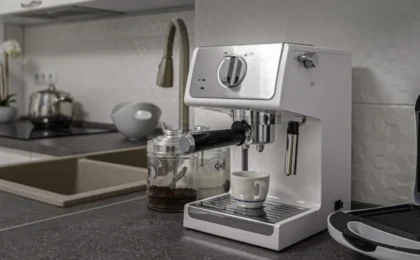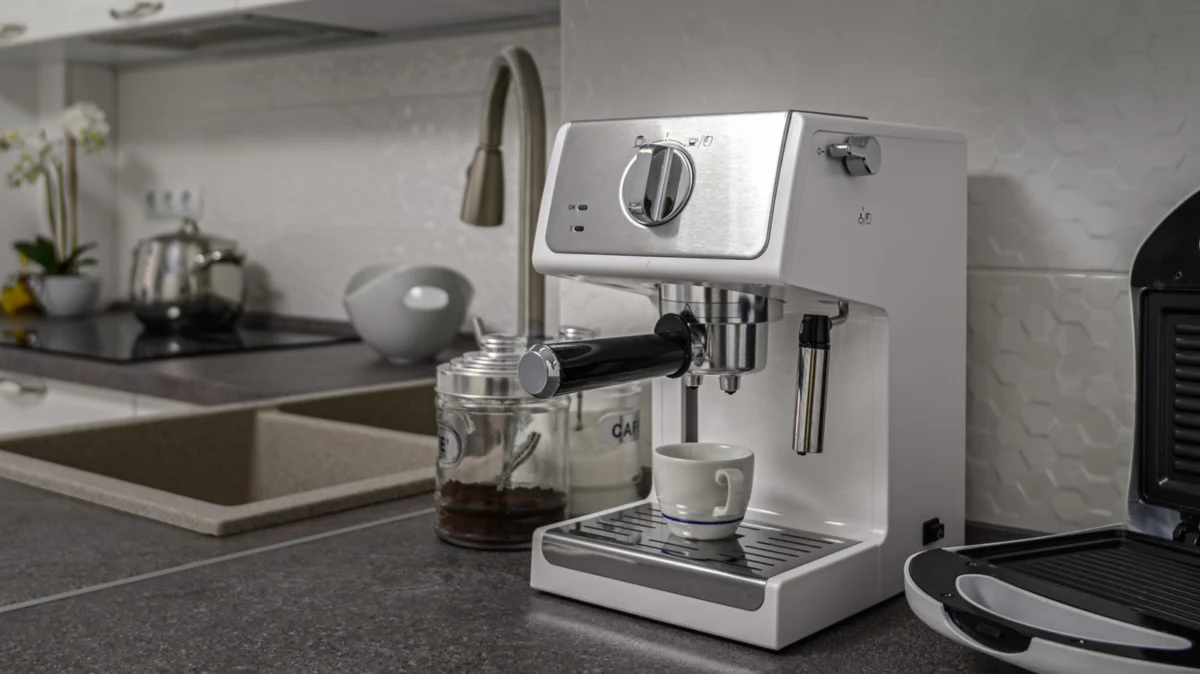
Investing in a high-quality home espresso machine is often viewed as a rite of passage for the serious coffee enthusiast. Beyond the aesthetic appeal of a sleek, chrome-finished centerpiece on your countertop, the financial incentive is compelling. With daily visits to boutique coffee shops easily costing between $3,000 and $5,000 annually, a home machine can pay for itself in a remarkably short window.
However, the transition from consumer to home barista comes with a new set of responsibilities. Unlike a standard drip coffee maker, an espresso machine is a high-pressure, high-heat precision instrument. Understanding how long these machines last, why they fail, and how to preserve them is essential for any long-term investment.
The Main Facts: How Long Will It Last?
On average, a home espresso machine will provide five to fifteen years of reliable service. However, this range is broad because it is heavily contingent on the machine’s complexity and build quality.
- Fully Automated Machines (Super-Automatics): These "bean-to-cup" systems are marvels of convenience, handling grinding, tamping, and brewing with a single button press. Because they contain intricate electronic boards, sensors, and moving mechanical parts, they have the shortest lifespan, typically ranging from four to eight years.
- Semi-Automatic Machines: The most popular choice for hobbyists, these machines require the user to grind, dose, and tamp the coffee while the machine manages the pressure and temperature. These models are generally more robust and can be expected to last five to fifteen years.
- Manual (Lever) Machines: These are the workhorses of the industry. With fewer electronic components and a focus on mechanical simplicity, a well-maintained lever machine can easily exceed twenty years of service, often becoming a legacy appliance passed down through generations.
A Chronological Breakdown of Machine Failure
To understand why machines fail, one must look at the mechanical life cycle of an espresso machine.
Phase 1: The Honeymoon (Years 0–2)
During the initial years, most failures are related to "infant mortality"—factory defects in pumps or electronic control boards. If a machine survives this phase, it enters a period of high performance. The primary risk here is user error: failing to clean the group head or neglecting to backflush the system.
Phase 2: The Maintenance Threshold (Years 3–7)
By the three-to-five-year mark, internal seals (gaskets) and O-rings begin to degrade due to constant exposure to high heat and pressure. This is the stage where most "leaks" occur. If the machine is not descaled regularly, mineral deposits begin to constrict the solenoid valves and the heat exchanger.
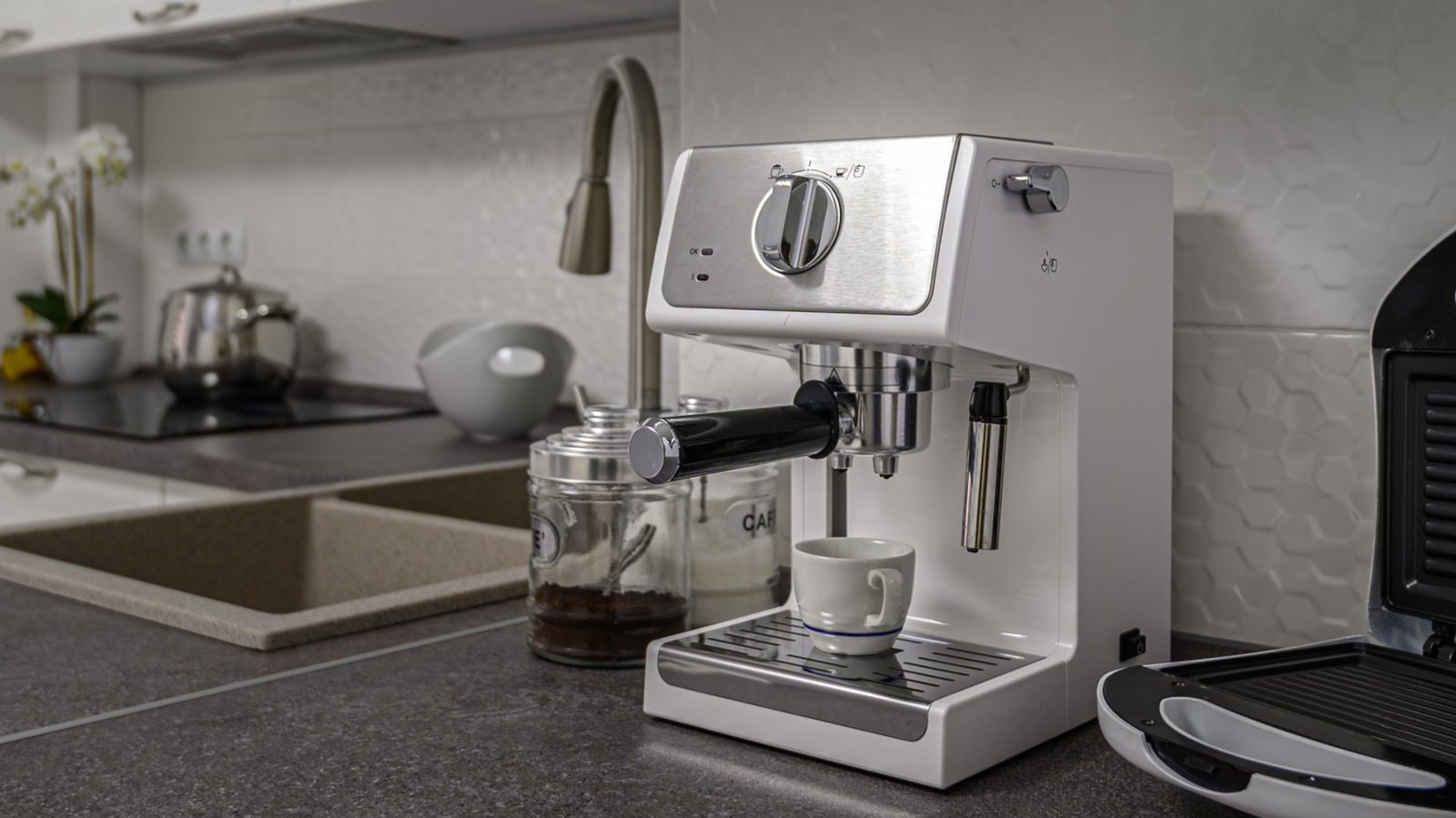
Phase 3: The Mechanical Decline (Years 8+)
For complex machines, the electronics may begin to suffer from "heat soak," where components fail due to years of thermal expansion and contraction. Pumps may lose their pressure-generating capacity, and heating elements may scale over to the point of inefficiency. This is the period where the cost of repair begins to rival the cost of a new, updated model.
Supporting Data: The Impact of Water Chemistry
The most significant silent killer of espresso machines is not usage frequency, but water chemistry.
Water contains dissolved solids—primarily calcium and magnesium. When water is heated to the temperatures required for espresso (typically 195°F to 205°F), these minerals precipitate out, creating a hard, crusty buildup known as limescale.
According to industry data, machines used with unfiltered tap water in "hard water" regions see a 40% higher rate of catastrophic failure before the five-year mark. Limescale acts as an insulator on heating elements, forcing them to work harder and longer to achieve target temperatures, which eventually leads to element burnout. Furthermore, scale can block the delicate tubing of a solenoid valve, rendering a $1,500 machine completely non-functional.
Expert Perspectives and Best Practices
Professional technicians and industry manufacturers emphasize that longevity is almost entirely a function of "preventative maintenance" rather than "reactive repair."
The Descaling Protocol
Most manufacturers recommend descaling every three to six months, depending on the hardness of your local water supply. However, the "gold standard" is to use filtered or distilled water remineralized to specific standards. By preventing scale from ever forming, you effectively remove the primary cause of internal pipe degradation.
The Daily Cleaning Ritual
"Cleaning is not a chore; it is an extension of the machine’s life," says one leading repair specialist. Essential daily habits include:
- Backflushing: Using a blind filter to clear oils from the group head.
- Steam Wand Purging: Clearing the wand immediately after use to prevent milk from being sucked into the boiler, which can lead to bacterial growth and blockages.
- Portafilter Maintenance: Ensuring the filter basket is free of old coffee oils, which can turn rancid and ruin the flavor profile of future shots.
Implications: Making the Right Purchase
The "quickest way to ruin your at-home barista game" is to select a machine that does not align with your lifestyle. Before purchasing, consumers must reconcile their desire for convenience with their willingness to perform maintenance.
If you are a casual coffee drinker who finds the ritual of tamping and cleaning tedious, a high-end semi-automatic machine will likely end up as an expensive piece of kitchen decor. In such cases, a simpler capsule-based machine—while having a shorter overall lifespan and higher environmental impact—might provide a better return on investment by ensuring you actually use the product.
Conversely, if you are drawn to the craft of espresso, investing in a machine with standard, replaceable parts is the most sustainable path. Machines that allow for the replacement of standard pumps (like the ubiquitous ULKA pumps) and common gaskets are inherently "repairable," effectively granting them an indefinite lifespan if the owner is willing to source parts and perform basic troubleshooting.
Final Considerations for the Future
As technology advances, we are seeing the rise of "smart" espresso machines with Wi-Fi connectivity and complex firmware. While these offer unprecedented control over pressure profiling and temperature stability, they introduce a new failure point: software obsolescence. A machine that relies on a proprietary app to function may become a paperweight if the manufacturer discontinues support for the software.
When selecting your machine, consider the availability of spare parts. Brands with a robust secondary market for components are statistically more likely to stay on your counter for the next decade. Treat your espresso machine as a precision tool—not a disposable gadget—and it will return the favor with thousands of perfect shots.