By Francesco Porzio
June 24, 2026
The 2026 FIFA World Cup has officially entered its most treacherous phase. As the group stage reaches its frantic conclusion, the expanded 48-team format—a historic shift for the sport’s most prestigious tournament—is proving to be a logistical and psychological gauntlet. With the tournament structure now encompassing 12 groups, the traditional "top two" qualification path has been supplemented by a lifeline that has shifted the strategic landscape of the entire event: the inclusion of the eight best third-placed teams in the Round of 32.
As nations battle for every goal and every point, the arithmetic of survival has become just as important as the quality of play on the pitch. For managers, players, and fans, the math is complex, the stakes are unprecedented, and the margin for error has never been thinner.
The New Frontier: Understanding the Round of 32 Qualification
In previous iterations of the World Cup, the knockout stage was a straightforward affair. However, the 2026 expansion necessitated a radical overhaul of the bracket. To complete a 32-team knockout field, FIFA implemented a system where the 12 group winners and the 12 group runners-up occupy the first 24 slots, while the remaining eight spots are reserved for the highest-performing third-place finishers.
This change has fundamentally altered the "dead rubber" matches that historically plagued the final day of group play. In the current format, a team that has already lost its opening two games can no longer simply pack their bags. Every goal scored and every goal conceded carries the weight of potential qualification, as tiebreakers like goal difference and total goals scored are now the primary currency for those sitting in third place.
The Chronology of Chaos: How We Got Here
As of Wednesday, June 24, the tournament is at a boiling point. The initial matches showcased the diversity of the 48-nation field, but the second round of fixtures saw the realities of the expanded format settle in.
The First Week of Uncertainty
The opening round was characterized by tactical conservatism, as teams felt out the new format. However, as teams entered their second matches, the pressure to secure a win—or at least a favorable draw—intensified. By June 22, the "Third-Place Table" began to take shape, and by the morning of June 24, a clear picture emerged of the teams hovering on the precipice of elimination.
The Current Landscape
As of 9 a.m. ET on June 24, the standings among third-placed teams reflect a wide spectrum of hope and desperation. Nations like Sweden and Scotland currently sit in the driver’s seat, each boasting three points and a neutral goal difference. Conversely, teams like Senegal are fighting an uphill battle, sitting at the bottom of the third-place list with zero points and a daunting goal difference. The coming 48 hours will serve as the final filter, where the difference between a flight home and a spot in the Round of 32 will likely come down to a single goal.

Supporting Data: The Third-Place Power Rankings
The current table of third-placed teams acts as a living document of the tournament’s intensity. As teams head into their third and final group matches, these rankings remain fluid, subject to change with every whistle.
| Pos | Team | GP | W | D | L | GF | GA | GD | PTS |
|---|---|---|---|---|---|---|---|---|---|
| 1 | Sweden | 2 | 1 | 0 | 1 | 6 | 6 | 0 | 3 |
| 2 | Scotland | 2 | 1 | 0 | 1 | 1 | 1 | 0 | 3 |
| 3 | Croatia | 2 | 1 | 0 | 1 | 3 | 4 | -1 | 3 |
| 4 | Paraguay | 2 | 1 | 0 | 1 | 2 | 4 | -2 | 3 |
| 5 | Algeria | 2 | 1 | 0 | 1 | 2 | 4 | -2 | 3 |
| 6 | Cabo Verde | 2 | 0 | 2 | 0 | 2 | 2 | 0 | 2 |
| 7 | Belgium | 2 | 0 | 1 | 0 | 1 | 1 | 0 | 2 |
| 8 | Czechia | 2 | 0 | 1 | 1 | 2 | 3 | -1 | 1 |
| 9 | DR Congo | 2 | 0 | 1 | 1 | 1 | 2 | -1 | 1 |
| 10 | Ecuador | 2 | 0 | 1 | 1 | 0 | 1 | -1 | 1 |
| 11 | Bosnia-Herzegovina | 2 | 0 | 1 | 1 | 2 | 5 | -3 | 1 |
| 12 | Senegal | 2 | 0 | 0 | 2 | 3 | 6 | -3 | 0 |
Data accurate as of June 24, 2026.
Official Responses and Tactical Implications
The shift to this format has not been without its critics, but for the participating federations, the focus is entirely on the "Path of Eight."
"We are not looking at the table," said one national team head coach in a press briefing yesterday. "We are looking at the three points available in our next match. If you play for a draw to sneak in as a third-place team, you invite disaster. The math is for the fans; our job is to win."
Despite this professional stance, the tactical implications are undeniable. Teams in the "bubble" zone (positions 7 through 10) are playing a dual game. They must play to win their own match while simultaneously monitoring the results of other groups. This has led to a fascinating phenomenon: coaches are frequently seen consulting tablets and communicating with analysts in the stands, not just about their own opponent, but about the scorelines in parallel matches taking place hundreds of miles away.
The Complexity of Bracket Uncertainty
One of the most significant challenges for teams is the uncertainty of their path. Because the final ranking of the third-place teams depends on the results of every group, a team could theoretically secure qualification but remain unaware of their Round of 32 opponent or their match location until hours after their own game concludes.
This creates a logistical nightmare for team staff—who must prepare scouting reports for multiple potential opponents—and a mental challenge for players who must maintain focus without knowing the specific stakes of their next 90 minutes.
The Psychological Toll of the "Expanded" Tournament
The expansion of the World Cup was marketed as a way to include more nations and provide more drama. Through the first two weeks, it has certainly delivered on the drama. However, the psychological toll on smaller nations, which may have only one shot at a tournament of this magnitude, is immense.

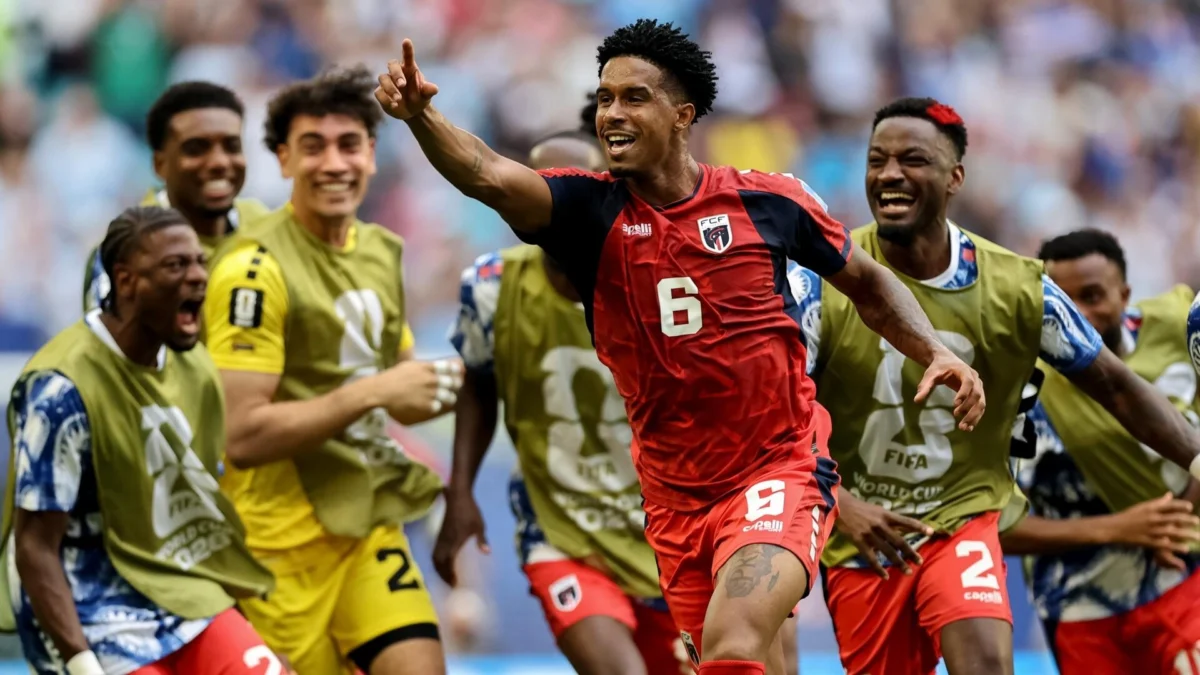
For a team like Cabo Verde, sitting in 6th place, every minute is a battle for national pride. For a footballing giant like Belgium, sitting in 7th, the pressure is of a different variety: the existential dread of failing to advance from a group stage, regardless of the third-place safety net. The format forces these two ends of the footballing spectrum to compete on the same meritocratic table, creating a level of tension that previous World Cups lacked.
Looking Ahead: The Final Stretch
As we move into the final 48 hours of group-stage action, the focus shifts to the tiebreakers. If teams finish level on points, the FIFA criteria are strict:
- Goal difference in all group matches.
- Goals scored in all group matches.
- Fair play points (based on yellow and red cards).
- Drawing of lots (the final, dreaded recourse).
With the current standings so tight—particularly the logjam between 6th and 11th place—the tournament is set for a dramatic conclusion. We are likely to see teams pushing for goals in the final minutes even when a draw would suffice, simply to protect against a goal-difference tiebreaker.
Conclusion: A New Era of Global Football
The 2026 World Cup is testing the limits of what a tournament can be. While purists may long for the simplicity of the 32-team, four-team-group format, the current reality is an exercise in high-stakes strategy and mathematical resilience.
For the eight teams that ultimately claw their way into the Round of 32 via the third-place route, the achievement will be a testament to their ability to adapt to a new, unforgiving landscape. The World Cup has always been a test of skill, but in 2026, it is also a test of nerves. As the final whistle blows on the group stage, the field will be narrowed, the bracket will be set, and the true, knockout-only journey to the final will begin in earnest.
Stay tuned to our coverage as the final matches decide who stays and who goes home. The road to the trophy has never been more complicated, nor has it ever been this thrilling.