Welcome back to TechCrunch Mobility, your definitive source for the rapidly evolving landscape of autonomous transportation and the AI-driven technologies reshaping how we move.
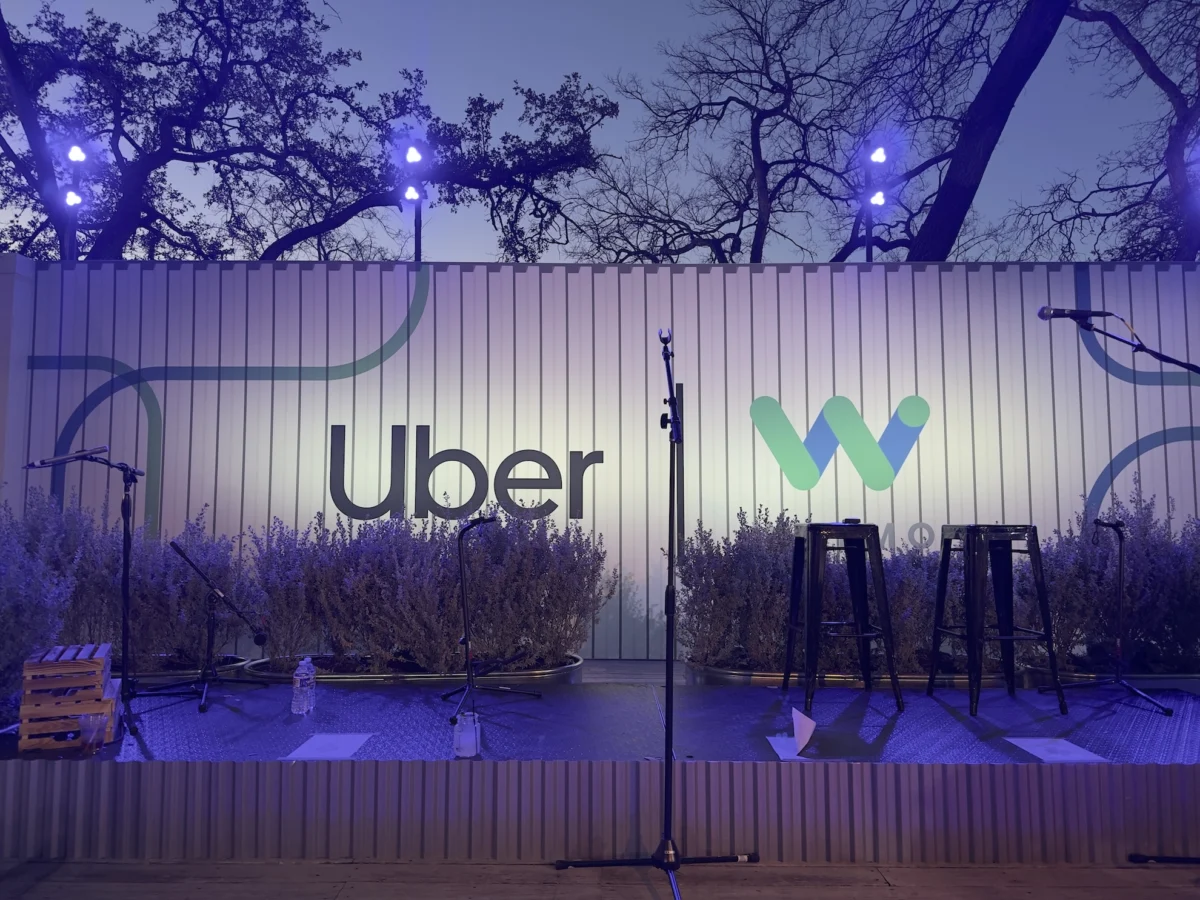
The uneasy alliance between the titans of ride-hailing and the pioneers of autonomous driving has officially fractured. As I predicted last week, the partnership between Uber and Waymo has reached a tipping point, transforming from a collaborative experiment into a high-stakes legislative battlefield. This is no longer a matter of speculation; it is a tactical, boardroom-level war over who will control the future of urban mobility.
The Collision Course: Uber vs. Waymo
For several weeks, I have been investigating internal correspondence and lobbying efforts directed at the D.C. Council, which is currently deliberating a landmark bill that would codify the rules for autonomous vehicle (AV) operation in the nation’s capital. The documents reveal that Uber and Waymo are currently sparring—both in the shadows of back-room negotiations and in the glare of public hearings.
Uber’s stance is one of defensive opposition. The company argues that the proposed legislation would inadvertently trigger the mass displacement of human drivers and grant Waymo a de facto monopoly. Uber’s lobbying efforts are centered on a "hybrid" regulatory framework that would mandate robotaxis to operate strictly within established ride-hailing networks alongside human-operated vehicles.
Industry insiders suggest this hybrid model has a slim chance of surviving the legislative process. However, the proposal highlights a fundamental existential crisis for AV developers: should they be forced to integrate into platforms like Uber, or be required to maintain a costly, dual-track business model of human drivers and proprietary robotaxi fleets? For companies like Waymo, which have invested hundreds of millions of dollars into autonomous stacks, the prospect of being forced onto a third-party platform is a non-starter.
Chronology: The D.C. Council Showdown
The tension culminated in a pivotal D.C. Council hearing held this past Monday. The room was packed with a diverse coalition of stakeholders, including representatives from Lyft, Tesla, Uber, and Waymo, alongside accessibility advocates, labor unions, and local government officials.
The consensus following the testimony was clear: Waymo stands as one of the few industry players in favor of the current bill’s structure. Conversely, the broader industry—ranging from established ride-hail giants to EV manufacturers—has voiced significant alarm.

Tesla’s senior policy adviser, India Herdman, articulated the industry’s collective anxiety during the hearing. The primary points of contention include:
- A mandatory 180-day and 250,000-mile testing requirement.
- A $1 million application fee.
- A $5 million permit fee.
- A $0.15-per-mile tax on autonomous operations.
Tesla, along with other developers, argued that these hurdles are punitive and that mileage accumulated in other jurisdictions should be credited toward the D.C. threshold. Waymo, however, has an undeniable strategic advantage. Having already conducted extensive testing in D.C. with human safety operators, the company has cleared the 250,000-mile and 180-day benchmarks. If the bill passes in its current form, Waymo would effectively enter the market with a six-month lead time, leaving competitors scrambling to catch up.
The Broader Landscape: Deals and Dominance
While the policy battles unfold in D.C., the commercial landscape is shifting with equal velocity.
Uber’s Global Expansion
Uber is doubling down on its position as a global logistics behemoth. The company recently announced a massive $14.8 billion deal to acquire the German delivery giant Delivery Hero. If the transaction clears the inevitable regulatory hurdles, it will expand Uber’s footprint across 100 new markets in Europe, the Middle East, Asia, and Latin America. This acquisition effectively doubles Uber’s delivery capabilities, signaling that their vision for the future isn’t just about moving people—it’s about dominating the entire "last-mile" economy.
Venture Capital and Innovation
The appetite for automotive and infrastructure innovation remains high, as evidenced by recent funding rounds:
- Self Inspection: The San Diego-based startup, which is applying AI to streamline vehicle inspection processes, secured $10 million in a round led by the family office of Sheryl Sandberg. Strategic participation from industry stalwarts like U.S. AutoForce and Westlake Financial underscores the growing necessity of digitizing maintenance and compliance.
- Senra: Modernizing the antiquated world of wire harnesses, Senra raised $65 million in a Series B round. With backing from heavyweights like Sequoia Capital and Andreessen Horowitz, the company is aiming to bring vehicle manufacturing into the 21st century.
Conversely, the market is bracing for volatility in other sectors. Zepto, the Indian rapid-delivery unicorn, is reportedly eyeing an IPO at a valuation significantly lower than its previous $7 billion peak—a sobering reminder of the cooling sentiment toward hyper-growth delivery models.
Implications: The Road Ahead
The friction in D.C. is a microcosm of a larger, national struggle. As cities attempt to draft legislation that balances safety with innovation, they are forced to weigh the demands of legacy labor forces against the promise of a "frictionless" autonomous future.

Notable Tidbits and Industry Pulse
The industry is currently grappling with a series of high-profile challenges:
- Public Safety and Trust: The NTSB recently confirmed that a Tesla driver involved in a fatal crash had pressed the accelerator to 100%, overriding the vehicle’s Full Self-Driving (Supervised) software. Such incidents underscore the "human-in-the-loop" vulnerability that regulators are increasingly focused on.
- Regulatory Backlash: San Francisco Mayor Daniel Lurie is pushing for stricter oversight following a July 4th incident where Waymo vehicles became stranded in traffic, paralyzing city streets. This suggests that the "permissionless innovation" era for AVs may be drawing to a close.
- Corporate Resilience: Lucid Motors successfully navigated a massive public relations and stock market crisis after rumors of a potential bankruptcy triggered a 50% drop in share price. The company’s rapid recovery serves as a testament to the high-stakes, rumor-sensitive nature of the EV market.
- The Dying Art: Government data reveals that only 0.6% of new vehicles in the U.S. feature manual transmissions. As we move toward a future defined by automation and electrification, the stick shift is becoming an automotive relic.
Official Responses and Perspectives
The industry is divided on how to move forward. Lyft CEO David Risher has leaned into a "Good Uber" branding strategy, attempting to position his company as a more collaborative, less combative partner for cities and regulators. Meanwhile, Uber’s Chief Product Officer, Sachin Kansal, recently spoke with TechCrunch about the company’s pivot toward AI agents and its complex position in the robotaxi race.
Uber’s strategy is clear: they do not want to be a service provider for robotaxi fleets; they want to be the platform through which all mobility—human or machine—is orchestrated. Whether they can maintain that influence in the face of Waymo’s direct-to-consumer model remains the central question of the decade.
Conclusion: A Turning Point for Mobility
As we look toward the remainder of the year, one thing is certain: the era of speculative testing is over. We are entering the era of regulatory enforcement and market consolidation. Whether it is the battle for D.C. streets or the consolidation of global delivery networks, the moves made today will define the infrastructure of the next fifty years.
For those watching closely, the discord between Uber and Waymo is not just a corporate squabble—it is the sound of the future being negotiated in real-time. Stay tuned to TechCrunch Mobility as we continue to track these developments, ensuring you stay ahead of the curve in this rapidly shifting landscape.
Disclaimer: When you purchase through links in our articles, we may earn a small commission. This does not affect our editorial independence.