For nearly half a century, the BMW M1 has stood as a solitary monument to a path not taken. With its iconic Giugiaro-penned wedge silhouette, mid-mounted inline-six engine, and motorsport pedigree, it remains the singular "true" supercar ever produced by the Bavarian manufacturer. Despite its brief production run between 1978 and 1981, the M1’s cultural footprint is vast, casting a long shadow over the corporate halls of Munich. Even today, as BMW pivots toward an electrified, software-defined future, its top executives—and the legion of brand enthusiasts—cannot stop looking back at what started it all.
A Legacy Etched in Wedge-Shaped Steel
To understand the persistent yearning for an M1 successor, one must understand the M1 itself. It was born out of necessity and ambition, a collaboration with Lamborghini that eventually became a pure BMW endeavor. It was the first project developed solely by the then-fledgling M division.
When it debuted, it was a radical departure from the brand’s identity as a manufacturer of premium saloons. It was a race car for the road, a homologation special that promised to bridge the gap between track dominance and street-legal performance. While the car achieved legendary status, the company moved on, focusing its M division on the high-performance variants of the 3 Series and 5 Series that would eventually define the "Ultimate Driving Machine" mantra for decades. Yet, the M1 remains the "unfinished business" of BMW’s history.
The Modern Executives’ Perspective
In a recent and revealing interview with BMWBlog, Frank van Meel, the visionary boss of BMW M, offered a sentiment that resonated with enthusiasts globally: "I’m in love with the original M1, but I would love to do a new one."
This is not merely a passing comment from a gearhead executive; it represents an internal tension between heritage and modern corporate strategy. Oliver Heilmer, the head of M Design, mirrored this enthusiasm, suggesting that the spirit of the M1 is constantly a reference point in the design studios of Munich. The desire to capture the magic of that low-slung, mid-engined profile is palpable, but translating that romantic desire into a production reality has proven to be a Herculean task for the modern BMW board.
The "95 Percent" Tragedy: The Vision M Next
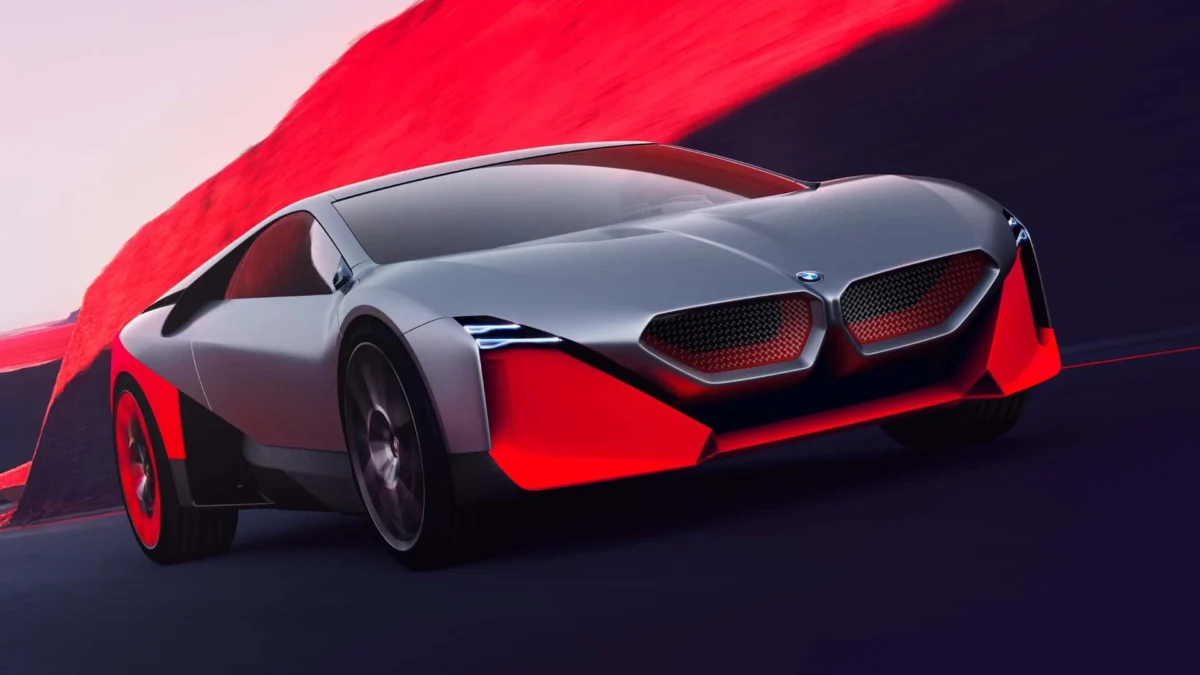
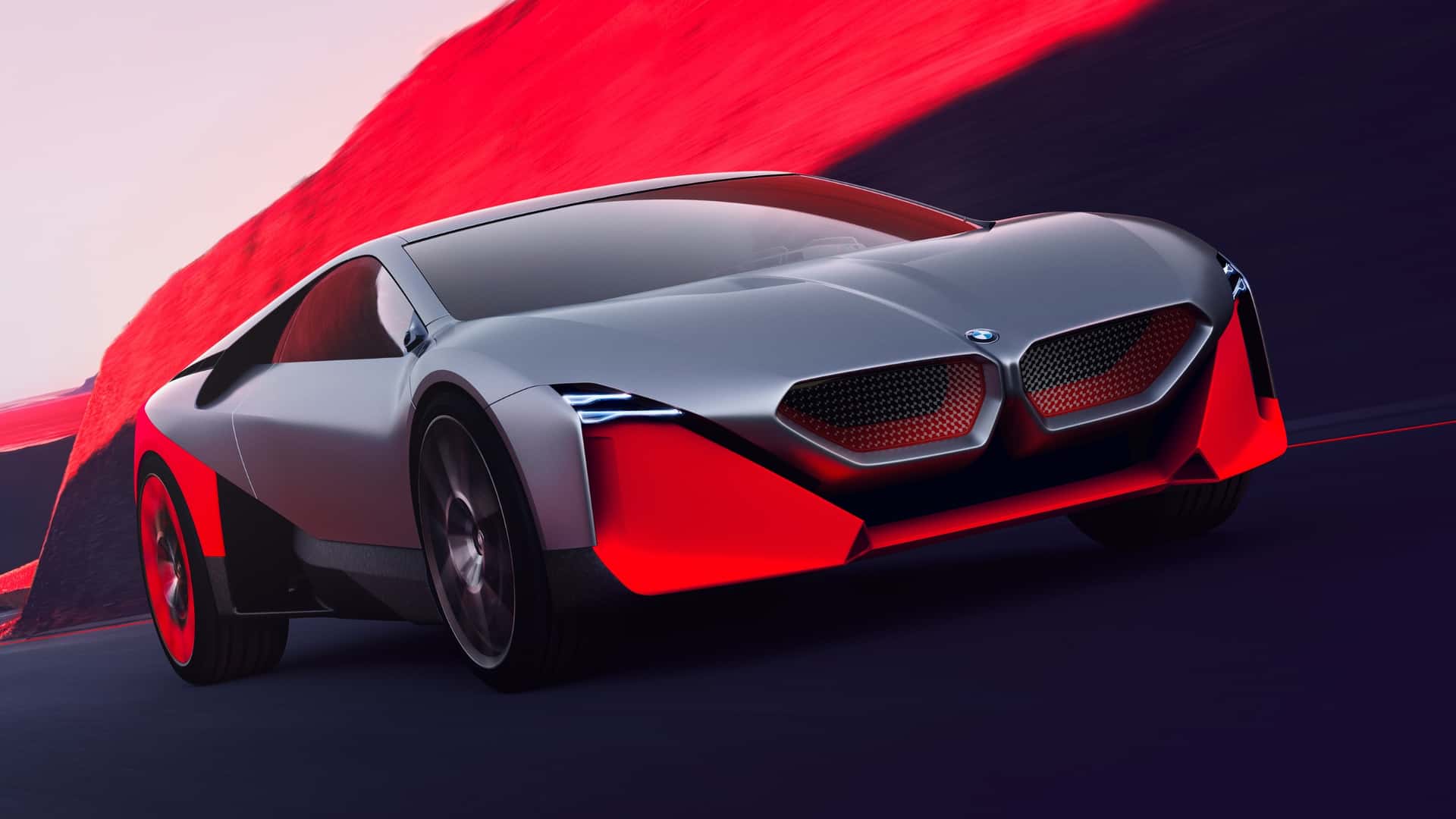
The closest BMW has come to fulfilling this dream in the modern era was the 2019 Vision M Next Concept. It was a stunning piece of design—a electrified, 600-horsepower plug-in hybrid hypercar that looked, felt, and drove like a spiritual successor to the M1.
According to noted BMW author and historian Steve Saxty, the project was essentially a "done deal." Saxty revealed that the car was "95 percent finished" and slated for production around 2022. The automotive world was poised for the return of the mid-engined BMW king. However, as the global automotive landscape shifted, so did BMW’s priorities.
The decision to pull the plug on the Vision M Next was a watershed moment. Instead of a low-slung supercar, the company pivoted toward the development of the BMW XM. The XM was marketed as the spiritual successor to the M1, a bold but controversial move that prioritized SUV architecture and hybrid-electric volume over the traditional, lightweight, mid-engined supercar formula.
The XM: A Misaligned Successor?
The marketing strategy for the XM—positioning it as the "M1 of our time"—has faced significant headwinds. The market reception has been lukewarm at best. While the XM is a technological marvel in terms of its powertrain and luxury appointments, it lacks the visceral, driver-centric purity that defined the original M1.
The commercial reality of the XM’s struggle is becoming increasingly clear. BMW has begun to adjust its expectations, announcing the discontinuation of the base-model XM for 2026 and implementing aggressive price cuts on the flagship Black Label trim. These moves suggest that while the company tried to force a narrative by linking the XM to the M1, the consumer base—and the enthusiasts who hold the original M1 in such high regard—did not fully accept the substitution.
Why a New M1 Remains an Elusive Mirage
If the leadership wants it, and the fans are clamoring for it, why hasn’t a new M1 arrived? The answer lies in the harsh mathematics of modern automotive manufacturing.
The Cost of Innovation
A mid-engined supercar is, by definition, a low-volume, high-complexity machine. It requires a dedicated platform, specialized engineering, and a bespoke production line. In an era where BMW is pouring billions into the "Neue Klasse" electric platform and autonomous driving technology, the capital allocation for a flagship supercar that might only sell a few thousand units is difficult to justify to shareholders.
The Uncertainty of the EV Transition
The automotive industry is in the midst of a massive, forced transition. Manufacturers are balancing the sunset of the internal combustion engine with the rise of battery-electric vehicles. Spending massive research and development budgets on a halo car that relies on a specific engine configuration is a high-risk gamble. Is a new M1 a V8 hybrid? Is it an all-electric rocket? If BMW chooses wrong, it risks tarnishing the very legacy it is trying to honor.
The Brand Identity Dilemma
BMW has spent decades refining the "M" brand as the master of the performance sedan and SUV. Introducing a mid-engined supercar would necessitate a shift in R&D focus that could distract from the core business. While a supercar creates a halo effect, it can also create an identity crisis if it doesn’t align with the brand’s broader, electrified, mass-market trajectory.
The Road Ahead: Will the Dream Ever Materialize?
Despite the logistical and financial hurdles, the "M1 itch" is one that BMW continues to scratch through concept cars and design studies. The company is currently deep into the development of its future EV lineup, and there is a possibility that a high-performance, low-volume halo car could eventually emerge as an electric-first project.
Van Meel and his team are clearly not ready to let the dream die. However, for the foreseeable future, the "new M1" remains a phantom—a design exercise, a "what-if" scenario, and a constant reminder of the company’s past greatness.
For the automotive enthusiast, the lesson of the Vision M Next is that timing is everything. BMW had the car, the design, and the momentum, but they lacked the conviction to bring it to market during a period of massive industry instability.
Conclusion: A Legacy of "What Ifs"
The BMW M1 is not just a car; it is a symbol of an era when BMW was willing to be daring, to step outside of its comfort zone, and to challenge the established order of the supercar world. The fact that its executives are still talking about it nearly 50 years later is a testament to its design and engineering brilliance.
As the industry moves toward a future that looks very different from the 1970s, the M1 remains a benchmark of purity. Whether or not BMW ever finds the right moment, the right technology, and the right budget to build a true successor, the ghost of the M1 will continue to haunt the halls of Munich—serving as both an inspiration for what could be and a reminder of the difficult choices that define a legacy. For now, we are left with the memories of the original and the lingering question: Will we ever see another? Only time—and the shifting tides of the automotive industry—will tell.