By Jordan Dajani
Updated: August 29, 2026, at 8:09 p.m. ET
The NFL preseason, a grueling month-long gauntlet designed to test depth, identify hidden gems, and solidify coaching philosophies, is drawing to a climactic close. For the hundreds of players fighting for a spot on an active roster, the clock is not just ticking; it is screaming. By Sunday, August 30, at 6:00 p.m. ET, all 32 NFL clubs are mandated by league rules to trim their rosters to the final 53-man limit.
This year’s "Cut Day" carries a unique sense of urgency. While the standard deadline usually falls on a Tuesday, this year’s schedule has been compressed due to the logistics of the San Francisco 49ers’ international travel plans. With the 49ers scheduled to depart for Melbourne, Australia, this Wednesday ahead of their high-profile September 10 season opener against the Los Angeles Rams, the league adjusted the timeline. The result is a chaotic, high-pressure weekend that leaves little room for error for general managers and scouting departments.
The Logistics of a Compressed Deadline
The shift to a Sunday deadline has created a tiered reality across the league. For teams that concluded their preseason exhibition games on Thursday or Friday, the staff has had a narrow window to review game film, evaluate medical reports, and engage in the agonizing process of informing players that their time with the club has come to an end.
However, for teams like the Chicago Bears and the Tennessee Titans, the deadline is particularly punishing. Because these clubs are slated for final preseason contests on Saturday evening, their front offices face a "sprint to the finish." These decision-makers will have less than 24 hours—some would argue only a few hours of sleep—to finalize their roster before the league-wide cutoff. This compressed window often leads to difficult, hurried decisions, where the difference between a spot on the 53-man roster and the practice squad is decided in a post-game meeting room under immense stress.
Chronology: The Path to 53
The journey to the final roster began months ago with OTA sessions and mandatory minicamps, but the intensity spiked when teams reported for training camp in late July.
- Mid-August: The first wave of roster attrition occurred as teams began trimming from 90-man rosters to 80, allowing coaches to focus reps on players with a realistic chance of making the final cut.
- Late August (The Preseason Games): The three-game exhibition schedule served as the ultimate litmus test. For veterans, it was about staying healthy and adjusting to new schemes; for undrafted free agents, it was a "do or die" audition for the league.
- August 27-29: The current phase, characterized by the "trickle" of cuts. Teams have been preemptively releasing players to give them a head start on finding employment elsewhere.
- August 30 (The Deadline): The final 6:00 p.m. ET cutoff. By this hour, every team must have submitted their official 53-man roster to the league office.
The Analytical Landscape: How Decisions Are Made
Roster construction in the modern NFL is a delicate balance of salary cap management, positional depth, and special teams utility. Head coaches and general managers rarely choose the "best 53 players" in a vacuum; they choose the best complementary roster.
The Role of Special Teams
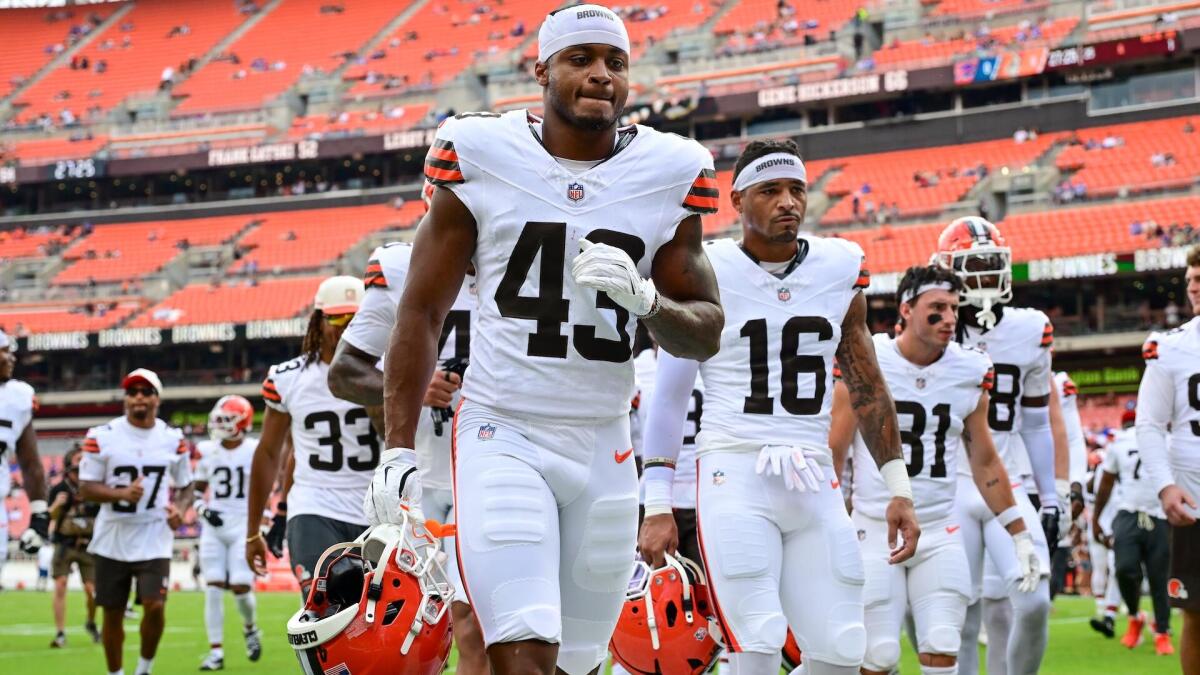
It is a cliché in league circles, but it holds true: if you aren’t a starter, you better be able to play special teams. As teams reach the back end of the roster—spots 45 through 53—the focus shifts away from pure offensive or defensive production toward "core four" special teams ability. A backup linebacker who can sprint downfield on kickoffs is infinitely more valuable to a coach than a situational pass rusher who lacks a role in the third phase of the game.
Positional Scarcity
The league is currently trending toward larger rotations on the defensive line and more versatility in the secondary. Teams are increasingly looking for "positionless" players—safeties who can play slot corner, or linebackers who can rush the passer. These "hybrid" athletes are the most sought-after commodities during cut week because they provide the flexibility to dress fewer players at certain positions on game day, allowing for more depth elsewhere.
Official Front Office Perspectives
The stress of this weekend is palpable in team facilities across the country. While most teams maintain a public front of confidence, the reality behind closed doors is one of intense debate.
"It’s the hardest part of the job, without question," said one veteran AFC general manager, speaking on the condition of anonymity. "You aren’t just cutting a player; you’re cutting a person who has spent their entire life preparing for this moment. You look at the film, you look at the measurables, and you weigh the potential of a rookie against the reliability of a vet. You have to remove the emotion to make the right choice for the franchise, but it never gets easy."
Coaches often emphasize the "Right Way" to depart. The goal for every organization is to handle the news with professionalism, providing feedback so that the waived player can improve their technique or mental approach for their next opportunity. Many organizations have implemented comprehensive transition programs, offering players guidance on how to navigate the waiver wire or transition into the private sector if their NFL journey ends here.
Implications: The Aftermath of Cut Day
Once the dust settles at 6:00 p.m. ET on Sunday, the league enters a new phase of activity. The waiver wire will become a hive of activity as teams look to claim players released by other clubs.
The Waiver Wire Frenzy
Not every player released on Sunday is truly a "free agent." Players with fewer than four years of service time are subject to the waiver process. This means that for 24 hours, other teams have the right to claim them, assuming their contract in the process. This creates a fascinating chess match where teams must decide whether to keep a player they like or risk losing them to a team higher up in the waiver priority order.

The Rise of the Practice Squad
The practice squad is no longer just for developmental players; it is a vital extension of the active roster. With the ability to elevate players for game days, teams now view their practice squad as a 69-man roster (53 active + 16 practice). This allows for a more fluid roster strategy throughout the season, providing cover for injuries without having to constantly churn the main roster.
The Psychological Toll
For the fans, this is the beginning of the excitement—the start of a new season. For the players, however, the human element cannot be ignored. The "cut" represents a potential end to a childhood dream. Many of those released on Sunday will head home, their futures uncertain, while others will be picked up by teams looking for depth. The cycle of the NFL is ruthless, but it is also what makes the parity of the league so compelling.
Looking Ahead: The Season Opener
As the final roster spots are filled, the focus will immediately pivot toward the season opener. The 49ers, having settled their roster early, will look to use their travel time to bond and prepare for the Rams. Meanwhile, teams like the Bears and Titans will be forced to jump straight into game planning, their rosters perhaps finalized only hours before they hit the practice field.
The next 48 hours will define the landscape of the 2026 NFL season. From the bubble players hoping for a phone call to the general managers agonizing over the final slot, the pressure is immense. As the league prepares to transition from the experimentation of the preseason to the high-stakes reality of the regular season, one thing remains clear: in the NFL, the only constant is change.
The countdown is on. By Sunday evening, the rosters will be set, the depth charts will be clarified, and the path to the Super Bowl will officially begin.