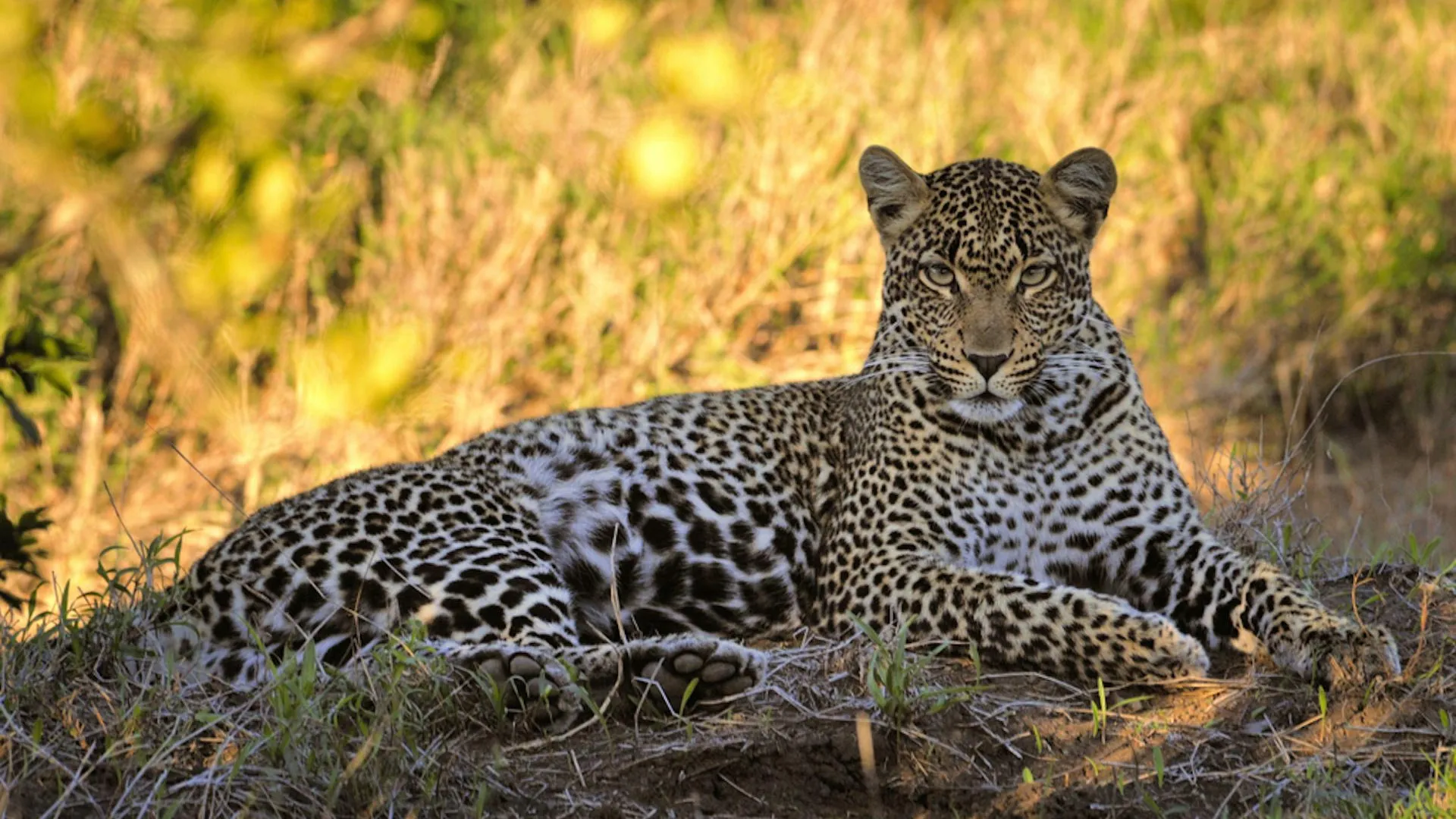
In the vast, sprawling landscapes of the African continent, the leopard (Panthera pardus) has long been celebrated as the ultimate generalist. From the lush, dense forests of the Congo Basin to the arid, sun-scorched savannas of the Kalahari, these apex predators have adapted to nearly every corner of the wild. Yet, in the southwestern tip of South Africa, a distinct population of fewer than 1,000 leopards has long baffled biologists. These "Cape leopards" are markedly smaller than their continental cousins—sometimes half the body mass—and their existence has sparked a decades-long debate: are they merely environmental anomalies, or are they a genetically unique lineage shaped by the crucible of isolation?
A recent landmark study has finally provided the answer. By decoding the full genomic sequence of these elusive cats, researchers have confirmed that the leopards of the Cape Floristic Region are not just physically different; they are a distinct evolutionary unit, separated by over 20,000 years of unique history.
The Mystery of the Miniature Predator
Across most of sub-Saharan Africa, leopards exhibit a phenotypic spectrum. Traditional ecological theory suggests that leopards in open, resource-rich habitats tend toward larger frames, while those in dense, shadowed forests are more compact. However, the Cape Floristic Region—a globally recognized biodiversity hotspot—defies these standard rules of thumb.
Despite living in a region that is often mountainous and rugged, these leopards are exceptionally small. For years, the scientific community struggled to determine whether this was a case of "phenotypic plasticity"—where an animal’s size is dictated purely by the food it eats—or if there was a deeper, hereditary explanation. Previous attempts to map their DNA relied on limited genetic markers, which acted like a low-resolution map, providing a general overview but missing the granular details of evolutionary divergence.
To resolve the impasse, a multidisciplinary team of conservationists and evolutionary biologists embarked on a comprehensive genomic study. Instead of sampling small "spot-check" regions of the DNA, the team sequenced the entire leopard genome—comprising 2.57 billion base pairs and approximately 19,000 genes. By comparing this "code of life" against leopards from across the African continent, researchers identified clear, undeniable genetic signatures that distinguish the Cape population from all others.
A Chronology of Isolation: 20,000 Years of Divergence
The genetic data acts as a biological time machine, allowing scientists to reconstruct the history of this population. The findings indicate that the divergence of the Cape leopard began roughly 20,000 to 24,000 years ago, coinciding with the Last Glacial Maximum (LGM).
The Ice Age Bottleneck
During the coldest phase of the last ice age, the climate in southern Africa shifted dramatically. As the continent grew cooler and significantly drier, the vast grasslands that once supported large, migratory herds began to contract. The changing climate acted as an environmental filter, restricting the movement of large predators. For the leopards of the Cape, this period marked the beginning of a long-term separation from their eastern counterparts.
The Human Pressure (1800s–1960s)
While the ancient climate set the stage for isolation, the modern era introduced a new, more lethal pressure. Throughout the 19th and 20th centuries, the Cape leopard population faced near-extirpation. Bounties, habitat destruction, and direct persecution by farmers—who viewed the cats as a threat to livestock—caused numbers to plummet. It was not until the abolition of government-sanctioned bounties in 1968 that the population began a tentative, fragile recovery.
The Modern Recovery
Today, the Cape leopard finds its stronghold in the Cape Fold Belt, a mountain chain that acts as a natural refuge. However, their movement beyond this chain is severely restricted by two significant barriers: the arid, semi-desert conditions of the north and the sprawling, human-dominated landscapes of the Eastern Cape.
Supporting Data: Decoding the Genomic Signals
The genomic study did more than just prove the existence of a separate population; it shed light on why these leopards look the way they do. By identifying approximately 90 genes that were uniquely enriched in the Cape population, the researchers linked these genetic variations to body size, bone structure, and metabolic efficiency.
This provides strong evidence for local adaptation. In the Cape Floristic Region, prey is significantly smaller and more sparsely distributed than in the savanna. The Cape leopard feeds primarily on the rock hyrax, the klipspringer (a small antelope), and the Cape grysbok.
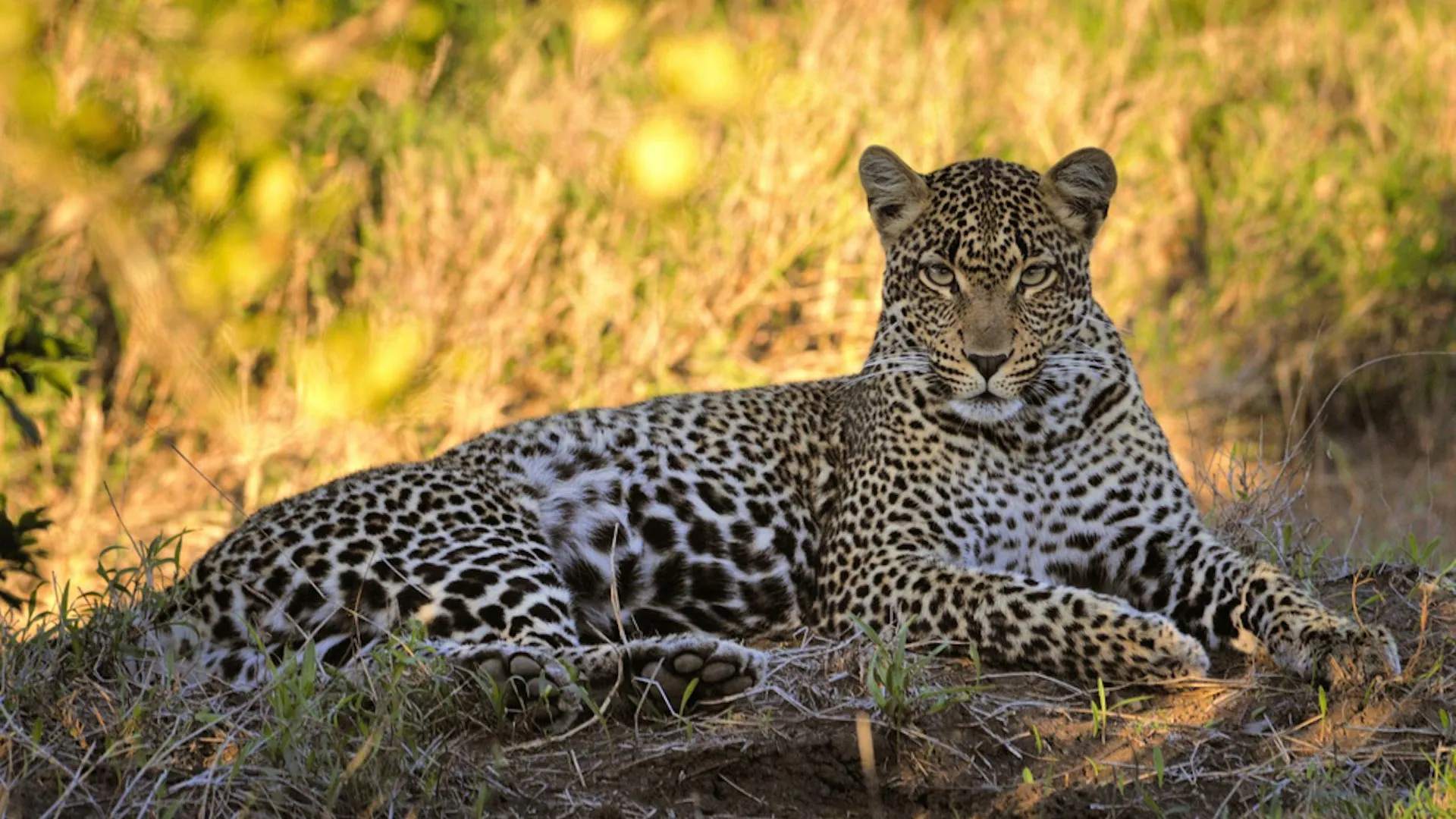
"We found that these leopards are not just smaller by accident," the study suggests. "They have evolved specifically to thrive in a landscape defined by limited resources."
Perhaps the most surprising finding was the state of their genetic health. Given the small population size and the history of intense hunting, researchers expected to find significant evidence of "inbreeding depression"—a condition where reduced genetic diversity leaves a population vulnerable to disease and climate change. Instead, the study revealed that the Cape leopard has retained a remarkably high level of genetic diversity, only slightly lower than that of the broader African leopard population. This is a critical finding, as it suggests the population has the resilience required to withstand future environmental stressors, provided their habitat remains intact.
Official Perspectives and Conservation Advocacy
The implications of this research are profound for global conservation strategy. In the world of biology, populations that are genetically distinct and locally adapted are categorized as "Evolutionarily Significant Units" (ESUs). This designation is a formal recognition that a group of animals represents a unique branch of a species’ evolutionary tree, necessitating specialized, local protection rather than a "one-size-fits-all" management plan.
Addressing the Human-Wildlife Conflict
Conservationists emphasize that the Cape landscape is unique because it lacks the massive, fenced-off game reserves found in other parts of South Africa. Consequently, the leopard is forced to navigate a "mosaic" landscape of agricultural lands, urban fringes, and wild mountain passes.
"The future of the Cape leopard depends on connectivity," note the researchers. "These animals must be able to move safely between habitats. Without protected corridors, they are trapped in fragmented pockets, making them increasingly susceptible to poaching and road-related mortality."
Collaborative Stewardship
Government agencies, such as CapeNature, and local private landowners now find themselves at the center of a vital conservation effort. The research provides a scientific mandate for shifting the narrative from conflict to coexistence. If landowners view these leopards not as pests, but as the guardians of an ancient, unique evolutionary lineage, the prospects for their long-term survival improve significantly.
Implications: Protecting an Evolutionary Legacy
The study of the Cape leopard serves as a poignant reminder that evolution is not a static process. Even within a widespread species, local environmental pressures continue to chisel away at the genome, creating unique expressions of life that can never be recovered if lost.
The "Cape leopard" is more than just a small cat; it is a 24,000-year-old experiment in adaptation. By maintaining a balance between the harsh, resource-poor environment of the Cape Fold Belt and the modern pressures of human expansion, these cats have survived where many other species might have failed.
As the world faces an accelerating climate crisis, the ability of species to adapt—as the Cape leopard has—will be their greatest asset. Conserving this population means more than just protecting an iconic predator; it means preserving a living, breathing library of genetic history. For the researchers and the communities of the Western, Eastern, and Northern Cape, the path forward is clear: integrate the findings of this genomic study into land-use planning, secure wildlife corridors, and foster a partnership with the people who live alongside these cats.
The story of the Cape leopard is a testament to the resilience of nature. It proves that even in the face of ancient ice ages and modern human interference, life finds a way to persist, adapt, and remain distinctly itself. Protecting them is an investment in the biodiversity of the future, ensuring that the mountain ranges of the Cape remain the home of a predator that is as unique as the landscape it traverses.