The era of the ultra-affordable flight is rapidly receding into history. For years, travelers have benefited from a highly competitive airline landscape where "bargain" tickets were a standard fixture of the market. However, a perfect storm of geopolitical volatility, soaring energy prices, and a fundamental shift in corporate strategy is currently dismantling that reality. As jet fuel prices hover near record highs, the world’s major carriers are no longer prioritizing market share or expansion; instead, they are entering a period of strategic retrenchment, cutting routes and raising fees to protect their bottom lines.
Main Facts: A Shift Toward Profitability over Volume
The primary catalyst for this industry-wide transformation is the skyrocketing cost of jet fuel. Currently priced at approximately $4.71 per gallon, the cost of powering a commercial fleet has more than doubled in just twelve months, reaching levels not seen in two decades. This surge has fundamentally altered the "bell curve of profitability" for major airlines, rendering previously sustainable routes non-viable.
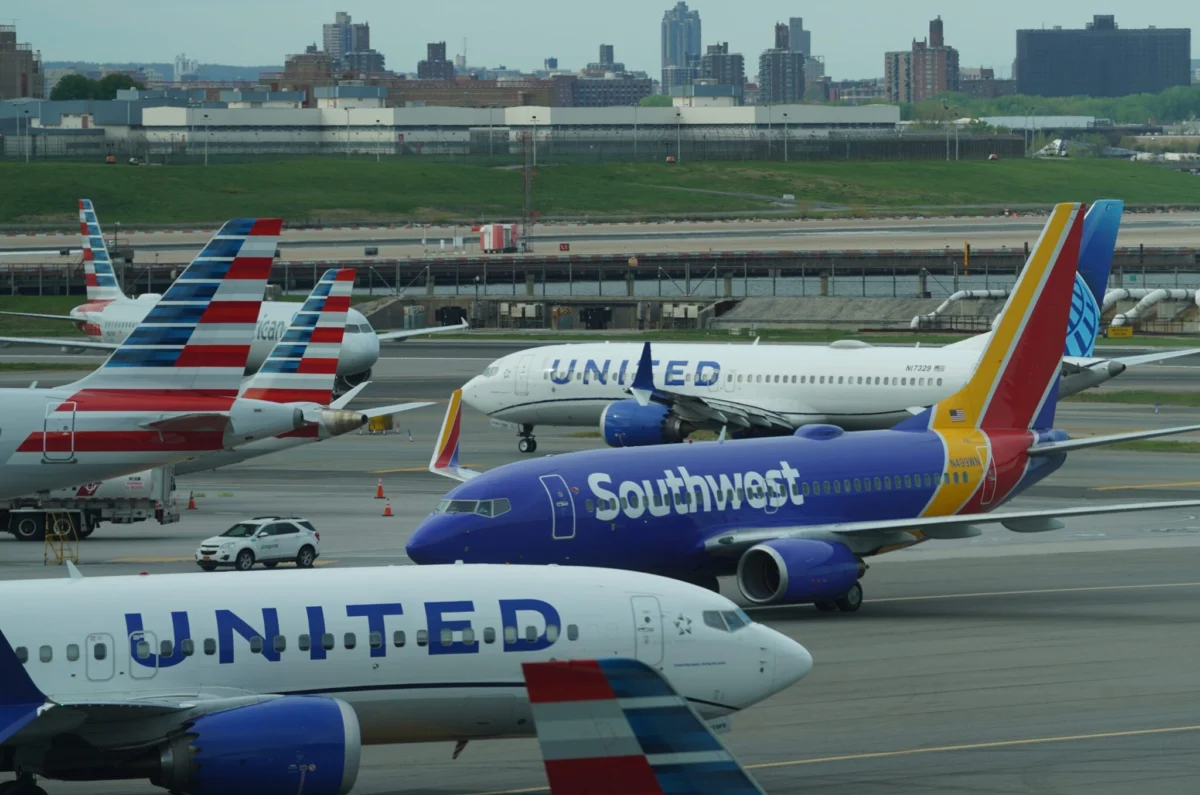
Top executives from American Airlines, United Airlines, and Southwest Airlines have signaled a unified front in their response to these fiscal headwinds. The strategy is clear: if a route is not generating significant profit, it is being eliminated. This is not merely a minor adjustment; it is a systemic reevaluation of how and where airlines fly.
The impact on the consumer is two-fold. First, the availability of flights is shrinking, particularly on "marginal" routes that connect smaller cities or serve lower-demand time slots. Second, the cost of flying is outstripping general inflation by a massive margin. While the Consumer Price Index (CPI) shows a general increase of 3.4% in overall prices, airfares have surged by a staggering 23.4% year-over-year.
Chronology: From Growth Projections to Emergency Cuts
The current crisis began to solidify in the mid-2020s as geopolitical tensions in the Middle East—specifically a conflict involving Iran—began to choke off global oil supplies. This external shock hit the aviation industry particularly hard, as jet fuel is one of the most sensitive commodities to crude oil fluctuations.
September 16: The Turning Point
The gravity of the situation was laid bare at Morgan Stanley’s 14th Annual Laguna Conference on September 16. It was here that the financial leaders of the "Big Three" U.S. carriers moved from cautious optimism to open alarm.
American Airlines CFO Devon May was among the first to sound the klaxon, revealing that the spike in fuel prices had unexpectedly added $1 billion to the company’s projected fourth-quarter expenses. This revelation served as the justification for a series of immediate flight cuts scheduled for December and a significant downward revision of growth plans for the following year.
Late September: Industry-Wide Retraction
Following May’s announcement, Southwest and United confirmed similar pivots. Southwest, which had initially planned for a capacity growth of 2-3%, slashed those projections by half. United Airlines followed suit, with CFO Mike Leskinen explaining that the airline would be cutting its December schedule and potentially making deeper cuts in the subsequent year if fuel prices remained elevated.
October and Beyond: The Passing of Costs
By the final quarter of the year, the industry transitioned from cutting capacity to increasing "ancillary revenue." Because a significant portion of tickets for the holiday season had already been sold at lower prices, airlines could not retroactively charge passengers for the fuel spike. Instead, they moved to increase checked bag fees and other non-ticket costs, a move designed to recoup losses while waiting for higher ticket prices to "lag" into the market.
Supporting Data: The Financial Toll of the Energy Spike
The financial reports of the major carriers provide a sobering look at the scale of the crisis. The sheer volume of capital being diverted to fuel costs is unprecedented, limiting the ability of airlines to invest in new aircraft, staff, or customer service improvements.
- United Airlines: In the first six months of the current fiscal year, United spent approximately $8.2 billion on fuel. This represents a 49% increase compared to the same period in the previous year.
- American Airlines: American’s fuel expenditure mirrored United’s, reaching $7.8 billion in the first half of the year—also a 49% year-over-year increase.
- Southwest Airlines: Even the historically more efficient Southwest was not immune, spending nearly $3.6 billion on fuel, a 39% rise.
The discrepancy between airfare inflation and general inflation is perhaps the most telling statistic for the average consumer. According to the Bureau of Labor Statistics, the 23.4% rise in fares as of August signifies that flying is becoming a luxury service rather than a utility.
The crisis is also global in scope. Across the Atlantic, the fuel shock has been exacerbated by Europe’s heavy reliance on Middle Eastern oil. Ryanair, Europe’s largest budget carrier, was forced to cut its full-year passenger forecast from 216 million to 214 million. CEO Michael O’Leary warned that the era of the €10 flight is likely over, as the airline seeks to reduce its exposure to unhedged oil prices during the winter months.
Official Responses: Maximizing Free Cash Generation
Airline executives have been remarkably blunt about their priorities in this high-cost environment. The era of "flying for the sake of flying" has ended, replaced by a ruthless focus on cash flow and margin protection.
United Airlines’ "Bell Curve" Philosophy
United CFO Mike Leskinen provided the most detailed explanation of the current strategy. He noted that every airline operates on a "bell curve of profitability." At the top of the curve are the highly lucrative international business routes and major hub-to-hub connections. At the bottom are the marginal routes—often those "bargain" flights that consumers rely on.
"There’s some marginal routes that don’t make sense in a higher fuel environment, so we cut them," Leskinen told analysts. "We’re flying to maximize profitability and free cash generation, so we’ll make those adjustments."
Southwest’s Minimalist Approach
While Southwest has also cut capacity, their official stance remains more conservative regarding the abandonment of markets. A spokesperson for the airline stated that their schedule adjustments were "very minimal" and did not represent "large-scale exits of routes or airports." However, the reduction in growth projections by 50% suggests that while they aren’t leaving cities, they are certainly offering fewer options within them.
American Airlines’ Long-Term View
Devon May of American Airlines emphasized that the current cuts are a direct response to the $1 billion expense spike. By pulling capacity out now, the airline hopes to stabilize its balance sheet for the next year. The message to investors is one of discipline: the airline will not chase passengers at the expense of its financial health.
Implications: What This Means for the Modern Traveler
The implications of this shift are profound and will likely be felt for years to come. The most immediate impact is the loss of convenience. As airlines cut "low-performing" routes, travelers in mid-sized cities will find fewer non-stop options. This will force more passengers through major hubs, increasing travel time and the likelihood of delays or missed connections.
The Death of the Last-Minute Deal
With capacity being intentionally restricted, the "empty seat" that once led to a last-minute bargain is becoming a rarity. Airlines are getting better at matching supply with demand. When there are fewer seats available, those seats become more valuable, allowing carriers to maintain high prices even if demand softens slightly.
The Rise of Ancillary Costs
The increase in checked bag fees is likely just the beginning. As fuel remains high, consumers should expect to see more "unbundling" of services. Every aspect of the flight experience—from seat selection to overhead bin space—will likely carry a premium price tag as airlines look for ways to offset the "fuel lag" in ticket pricing.
Geopolitical Vulnerability
The current crisis underscores how vulnerable the global travel industry remains to geopolitical shocks. The "War in Iran" mentioned by industry analysts serves as a reminder that the cost of a vacation in Florida or a business trip to New York is often determined by events thousands of miles away. Until the industry can successfully transition to sustainable aviation fuels (SAF) or more fuel-efficient fleets—a process that will take decades—the price of a plane ticket will remain a hostage to the volatility of the oil market.
In conclusion, the airline industry is undergoing a fundamental "right-sizing." While this may lead to more stable and profitable companies for shareholders, it marks a difficult transition for the traveling public. The days of the ubiquitous bargain flight are over, replaced by a market where flying is more expensive, less frequent, and increasingly viewed as a premium service.