WASHINGTON and DUBAI – The specter of a full-scale regional war loomed larger over the Middle East on Monday night as the United States military launched its tenth consecutive night of aerial bombardments against Iranian targets. The White House and the Pentagon characterized the latest wave of strikes as a "necessary and decisive" effort to break a tightening Iranian stranglehold on the Strait of Hormuz, a maritime chokepoint essential to the global economy.
The renewed offensive follows a weekend of bloodshed and mounting tensions, including the death of another American service member and a series of provocative Iranian missile and drone strikes against U.S. regional allies, including Kuwait, Jordan, and Bahrain. As the Biden-era interim peace deal lies in ruins, the international community is watching with bated breath, caught between the hope of Pakistani-led diplomacy and the reality of a rapidly expanding military theater.
Main Facts: A Region on the Brink
The conflict, which has been intensifying since late February, reached a new fever pitch this week. According to U.S. Central Command (CENTCOM), the latest sorties targeted a sophisticated network of Iranian military infrastructure. The primary objective remains the restoration of "freedom of navigation" in the Strait of Hormuz, where Iranian naval forces and the Revolutionary Guard have effectively halted commercial shipping.
Key developments over the last 24 hours include:
- Targeted Strikes: U.S. forces hit strategic sites near Tabriz, Khuzestan, and Sistan and Baluchistan, focusing on missile launch sites, coastal surveillance, and command-and-control nodes.
- Casualties: Iranian authorities report at least 50 deaths and over 500 injuries from the latest U.S. strikes. On the American side, the death toll has risen to 17 service members since the conflict began on February 28.
- Regional Spillover: Iran-backed Houthi rebels in Yemen have declared a maritime embargo on Saudi Arabia, threatening to block the Red Sea—the primary alternative route for oil exports while the Strait of Hormuz remains contested.
- Economic Impact: Global energy markets have reacted sharply, with Brent crude surging past $88 per barrel and U.S. gasoline prices hitting a politically sensitive average of $4 per gallon.
Chronology of the Crisis: From Ceasefire to Combat
The current trajectory toward war began on February 28, the date the Pentagon marks as the start of the current hostilities. However, the path to the present 10-night bombardment was paved by the collapse of a fragile diplomatic framework.
Late Last Month: The Crumbling Peace
An interim deal, signed with the intention of providing a 60-day window for comprehensive negotiations, was meant to freeze hostilities. Instead, the agreement proved to be little more than a brief pause. Both Tehran and Washington accused the other of bad faith, and within weeks, localized skirmishes resumed, eventually escalating into the current campaign of strategic strikes.
Last Week: Port Strikes and Fatalities
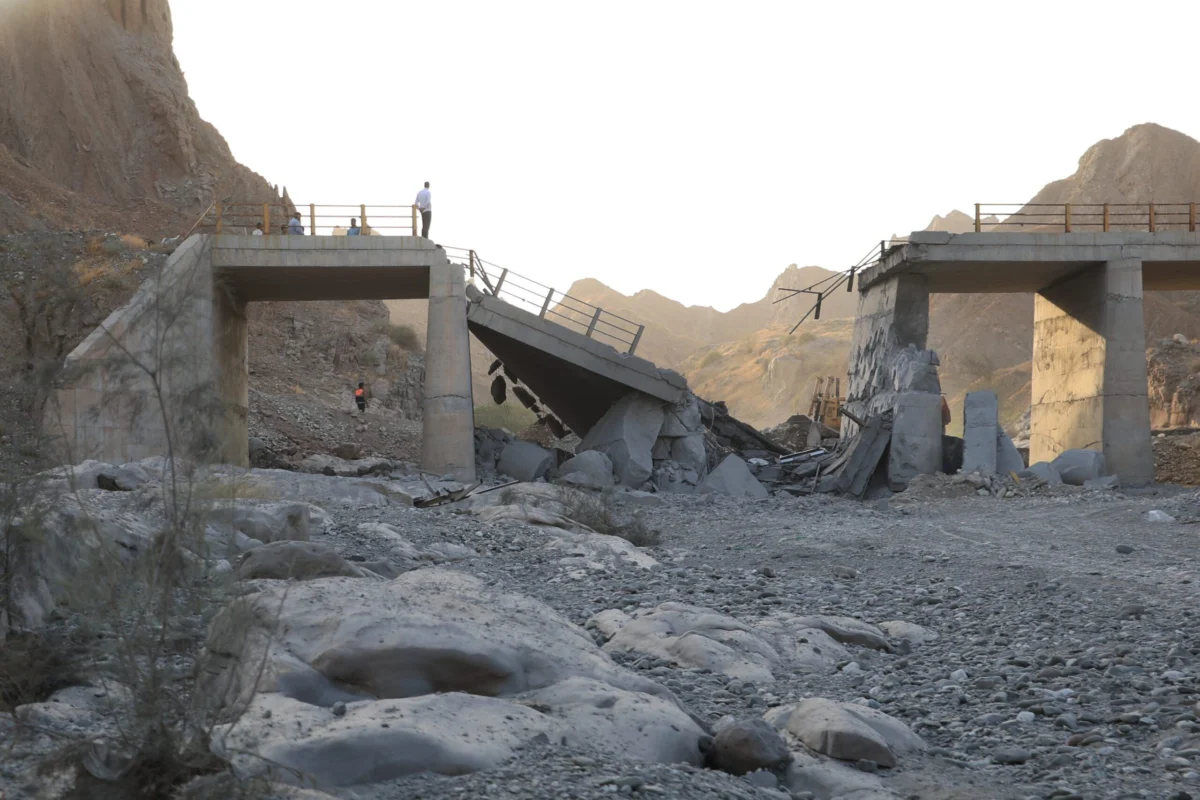
The U.S. military shifted its strategy from defensive posturing to aggressive degradation of Iranian assets. Last week, American aircraft struck bridges and a critical communication tower at a major Iranian port. During this period, the human cost of the conflict became personal for the American public. Two soldiers were killed in a strike in Jordan, and a third individual remains missing.
The Weekend: Iraq and the 5th Fleet
On Saturday, another U.S. service member was killed in Iraq during a "controlled detonation" of a downed Iranian drone. Iran responded by launching a barrage of missiles and drones toward Bahrain, which hosts the U.S. Navy’s 5th Fleet, and Kuwait. Jordan’s air defenses were also forced into action, shooting down three Iranian missiles on Monday evening.
Monday Night: The 10th Strike
By late Monday, CENTCOM confirmed that the 10th consecutive night of strikes was underway. This coincided with the Houthi announcement of a Red Sea embargo, creating a dual-front maritime crisis that threatens to isolate the Arabian Peninsula.
Supporting Data: The Strategic and Economic Toll
The scale of the conflict is reflected in the hard data emerging from both the military and economic sectors. The Strait of Hormuz is not merely a geographic location; it is the jugular vein of the world’s energy supply. Prior to the outbreak of war, approximately one-fifth of the world’s daily oil consumption passed through this narrow waterway.
Military Geography and Targets
The U.S. air campaign has been surgical but expansive. Recent reports from the Iranian state-run IRNA news agency and CENTCOM suggest the following targets have been prioritized:
- Tabriz: Located 325 miles from Tehran, this city is a hub for the Revolutionary Guard’s underground missile bases.
- Bandar Imam Khomeini: A vital industrial port in Khuzestan province.
- The Southern Corridor: Strikes in Sirik, Jask, Konarak, and Chahbahar aim to dismantle Iran’s coastal surveillance and anti-ship missile batteries.
Energy Market Volatility
The closure of the Strait has sent shockwaves through the commodities market.
- Brent Crude: Trading at $88.15 as of Monday, up significantly from pre-conflict levels.
- U.S. Gasoline: The $4.00 national average represents a significant hurdle for the current administration as the midterm elections approach this fall.
- Shipping Disruptions: The UK Maritime Trade Operations (UKMTO) reported that at least two commercial vessels were attacked in the last 48 hours—one off the coast of the UAE and another near Oman, which caught fire and was abandoned by its crew.
Official Responses: Rhetoric and Diplomacy
The official rhetoric from both sides suggests a hardening of positions, even as diplomatic channels in Islamabad remain open.
The American Perspective
President Donald Trump took to social media on Monday to issue a stern warning to Tehran, stating, “Every time Iran kills an American Soldier they will pay for that killing many times over!” The President is scheduled to attend a dignified transfer ceremony at Dover Air Force Base on Tuesday evening to honor the fallen.
Secretary of State Marco Rubio provided a more nuanced, though equally firm, diplomatic stance. Speaking to reporters on Sunday, Rubio emphasized that while the U.S. remains open to a "real" negotiation, the current environment is not conducive to peace. “If the door opens to diplomacy—if the guys that want to do something productive for Iran win and take control of that system… that’ll be a very positive development,” Rubio said. “That’s not where we are tonight, unfortunately.”
The Iranian Perspective
Tehran has framed the U.S. strikes as acts of "naked aggression" against its sovereign territory and civilian infrastructure. The IRNA news agency has highlighted the civilian toll of the strikes, particularly in Tabriz, while the Revolutionary Guard has claimed responsibility for "targeting tankers" in the Strait, framing it as a defensive measure against a U.S. naval blockade.
The Pakistani Mediation
In a rare glimmer of hope, Iranian Interior Minister Eskandar Momeni arrived in Islamabad on Monday. Pakistan has long served as a mediator between the U.S. and Iran. Pakistani Interior Minister Mohsin Naqvi expressed a cautious optimism following initial meetings with Prime Minister Shehbaz Sharif. “God willing, we will have good news,” Naqvi told reporters, suggesting that a resuscitation of the interim ceasefire may still be possible.
Implications: A Pincer Movement on Global Trade
The most concerning development for global stability is the emergence of a "pincer movement" against maritime trade. With the Strait of Hormuz largely stalled, the Houthi rebels’ threat to block the Red Sea creates a catastrophic scenario for Saudi Arabia and its Western allies.
The Threat to Saudi Exports
Saudi Arabia had been mitigating the Hormuz closure by utilizing a trans-peninsular pipeline to the Red Sea. If the Houthis—who have already demonstrated their ability to strike commercial shipping during the Israel-Hamas conflict—successfully implement their embargo, Saudi oil exports could be effectively trapped. This would not only drive oil prices into the triple digits but could also trigger a global manufacturing crisis.
Domestic Political Consequences
For the United States, the timing of the escalation is fraught with domestic peril. High energy prices and the loss of American lives are dominating the news cycle just months before midterm elections. The administration faces the difficult task of projecting strength to deter Iran while preventing a total economic meltdown that could alienate voters.
Regional Alignment
The attacks on Kuwait, Jordan, and Bahrain indicate that Iran is no longer content with a bilateral conflict with the U.S. By targeting these nations, Tehran is attempting to raise the "cost of alliance" for Washington’s partners. Bahrain’s condemnation of strikes on its air traffic systems underscores the risk to civilian aviation in the region, turning the Persian Gulf into a no-go zone for non-combatants.
As the 10th night of strikes concludes, the path forward remains obscured by the smoke of burning vessels in the Gulf of Oman. Whether the Pakistani-led talks can provide an off-ramp or if the Houthi embargo will ignite a wider conflagration remains the defining question of this burgeoning war. For now, the world waits for the sun to rise over a Middle East that looks increasingly like a global battlefield.