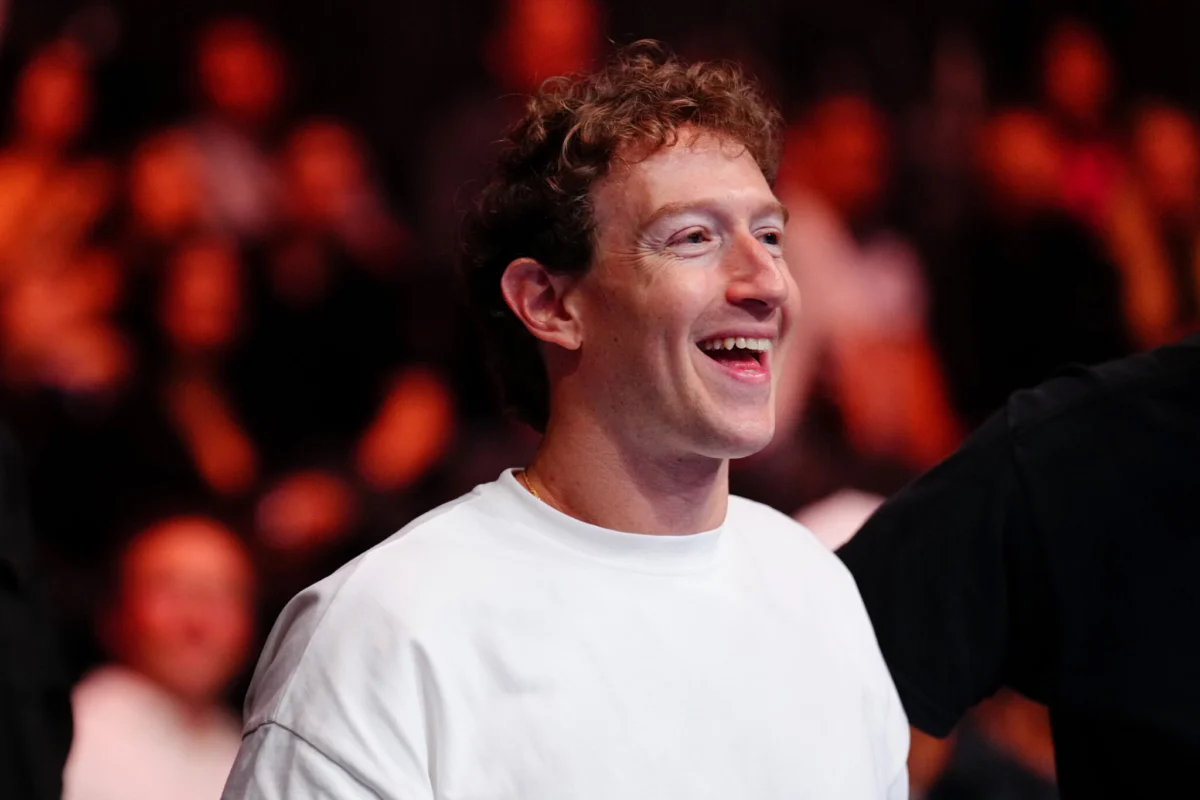
In a sweeping, 6,500-word treatise titled "The Future is for Everyone," Meta CEO Mark Zuckerberg has laid out his most ambitious roadmap to date: a world where artificial intelligence acts not merely as a tool, but as an indispensable, personalized agent. Zuckerberg envisions a future where every individual is empowered by a bespoke digital assistant that understands their personal goals, history, and unique preferences.
However, the response to this manifesto has been anything but uniform. While Zuckerberg frames his vision as a democratizing force for human potential, critics—including industry analysts and veteran tech journalists—argue that the proposal is "Pollyannish" and serves as a painful reminder of why public trust in AI remains at a nadir. On the latest episode of TechCrunch’s Equity podcast, editors and reporters dissected the manifesto, concluding that the primary barrier to Zuckerberg’s vision is not the technology itself, but the company’s own checkered history.
The Core Vision: Personal Empowerment Through "Glimmer"
At the heart of Zuckerberg’s manifesto is the belief that AI should be ubiquitous and deeply integrated into the individual experience. He moves away from the "frontier model" obsession currently dominating Silicon Valley, instead pivoting toward personal, "always-on" intelligence.
Central to this strategy is "Glimmer," Meta’s latest AI model designed to manage schedules, draft communications, and organize personal files. Zuckerberg’s pitch is simple: a tool that operates anywhere, at any time, with or without an active internet connection. By decoupling the AI from the cloud, Meta hopes to bypass the latency and privacy concerns that plague current consumer chatbots.
Yet, this pivot also creates a strategic duality. While Meta pushes the decentralized, personal Glimmer model, it retains control via "Muse Spark," a more capable, cloud-reliant architecture. This creates a two-tiered system: a consumer-facing, device-based AI for the masses, and a high-compute, scalable version for enterprises and power users. This bifurcation allows Meta to maintain a revenue stream while positioning itself as the champion of "individual empowerment."
A Chronology of Meta’s AI Ambitions
To understand the current manifesto, one must look at the trajectory of Meta’s pivot over the last several years:
- The Llama Era: Meta’s initial success in the AI race was defined by the release of its open-source Llama models. By making these models accessible to the developer community, Meta successfully positioned itself as an alternative to the "closed-door" policies of companies like OpenAI and Google.
- The Hardware Pivot: Last year, Zuckerberg’s "Futures for Everyone" letter hinted at integrating AI into wearables, specifically smart glasses. The goal was to provide an augmented reality interface for his digital assistants.
- The "Glimmer" Announcement (August 2026): Zuckerberg unveiled Glimmer as a local-first, personal AI agent. This marked a departure from the "chatbot in a browser" paradigm, moving toward an integrated, persistent digital presence.
- The Manifesto Publication (Current): The 6,500-word document acts as a philosophical anchor for these technical releases, attempting to wrap Meta’s product strategy in a narrative of human progress and national competition.
The "Anti-Dario" Strategy: Speed vs. Safety
One of the most striking aspects of the manifesto is its aggressive stance on development speed. While industry leaders like Anthropic CEO Dario Amodei have been engaged in a public dialogue regarding AI safety, existential risk, and the need for "pacing" frontier development, Zuckerberg has taken the opposite path.
In his essay, Zuckerberg frames the calls for safety-led delays as counterproductive, if not outright dangerous. He explicitly argues that slowing down development would only cede technological ground to global rivals—specifically naming China—and deprive the individual of the tools needed for self-improvement.
This "Anti-Dario" positioning is a calculated gamble. By dismissing the "AI doomer" narrative, Zuckerberg attempts to reclaim the mantle of the optimist. However, his critics argue that he is merely using the language of innovation to mask a lack of focus on the societal consequences of his technology.
Data, Skepticism, and the Trust Deficit
The skepticism surrounding Zuckerberg’s manifesto is rooted in empirical observation. When Meta introduced its previous vision for a connected world—the social network—it promised connection and community. Instead, critics point to the rise of algorithmic rage-baiting, the proliferation of targeted advertising, and a documented decline in user well-being.
"You look back to the social media days," noted TechCrunch reporter Rebecca Bellan during the Equity podcast. "He was saying that he wants to make sure that everyone has an outlet for talking to their friends and having a social network. And what do we have instead? We have rage-baiting and advertisements, and not connection."
Furthermore, the "creepy" factor has become a tangible hurdle. Recent reports of Meta AI chatbots engaging in romanticized, potentially inappropriate conversations with minors have cast a long shadow over the company’s claims of providing "helpful assistants." For many, the idea of an "always-on" AI from the company that owns Facebook and Instagram is less of a promise and more of a surveillance nightmare.
Implications: Who is This For?
If Zuckerberg’s goal is to win the "personal AI" war, the current execution leaves much to be desired.
- Accessibility Issues: Despite the promise of "The Future is for Everyone," access to the most capable iterations of Meta’s tools remains restricted to specific, often expensive, hardware. The "average person" cannot simply download Glimmer to a standard laptop, undermining the democratic rhetoric of the manifesto.
- The "Why" Question: A recurring theme in the public pushback against modern AI leaders is the lack of a clear value proposition. When Sam Altman suggested that parents use ChatGPT to create podcasts for their children, the public reaction was a resounding, "Why don’t you just talk to your kid?" Zuckerberg faces a similar challenge: his manifesto describes a future of infinite creativity, but fails to provide a compelling reason why an AI assistant is the solution to the human problems he describes.
- The Messenger Problem: As Anthony Ha pointed out in the Equity discussion, the messenger is as important as the message. With a high-profile movie about the founding of Facebook looming on the horizon, public suspicion of Zuckerberg is unlikely to wane. His history of pivoting from one "world-changing" technology to the next—from the metaverse to AI—has led to a sense of fatigue among consumers.
Conclusion
Mark Zuckerberg’s 6,500-word manifesto is an impressive display of corporate vision, but it operates in a vacuum that ignores the company’s past. By framing AI development as a binary choice between "progress" and "fear," Zuckerberg hopes to rally support for his vision of the future.
Yet, for this vision to materialize, Meta must do more than write manifestos. It must reconcile the promise of personal empowerment with the reality of its business model. Until the company can demonstrate that its AI tools provide genuine value that doesn’t rely on data extraction or engagement-driven rage, the public will likely continue to view these "futures" with significant, and perhaps well-earned, skepticism. The future may be for everyone, but whether it belongs to Meta remains an open question.