Porsche is on the precipice of redefining the apex of automotive performance. With the official confirmation of a new mid-engine platform designed to sit comfortably above the iconic 911, the Stuttgart-based automaker is signaling its intent to reclaim its throne in the hypercar stratosphere. The latest social media teaser for the project, internally dubbed "Mission S," has sent shockwaves through the enthusiast community, providing a tantalizing glimpse into a machine that promises to be nothing short of a masterpiece.
The Teaser: A Symphony of Engineering and Aesthetics
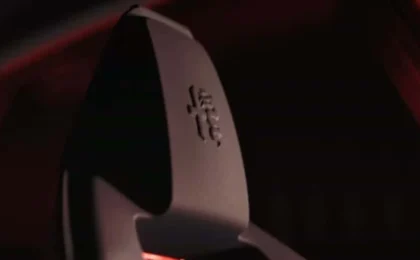
While Porsche has remained notoriously tight-lipped regarding the technical specifications of its upcoming halo car, the short, high-energy teaser clip released this week serves as a masterclass in building anticipation. The footage, though brief, offers a visceral look at the cockpit of what appears to be a track-focused beast.
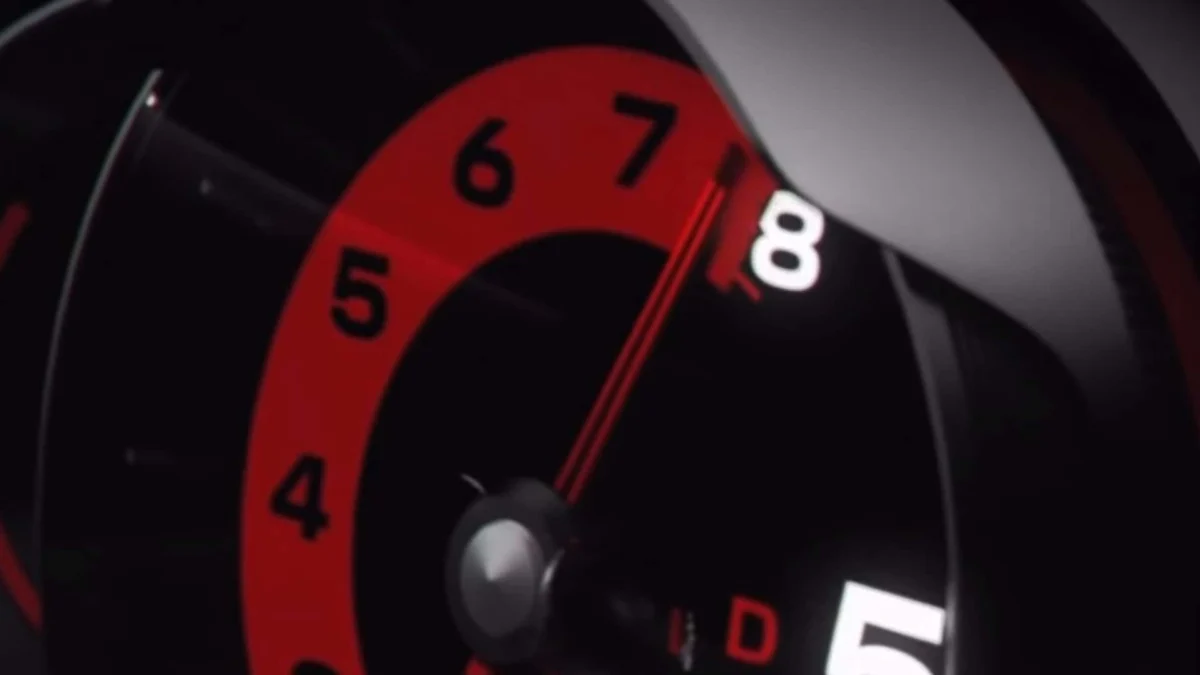
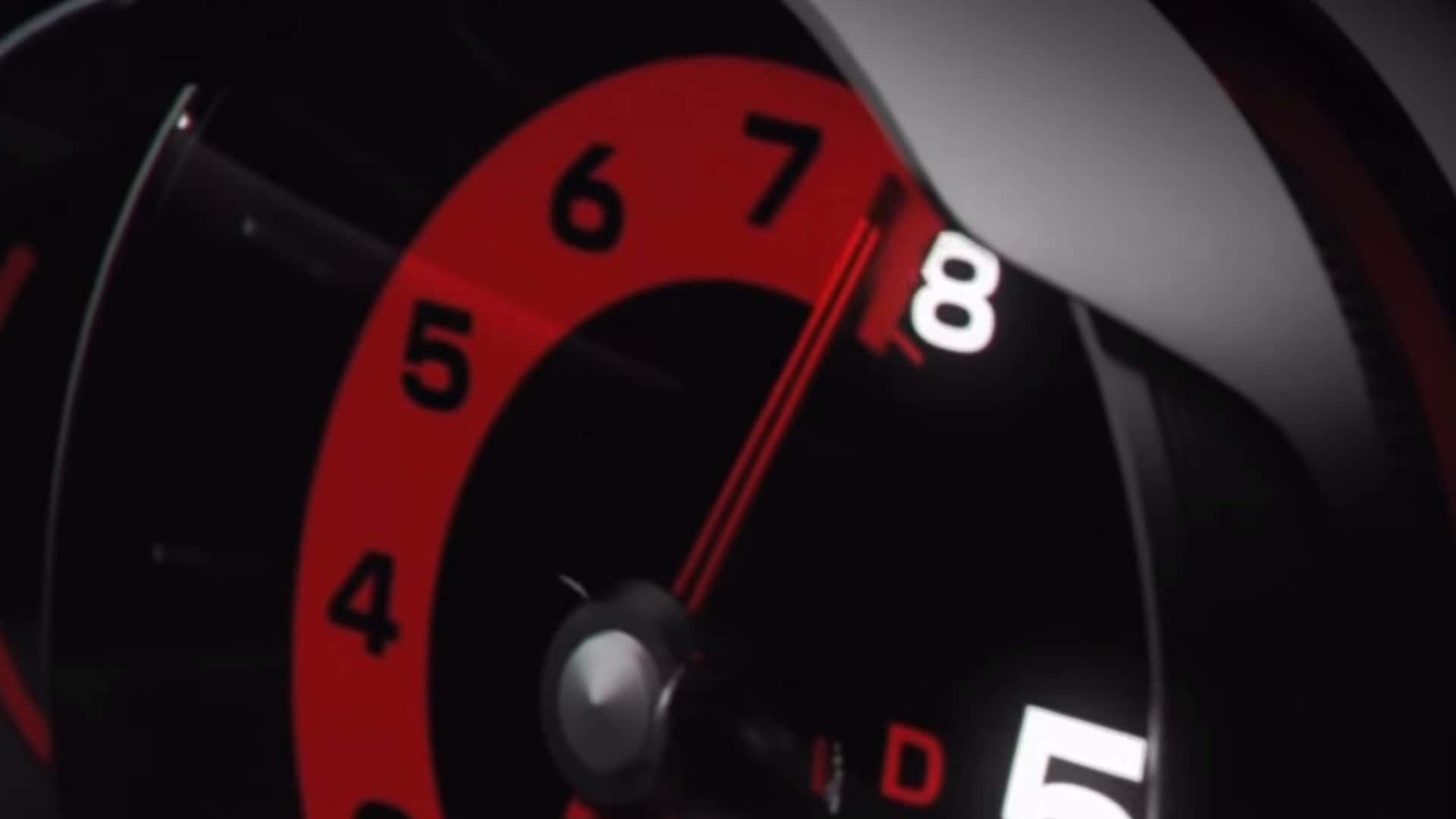
The most striking visual element is the digital tachometer, which sweeps aggressively toward an 8,000-rpm redline. In an era where many performance manufacturers are pivoting exclusively to electric powertrains with single-speed transmissions, the presence of a high-revving engine—and the clear implication of a multi-gear, rapid-shifting PDK gearbox—is a massive win for traditionalists who value the mechanical soul of an internal combustion engine.
Furthermore, the clip showcases extending and retracting gauges, a tactile design choice reminiscent of the celebrated Lexus F-series models. This detail suggests that Porsche is not merely focusing on raw speed but is curating an immersive, "analog-meets-digital" cockpit experience that bridges the gap between driver and machine.
A Legacy of Excellence: The Chronology of Porsche’s Halo Cars
To understand the weight of the Mission S, one must look at the lineage of vehicles that preceded it. Porsche’s history of "halo" cars is a timeline of innovation that has consistently pushed the boundaries of physics and technology.
1. The 959: The Technocratic Pioneer
In the late 1980s, the Porsche 959 served as a showcase for everything the brand was capable of. With its sophisticated all-wheel-drive system and twin-turbocharged flat-six, it was arguably the most advanced car of its time, setting the blueprint for the modern supercar.
2. The Carrera GT: The V10 Masterpiece
Early in the new millennium, the Carrera GT arrived as a visceral, mid-engine experience powered by a naturally aspirated V10 engine derived from Formula 1 ambitions. It remains, to this day, one of the most sought-after collector cars in the world, prized for its manual transmission and unfiltered driving dynamics.
3. The 918 Spyder: The Hybrid Trailblazer
Most recently, the 918 Spyder demonstrated that electrification was not a compromise, but an enhancement. By pairing a screaming V8 with high-output electric motors, the 918 achieved 887 horsepower and set a new standard for hypercar efficiency and acceleration. It effectively bridged the gap between the internal combustion past and the hybrid future.
The Mission S represents the next step in this evolution. It is not designed to replace the 911—which remains the heartbeat of the Porsche brand—but to occupy a space above it, serving as a flagship for new technologies that will eventually filter down into the rest of the model range.
Under the Hood: The Powertrain Speculations
What will power the Mission S? That is the question currently dominating automotive forums and industry analysis. While Porsche has yet to pull the curtain back on the powertrain, several theories have gained traction.
The Rise of the Flat-Eight
Perhaps the most exciting rumor is the potential implementation of a new flat-eight engine. A production-ready flat-eight would be a first for a modern Porsche, providing a unique sound signature and a low center of gravity that is essential for a mid-engine platform. If paired with forced induction, this engine could potentially deliver output figures that dwarf the 918 Spyder.
The Hybrid Integration
Given Porsche’s success with the 911 Carrera GTS T-Hybrid, it is highly probable that the Mission S will feature some form of hybridization. The technology has proven its worth in both the 918 and the latest 911 lineup, offering instant torque-fill that masks turbo lag and provides an explosive launch. A plug-in hybrid setup would allow for a "best of both worlds" scenario: the raw, visceral engagement of a combustion engine combined with the immediate, neck-snapping acceleration of electric motors.
The Transmission Advantage
The inclusion of a Porsche Doppelkupplung (PDK) gearbox is almost a certainty. Porsche’s dual-clutch transmission is widely regarded as the gold standard in the industry, offering lightning-fast shifts that keep the engine in its optimal power band. The teaser’s focus on the tachometer suggests that the gear shifts will be a central part of the driving experience, rather than a background function.
Strategic Implications: A New Family of Performers
Porsche’s announcement that this new architecture could underpin an "entire model line" is arguably as significant as the car itself. By developing a scalable, mid-engine hypercar platform, Porsche is signaling a shift in its product strategy.
This suggests that the Mission S is not a one-off project, but the beginning of a high-end sub-brand of performance vehicles. We could see different variants of this platform emerge over the coming years: a track-only version, a road-legal grand tourer, and perhaps even a limited-run special edition that pays homage to Porsche’s racing heritage.
This move allows Porsche to maintain its market dominance in the luxury sports car segment while creating a "halo" barrier to entry that prevents competitors from encroaching on their territory. It also provides a testbed for extreme performance components—such as advanced aerodynamics, carbon fiber chassis construction, and next-generation braking systems—that will define future generations of the 911, 718, and even the Taycan.
Official Stance and Future Outlook
Porsche has remained characteristically professional, focusing on the development process rather than leaks or rumors. The company confirmed earlier this week that the development of this new mid-engine platform is well underway, emphasizing that the focus is on "uncompromising performance" and "driver engagement."
The official debut is scheduled for October 15. Until then, the automotive world is left to dissect every frame of the teaser. The excitement is palpable, not just because a new Porsche is coming, but because it feels like a return to the company’s roots of engineering excellence. In an era of heavy, battery-dominated vehicles, the prospect of a lightweight, mid-engine, high-revving Porsche is a breath of fresh air for enthusiasts who believe that the soul of a car is defined by how it makes the driver feel.
Conclusion: The Road Ahead
As we count down the days to October 15, the expectations for the Mission S could not be higher. It represents the intersection of Porsche’s illustrious history and its ambitious future. It is a car built for the driver, designed to push the limits of what is possible on four wheels, and intended to set a new benchmark for the industry.
Whether it features the rumored flat-eight engine, a cutting-edge hybrid powertrain, or a completely new, as-yet-unrevealed technology, one thing is certain: the Mission S is poised to be more than just a car. It will be a statement. It will be the vehicle that confirms that even in a rapidly changing world, Porsche remains the benchmark by which all other performance machines are measured.
For the enthusiasts waiting with bated breath, the wait is almost over. On October 15, we will see if the reality of the Mission S can match the towering expectations that have been built around it. If history is any indicator, Porsche is about to give us something that we will be talking about for decades to come.