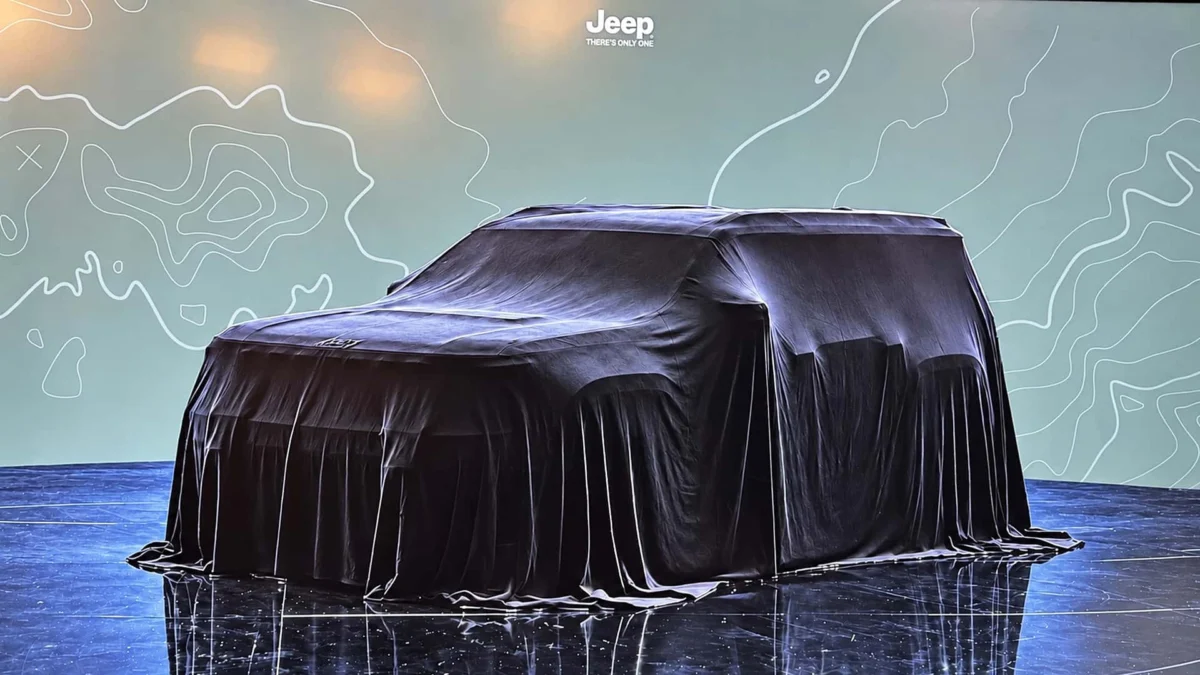
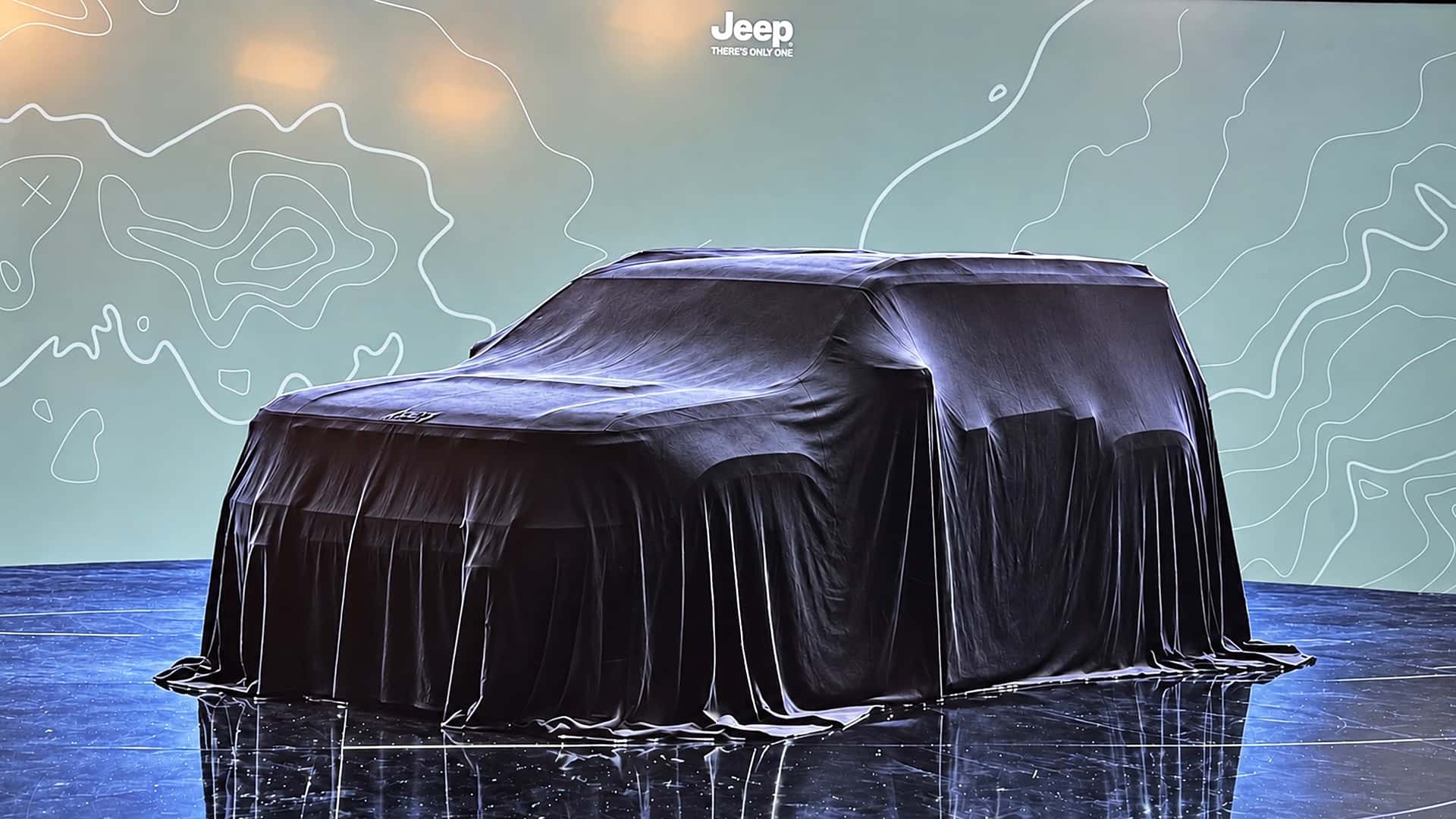
In a move that signals both a nod to its past and a strategic pivot toward an electric future, Jeep has officially confirmed the return of the Renegade. The announcement, delivered amidst the high-energy atmosphere of the Paris Motor Show, marks the end of speculation regarding the future of the brand’s smallest crossover. As part of a comprehensive, multi-year plan to capture 90 percent of the European SUV market by 2030, the next-generation Renegade is set to serve as a cornerstone of the automaker’s regional strategy.
While the original Renegade—launched in 2014—was a vital entry point for consumers seeking the Jeep aesthetic without the footprint of a Wrangler or Grand Cherokee, its successor faces a radically different automotive landscape. With electrification mandates intensifying and competition in the B-SUV segment reaching a fever pitch, the new Renegade must balance the rugged "trail-rated" heritage of the Jeep brand with the modern demands of efficiency and modularity.
A Legacy of Sales and the "Not a Real Jeep" Debate
Since its inception, the Renegade has been a polarising yet undeniable commercial success. Over the course of twelve years, the model has moved more than two million units globally, with over 610,000 of those sales occurring within Europe alone.
Despite these impressive figures, the Renegade has frequently found itself at the center of a debate among brand purists. Because its original architecture was shared with the Fiat 500X, critics often argued that the Renegade lacked the authentic, rugged DNA that defines the brand’s history. However, Jeep leadership maintains that the model’s success is proof of its necessity. By offering a more accessible, practical, and urban-friendly vehicle, the Renegade successfully brought a new generation of buyers into the Jeep family—many of whom might never have considered a more traditional, off-road-focused vehicle.
The decision to greenlight a second generation acknowledges that while purists focus on technical heritage, the market rewards versatility. The Renegade has proven that there is a massive, untapped audience for a vehicle that carries the "Seven-Slot" grille but fits into tight European parking spots and manages daily commutes with ease.
The Technological Leap: The STLA One Platform
At the heart of the new Renegade is a shift in engineering philosophy. The vehicle is expected to be underpinned by the STLA One platform, a sophisticated, modular architecture developed by parent company Stellantis.
This platform is a masterclass in efficiency, designed to support a wide array of propulsion systems—from traditional internal combustion engines to hybrid and fully electric configurations—all within the same footprint. This modularity is critical for the Renegade’s success, as it allows Jeep to cater to different European markets that are moving toward electrification at different speeds.
By leveraging the STLA One platform, Stellantis can achieve massive economies of scale, sharing critical components across its family of brands. This approach not only helps control production costs in an increasingly expensive manufacturing environment but also provides the flexibility to adjust powertrain offerings based on regional demand. If a specific market remains reliant on gasoline or hybrid options, the architecture can accommodate them; if another market shifts rapidly toward pure battery-electric vehicles (BEVs), the platform is ready to adapt.
The 2030 Vision: A Full-Spectrum European Lineup
The resurrection of the Renegade is not an isolated event; it is a tactical component of a much larger, ambitious strategy. Jeep has set its sights on dominating the B-, C-, and D-SUV segments in Europe by 2030, with a planned portfolio of up to six distinct models.
The current lineup has already laid the groundwork for this expansion. The Jeep Avenger, which occupies the entry-level B-SUV segment, has been a runaway success, clocking in nearly 300,000 units since its introduction. Combined with the refined, technologically advanced Compass and the upcoming, high-performance electric Recon, the brand is positioning itself to be a dominant force across the entire European SUV spectrum.
One of the most significant aspects of this roadmap is Jeep’s pledge that every model in its future European lineup will feature a 4×4 option. In an era where many competitors are opting for front-wheel-drive configurations to save costs and reduce complexity, Jeep’s insistence on keeping 4×4 capabilities—even for smaller crossovers—is a strategic move to preserve its brand identity. It ensures that even the most "urban" Jeep remains capable of living up to the company’s "Go Anywhere" motto.
A Chronology of the Renegade: From Launch to Rebirth
- 2014: The Jeep Renegade makes its global debut, introducing a compact, lifestyle-oriented SUV that brings the brand to a new demographic.
- 2014–2023: The Renegade enjoys sustained global popularity, becoming a key sales driver in Europe, South America, and North America.
- 2023: As the market shifts toward larger, more electrified vehicles, Jeep discontinues the Renegade in the United States, citing changing consumer preferences and aging architecture.
- 2024: During the Paris Motor Show, Jeep officially confirms that a new generation of the Renegade is in development, specifically tailored for the European market.
- 2025–2027: Development cycles for the next-generation model continue, with the industry expecting further technical details regarding the STLA One implementation.
- 2030: The deadline for Jeep’s goal of a six-model European lineup, with the new Renegade firmly established as a key pillar of the brand’s regional success.
The "America Gap": Why the U.S. Market Remains Excluded
For American enthusiasts, the announcement is bittersweet. While the Renegade is being revitalized, there has been no mention of its return to the North American market. The U.S. exit in 2023 was a calculated response to a market that has largely moved toward larger SUVs like the Grand Cherokee and the Wrangler, or premium-priced EVs like the Wagoneer S.
The U.S. market’s rejection of the entry-level crossover segment is a stark contrast to Europe, where fuel costs, urban density, and narrow infrastructure make smaller, efficient SUVs highly desirable. For now, the next-generation Renegade remains a strictly European affair. Whether Jeep will eventually find a way to re-introduce the nameplate to American buyers—perhaps through a more premium or performance-oriented trim—remains purely speculative.
Implications for the Industry
The return of the Renegade serves as a case study in brand management during a transition period. Jeep is successfully navigating the tension between heritage and future-proofing. By doubling down on the "Jeep-ness" of the vehicle (through 4×4 capability and iconic design language) while adopting the most modern, modular platform available, they are mitigating the risk of becoming irrelevant in a changing market.
Furthermore, the emphasis on a "multi-energy" strategy is a pragmatic acknowledgment of the global geopolitical and economic climate. It avoids the pitfall of "all-in" bets on single technologies, ensuring that the brand remains resilient regardless of how fast the charging infrastructure matures across different European nations.
As the decade nears its end, the industry will be watching to see how the new Renegade performs. If it manages to marry the nostalgia of the original with the technical requirements of the 2030s, it may well become the blueprint for how legacy brands can survive the transition to the electric age without sacrificing their core souls. For Jeep, the message is clear: the journey isn’t ending—it’s simply evolving.