The landscape of American late-night television, long a staple of political discourse and a traditional platform for candidates to reach voters, is undergoing a seismic shift. In an increasingly polarized political climate, the boundary between federal regulatory authority and First Amendment protections has become the center of a volatile legal and cultural battle. The latest casualty in this conflict is an interview with Texas state Representative James Talarico, a Democratic candidate for the U.S. Senate, which ABC’s Jimmy Kimmel Live! has pulled from its broadcast schedule to avoid regulatory repercussions.
This development marks the second time in recent months that a major late-night program has been forced to silence a political guest due to pressure from the Federal Communications Commission (FCC). As the commission—under the leadership of Chairman Brendan Carr—intensifies its scrutiny of network editorial decisions, the industry is grappling with a new, restrictive reality that threatens the traditional role of talk shows in the democratic process.
The Kimmel Pre-emption: A Tactical Retreat
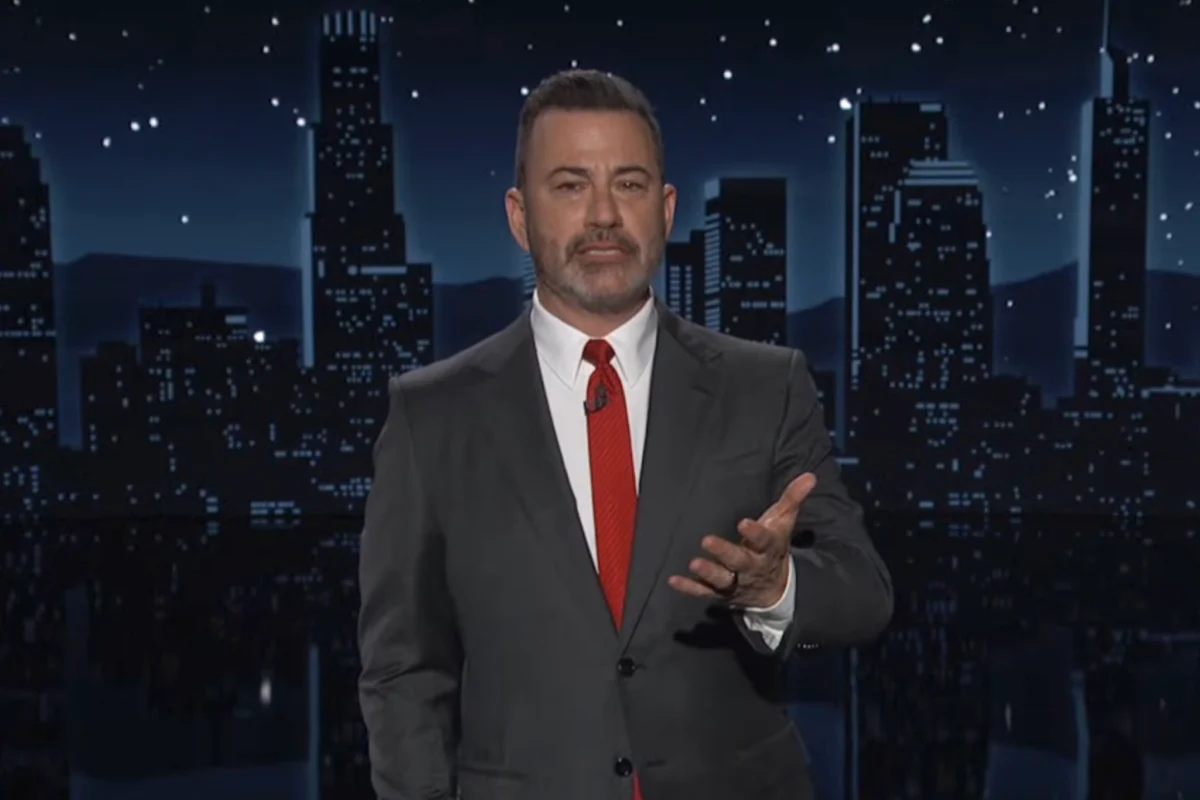
On Wednesday evening’s broadcast of Jimmy Kimmel Live!, the host delivered a somber monologue addressing the fate of his upcoming interview with Rep. James Talarico. Kimmel confirmed that the segment, while produced, would not reach the television audience via the standard ABC network broadcast. Instead, the network has opted to host the interview exclusively on YouTube.
Kimmel was explicit regarding the motivation behind the decision: the protection of ABC’s local affiliates. "Out of consideration for our local stations, especially our ABC affiliates in Texas who would have to deal with this nonsense, my interview tomorrow with James Talarico will not air on television," Kimmel stated.
The move is a direct response to what the network describes as a "weaponized" FCC. By pulling the content from the airwaves, the network is attempting to insulate its local stations—which hold the actual broadcast licenses—from potential retaliatory actions or threats of license revocation from federal regulators. This is not merely a creative decision; it is a defensive maneuver in a high-stakes legal standoff between the nation’s largest broadcast networks and the regulatory body tasked with overseeing the public airwaves.
Chronology of a Regulatory Crackdown
The current crisis did not emerge in a vacuum. The pattern of interference has become increasingly clear over the past year, reflecting a broader trend of administrative pressure on media organizations deemed hostile to the current administration.
The Colbert Precedent
In February, the first significant crack in the late-night facade occurred when The Late Show with Stephen Colbert was barred from airing an interview with Rep. Talarico. CBS legal counsel, acting with an abundance of caution, intervened to prevent the broadcast. The network’s decision was a direct bow to FCC pressure regarding the "equal time" rule—a regulation that mandates broadcasters provide equivalent airtime to opposing political candidates.
The fallout from that decision was significant. While the segment was relegated to digital platforms, the Talarico campaign saw a massive surge in visibility and engagement. Within 24 hours of Colbert revealing the censorship, the campaign reported raising $2.5 million, and the YouTube clip of the interview garnered over 9.5 million views. The incident served as a proof-of-concept for political candidates: censorship by the network often leads to a "Streisand Effect," where the suppressed content achieves greater notoriety than it would have through a standard broadcast.
The Escalation of FCC Tactics
The FCC, led by Chairman Brendan Carr, has adopted a significantly more aggressive posture toward networks like ABC. The agency has utilized the threat of license non-renewal to force changes in editorial policy. In one notable instance, the FCC reportedly signaled that it could approach ABC’s editorial choices "the easy way or the hard way." Furthermore, the agency initiated a formal, ongoing review into whether the popular daytime program The View—a frequent target of conservative criticism—should be exempt from the traditional equal-time requirements afforded to other talk programs.
Supporting Data and Legal Framework
The legal tension rests primarily on the interpretation of the FCC’s "equal time" doctrine (47 U.S.C. § 315). While the rule was designed to ensure fair access during elections, contemporary critics argue that the FCC is applying it selectively to punish networks that provide a platform for opposition figures.
ABC has responded to this pressure by filing a lawsuit against the FCC, characterizing the agency’s actions as an "extraordinary assault" on First Amendment rights. The lawsuit alleges that the Commission is engaging in viewpoint discrimination, utilizing administrative leverage to dictate who can and cannot appear on television.
The data regarding late-night engagement supports the network’s claim that these shows are essential political forums. Historically, candidates from both sides of the aisle have used late-night television to humanize their campaigns and reach demographic groups that do not engage with traditional news broadcasts. Notably, Donald Trump himself frequently appeared on Jimmy Kimmel Live! during his 2015 and 2016 presidential campaigns. Kimmel remarked on this irony during his monologue, noting that the same platform once eagerly used by the current President is now being treated as a regulatory liability.
Implications for the Democratic Process
The implications of these developments extend far beyond the studio of a late-night show. The move toward digital-only distribution for political interviews fundamentally changes the audience demographics for such content. By removing these interviews from broadcast television, regulators are effectively gating political discourse behind internet access, potentially alienating older voters or those in regions with limited broadband connectivity.
The Erosion of Editorial Independence
For decades, the standard for late-night guest selection was editorial relevance and entertainment value. If a candidate was running for a major office, they were a valid subject for an interview. The FCC’s current involvement represents a transition from oversight to gatekeeping. If a federal agency can effectively decide which political candidates are "allowed" to reach a mass audience via television, the neutrality of the democratic process is severely compromised.
The Future of "Equal Time"
Legal experts suggest that the ongoing ABC vs. FCC litigation will likely reach the Supreme Court, given the constitutional implications of government-mandated content restriction. If the courts uphold the FCC’s current interpretation of the equal-time rule, it could signal the end of political interviews on entertainment television entirely. Networks, fearful of losing their broadcast licenses, may simply choose to implement a blanket ban on all political candidates, effectively silencing a vital medium for civic engagement.
Closing Reflections: The Digital Refuge
In his closing remarks, Kimmel emphasized the role of digital platforms as a necessary, if imperfect, sanctuary for free speech. "Thank goodness we have [YouTube], because in the America we live in right now, that is the best that we can do," he stated.
However, the reliance on YouTube is a temporary stopgap. The core issue remains the weaponization of the federal bureaucracy to stifle speech. As the November elections approach, the political stakes remain high, and the pressure on media organizations shows no signs of abating.
The "Jimmy Kimmel Live" incident is a sobering reminder that the First Amendment is only as strong as the institutions willing to defend it. As networks, regulators, and politicians continue to spar, the audience is left to navigate a media environment where the most important conversations are increasingly being pushed to the margins of the internet, away from the public airwaves that were intended to inform the citizenry.
For now, the interview with James Talarico stands as a digital document—a testament to the ongoing struggle for editorial freedom in an era of unprecedented administrative interference. Whether this marks a permanent shift in the relationship between government and media remains to be seen, but the precedent is as clear as it is concerning: when the government begins to curate the guest list of a talk show, the lines between public service and political control have effectively been erased.