ALGIERS – A catastrophic wave of wildfires has torn through Northern Algeria, leaving a trail of devastation, loss of life, and ecological ruin. As a relentless, record-breaking heatwave grips North Africa, the Algerian government has confirmed that at least 12 people have perished in the infernos that swept through multiple provinces on Wednesday. The fires, fueled by tinder-dry vegetation and gale-force winds, have forced mass evacuations and prompted an emergency mobilization of national civil protection services.
The Human Toll: A Tragic Update
The human cost of the disaster has been severe. According to Interior Minister Said Sayoud, the 12 fatalities were concentrated in three hard-hit provinces: five individuals lost their lives in Jijel, four in Bejaia, and three in Tizi Ouzou.
Beyond the immediate loss of life, the medical toll is mounting. Minister Sayoud reported that 54 people have sustained burn injuries or suffered from severe smoke inhalation. Six of these victims remain in critical condition, currently fighting for their lives in intensive care units. Health Minister Mohamed Seddik Ait Messaoudene, alongside Minister Sayoud, traveled to the frontline province of Bejaia to oversee the triage operations and ensure that medical resources are being distributed effectively to the overwhelmed regional hospitals.
Chronology of the Disaster
The escalation began mid-week as a dome of extreme high pressure settled over the Mediterranean, pushing temperatures to near-unprecedented levels.
- Tuesday Night into Wednesday Morning: Fire outbreaks were reported in small clusters across the northern mountainous regions. Initial reports suggested these were localized incidents.
- Wednesday Midday: As the heat intensified and wind speeds picked up, the situation deteriorated rapidly. The Algerian civil protection services recorded a staggering 154 simultaneous wildfire outbreaks across the nation.
- Wednesday Evening: The intensity of the fires reached a critical peak, particularly in the Bejaia province, where 36 individual blazes were reported in a single administrative zone. While firefighters managed to contain 18 of those fires, the remainder continued to threaten residential sectors.
- Thursday Morning: The focus shifted from containment to rescue and evacuation. Emergency services, supported by local volunteers, worked through the night to relocate families from the path of the encroaching flames.
Supporting Data: An Unprecedented Surge
The scale of the current disaster is evidenced by the raw data provided by the General Directorate of Civil Protection. With 154 active fires recorded in just 24 hours, the logistical strain on the country’s firefighting capabilities is immense.
In Bejaia alone, the sheer density of fire activity suggests a systemic failure of natural firebreaks. Local news outlets, including Jijel News, captured the harrowing reality on the ground: images showed families and individuals seeking refuge in public buildings, such as local post offices, as thick, black smoke choked the air and visibility dropped to near zero.
The geographical spread of the fires highlights the vulnerability of the Mediterranean coastline, which is characterized by dense forest cover and rugged, often inaccessible terrain that complicates the use of heavy machinery and aerial firefighting units.
Official Responses and Tactical Deployment
The Algerian government has moved to a state of high alert. The visit by the Ministers of Interior and Health to Bejaia serves as a symbolic and tactical anchor for the recovery effort. The official news agency, APS, reported that the state has mobilized all available resources, including water-bombing aircraft and specialized fire brigades, to combat the blazes.
"We are dealing with an extraordinary set of circumstances," Minister Sayoud noted during a press briefing. "Our priority remains the protection of human life, the swift evacuation of threatened communities, and the stabilization of the injured."

The government has also called for a national review of its fire prevention strategies. While the current situation is driven by the immediate heatwave, officials are under pressure to explain why, despite previous tragedies, the country remains so vulnerable to seasonal forest fires. The strategy involves not only immediate suppression but also the coordination of regional governments to prevent the further encroachment of fires into urbanized areas.
Implications: Climate Change and the "New Normal"
This latest tragedy is not an isolated event; it is part of a disturbing pattern. Algeria has grappled with increasingly frequent and violent wildfire seasons over the past several years. Last month alone, authorities confirmed that six people had already perished in similar, albeit smaller, fire events.
The Climate Nexus
Scientists and meteorologists point to the synergy of three factors—drought, extreme heat, and human-induced climate change—as the primary drivers of this recurring crisis.
- Drought: Prolonged periods of low rainfall have left the northern Algerian forests in a state of extreme moisture deficit. The vegetation has become "fuel," waiting for a spark.
- The Heatwave: The current North African heatwave is pushing mercury levels into dangerous territory. High heat reduces the humidity of the air, ensuring that once a fire starts, it spreads with explosive speed.
- Climate Change: The warming of the Mediterranean basin is happening at a rate faster than the global average. This leads to longer, hotter summers and shorter, milder winters, which disrupts the natural fire cycle of the Mediterranean forest ecosystem.
Socio-Economic Impact
The long-term implications for Algeria are profound. Beyond the tragic loss of life, the economic damage is significant. Thousands of hectares of agricultural land have been scorched, destroying livelihoods in regions that rely heavily on olive groves, cork production, and small-scale farming. The destruction of homes and infrastructure necessitates massive government spending on reconstruction, diverting funds that might otherwise be used for infrastructure development or economic stimulus.
Furthermore, the environmental degradation caused by these fires is long-lasting. The loss of forest cover increases the risk of soil erosion and flooding during the subsequent rainy seasons, creating a feedback loop of environmental instability.
Conclusion: A Nation in Mourning
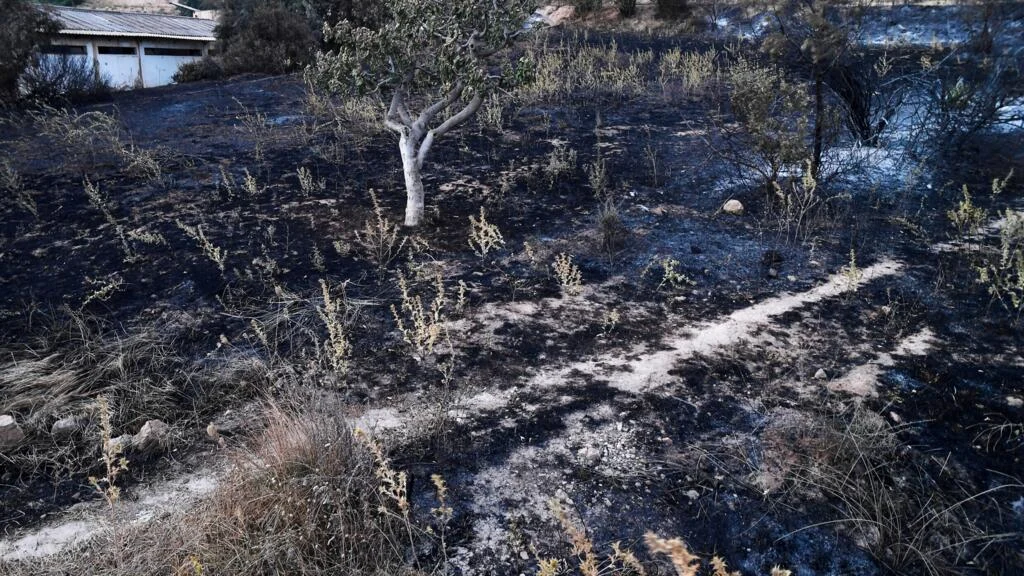
As the smoke begins to clear over the charred hillsides of Bejaia, Jijel, and Tizi Ouzou, Algeria enters a period of national mourning. The 12 victims represent a stark reminder of the fragility of life in an era of environmental volatility.
While the civil protection services continue to mop up hotspots and maintain vigilance against potential flare-ups, the conversation in Algiers and beyond is shifting toward the future. The public and policymakers alike are asking difficult questions about land management, the modernization of emergency response, and, most importantly, how to adapt to a reality where "extreme" has become the standard.
For now, the focus remains on the six individuals in intensive care and the thousands of displaced families who have lost everything to the flames. As the region waits for the heatwave to break, the images of a smoke-filled, orange-tinted sky serve as a grim testament to the challenges facing the Mediterranean in the 21st century.
Reporting by staff, with contributions from AFP and Reuters.