Pancreatic ductal adenocarcinoma (PDAC) has long remained one of the most formidable adversaries in clinical oncology. Characterized by its late diagnosis, aggressive biological behavior, and a notorious resistance to conventional chemotherapy, it remains a leading cause of cancer-related mortality globally. However, a groundbreaking study recently published in the journal Oncotarget offers a potential paradigm shift in how scientists approach the disease.
Led by a research team at the Florida A&M University College of Pharmacy and Pharmaceutical Sciences, Institute of Public Health, the study, titled "The anticancer effects of PCAIs in pancreatic cancer cells involve MAPK and PI3K/AKT pathways hyperactivation," introduces a class of experimental compounds that could bypass the limitations of existing treatments. First author Kweku Ofosu-Asante and corresponding author Nazarius S. Lamango have shed light on how these novel agents, known as polyisoprenylated cysteinyl amide inhibitors (PCAIs), may effectively dismantle the machinery of cancer cells.
The KRAS Conundrum: Why Current Therapies Fall Short
To understand the significance of this research, one must first understand the biological landscape of pancreatic cancer. At the heart of the vast majority of PDAC cases is a mutation in the KRAS gene. KRAS acts as a molecular "on/off" switch that regulates cell growth and division. When mutated, this switch becomes permanently stuck in the "on" position, driving the uncontrolled proliferation of malignant cells.
For decades, KRAS was considered "undruggable" due to its smooth surface, which lacks the typical pockets where drug molecules usually bind. While recent scientific breakthroughs have led to the development of therapies targeting specific KRAS mutations—such as the KRAS G12C mutation—these treatments are narrow in scope. Many patients harbor different variants of the KRAS mutation, rendering these targeted drugs ineffective.
This creates a critical clinical gap: patients whose tumors do not fit the specific profile of existing inhibitors are often left with limited, palliative options. The research spearheaded by the Florida A&M team seeks to bridge this gap by exploring compounds that can neutralize cancer cells regardless of the specific KRAS mutation involved.
Chronology of the Discovery: From Bench to Biological Insight
The development and testing of PCAIs represent a methodical approach to pharmacology. The journey began with the design of these compounds, specifically engineered to interfere with the signaling of abnormal G-proteins. Unlike conventional therapies that attempt to block signaling pathways entirely, the research team adopted a more nuanced, and perhaps more lethal, strategy.
Phase 1: Identifying Potent Inhibitors
The researchers began by screening a variety of PCAIs against pancreatic cancer cell lines known to carry diverse KRAS mutations. Through rigorous cell viability and migration assays, the team identified two standout compounds. The lead candidate, NSL-YHJ-2-27, quickly emerged as the most promising agent.
Phase 2: Analyzing Cellular Migration and Morphology
In initial laboratory testing, NSL-YHJ-2-27 demonstrated a remarkable ability to inhibit the metastatic potential of cancer cells. At a concentration of just 1 µM, the compound blocked over 90% of cancer cell migration. Researchers observed that the treatment caused a collapse of the actin cytoskeleton—the internal "scaffolding" that allows cells to maintain their shape and move. Under the microscope, treated cancer cells appeared rounded, immobile, and functionally neutralized, suggesting that the compound could effectively impede the spread of cancer to distant organs.
Phase 3: The Paradox of Hyperactivation
The most startling discovery came when the researchers investigated the molecular signaling pathways of the treated cells. Typically, cancer researchers aim to inhibit the MAPK and PI3K/AKT pathways, as these are the "highways" cancer cells use to grow and survive. However, the study revealed that PCAIs do not block these pathways; instead, they cause them to become hyperactivated.
This counter-intuitive strategy proved to be a masterstroke. By forcing these pathways into a state of extreme overactivity, the PCAIs essentially "short-circuited" the cell. The resulting cellular stress was catastrophic for the tumor, leading to an accumulation of reactive oxygen species (ROS) and the activation of caspase enzymes—the primary executioners of programmed cell death, or apoptosis.
Supporting Data: Transcriptomics and 3D Modeling
The robustness of the Florida A&M study is bolstered by high-resolution transcriptomic analyses and advanced three-dimensional (3D) tumor models.
Genomic Shifts
The team performed deep sequencing to observe how the gene expression profile changed following exposure to PCAIs. The data revealed a significant "reprogramming" of the cancer cells. Genes associated with tumor suppression and growth regulation were upregulated, while the expression of oncogenes—those genes that drive progression and metastasis—was significantly suppressed. This confirmed that the effects of NSL-YHJ-2-27 were not merely surface-level but involved a fundamental shift in the genetic machinery of the malignant cells.
Real-World Simulation: 3D Spheroids
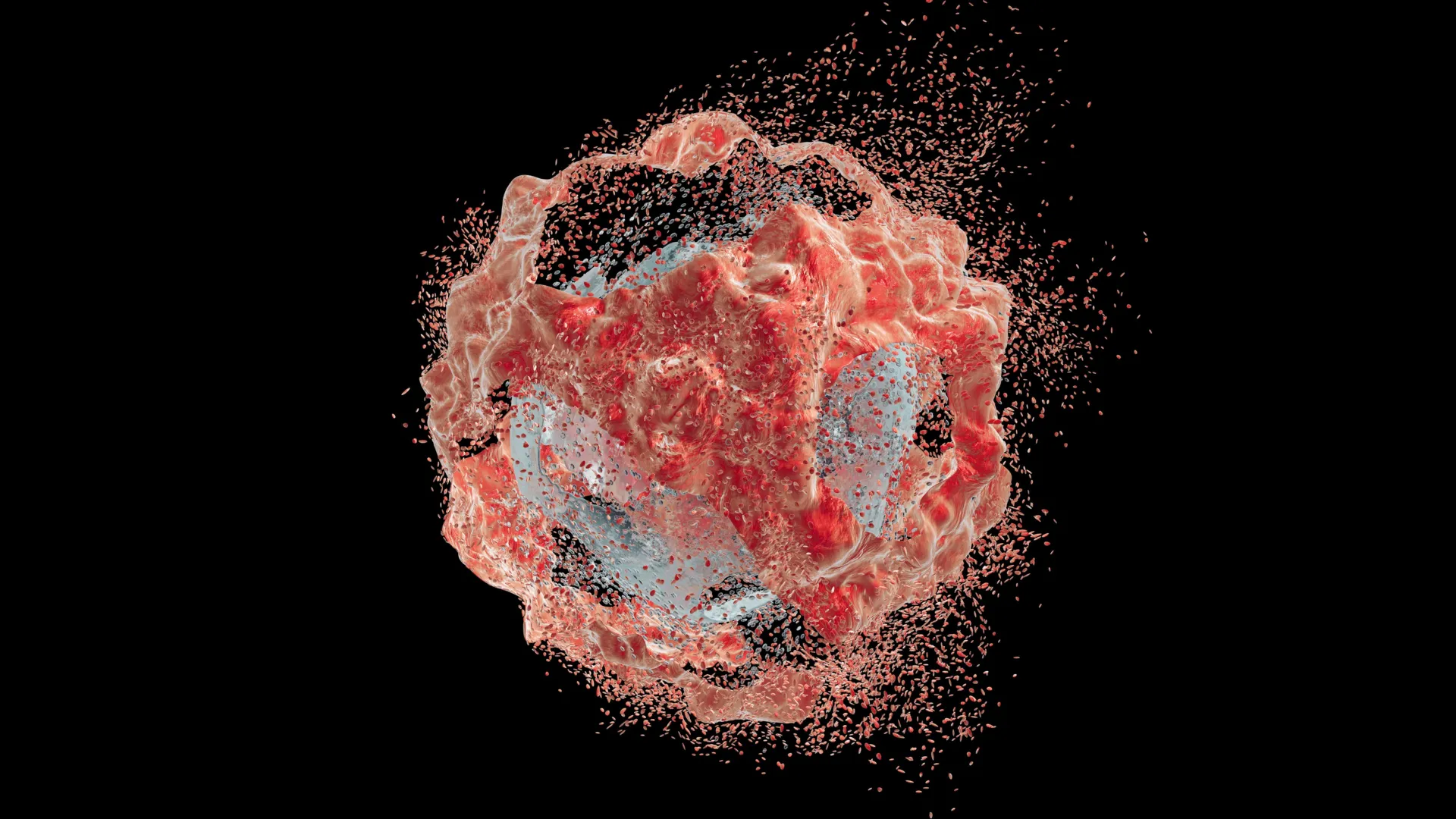
Standard 2D cell cultures often fail to predict how a drug will perform in a living human body because they lack the complex environment of a real tumor. To address this, the team utilized 3D tumor spheroids. These structures mimic the dense, clustered environment of a pancreatic tumor. The PCAI treatment successfully caused these spheroids to dissociate, significantly reducing their ability to invade surrounding tissue matrices and inducing widespread cell death. This suggests that the drug remains potent even in the complex, protective microenvironments that usually shield tumors from chemotherapy.
Official Perspective and Scientific Implications
The researchers emphasize that the success of PCAIs lies in their unique mechanism of action. By targeting the oncogenic G-proteins rather than focusing on a single point-mutation of the KRAS protein, these compounds offer a "pan-mutant" approach.
"One class of such promising agents is the PCAIs that were designed to target oncogenic G-proteins in a manner that is different from the KRASG12C-targeting drugs," noted the research team in their report.
This distinction is vital for the future of oncology. Current KRAS inhibitors are often defeated when a tumor develops a secondary mutation or shifts its reliance to a different variant. Because PCAIs influence the downstream signaling networks—the pathways that are activated after the KRAS mutation—they are theoretically much harder for a tumor to circumvent.
The Path Forward: Implications for Future Treatment
The implications of this study are profound. By effectively inducing apoptosis through the hyperactivation of survival pathways, the research provides a potential blueprint for a new class of "metabolic disruptors" in cancer therapy.
Addressing Drug Resistance
The most immediate potential benefit of this research is the prospect of overcoming treatment resistance. Because pancreatic cancer is characterized by its heterogeneity—meaning different cells within the same tumor can have different genetic mutations—a drug that targets a broad signaling mechanism is far more likely to achieve complete tumor regression than a narrow, mutation-specific agent.
Next Steps for Clinical Translation
While the results in the laboratory are highly encouraging, the researchers acknowledge that the path to clinical application involves several more stages. The next steps will involve:
- In Vivo Studies: Testing the efficacy and safety of NSL-YHJ-2-27 in animal models to determine dosage, pharmacokinetics, and systemic toxicity.
- Combination Therapies: Investigating whether PCAIs can be paired with existing chemotherapies (such as Gemcitabine) to create a synergistic effect, potentially allowing for lower doses of both and reduced patient side effects.
- Drug Formulation: Optimizing the delivery mechanisms to ensure that the compound can reach the tumor site effectively while sparing healthy pancreatic tissue.
A New Standard?
If future human trials mirror the results seen in the Florida A&M laboratory, PCAIs could fundamentally alter the standard of care for PDAC patients. By moving away from the "whack-a-mole" approach of targeting individual mutations and toward the strategic disruption of entire signaling networks, the medical community may finally be gaining the upper hand in the fight against one of humanity’s most persistent and lethal diseases.
As the scientific community continues to digest the implications of this Oncotarget study, the work of Ofosu-Asante and Lamango stands as a testament to the power of unconventional thinking. In a field often constrained by the limitations of traditional drug design, their research serves as a reminder that sometimes the best way to defeat a complex enemy is not to block its path, but to overload its own internal defenses until they collapse.