In the high-octane world of luxury automotive modifications, Brabus is a name synonymous with excess, power, and the meticulous refinement of Mercedes-Benz vehicles. From six-figure SUVs that redefine performance to bespoke luxury catamarans featuring extensive carbon-fiber craftsmanship, the German tuner has spent decades catering to an elite clientele. However, its latest venture pivots away from the thunderous V8 engines of its past and toward a minimalist, electric future.
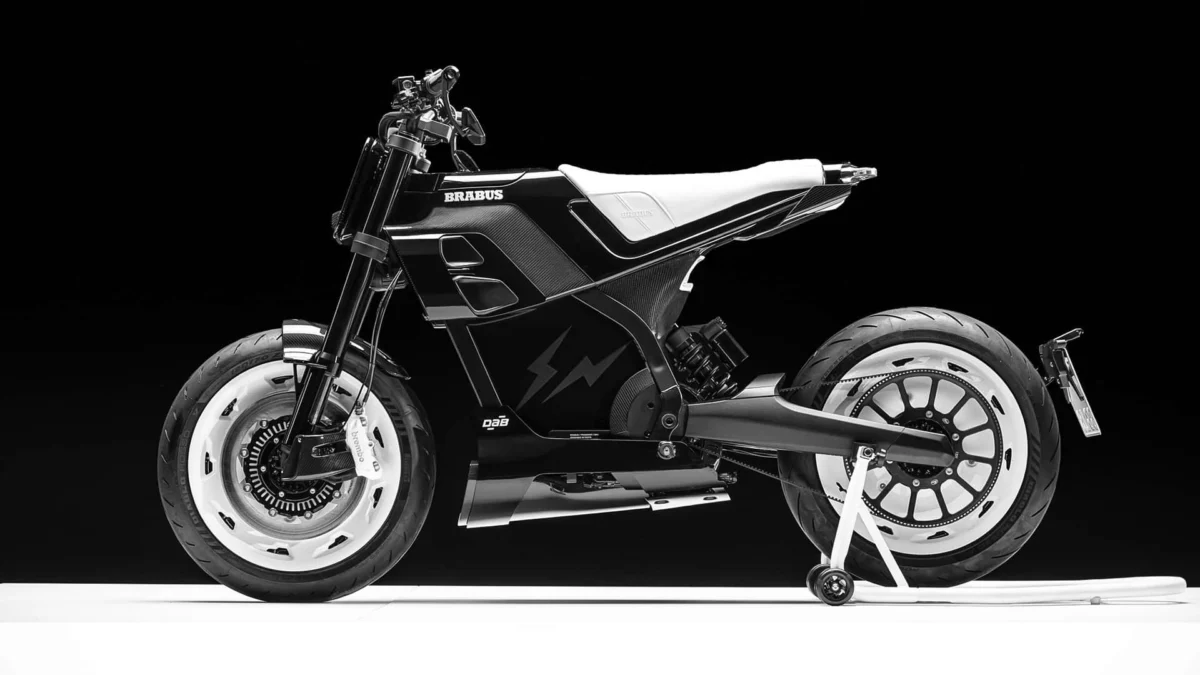
The Brabus Urban E Fragment Edition, unveiled at the 2026 ComplexCon in Los Angeles, represents a profound departure from the brand’s traditional design language. A collaborative effort between Brabus, the French electric motorcycle manufacturer DAB Motors, and the visionary Japanese designer Hiroshi Fujiwara, this machine is less of a utilitarian vehicle and more of a rolling gallery piece. With a production run limited to just 10 units worldwide and a price tag of $50,000, it is a testament to the intersection of streetwear culture, high-end engineering, and extreme exclusivity.
The Genesis of the Fragment Edition: A Chronology of Collaboration
The story of the Urban E Fragment Edition is one of cultural convergence. While Brabus has historically dominated the performance luxury market, the rise of the "lifestyle vehicle" has necessitated new partnerships.
The Meeting of Minds
The project began as a conceptual bridge between three distinct worlds: the engineering precision of DAB Motors, the manufacturing prowess of Brabus, and the aesthetic philosophy of Hiroshi Fujiwara’s Fragment Design. Fujiwara, widely heralded as the "Godfather of Harajuku" and a pioneer in the streetwear movement, is known for his signature monochrome palettes and a "less is more" approach that eschews overt branding in favor of subtle, high-impact design cues.
The ComplexCon Reveal
The official premiere took place at ComplexCon 2026 in Los Angeles. Unlike traditional automotive trade shows, ComplexCon—a cultural festival celebrating pop culture, fashion, and art—provided the perfect backdrop for a bike that is designed as much for a showroom wall as it is for city streets. Attendees were presented with a motorcycle that abandoned the usual chrome-and-carbon-fiber flash associated with Brabus, opting instead for a sleek, monochromatic aesthetic that feels remarkably grounded in contemporary fashion trends.
Engineering Beneath the Surface: Supporting Data
While the aesthetic of the Fragment Edition is the primary draw, the technical foundation provided by DAB Motors ensures that the machine is more than just a fashion statement. The Urban E is a fully realized electric commuter designed to perform in dense, high-traffic environments.
The Powerplant and Performance
At the heart of the bike lies a 27-kilowatt electric motor capable of delivering 37 horsepower. While these figures may seem modest compared to the high-performance monsters typically associated with the Brabus badge, the focus here is on instantaneous, city-ready torque. The bike produces 350 pound-feet of torque at the rear wheel, allowing for rapid acceleration from a standstill—a necessity for urban lane-splitting and traffic navigation.
- Drivetrain: A high-efficiency, low-maintenance carbon belt drive replaces the traditional chain, reducing noise and eliminating the need for regular lubrication.
- Top Speed: The bike is electronically capped at 75 miles per hour, an ideal threshold for a machine designed primarily for urban and suburban environments.
- Battery and Range: A 72-volt lithium-ion battery provides a range of up to 93 miles on a single charge.
Riding Modes and Usability
The Fragment Edition offers three distinct riding modes, each tailored to specific urban scenarios:
- Eco Mode: Limits the top speed to 37 mph and dampens torque delivery, maximizing efficiency for casual, low-speed city cruising.
- Street Mode: The default setting, providing a balance of power and battery conservation for everyday commuting.
- Sport Mode: Unlocks the full potential of the 27-kW motor for those moments where the rider needs to maneuver quickly through heavy traffic.
Charging Infrastructure
Recognizing that the target demographic likely operates in metropolitan areas, the charging system is designed for convenience. Using a standard household outlet, the battery can reach a 100 percent charge in approximately 3.5 to 4 hours, with a 20-to-100 percent "top-up" achievable in just three hours.
Hardware and Craftsmanship: The Brabus Touch
While DAB Motors provides the platform, Brabus’s signature quality control and component selection elevate the machine to a "halo" status.
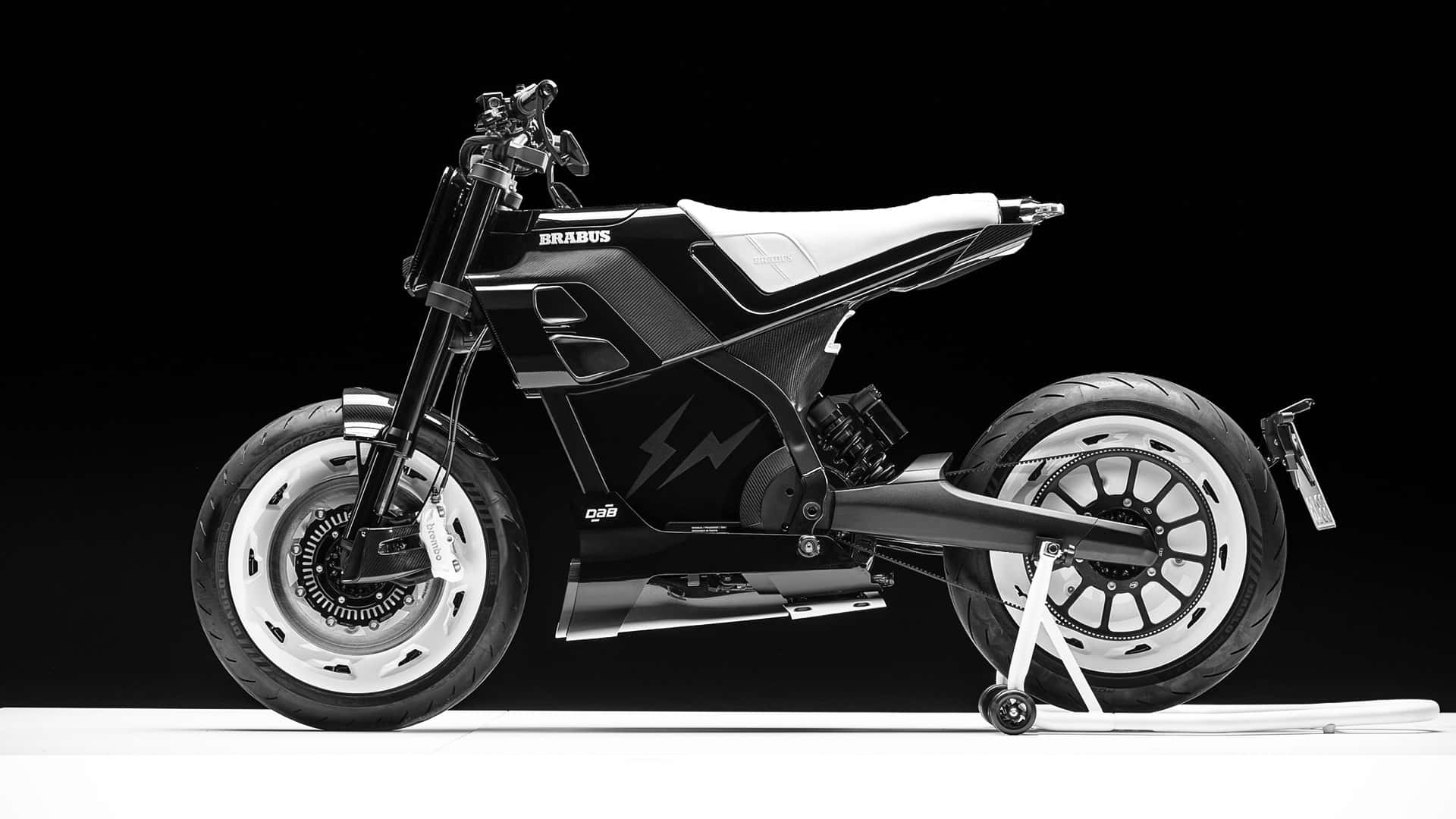
Braking and Suspension
Brabus has integrated a high-performance Brembo braking system to ensure safety matches the bike’s acceleration. The setup features a four-piston front caliper clamping down on a 12.6-inch disc, supported by a dual-channel Anti-lock Braking System (ABS).
The suspension geometry has been fine-tuned for a balance of agility and comfort. It utilizes a 46-millimeter inverted fork in the front and a custom-engineered rear shock. Both ends offer 3.9 inches of travel, providing enough compliance to handle the potholes and imperfections of city roads without sacrificing the bike’s sharp, responsive handling.
Official Responses and Market Implications
The $50,000 price point for the Fragment Edition has sparked significant discourse within both the motorcycle and automotive collecting communities.
Why the Price Gap?
In Europe, the bike is listed at €45,000 (pre-tax). The North American MSRP of $50,000 represents a significant premium over the standard-issue DAB Urban E, which lacks the Fujiwara styling and the extreme rarity of a 10-unit production run.
Brabus executives have framed the price as a reflection of the "collector’s premium." In a statement, the company noted that the Fragment Edition is intended for individuals who view vehicles as functional art. "This is not just a motorcycle; it is a collaborative masterpiece that reflects the zeitgeist of modern luxury," a company spokesperson stated.
The Rarity Factor
By capping production at 10 units worldwide, Brabus has effectively guaranteed the bike’s status as a collector’s item. Analysts predict that these motorcycles will likely trade on the secondary market for prices significantly higher than their original MSRP. This mirrors trends seen with other high-end automotive-motorcycle collaborations, such as the Aston Martin-branded Brough Superior or the Bentley-inspired Ducati Diavel.
The Broader Implications for Luxury Brands
The Brabus Urban E Fragment Edition signals a broader shift in how luxury brands approach the "last mile" of travel. As city centers become increasingly restrictive toward internal combustion engines, luxury marques are finding that they must provide solutions that are both environmentally conscious and aesthetically aligned with their brand identity.
Urban Mobility as a Status Symbol
For decades, status in the automotive world was defined by engine displacement and exhaust notes. Today, that status is increasingly tied to sustainability, design, and the ability to navigate the modern urban landscape with ease. The partnership with Hiroshi Fujiwara is a strategic move to capture a younger, affluent demographic that values streetwear culture as much as, or perhaps more than, traditional automotive engineering.
The Future of "Halo" Products
The Urban E Fragment Edition serves as a halo product—a machine that draws eyes to the brand, generates buzz at events like ComplexCon, and enhances the prestige of the entire Brabus catalog. Even if the average consumer cannot afford or access one of the 10 units, the existence of the bike reinforces the image of Brabus as a brand at the bleeding edge of design and technology.
Conclusion: A New Chapter for Brabus
As Brabus moves into the second half of the decade, the Urban E Fragment Edition stands as a bold, if niche, experiment. It is a product that challenges the traditional definition of a motorcycle, blurring the lines between transportation and high-fashion artifact. Whether these 10 machines end up on the road or in private collections, their impact on the perception of electric, urban mobility is undeniable. Brabus has successfully proven that even in the shift to electrification, there is still room for the extreme, the exclusive, and the undeniably stylish.