Introduction: A Week of Unprecedented Volatility
The 2026 NFL season has been defined by high stakes, but Week 5 will be remembered for the fraying of composure across the league. In a sport built on controlled aggression, the line between professional intensity and public misconduct has become increasingly blurred. Following a week that saw two game officials suspended for unprofessional conduct and a separate head coach penalized for explicit language directed at players, the spotlight shifted to Philadelphia’s Lincoln Financial Field.
During the Los Angeles Rams’ dramatic 24-20 come-from-behind victory over the Philadelphia Eagles, the vitriol typically reserved for the field spilled into the coaching boxes. Rams assistants were captured on video engaging in a heated, profane exchange with Philadelphia spectators, an incident that culminated in a drink being hurled at the coaching suite. The fallout from this spectacle has forced Los Angeles head coach Sean McVay to take a hard look at his staff’s conduct, promising a more disciplined approach as the season progresses.
The Chronology of the Conflict
The interaction occurred in the waning minutes of a high-octane fourth quarter. With the Rams trailing, momentum began to shift following a series of aggressive decisions by Eagles head coach Nick Sirianni.
The Catalyst
The tension reached a boiling point immediately following Kyren Williams’ go-ahead touchdown, which cemented the Rams’ 24-20 lead. As the Rams coaching staff celebrated the pivotal score, the proximity of the visitor’s coaching box to the raucous Philadelphia crowd proved to be a volatile cocktail. Witnesses and video footage indicate that Rams assistants began banging on the protective glass while exchanging aggressive, obscene hand gestures with nearby fans.
The Escalation
The atmosphere, already charged by a double-digit lead collapse, turned hostile. As the coaches gestured toward the stands, fans retaliated with verbal abuse and physical projectiles. The situation reached its peak when a beverage was launched from the stands toward the Rams’ coaching box. Security personnel were forced to intervene, though the damage to the optics of the game was already done. The viral nature of the clip—showing coaches, who are expected to be the stewards of professional decorum, engaging in street-level disputes—spread rapidly across social media, creating a PR headache for the Rams organization.
Supporting Data: A Historic Collapse
The intensity of the sideline interaction was a direct reflection of the game’s stakes. The statistics surrounding this matchup highlight exactly why emotions were elevated to a fever pitch.
The Sirianni Gamble
The turning point of the game came down to a single tactical decision. With the Eagles holding a comfortable 10-point lead in the fourth quarter, Nick Sirianni opted to go for a touchdown on a fourth-and-goal from the two-yard line rather than taking a high-percentage field goal. The failure to convert that attempt proved fatal. It provided the Rams with the field position and the psychological opening required for their comeback.
The Statistical Anomaly
The result of the game shattered two significant career streaks:
- Jalen Hurts: This marked the first time in the quarterback’s professional career that he lost a game while leading by double digits with less than five minutes remaining.
- Matthew Stafford: Conversely, this represented Stafford’s first comeback victory with the Rams under identical late-game conditions.
- Eagles’ Home Woes: This loss marked the third time during the Nick Sirianni era that the Eagles surrendered a 10-point lead at home, a statistic that has drawn significant scrutiny from the Philadelphia faithful.
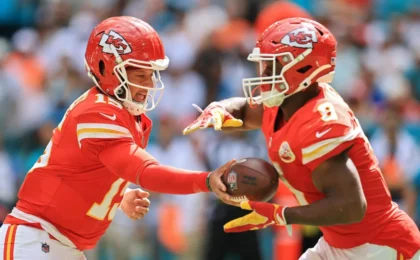
The Rams responded to the Eagles’ missed opportunity by engineering two consecutive 10-play scoring drives, both capped by Kyren Williams. This offensive efficiency, executed in a hostile environment, clearly pushed the Rams’ assistants beyond their professional limits.
Official Responses: McVay Takes Accountability
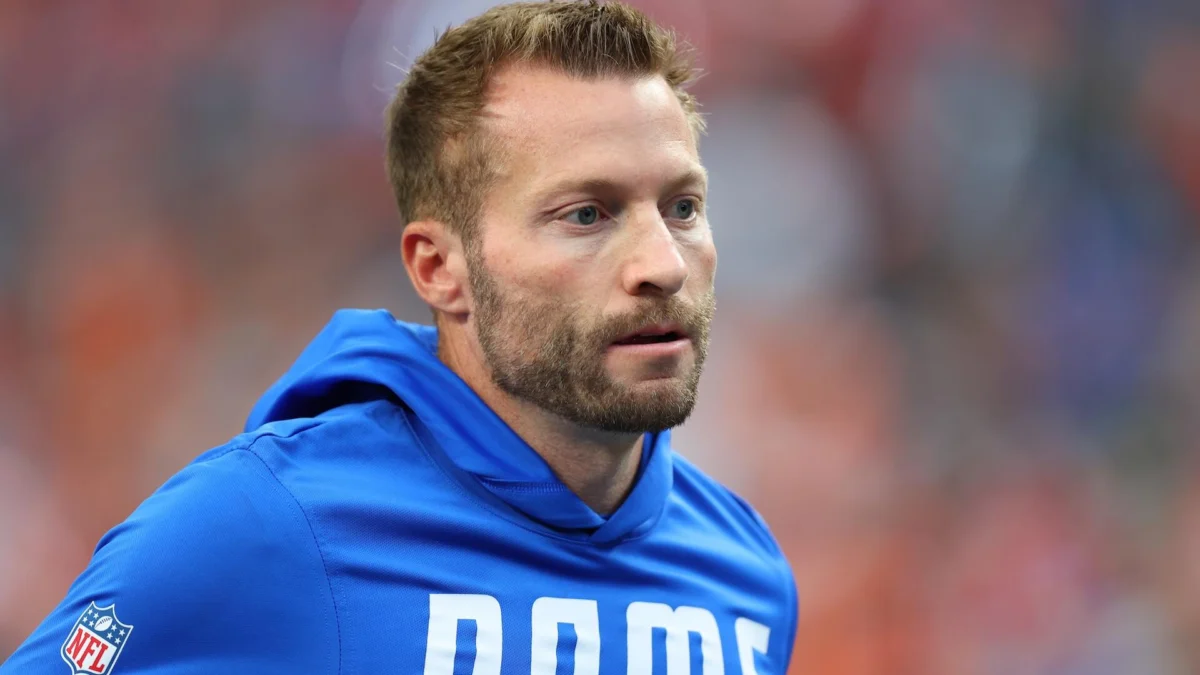
On Monday, Sean McVay took a proactive stance to quell the controversy. Speaking to the media, the Rams head coach did not seek to justify his staff’s behavior, nor did he shift the blame entirely onto the hostile Philadelphia environment.
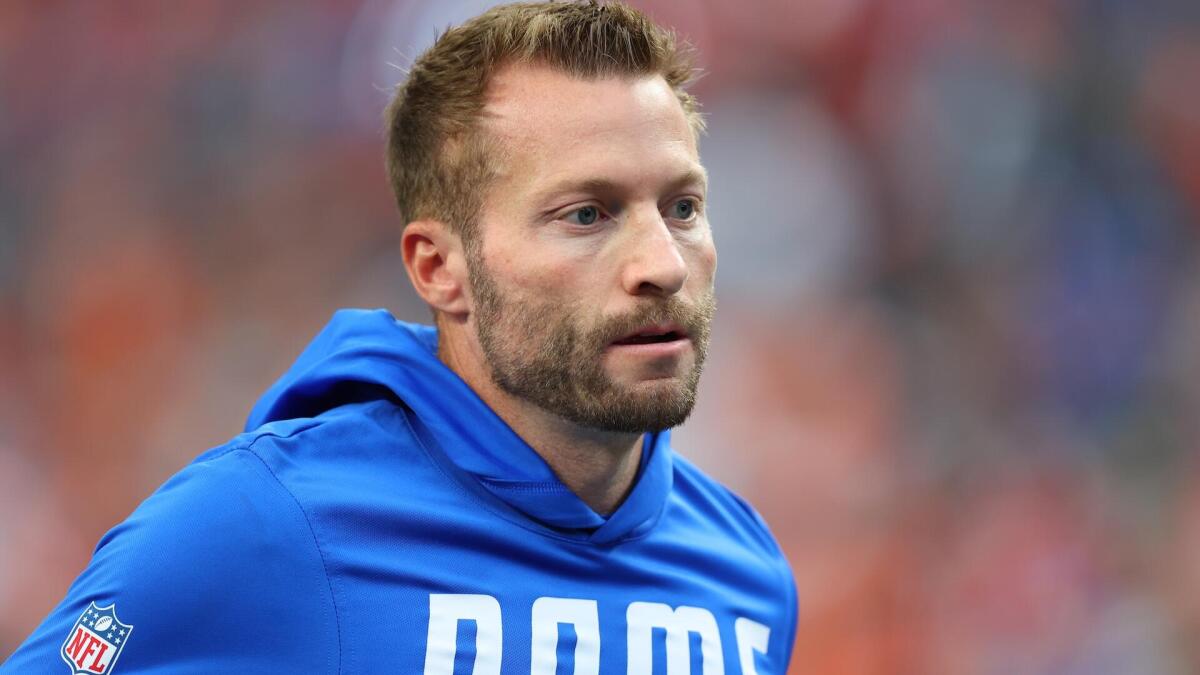
"We’ll be better in those situations," McVay stated during his press conference. "We’ll learn from that. We’ll be better. Those fans are really into it, but I know that we want to make sure that we’re representing the class and just the calm steadiness that we want to have while also being emotionally into it. There are ways that we can have that reflected."
Reflecting on Experience
McVay, known for his own fiery demeanor on the sidelines, offered a touch of empathy rooted in his own history. He recalled his earlier days as an assistant coach for the Washington Commanders, admitting that the pressure of play-calling can often override one’s filter.
"You get excited and emotional," McVay noted. "It happens. But there is a standard we have to maintain."
McVay confirmed that he held an internal meeting with his staff to address the incident. He was unequivocal in his closing statement: "We did talk about it, and that won’t be an issue moving forward."
The Broader Implications for the NFL
The incident in Philadelphia is symptomatic of a larger issue currently plaguing the National Football League: the erosion of the boundary between fans and team personnel.
The Safety of Coaching Staffs
While coaches are paid to handle high-stress environments, the increasing accessibility of coaching boxes and the proximity of seating arrangements present legitimate safety concerns. When staff members engage in provocative behavior, they invite retaliation. The league office has long struggled with balancing fan engagement with the physical security of those on the clock.
The "Professional Conduct" Mandate
This incident follows a series of headlines that have challenged the NFL’s brand of "integrity." With officials being suspended and coaches being fined for profanity, the league is clearly in a period of transition regarding its expectations of professional decorum. The viral exchange in Philly will likely serve as a case study for future league-wide memoranda regarding conduct toward fans.
The NFL is a multi-billion dollar entertainment product, and optics matter. When the men tasked with orchestrating the game are seen trading obscene gestures with ticket-holders, it undermines the authority of the league. McVay’s swift apology suggests that the Rams understand the gravity of the situation—the league is watching, and the tolerance for such "emotional" outbursts is shrinking.
The Psychological Toll of the 2026 Season
As the 2026 season enters its second quarter, the intensity is clearly ratcheting up. With playoff races beginning to take shape and jobs on the line, the pressure is manifesting in erratic behavior. Whether this is a temporary trend or a sign of deeper instability in the coaching ranks remains to be seen. However, one thing is certain: Sean McVay and his staff have been put on notice. The "calm steadiness" he alluded to is not just a cultural goal for the Rams—it is now a requirement to avoid further disciplinary action from the league office.
Moving forward, all eyes will be on the Rams’ sideline during their next road game. The pressure to win is immense, but the expectation to behave as professionals is absolute. The Philadelphia incident serves as a stark reminder that in the modern NFL, the game isn’t just played between the hash marks; it is played in the eyes of the public, and the lens is always on.