NEW YORK CITY & ALBANY – Next week’s primaries across New York State are poised to be far more than routine intra-party contests. They represent a significant litmus test for emerging political forces, a battleground for ideological purity within the Democratic Party, and a crucial prelude to some of the nation’s most competitive House races this fall. At the heart of many of these urban Democratic contests is the political power and influence of New York City Mayor Zohran Mamdani, just six months into his pivotal mayoral term. His endorsements of a slate of progressive challengers will gauge the strength of the city’s left flank against established incumbents and traditional party structures. Simultaneously, critical races in the Hudson Valley and upstate will shape the Republican Party’s trajectory and the national fight for congressional control.
The stakes are high, not only for the individual candidates but for the broader political landscape of New York and the nation. These primaries will reveal the prevailing mood of the electorate, the effectiveness of grassroots organizing versus institutional support, and the enduring power of endorsements from influential figures like Mayor Mamdani and former President Donald Trump.
I. Mayor Mamdani’s Gambit: Testing Progressive Reach in New York City
Mayor Zohran Mamdani, a prominent figure in New York City’s progressive movement, has strategically deployed his political capital by endorsing a trio of Democratic candidates for House seats. These endorsements are a calculated move to solidify the progressive wing’s influence in Congress and a direct challenge to the Democratic establishment. For Mamdani, whose mayoral term is still in its nascent stages, the outcomes of these primaries will serve as an early referendum on his political sway and his ability to translate his municipal mandate into broader ideological victories.
His selections underscore a distinct ideological leaning: all three candidates he backs are running to the left of their opponents, even those who identify as progressives themselves and are members of the Congressional Progressive Caucus. This nuance highlights the ongoing internal struggle within the Democratic Party, where "progressive" itself has become a spectrum, and a more robust socialist-democratic agenda is vying for mainstream acceptance.
A. The Battle for Ideological Dominance in New York’s 10th District
One of Mamdani’s most significant endorsements is for Brad Lander, the former New York City Comptroller, who is mounting a formidable challenge against incumbent Rep. Dan Goldman in the 10th District. This district, encompassing parts of Lower Manhattan and Brooklyn, is a microcosm of New York City’s diverse and politically engaged Democratic base.
Main Facts: Lander, a known figure in city politics with a track record of progressive advocacy as Comptroller, is directly confronting Goldman, a freshman Congressman who gained national prominence as lead counsel in the first impeachment inquiry against former President Donald Trump. Goldman, despite his self-identification as a progressive and membership in the Congressional Progressive Caucus, is perceived by Lander’s campaign and Mamdani’s allies as not being sufficiently aligned with the district’s most left-leaning voters.
Chronology of Campaign Developments: Lander’s challenge has been robust throughout the year, consistently drawing significant attention and resources. This sustained pressure led to Goldman being placed on CQ Roll Call’s list of "most vulnerable" House incumbents last month, signaling the seriousness of the primary threat. Mamdani’s endorsement, while late in the game, served to amplify Lander’s message and mobilize a critical segment of the progressive electorate, providing a late-stage surge of enthusiasm and potentially crucial volunteer support.
Supporting Data: Polling data, though not explicitly detailed in the original article beyond Goldman’s vulnerability status, suggests a tight race. Fundraising reports would likely show both candidates with substantial war chests, reflecting the national interest in this high-profile primary. Lander’s prior city-wide electoral success as Comptroller lends him name recognition and a proven ability to organize broad coalitions, which he is now attempting to leverage in the congressional context.
Official Responses: While specific quotes from Goldman’s campaign are not provided, his membership in the Congressional Progressive Caucus serves as his primary defense against claims of insufficient progressivism. His campaign strategy likely emphasizes his legislative record and his role in national accountability efforts against Trump, appealing to a broader Democratic base concerned with national political stability.
Implications: A Lander victory would be a significant coup for the progressive movement, demonstrating that even relatively new incumbents with national profiles can be unseated from the left. It would empower Mayor Mamdani and his allies, signaling a shifting ideological center within the Democratic Party in New York City. Conversely, a Goldman victory would demonstrate the resilience of centrist-leaning progressives and the limits of mayoral endorsement power in a crowded field.
B. The "Machine" vs. "Movement" in New York’s 13th District
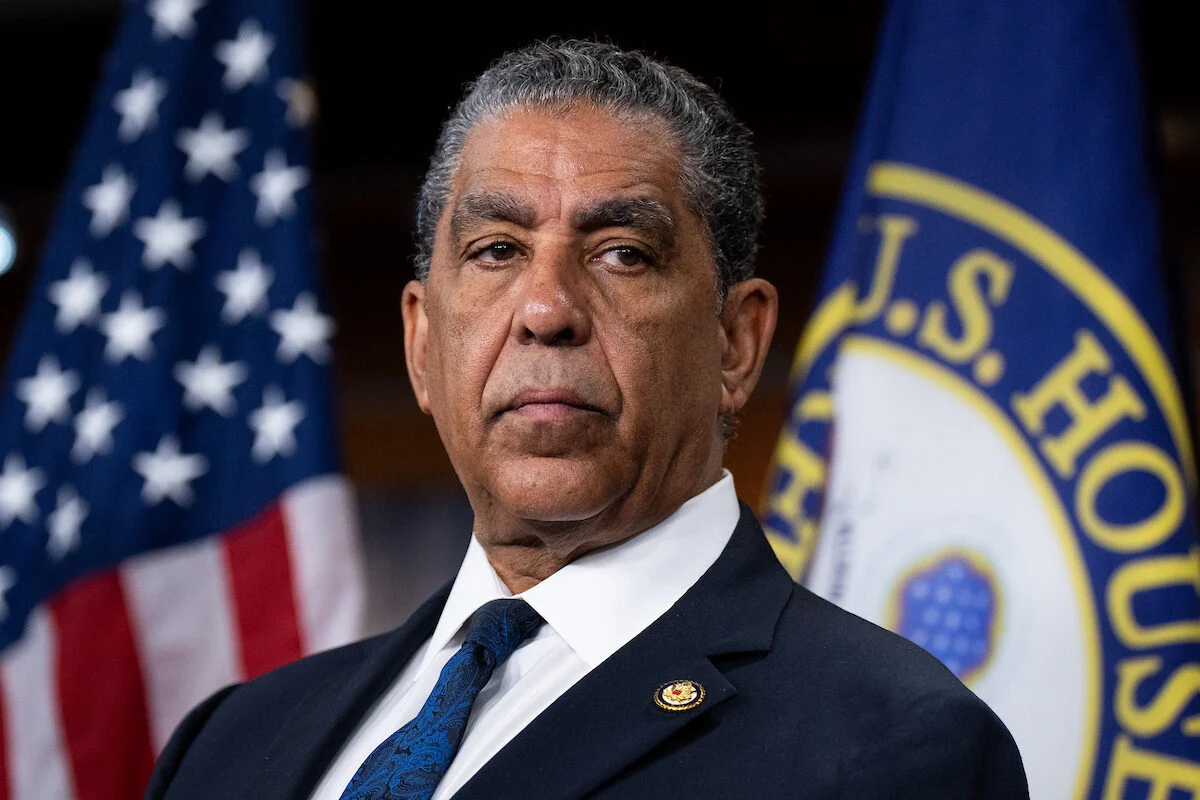
Another critical endorsement by Mamdani is for organizer Darializa Avila Chevalier, who is challenging Rep. Adriano Espaillat in the 13th District. This district, primarily covering Upper Manhattan and parts of the Bronx, is home to a significant Hispanic population and has long been a stronghold for Espaillat, a seasoned politician and the chair of the Congressional Hispanic Caucus.
Main Facts: Avila Chevalier represents a grassroots, movement-driven approach, endorsed by the New York City chapter of the Democratic Socialists of America (DSA). Her campaign aims to galvanize a younger, more ideologically driven electorate that seeks a more aggressive progressive agenda. Espaillat, in contrast, embodies the established Democratic power structure. His long tenure in various political offices, culminating in his role as a prominent voice in Congress, has cemented his position within the party.
Chronology of Campaign Developments: Avila Chevalier’s campaign received a high-profile boost late last month with Mamdani’s official endorsement. This injection of support provided her campaign with increased visibility and a renewed sense of momentum. In direct opposition, Espaillat has rallied significant party establishment support, showcasing the traditional Democratic Party’s defense mechanisms. House Minority Leader Hakeem Jeffries, a powerful figure in national Democratic politics, campaigned with Espaillat just last weekend, alongside other members of the Congressional Black Caucus. This public display of unity from party leadership underscores the party’s investment in protecting its incumbents and maintaining its established order.
Supporting Data: The backing from the DSA for Avila Chevalier highlights the organizational strength and voter mobilization capabilities of the socialist-democratic movement in New York City. For Espaillat, the endorsements from top party leaders and influential caucuses like the CBC speak to his deep institutional ties and the traditional fundraising and organizational advantages that come with them.
Official Responses: Espaillat’s campaign, while not directly quoted, would likely emphasize his experience, his leadership within the Congressional Hispanic Caucus, and his ability to deliver for the district. The presence of figures like Hakeem Jeffries campaigning with him sends a clear message that the party considers him a valuable asset.
Implications: This race is a classic "machine versus movement" narrative. If Avila Chevalier were to upset Espaillat, it would send shockwaves through the Democratic Party, demonstrating the potent force of progressive grassroots organizing even against entrenched power. It would further elevate Mamdani’s status as a kingmaker within the progressive sphere. An Espaillat victory, however, would reaffirm the strength of traditional party structures and the difficulty of unseating experienced incumbents, even in a district with a strong progressive base.
C. The Open Seat Scramble in New York’s 7th District
Mamdani’s third key endorsement is for state Assemblywoman Claire Valdez, who is embroiled in a tight Democratic race for the 7th District seat. This seat is being vacated by the long-serving Rep. Nydia M. Velázquez, a respected figure in New York and national politics, making it an open contest and a prime target for various factions within the party.
Main Facts: Valdez, like Avila Chevalier, is endorsed by the New York City chapter of the Democratic Socialists of America, signaling her alignment with the more radical left wing of the party. Her opponent is Brooklyn Borough President Antonio Reynoso, a well-known figure in Brooklyn politics with a broad base of support built during his tenure as borough president. This race pits a rising progressive legislator against a popular local executive, both vying to represent a diverse district spanning parts of Brooklyn and Queens.
Chronology of Campaign Developments: The race for the 7th District has been described as "close," indicating a highly competitive primary where every endorsement and campaign event could prove decisive. Mamdani’s backing of Valdez is designed to consolidate the progressive vote around her, while Reynoso leverages his extensive network and name recognition from his borough-wide office.
Supporting Data: Valdez’s DSA endorsement points to her capacity to mobilize a dedicated volunteer base and tap into a specific ideological donor network. Reynoso’s borough presidency provides him with a strong institutional platform and likely a broader appeal across different segments of the Democratic electorate within the district.
Official Responses: Valdez’s campaign would likely highlight her legislative record in the State Assembly and her commitment to a transformative progressive agenda. Reynoso’s campaign would emphasize his executive experience, his understanding of the borough’s needs, and his ability to deliver tangible results for constituents.
Implications: The outcome of this primary will determine whether Velázquez’s successor will continue her more established progressive legacy or shift further to the left with a DSA-backed candidate. A Valdez victory would mark another significant gain for the DSA and Mayor Mamdani, indicating a growing appetite for more ideologically pure progressive representation. A Reynoso win would demonstrate the continued electoral power of local executive experience and a more traditional Democratic approach.
D. The Nuance of Progressivism and the DSA Factor
A common thread binding all three Mamdani-backed candidates is their positioning "to the left of their opponents, who identify as progressives themselves." This distinction is crucial. While incumbents like Goldman and Espaillat are members of the Congressional Progressive Caucus, the DSA-backed candidates represent a further embrace of democratic socialist principles, often advocating for more radical systemic changes in areas like healthcare, housing, and economic policy. The DSA’s endorsements for Avila Chevalier and Valdez underscore this ideological divide, emphasizing a commitment to policies that go beyond mainstream Democratic progressivism. The primaries thus become a contest over the very definition and future direction of the Democratic Party in one of its most liberal strongholds.
II. Beyond Mamdani’s Reach: Other High-Stakes NYC Races
While Mayor Mamdani’s endorsements command significant attention, other high-profile Democratic primaries in New York City are also shaping the political narrative and drawing considerable scrutiny.
A. NY-12: The Nadler Succession and the AI Influence
The 12th District, currently held by retiring Rep. Jerrold Nadler, presents a different kind of primary battle – a crowded open-seat contest that has attracted a diverse field of candidates and seen novel forms of external influence. Nadler’s long and distinguished career in Congress, representing a district covering parts of Manhattan, leaves a significant void, attracting ambitious contenders.
Main Facts: The race has drawn a crowded field, with four candidates garnering the most attention: state Assemblymen Micah Lasher and Alex Bores; Jack Schlossberg, a social media influencer and grandson of former President John F. Kennedy; and George Conway, a Republican lawyer turned prominent Trump critic. Each brings a unique profile and potential voter base to the contest. Lasher and Bores represent seasoned legislative experience, Schlossberg offers celebrity appeal and a storied political lineage, and Conway presents a distinctive brand of cross-party criticism.
Chronology of Campaign Developments: Early polls showed Schlossberg, leveraging his famous surname and social media presence, leading the pack. However, as the campaign progressed and voters delved deeper into the candidates’ platforms and experience, recent surveys have indicated a shift, with either Lasher or Bores now leading. This fluctuation highlights the fluid nature of open-seat primaries, where name recognition can give an early boost, but sustained campaigning and policy engagement often prove more decisive.
Supporting Data: The polling shifts serve as critical indicators of campaign momentum. Beyond traditional campaign metrics, this primary has also seen an intriguing development: significant fighting between groups tied to the artificial intelligence (AI) industry. Alex Bores, who in the state Assembly sponsored legislation meant to safeguard AI technology, has become a focal point for this spending. His campaign has seen both substantial financial support and opposition spending from various AI-related groups, underscoring the emerging influence of this powerful industry in political campaigns.
Official Responses: Campaigns would naturally spin the polling data to their advantage, with Lasher and Bores’s camps highlighting their late surges and Schlossberg’s team emphasizing his initial strength and broad appeal. Conway’s campaign would likely lean into his anti-Trump stance, appealing to a segment of the electorate weary of partisan divisions. The AI industry’s involvement, while not directly "official responses" from candidates, represents a new frontier of external influence, with groups likely framing their spending as either supporting responsible AI development or opposing restrictive legislation.
Implications: The outcome of the NY-12 primary will not only determine who represents a key Manhattan district but could also signal the future of political dynasties (Schlossberg), the impact of new money in politics (AI industry spending), and the viability of "unity" candidates (Conway) in deeply partisan times. A victory for either Lasher or Bores would affirm the value of legislative experience and policy focus in local elections.
III. The Battle for the Hudson Valley and Upstate New York
Beyond the urban sprawl of New York City, crucial congressional primaries are unfolding in more suburban and rural districts, setting the stage for some of the most competitive general election contests in the nation.
A. NY-17: Lawler’s Vulnerability – A National Bellwether
In the Hudson Valley’s 17th District, Republican Rep. Mike Lawler is bracing for what is widely anticipated to be the toughest fight of his political career this fall. His district is a top target for House Democrats, who view it as one of their best pickup opportunities.
Main Facts: Lawler, a formidable fundraiser, won his seat in 2022 in a district that notably voted for Kamala Harris in 2024 (as the Democratic vice-presidential candidate in the 2020 election, though the article states 2024, implying a future projection or typo and likely refers to the 2020 presidential election where Biden/Harris won the district). This "split-ticket" outcome makes him particularly vulnerable, as it indicates a significant portion of the electorate is willing to vote across party lines.
Chronology of Campaign Developments: Five Democrats are on the ballot for Tuesday’s primary, but Army veteran Cait Conley and Rockland County legislator Beth Davidson have emerged as the presumed front-runners, dominating fundraising and media attention. Conley, in particular, has positioned herself as the fundraising leader, signaling her capacity to mount a robust general election campaign.
Supporting Data & Official Responses: Conley has benefited from substantial spending by outside groups, including the New Democrat Majority, VoteVets (supporting veterans in politics), and AFT Solidarity (tied to the American Federation of Teachers). This external support underscores the national Democratic Party’s investment in flipping this seat. However, her campaign has also faced significant opposition: a newly formed outside group called "Progressive Champions PAC," which is allegedly tied to Republicans and has not yet disclosed its donors, spent $1.5 million on ads opposing Conley. This tactic, designed to weaken the likely Democratic nominee, highlights the sophisticated and often opaque nature of modern campaign finance.
In a closing ad released this week, Conley directly addressed these attacks, stating, "When I see Mike Lawler and MAGA Republicans lying about me, I know they’re scared. MAGA knows I will beat Mike Lawler and stop Donald Trump." This direct challenge to Lawler and former President Trump signals her intention to nationalize the race and appeal to anti-Trump sentiment. Lawler, for his part, reported a robust $4.3 million war chest earlier this month, demonstrating his strong fundraising capabilities and preparedness for a costly general election battle.
Implications: The Democratic primary in NY-17 is crucial for setting up a strong challenger to Lawler. The winner will inherit the mantle of a nationally targeted seat, with significant national resources pouring into the race. The outcome will also be a bellwether for the broader national political climate, indicating whether swing districts are leaning towards Republican incumbents or are ripe for Democratic pickups, especially in the context of the 2024 presidential election. The alleged Republican-tied PAC attacking Conley also raises questions about dark money in politics and strategic interference in opposing party primaries.
B. NY-21: The Post-Stefanik Era – A Republican Inflection Point
Further upstate, in the expansive 21st District, a significant Republican primary is taking place. This race is for an open seat, as Rep. Elise Stefanik, a rising star in the national Republican Party, is not seeking re-election. Her decision not to run, spurred by her potential role as U.S. ambassador to the United Nations under a future Trump administration, has opened a crucial contest for the future direction of the GOP in a traditionally conservative region.
Main Facts: The Republican primary features Anthony Constatino, who has secured the coveted endorsement of former President Donald Trump, against state Assemblyman Robert Smullen, who is endorsed by the state Republican Party and the Conservative Party of New York State. This race is a clear proxy battle between the Trump-aligned wing of the party and the more traditional state party establishment.
Chronology of Campaign Developments: Stefanik’s potential departure created this open seat, triggering a scramble for the Republican nomination. Trump’s endorsement of Constatino signifies his continued influence over the party base, particularly in more conservative, rural districts. Smullen’s endorsements from the state Republican and Conservative parties indicate a strategic effort by the party apparatus to back a candidate with established local ties and a more traditional conservative platform.
Supporting Data & Official Responses: Trump’s endorsement is often a powerful force in Republican primaries, capable of galvanizing his base and providing a significant advantage. The state party and Conservative Party endorsements for Smullen signal a coordinated effort to support a candidate with deep roots in state politics and a broader appeal to the party’s various factions. The winner of this primary is expected to face Democratic dairy farmer Blake Gendebien, who began his campaign last year when Stefanik’s potential ambassadorial role first emerged.
Implications: The NY-21 primary is a test of Trump’s enduring power within the Republican Party against the influence of the state party establishment. A Constatino victory would affirm the strength of the Trump brand in upstate New York. A Smullen victory, despite Trump’s opposition, would indicate a degree of independence for the state party. Crucially, Smullen, as the only nominee running in the Conservative Party primary, will be on the November ballot regardless of the Republican primary outcome. This unique aspect provides him with a safety net and potential advantage, ensuring his presence in the general election and potentially splitting the conservative vote if Constatino wins the GOP primary but struggles to unite the broader base. This dynamic could make the general election more unpredictable, potentially offering a narrow opening for Gendebien, the Democratic challenger.
IV. Implications and Outlook: A Precursor to November
The mosaic of New York’s primaries, from the dense urban centers to the sprawling upstate regions, offers a complex and revealing look into the current state of American politics.
A. A Barometer for the National Progressive Movement
Mayor Mamdani’s deliberate intervention in these House primaries transforms them into a critical barometer for the national progressive movement. His success in propelling his chosen candidates to victory would signal a significant shift in the Democratic Party’s power dynamics, demonstrating that grassroots organizing and a clear ideological stance can challenge and even overcome entrenched incumbents and party establishment figures. Conversely, if his candidates falter, it would highlight the formidable obstacles still facing the progressive left in translating local power into national influence. The outcomes will inevitably be scrutinized by progressive groups nationwide, informing future strategies and resource allocation.
B. The Shifting Sands of Party Loyalty
These primaries illuminate the ongoing internal struggles within both the Democratic and Republican parties. For Democrats, the "left of progressives" versus "establishment progressive" battles reflect a party grappling with its identity and future direction. The emergence of figures like Mamdani and the sustained influence of groups like the DSA indicate a desire for more radical change among a segment of the electorate, challenging the traditional incrementalism of the party. On the Republican side, the Constatino-Smullen contest underscores the lingering tension between the populist, Trump-aligned wing and the more traditional conservative establishment, a dynamic that continues to shape the party’s trajectory post-Trump presidency.
C. November’s Shadow: Setting the Stage for the General Election
Beyond internal party dynamics, these primaries are crucial in setting the stage for the general election in November. The competitive primary outcomes will determine the strength and unity of the parties heading into the fall. Fierce primary battles can sometimes leave candidates bruised and financially depleted, potentially benefiting the opposing party in the general election. However, a hard-fought primary can also forge stronger, more resilient candidates with sharper messages and more galvanized bases. The races in NY-17 and NY-21, in particular, will shape the national battle for House control, with NY-17 standing out as a prime flip opportunity for Democrats and NY-21 representing a crucial hold for Republicans.
D. The Enduring Power of Endorsements and Money
Finally, the New York primaries reaffirm the enduring power of endorsements and money in modern political campaigns. The "coveted endorsement" of Donald Trump still holds sway over a significant portion of the Republican base, while Mayor Mamdani’s backing provides a critical boost for progressive challengers. The millions of dollars flowing into these races, both from official campaigns and from outside groups – some with undisclosed donors and alleged partisan motives – underscore the high stakes and the lengths to which political actors will go to influence outcomes. The AI industry’s unexpected financial intervention in NY-12 also signals a new frontier for special interest influence, hinting at future trends in campaign finance and lobbying.
As New Yorkers head to the polls next week, the results will not merely decide who represents them in Congress; they will offer profound insights into the evolving ideologies, power structures, and strategic maneuvering that define American politics today. The reverberations of these contests will be felt far beyond the Empire State, shaping the national political dialogue and the contours of the upcoming general election.