In a groundbreaking development for sustainable nutrition, an international team of scientists has successfully engineered Spirulina—a nutrient-dense blue-green algae—to produce biologically active vitamin B12 at levels that rival, and in some cases exceed, those found in beef. Published in the journal Discover Food, the study represents a potential turning point in global food security, offering a carbon-neutral, plant-based solution to a widespread nutritional deficiency that affects over a billion people worldwide.
Led by Dr. Asaf Tzachor, Founder and Academic Director of the Aviram Sustainability and Climate Program at Reichman University, the research involved a collaborative effort between institutions in Iceland, Denmark, and Austria. By leveraging advanced photonic biotechnology, the team has effectively unlocked a metabolic pathway in Arthrospira platensis (Spirulina) that had previously been considered a major hurdle in its role as a complete dietary replacement for animal products.
The Vitamin B12 Crisis: A Global Health Challenge
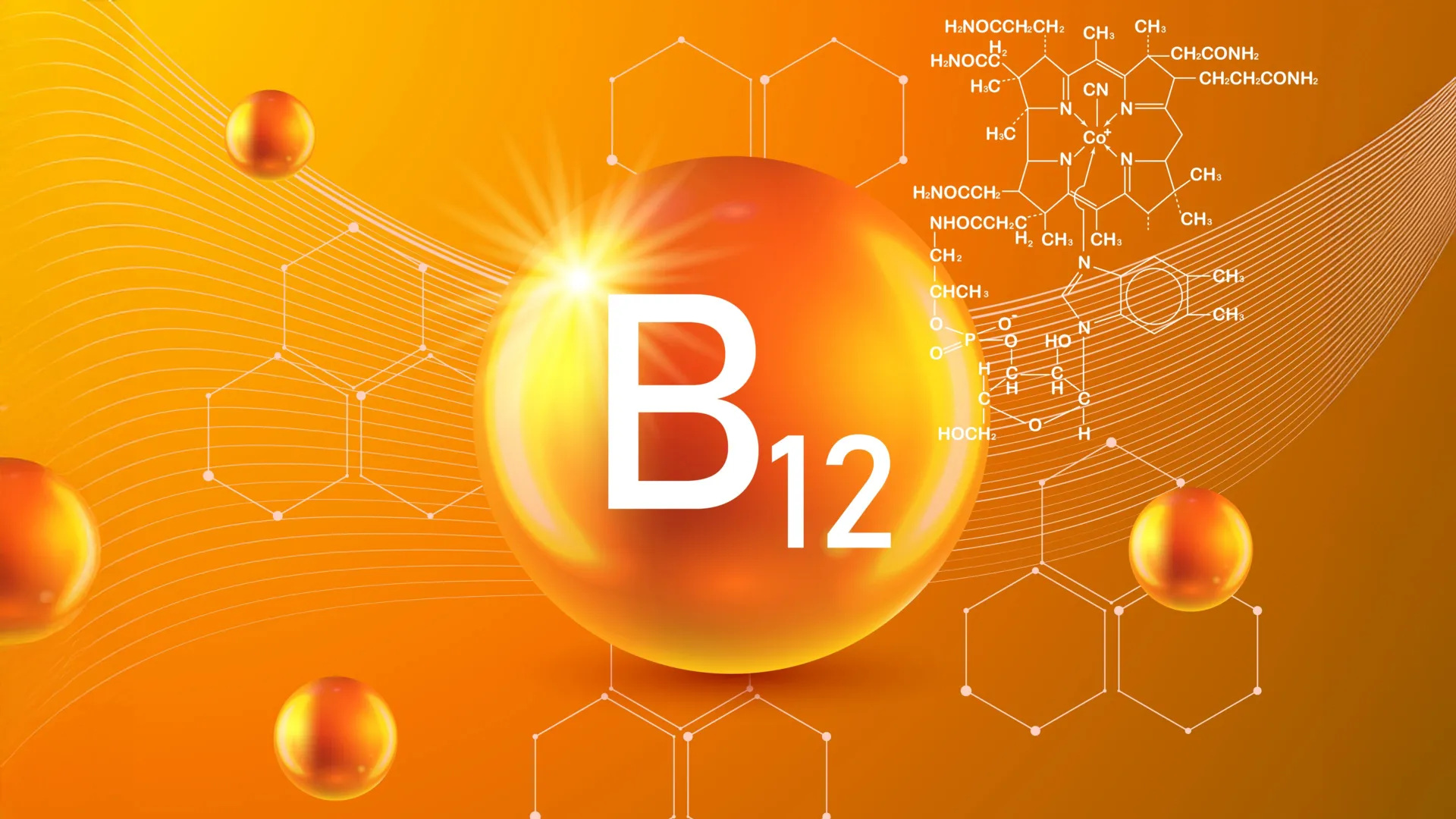
Vitamin B12, or cobalamin, is a cornerstone of human physiology. It is indispensable for the formation of healthy red blood cells, the maintenance of the nervous system, and the synthesis of DNA. Unlike many other vitamins, B12 cannot be synthesized by the human body; it must be obtained through dietary sources.
For the vast majority of the global population, the primary sources of B12 are animal-derived: meat, fish, dairy, and eggs. This reliance creates a significant vulnerability. As the global population trends toward 10 billion by 2050, the environmental toll of animal agriculture—characterized by massive land use, water consumption, and greenhouse gas emissions—is becoming increasingly unsustainable. Furthermore, millions of people worldwide suffer from B12 deficiencies due to dietary restrictions, poverty, or lack of access to animal protein, leading to complications ranging from fatigue and anemia to irreversible nerve damage.
The Pseudo-Vitamin Bottleneck
Spirulina has long been championed by health enthusiasts and nutritionists as a "superfood" due to its high protein content, iron, and antioxidant properties. However, it has historically failed to provide a viable solution to the B12 crisis. While traditional Spirulina does contain B12, the vast majority exists in the form of "pseudo-vitamin B12." Chemically similar to the form humans require, pseudo-B12 is biologically inactive in the human body. In fact, some studies suggest that pseudo-B12 may even compete for absorption with active B12, making traditional algae a poor substitute for meat.
Chronology: From Lab Bench to Bio-Engineered Biomass
The road to this discovery was paved through an exploratory study focused on a proprietary biotechnology platform developed by VAXA Technologies in Iceland. The research process unfolded in distinct phases:
- System Engineering Assessment: The research team began by auditing the VAXA biotechnology system, which utilizes high-efficiency bioreactors. They scrutinized energy inputs, cultivation parameters, and the structural integrity of the biomass production process.
- Photonic Management Implementation: The core of the breakthrough lies in "photonic management." By manipulating the light spectrum and intensity within the growth environment, researchers were able to trigger specific metabolic responses in the algae.
- Metabolic Reprogramming: Under these carefully calibrated light conditions, the Spirulina shifted its production profile. Instead of the typical pseudo-vitamin B12, the algae began synthesizing the biologically active form of cobalamin.
- Nutritional Profiling: Upon harvesting, the biomass was subjected to rigorous testing. Results confirmed that the modified Spirulina contained 1.64 µg of active vitamin B12 per 100 grams, a figure that surpasses the 0.7–1.5 µg typically found in an equivalent serving of beef.
Supporting Data: By the Numbers
The implications of these findings are best understood through the quantitative data provided by the research team.
- Nutritional Density: The bio-engineered Spirulina not only achieved high levels of B12 but also retained its original profile of bioactive compounds, including potent antioxidants and anti-inflammatory agents.
- Production Scalability: The team modeled an ambitious scenario using Iceland’s abundant, low-carbon geothermal and hydroelectric energy. By reallocating a portion of the electricity currently consumed by heavy industry, the researchers calculated that it would be possible to produce 277,950 tonnes of Spirulina biomass annually.
- Global Impact Projections:
- Children (1–3 years old): The annual production of 277,950 tonnes would yield approximately 4,555 grams of active B12, enough to meet the Recommended Dietary Allowance (RDA) for 13.8 million children.
- Scaling Potential: Under more aggressive production scenarios, the researchers estimate the technology could satisfy the B12 requirements for over 26.5 million children (aged 1–3) or more than 50 million infants (aged 0–6 months).
While these figures are theoretical projections based on full-scale industrial adoption, they provide a concrete roadmap for how high-tech agriculture can address nutritional gaps at a massive scale.
Official Perspectives and Expert Insight
Dr. Asaf Tzachor, in summarizing the findings, highlighted the paradigm shift this research represents. "The findings demonstrate that photosynthetically controlled Spirulina can produce desirable levels of active vitamin B12, offering a sustainable alternative to traditional animal-source foods," Tzachor stated.
The collaborative nature of the study—involving the University of Natural Resources and Life Sciences in Vienna, the Ruppin Academic Center, the Danish Technological Institute, and MATIS in Iceland—underscores the scientific rigor applied to the project. The research team emphasizes that this is the first time active B12 has been successfully recorded in Spirulina, marking a clear departure from previous attempts that resulted only in inert pseudo-vitamin forms.
A New Philosophy of Food Production
The study reflects a growing trend in biotechnology: moving away from "passive" cultivation toward "active" environmental control. Instead of merely harvesting what nature provides, scientists are now tailoring the growth conditions of microorganisms to optimize them for human health. This approach, often called "precision fermentation" or "controlled-environment agriculture," allows for the creation of nutrient-dense food that requires a fraction of the land and water used in livestock farming.
Implications: A Sustainable Future for Global Nutrition
The successful synthesis of active B12 in Spirulina offers a multifaceted solution to some of the world’s most pressing challenges.
1. Environmental Sustainability
The production of Spirulina is inherently more efficient than the production of beef. Algae can be grown in vertical, closed-loop systems that occupy minimal land and utilize recycled water. By achieving carbon-neutral production through renewable energy, this technology offers a way to decouple food production from environmental degradation.
2. Food Security and Public Health
The ability to produce a essential, meat-specific nutrient in a plant-based, shelf-stable format could revolutionize aid programs. B12 deficiency is a silent epidemic in many developing nations. If this bio-engineered Spirulina can be produced locally or exported at a low cost, it could mitigate long-term health issues for millions of children in vulnerable populations.
3. Dietary Choice and Ethical Consumption
For the growing number of individuals choosing vegetarian or vegan diets for ethical or environmental reasons, the need for synthetic B12 supplements has long been a sticking point. This discovery provides a natural, whole-food source of B12, potentially simplifying nutrition for millions and supporting the transition toward more plant-forward diets.
4. Future Research and Integration
Despite the excitement, the researchers urge caution regarding immediate commercial application. Further studies are required to determine the long-term stability of the B12 within the biomass during processing, storage, and digestion. Furthermore, integrating this technology into existing global food systems will require significant investment in infrastructure and changes in regulatory frameworks.
The Aviram Sustainability and Climate Program, which facilitated this research, remains committed to these challenges. By training the next generation of scientists and policymakers to bridge the gap between lab-based innovation and real-world implementation, the program aims to ensure that technologies like this are not just scientific curiosities, but catalysts for a more resilient, sustainable, and nourished world.
As the global community faces the dual pressures of climate change and population growth, the "Spirulina revolution" offers a glimpse into a future where our food systems are as intelligent as they are sustainable. By controlling the light that feeds our food, we may have finally found the key to unlocking the nutrients needed to sustain the planet’s future.