As the mercury rises in July 2026, Starbucks has once again turned its focus to the "summer aesthetic," launching a new quartet of blended beverages designed to dominate social media feeds. The lineup, which hit stores on July 14, 2026, features three new "Energy Refreshers" and a refreshing Matcha Lemonade. But beyond the vibrant colors and Instagram-ready presentation, the question remains: does the flavor profile match the visual appeal?
In an increasingly saturated market—where canned energy drinks and artisanal cold-brew shops are fighting for the consumer’s wallet—Starbucks faces the challenge of proving that its premium pricing is justified by more than just a photo opportunity.
Main Facts: The 2026 Summer Lineup
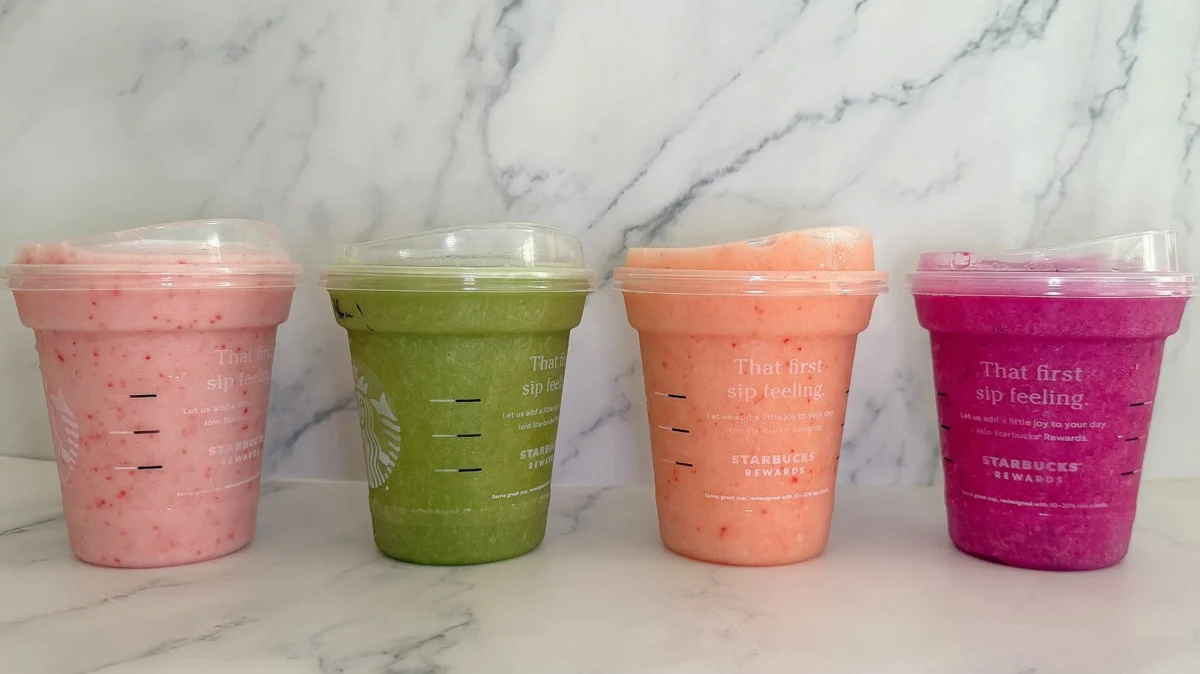
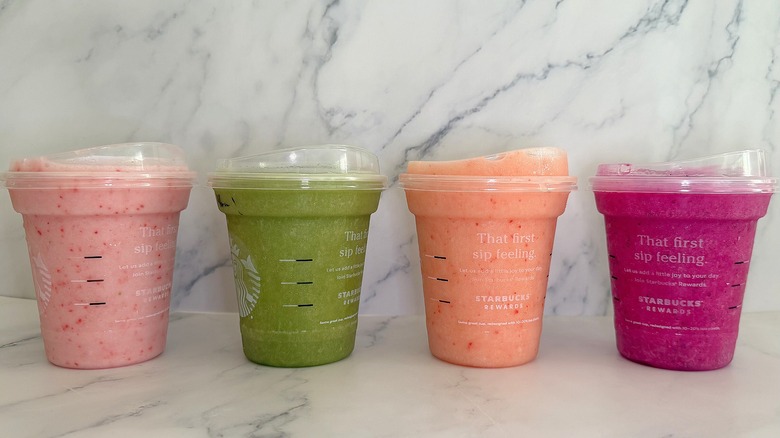
The new menu additions consist of four distinct, blended, iced offerings. Each is positioned as a mid-day "pick-me-up" intended to fuel consumers through their summer schedules:
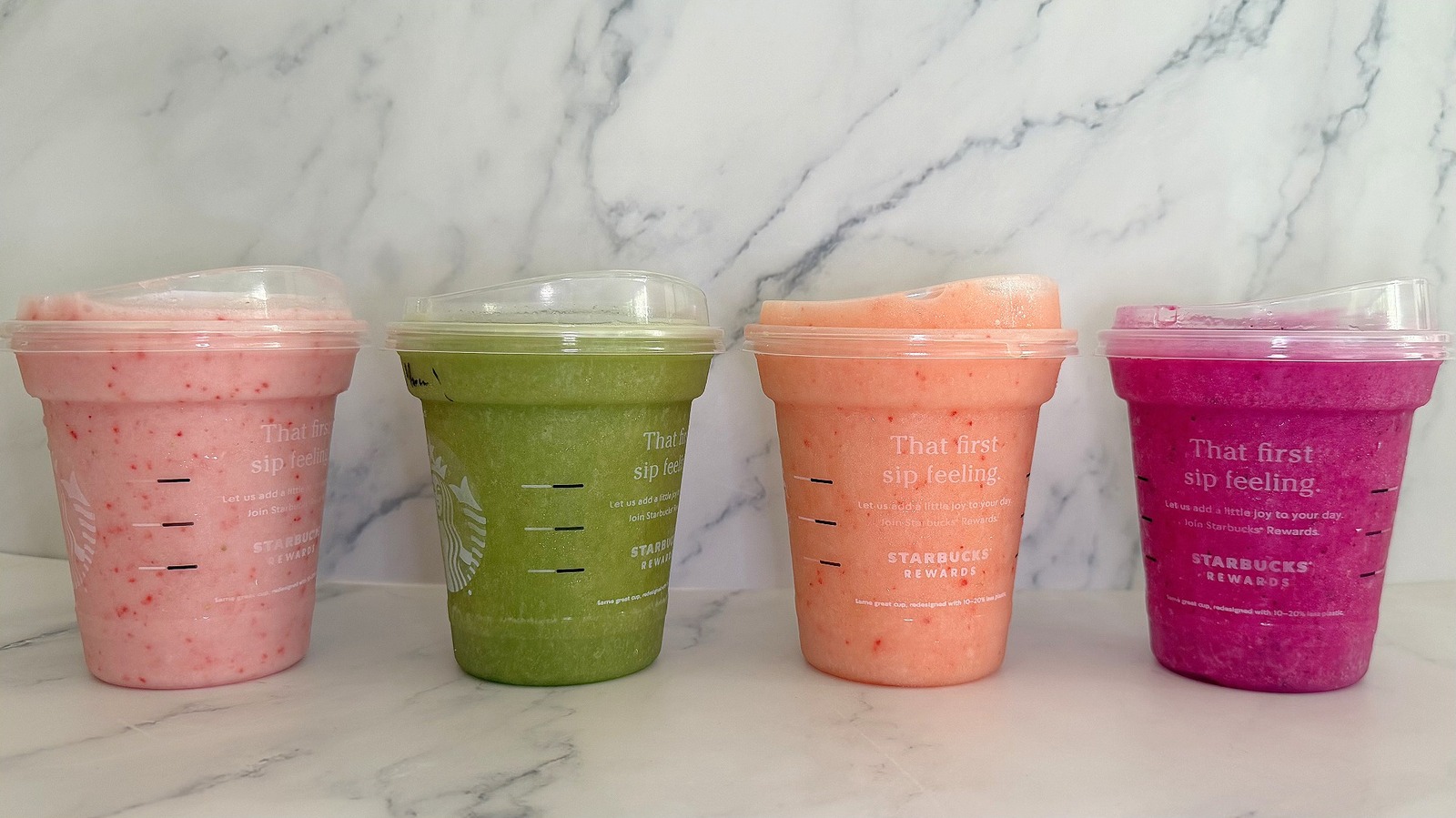
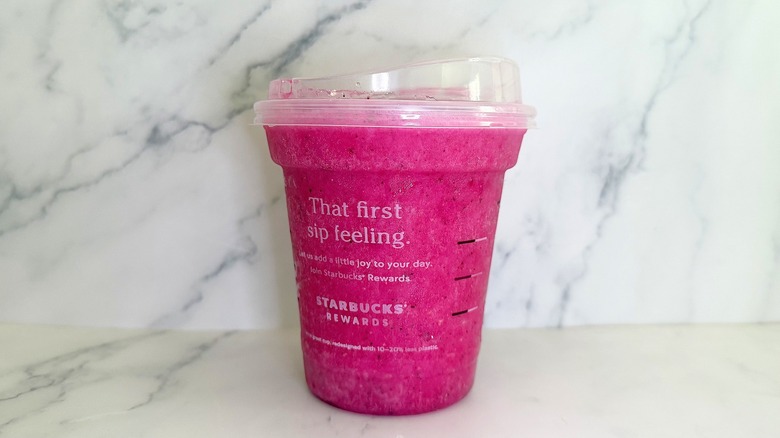
- Blended Mango Dragonfruit Lemonade Energy Refresher: A tropical-forward blend that leans heavily into the exotic notes of pitaya.
- Blended Mango Strawberry Lemonade Energy Refresher: A fruit-forward, vibrant drink aiming for a balanced sweet-and-tart profile.
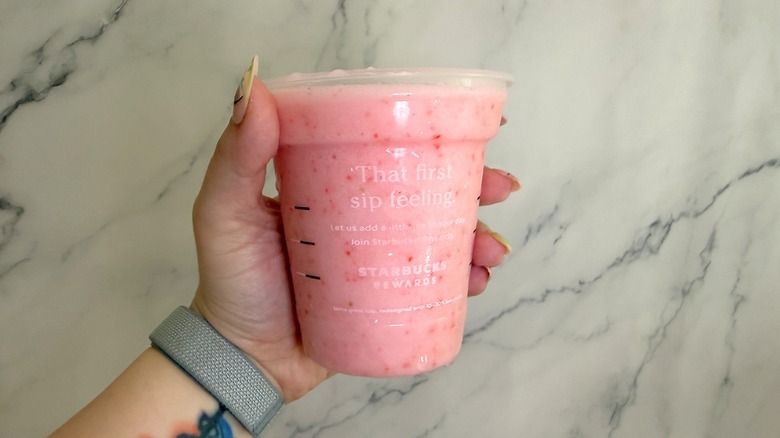
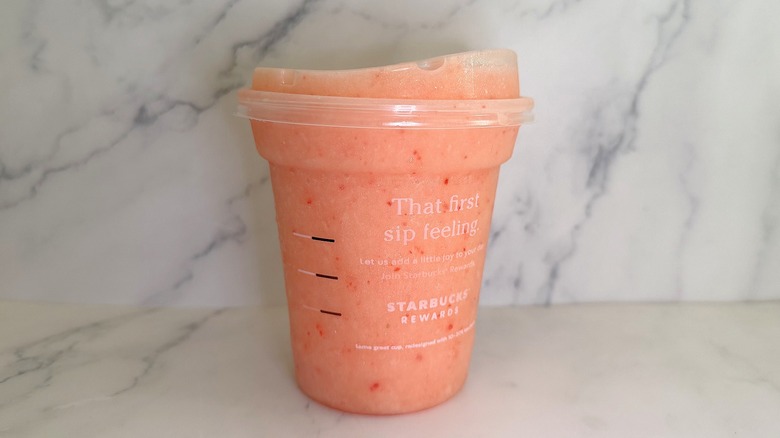
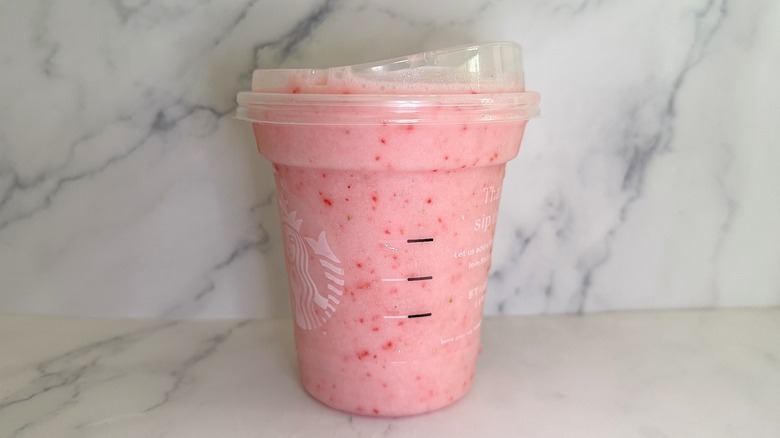
- Blended Pink Energy Drink: A frozen, blended reimagining of the iconic Starbucks Pink Drink, utilizing coconut milk and a strawberry-açaí base.
- Blended Matcha Lemonade: An earthy, citrus-infused fusion that bridges the gap between traditional tea house flavors and modern frozen refreshments.
These drinks represent a strategic shift for the coffee giant, moving further into the "energy-functional" beverage space, likely as a response to the growing popularity of blended, caffeinated beverages among Gen Z and Millennial demographics.
Chronology: A Day of Tasting
On July 14, 2026, I visited my local Starbucks in Portland, Oregon, to experience the launch firsthand. The atmosphere was typical for a release day: mobile orders were piling up, and the baristas were diligently working through the new, more complex blending requirements of the menu.
The process of testing was systematic. I approached each drink with the expectation that these are premium-priced goods, holding them to the same standard I would apply to any high-end cafe beverage. The testing focused on three criteria: flavor complexity, texture (blending consistency), and the "refreshment factor"—a vital metric during the height of a July heatwave.
Supporting Data: Flavor Profiles and Critical Analysis
The Energy Refresher Trio
The Blended Mango Dragonfruit Lemonade was perhaps the most visually striking, but it was also the most polarizing. The dragonfruit flavor is remarkably potent—a bold move by Starbucks—but it lacks the universal appeal one might expect from a mass-market beverage. While those who enjoy the mild, floral notes of pitaya will find this drink refreshing, others might find the flavor profile somewhat confusing or overly "perfumey."
The Blended Mango Strawberry Lemonade struggled with balance. While mango and strawberry are classically compatible, the lemonade component seemed to mute the vibrancy of the fruits rather than highlight them. In my testing, the drink felt somewhat thin in its flavor delivery, failing to reach the "flavor bomb" status that the branding might imply.
The Blended Pink Energy Drink was the clear winner of the trio. The inclusion of coconut milk adds a creamy, decadent texture that makes it feel like a treat rather than just a caffeinated beverage. However, it too suffers from a lack of intensity. As one consumes it, the initial hit of strawberry and açaí fades, leaving a somewhat hollow profile that begs for more depth.
The Matcha Contender
The Blended Matcha Lemonade was the surprise of the bunch. Matcha can be difficult to integrate into acidic, citrus-based drinks, but here, the bitterness of the green tea is expertly tempered by the acidity of the lemonade. It is neither too sweet nor too grassy. For those who are hesitant about the "earthiness" of traditional matcha, this blended version acts as a perfect entry point. It is genuinely refreshing and feels like a more sophisticated addition to the menu than its sugary counterparts.
The Technical Edge: Texture and Consistency
One area where Starbucks undeniably succeeds is in its mechanical consistency. A common pitfall of blended beverages is the "watery" factor—where the ice melts too quickly or the drink separates into layers of slush and juice.
Throughout my testing, the texture of all four drinks was consistent. The blend was smooth, devoid of large ice chunks, and held its structure throughout the drinking process. For consumers looking for a consistent sensory experience, Starbucks has delivered on the technical side of the blending process, even if the flavor profiles themselves left room for improvement.
Official Responses and Market Positioning
While Starbucks has not released official "tasting notes" for these beverages, the company’s marketing strategy is clear: these are designed for the digital age. The choice of vivid, saturated colors—pinks, yellows, and vibrant greens—is a calculated effort to ensure these drinks populate social media platforms.
However, the question of price remains a sensitive topic. At $5.95 for the Refreshers and $5.25 for the Matcha Lemonade (prices observed in Portland), these are not inexpensive impulse buys. The company is betting on the fact that consumers are willing to pay a premium for a "lifestyle" accessory that doubles as an energy source. Whether this strategy will hold up against the backdrop of 2026’s economic pressures remains to be seen.
Implications: The Future of the "Instagram Drink"
The introduction of these beverages signals a permanent shift in the coffee chain’s identity. Starbucks is no longer just a purveyor of coffee; it is a laboratory for "beverage experiences."
What this means for the consumer:
- Diminishing Returns on Flavor: As the brand focuses more on the "aesthetic" of the drink—how it looks in a hand, how it appears in a photo—the actual depth of flavor may continue to take a backseat. The "less-is-more" approach to flavor intensity in the Pink Energy Drink suggests a focus on mass-appeal safety rather than culinary exploration.
- The Rise of Functional Blends: The "Energy" labeling is a clear pivot toward the functional beverage market. We can expect to see more of these "caffeinated-plus" offerings as the chain attempts to keep pace with the RTD (ready-to-drink) market.
- The "Limited Time" Strategy: By limiting the availability of the Matcha Lemonade and keeping the Refreshers in a state of "we’ll see," Starbucks creates a sense of manufactured urgency. This "fear of missing out" (FOMO) is a powerful tool, but it also risks alienating customers who find a drink they love only to see it disappear from the menu a few months later.
Final Verdict
If you are looking for an Instagram-worthy prop to carry through your summer day, these drinks will serve you well. Their texture is perfect, their presentation is vibrant, and they offer a respectable, if mild, caffeine kick.
However, if you are a "flavor chaser"—someone looking for a robust, complex beverage that justifies a six-dollar price tag—you may find yourself feeling slightly underwhelmed. The drinks are not "bad," but they lack the punchy intensity that would make them essential. My advice? Start with the Blended Matcha Lemonade if you want something truly refreshing, but keep your expectations tempered for the rest of the lineup.
Ultimately, these drinks are a testament to the power of branding in 2026: they are designed to be seen, photographed, and posted. Whether they are designed to be savored is a question that remains largely unanswered.