The UFC returned to downtown Los Angeles on Saturday night for the first time in eight years, and the promotion did not waste a single moment in reminding the world why the "City of Angels" remains a spiritual home for combat sports. UFC 331 inside the Crypto.com Arena was a high-octane spectacle, offering a potent cocktail of championship-level brilliance, shocking upsets, and the gritty, visceral drama that has come to define the modern era of mixed martial arts.
From the technical masterclass of the main event to the sobering reality check of a generational prospect, the card provided a comprehensive look at the current state of the sport. As the dust settles on a memorable night, the implications for several divisions are profound, signaling a shifting of the guard and the emergence of new, undeniable superstars.
The Main Event: Joshua Van Solidifies His Legacy
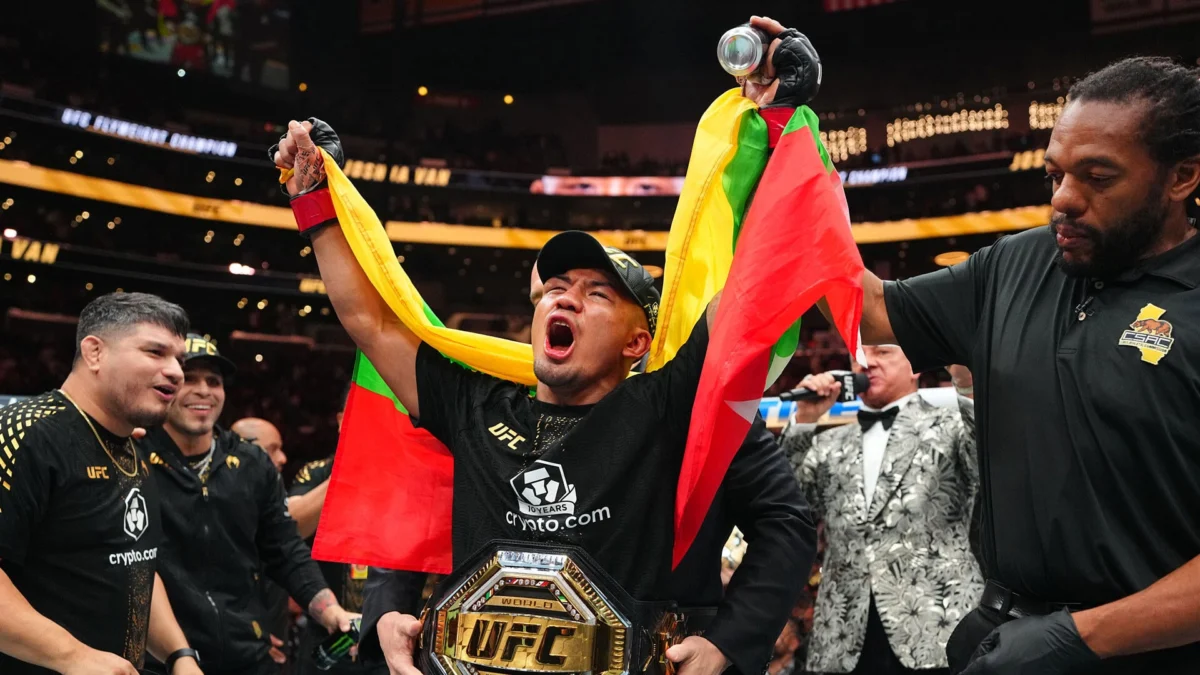
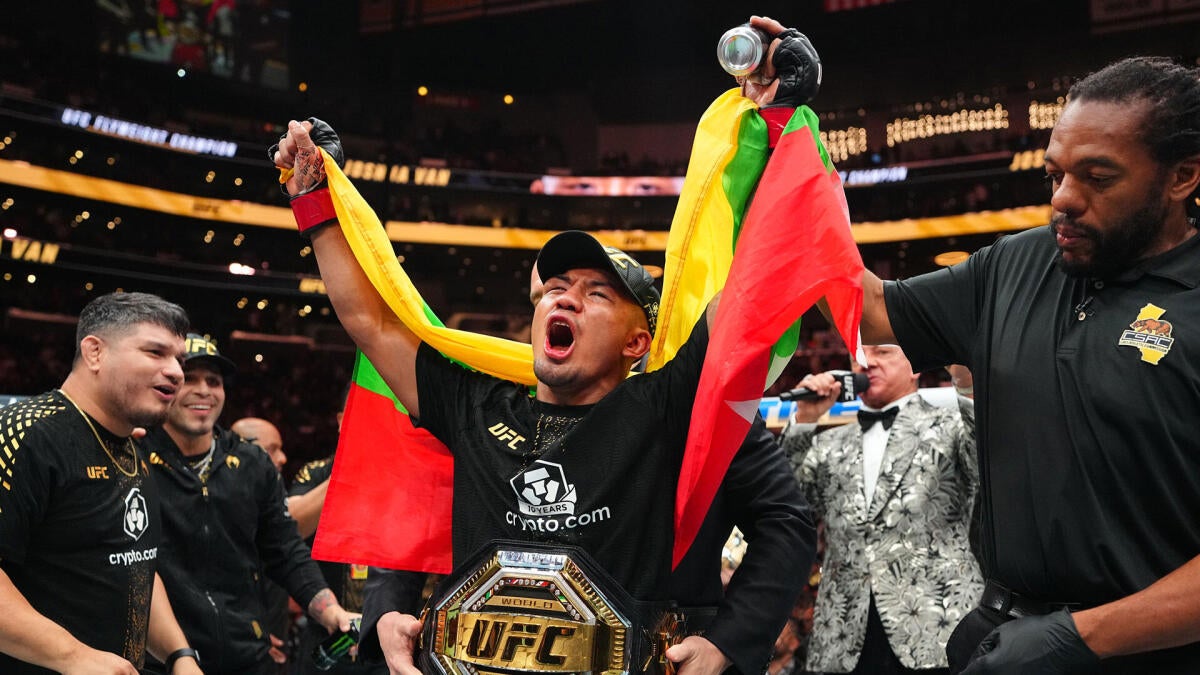
In the evening’s marquee attraction, 24-year-old flyweight champion Joshua Van proved that his meteoric rise is no fluke. Facing off against former titleholder Alexandre Pantoja in a highly anticipated rematch, Van delivered a masterclass in championship resilience.
After their first encounter in 2025 ended prematurely due to injury, the pressure on Van to validate his throne was immense. Pantoja, a 36-year-old veteran with the heart of a lion, pushed the pace, but Van responded with a tactical sophistication that belied his youth. Winning a grueling five-round decision, Van punctuated the victory with a definitive knockdown in the final frame, mirroring the late-round surge that saw him defeat Tatsuro Taira earlier this year.
The Evolution of a Champion
Van is no longer just a "durable" fighter; he is a complete martial artist. Throughout the five rounds, he showcased an evolving boxing game that repeatedly exploited Pantoja’s aggressive entries. More impressive was his defensive grappling. Against a decorated Brazilian Jiu-Jitsu black belt in Pantoja, Van not only neutralized threats but actively hunted for submissions, including a tight kimura attempt in the closing minutes. Van has officially moved past the "prospect" label, cementing his status as one of the pound-for-pound elite.
The Rise of the Contender: Arman Tsarukyan’s Statement
If the main event was a display of tactical longevity, the co-main event was a violent declaration of intent. Arman Tsarukyan, nearly two years removed from a heartbreaking injury-induced withdrawal from a title shot in the same arena, left no room for doubt.
Facing the surging Mauricio Ruffy, Tsarukyan dismantled his opponent in the first round, securing a brutal knockout that echoed through the rafters of the Crypto.com Arena. The victory serves as his sixth consecutive win, effectively silencing any remaining skeptics. With the lightweight division currently in a state of flux following Justin Gaethje’s June dominance, Tsarukyan has made himself the mandatory choice for the next title opportunity. The UFC hierarchy is now faced with an undeniable reality: the era of "waiting" for Tsarukyan is over.
The Reality of the Octagon: The Gable Steveson Lesson
Perhaps the most jarring narrative of the evening was the sudden downfall of Gable Steveson. An Olympic gold medalist and a darling of the promotional machine, Steveson entered the cage as a staggering -2400 favorite against Sean Sharaf. With the legendary Jon Jones in his corner, the narrative was set: Steveson was the inevitable future of the heavyweight division.
However, MMA is a cruel teacher. Twelve seconds into his bout with Sharaf, a former U.S. Marine, Steveson was caught with a flush left hook and knocked unconscious. The upset—one of the largest in the history of the sport—served as a stark reminder that athletic pedigree does not guarantee success in the cage.
Steveson’s subsequent exit from the arena, which drew sharp criticism from UFC analyst Daniel Cormier, highlighted the emotional toll of the defeat. The "generational athlete" must now go back to the drawing board to refine the fundamentals—chin durability, cardio, and cage awareness—that can only be earned through the grind of professional competition.
Supporting Data and Undercard Highlights
The depth of the card allowed for several veteran storylines to intersect with the rise of new talent.
- The Veterans’ Resurgence: Marlon "Chito" Vera and Patricio "Pitbull" Freire both secured vital wins, snapping losing streaks that threatened to derail their careers. Vera’s third-round TKO of Charles Jourdain proved that his veteran savvy remains a dangerous weapon at bantamweight.
- Heart Over Health: The performance of the night in terms of sheer grit went to Alonzo Menifield. Despite sustaining a compound fracture of his left thumb, Menifield navigated the final two rounds of his fight against Iwo Baraniewski, ultimately securing a split-decision victory through pure willpower.
- Technical Brilliance: Casey O’Neill’s armbar submission of Eduarda Moura showcased the high-level ground game currently emerging in the women’s flyweight division, while Edmen Shahbazyan’s clinical performance in the middleweight bracket signaled his return to the rankings.
- The Heavyweight Struggle: Conversely, the evening had its low points. Tai Tuivasa’s sloppy split-decision loss to Robelis Despaigne confirmed the difficult road ahead for the fan-favorite heavyweight, as he struggles to regain the momentum that once made him a title contender.
Official Responses and Front Office Implications
Following the event, the focus shifts to the UFC front office. While Dana White has yet to issue a formal statement regarding the next title fights, the performances of Van and Tsarukyan have effectively narrowed the matchmakers’ options.
The "City of Angels" event functioned as a proving ground. For the fighters who succeeded, the path to legacy is now clear. For those who faltered, the organization’s high standards offer little room for sentimentality. The UFC’s return to Los Angeles was not just a successful gate; it was a narrative reset that prioritized meritocracy over marketing.
Implications for the Future
The aftermath of UFC 331 leaves us with three distinct realities:
- The Flyweight Ceiling has been Raised: Joshua Van is a rare breed of champion who thrives in the "championship rounds." As he matures, the division will likely be built around his defensive grappling and relentless pressure.
- The Lightweight Logjam is Broken: Arman Tsarukyan has moved to the front of the line. The UFC can no longer justify delaying his title shot, regardless of the commercial appeal of immediate rematches for other fighters.
- The Myth of the "Prospect" is Fading: The defeat of Gable Steveson will force the organization to be more methodical with their marketing of crossover athletes. It served as a vital, if brutal, reminder that the transition from collegiate wrestling or professional football to the UFC is not merely a matter of physical gifts, but of a unique and unforgiving discipline.
UFC 331 was a reminder that in the Octagon, the only thing that truly matters is what happens once the cage door locks. Whether it was the tactical evolution of Joshua Van, the clinical violence of Arman Tsarukyan, or the shocking volatility of the heavyweight division, Saturday night proved that the sport is as healthy, unpredictable, and thrilling as it has ever been. Los Angeles witnessed a transformation, and the ripple effects will be felt across the rankings for months to come.