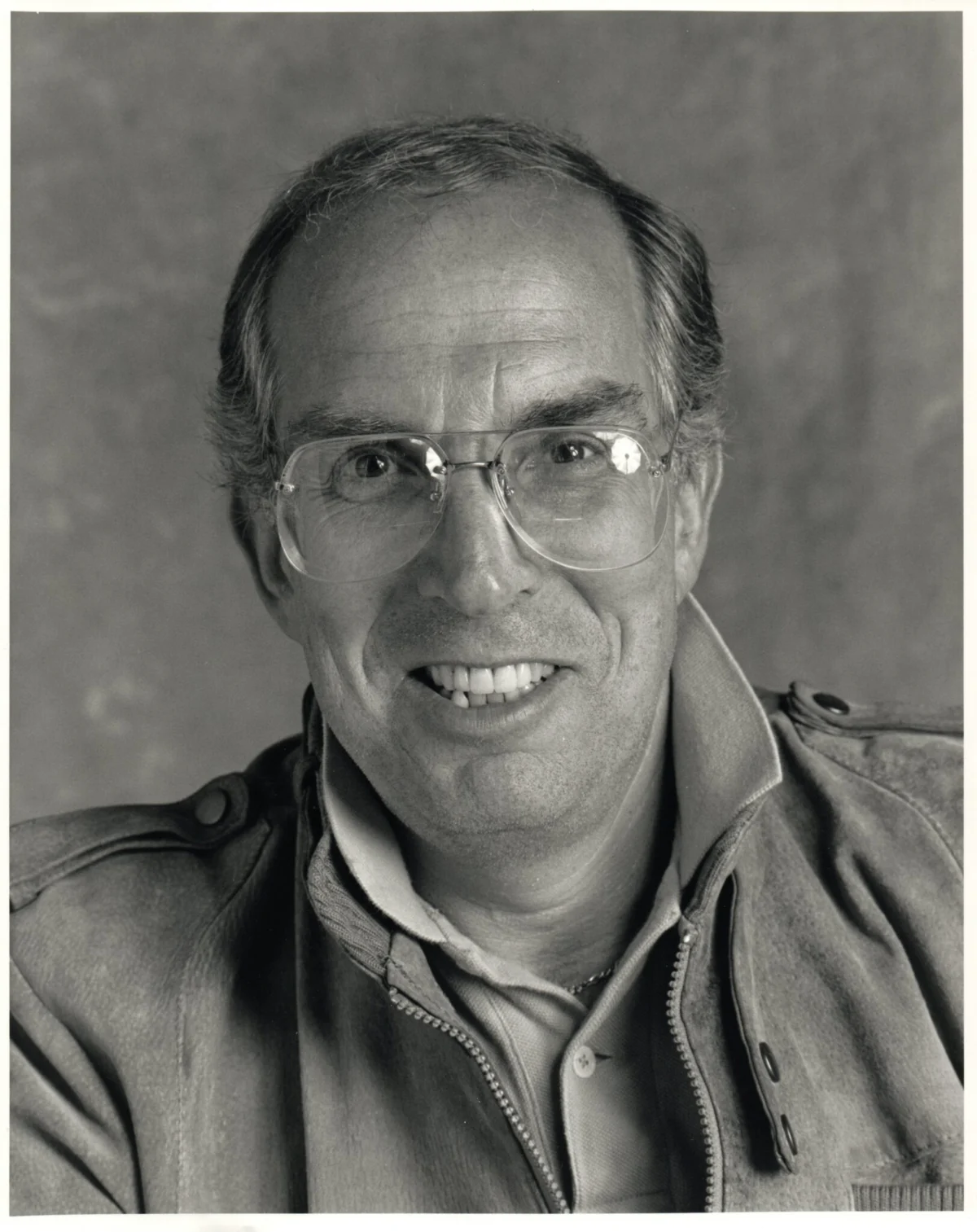
Jerry Golod, a transformative figure in the landscape of American television who navigated the complex shifts of the medium from the golden age of network broadcasting to the experimental era of cult horror, passed away on Wednesday at his home in Rancho Mirage, California. He was 87. His death followed a brief but courageous battle with cancer, according to family representatives.
A man of immense professional range, Golod’s career spanned decades of innovation, serving as a high-level executive at both CBS and NBC before pivoting into independent production. While his resume boasts everything from daytime variety and children’s programming to network revivals of classic sitcoms, he is perhaps best remembered by audiences for his pivotal role in bringing the anthology horror series Tales From the Darkside to the small screen.
The Architect of Cult Horror
For many, the name Jerry Golod is inextricably linked to the haunting, atmospheric opening credits of Tales From the Darkside. In the early 1980s, the television industry was searching for a way to capitalize on the burgeoning popularity of the macabre, particularly following the massive success of George A. Romero and Stephen King’s 1982 film Creepshow.
Golod, possessing a keen eye for narrative potential, recognized that the anthology format—which had waned in popularity since the days of The Twilight Zone—was ripe for a resurgence. He initiated a high-stakes collaboration with director George A. Romero and producer Richard P. Rubinstein. The resulting partnership produced Tales From the Darkside, an anthology series that premiered in 1983 and ran for four successful seasons.
The series became a touchstone of 1980s pop culture, blending dark fantasy, science fiction, and horror. It challenged the boundaries of network television, proving that a series with a limited budget but a high creative ceiling could command a dedicated cult following. Golod remained deeply invested in the intellectual property for the remainder of his life, even returning to the project in 2015 to develop a modern-day revival for The CW, though the project ultimately stalled after the pilot phase.
A Career Defined by Chronology and Versatility
Jerry Golod’s journey began far from the glamour of Los Angeles. Born in the Bronx on December 26, 1938, he was a product of the New York intellectual tradition, graduating from the City College of New York before cutting his teeth in the competitive world of advertising.
Early Career and the Agency Era
Before he was an executive, Golod was an advertiser. He began his career at the legendary agency Dancer Fitzgerald Sample. It was here that he honed his understanding of audience demographics and the power of programming as a tool for consumer engagement. Rising to the position of vice president and associate director of programming, he spent three years overseeing a television production company affiliated with the agency, a role that acted as the bridge between his advertising background and his eventual career as a network kingmaker.
The Network Years: CBS and NBC
Golod’s influence on American television reached its zenith during his tenure at the major networks. In 1975, he joined CBS as vice president of children’s programs. His tenure at the network was marked by a commitment to quality programming for younger audiences, a sector of the market he understood better than most.
By 1979, he had transitioned to NBC Entertainment, serving as vice president and national program director. His responsibilities were vast; he oversaw an eclectic mix of daytime and children’s programming, specials, and, notably, West Coast late-night programming. It was a time of immense transition for NBC, and Golod was tasked with maintaining the network’s cultural footprint in a rapidly fragmenting media environment.
The Era of Independent Production
In the 1980s, Golod struck out on his own, launching JayGee Productions. This transition allowed him to pursue passion projects that might have been too idiosyncratic for standard network development. His eye for literature led him to Pocock and Pitt, a 1971 novel by Elliott Baker. Intrigued by a secondary character named Adderly, Golod spearheaded the development of the adventure series Adderly, which starred Winston Rekert and enjoyed a two-season run on CBS.
His production work was not limited to genre fiction. He was responsible for the 1985 CBS movie Brass and the nostalgic 1990s-era revival Return to Green Acres, which successfully reunited the surviving cast members of the beloved 1960s sitcom. He also helmed the 1991 revival of the cult classic Land of the Lost, showcasing his uncanny ability to identify and revitalize dormant intellectual properties.
Diversification: Pet Television and the 1990s
As the media landscape shifted toward the rise of cable and satellite television in the 1990s, Golod demonstrated his adaptability once again. He served as the co-chairman and co-owner of the Pet Television Network. The venture, aimed squarely at animal enthusiasts, was ahead of its time, anticipating the hyper-niche programming strategies that would come to define the modern streaming era.
Implications of a Legacy
The passing of Jerry Golod marks the end of a specific era in television—a time when executive producers were not just administrators, but curators of content. His career trajectory, from the rigid structure of network advertising to the creative freedom of independent production, mirrors the evolution of the television industry itself.
His work on Tales From the Darkside is perhaps his most significant professional contribution. By successfully adapting the horror anthology for the home screen, he paved the way for future genre series like American Horror Story and the later iterations of The Twilight Zone. He understood that television’s greatest strength was its ability to invite viewers into a different reality each week, and he spent his career ensuring those realities were as compelling as possible.
Official Responses and Personal Reflections
The television industry has been quick to honor Golod’s memory. Former colleagues have praised his "steady hand" and "unwavering commitment to the writer’s vision." In an era where executive interference was common, Golod was often cited by collaborators as a partner who understood the delicate balance between commercial viability and creative integrity.
"Jerry wasn’t just an executive; he was a fan," noted one long-time associate. "He cared about the story as much as the ratings, which is a rare trait in this business."
Beyond his professional achievements, Golod was a devoted family man. He is survived by his wife of 59 years, Ruth, a partnership that provided the foundation for his demanding career. He also leaves behind his children, Dori and Jason; his son-in-law Doug; his daughter-in-law Danielle; and his four grandchildren, Gavin, Ramey, Morgan, and Madison. His legacy also continues through his great-grandsons, Everett and Winslow, as well as a large extended family of nieces and nephews, including Jill, David, Elise, Renee, Celia, Ari, and Ava.
Final Reflections
Jerry Golod’s life was defined by a restless curiosity. Whether he was reading a obscure novel by Elliott Baker, negotiating with George A. Romero, or navigating the boardrooms of CBS and NBC, his objective remained the same: to tell a story that would resonate with an audience.
As the industry mourns his loss, the programs he touched—from the terrifying corridors of Tales From the Darkside to the lighthearted reunions of Green Acres—remain as testaments to his vision. He leaves behind a body of work that spans the spectrum of human emotion, from fear and mystery to comfort and nostalgia. For a man who spent his life behind the scenes, his impact remains firmly in the spotlight of television history.