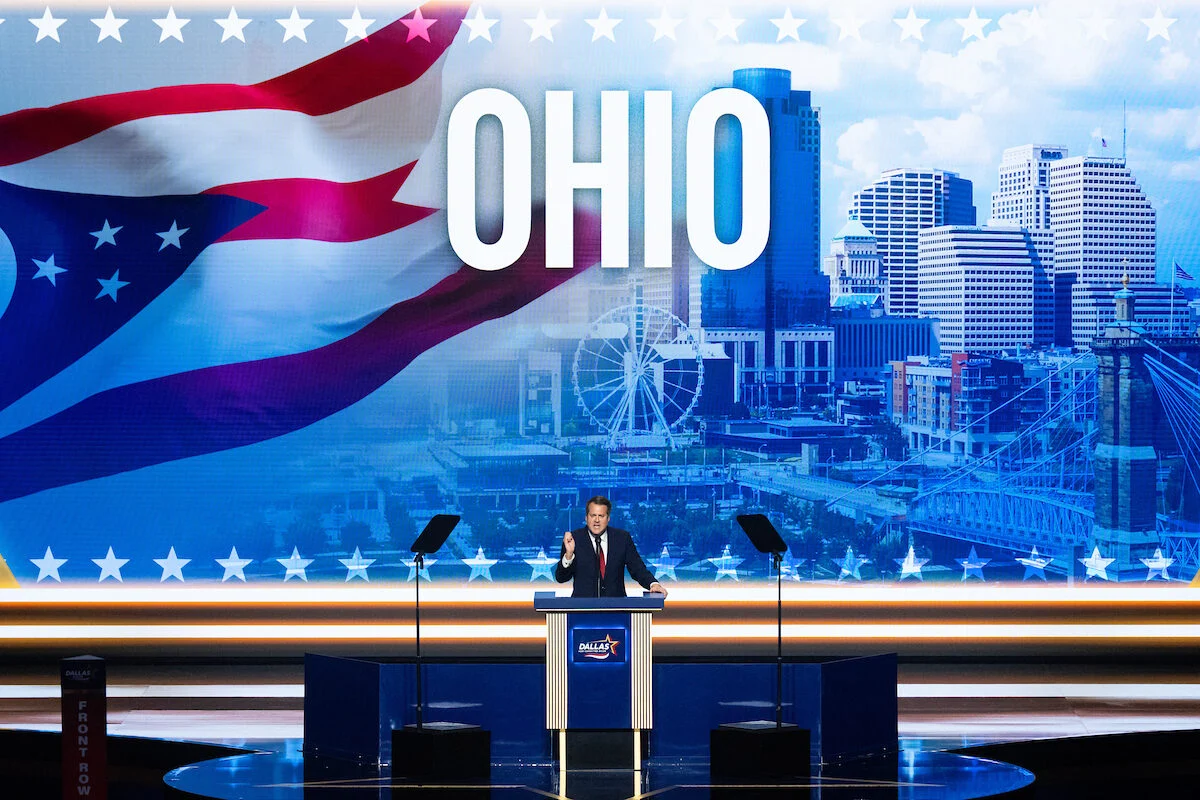
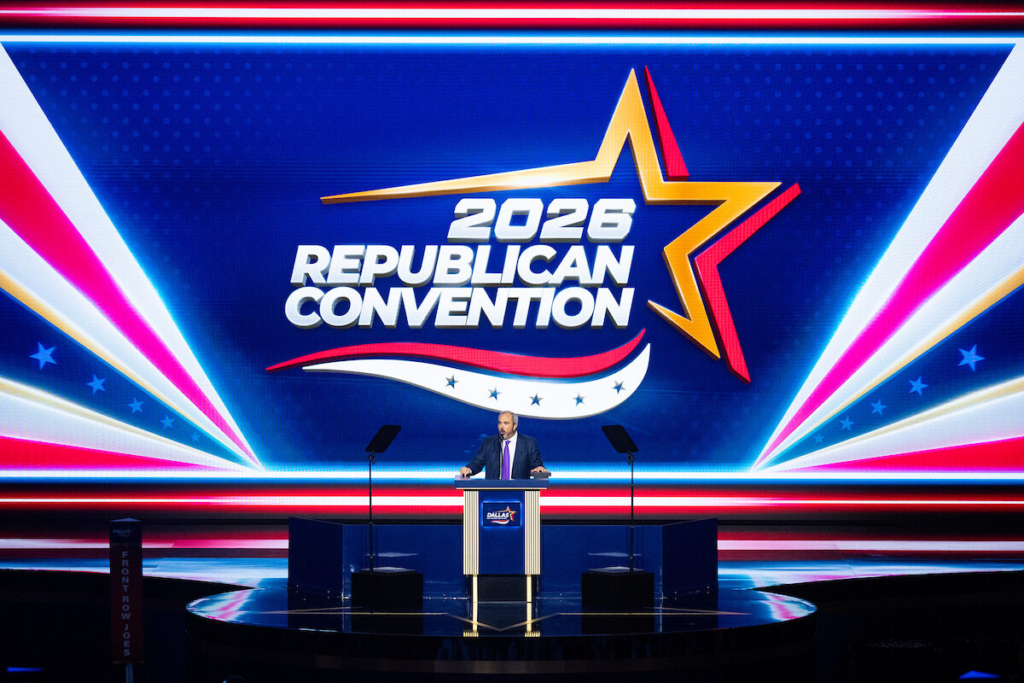
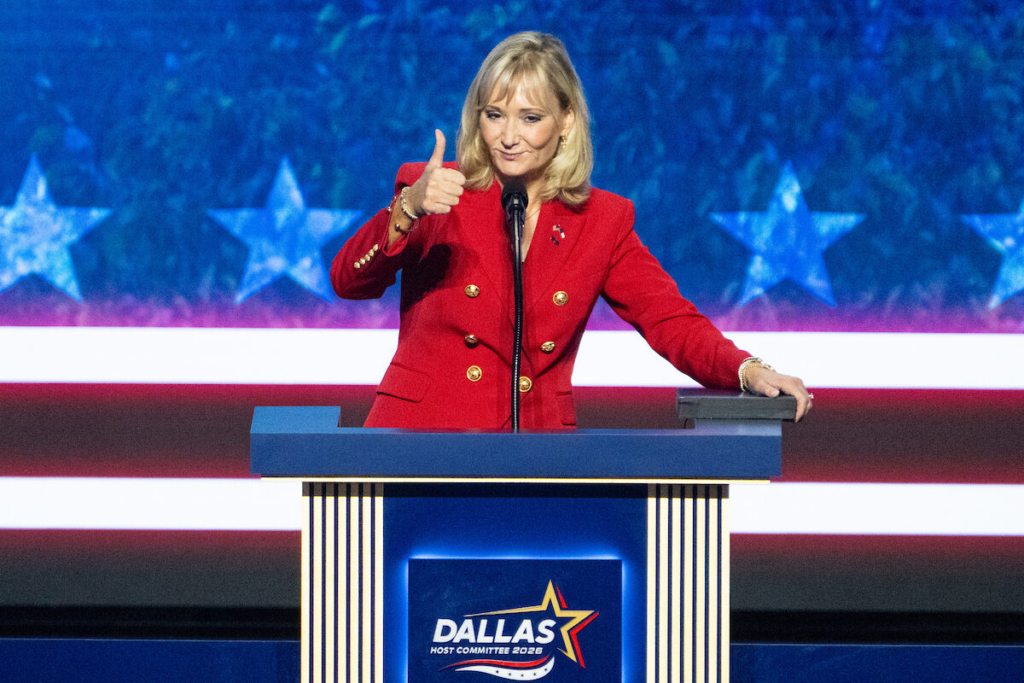
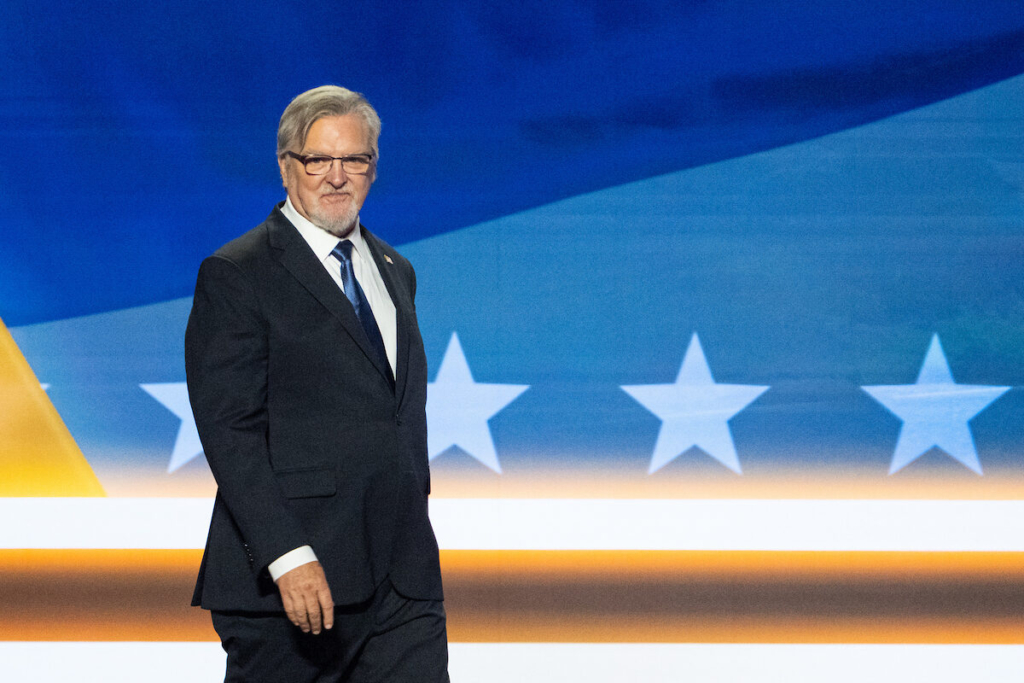
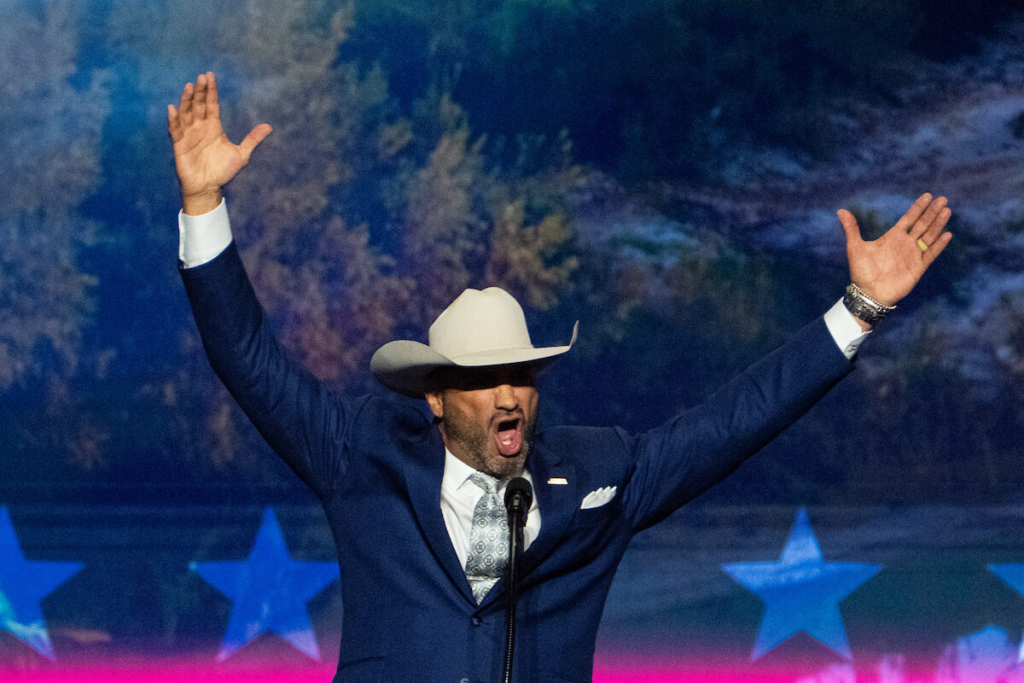
DALLAS — Gathering in the heart of Texas under the looming shadow of pivotal upcoming elections, Republicans convened at the American Airlines Center for the second day of the party’s official midterm convention. The high-energy gathering brought together top party officials, Trump administration Cabinet secretaries, incumbents, and a slate of frontline congressional challengers, all united around a singular mandate: maintaining conservative majorities in Washington.
However, the convention floor was only half the story. Outside the arena, Texas Democrats staged aggressive counter-programming events, highlighting contentious national controversies and attempting to fracture the Republican platform. Meanwhile, a pervasive sense of solemnity underscored the day’s political rhetoric, as attendees paused to commemorate the one-year anniversary of the assassination of conservative activist Charlie Kirk and prepared for the upcoming 25th anniversary of the September 11 terrorist attacks.

Executive Summary & Main Facts
Day Two of the Republican Midterm Convention in downtown Dallas served as a strategic showcase for the GOP’s 2026 midterm platform. With control of both the Senate and the House of Representatives on the line, national Republican leaders sought to project unity, highlight signature administration achievements, and introduce key challengers contesting battleground districts across the nation.
Core Developments from Day Two:
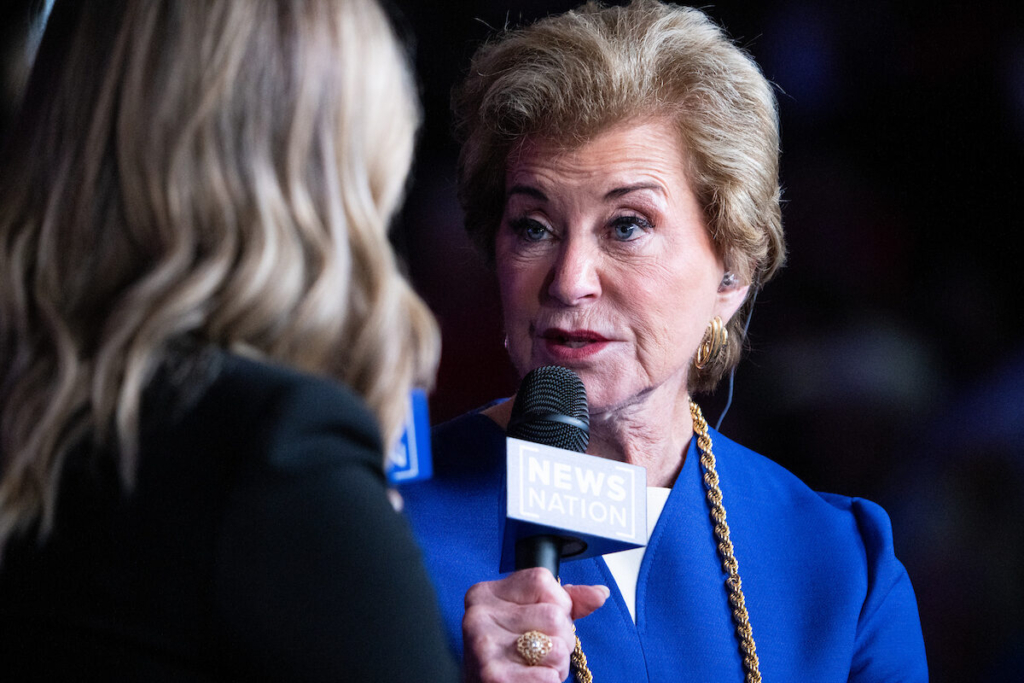
- Leadership and Cabinet Endorsements: Republican National Committee (RNC) Chairman Joe Gruters officially opened the day’s proceedings, laying out the party’s national turnout strategy. U.S. Education Secretary Linda McMahon headlined administrative policy messaging, participating in national media broadcasts to detail conservative educational reforms and workforce initiatives.
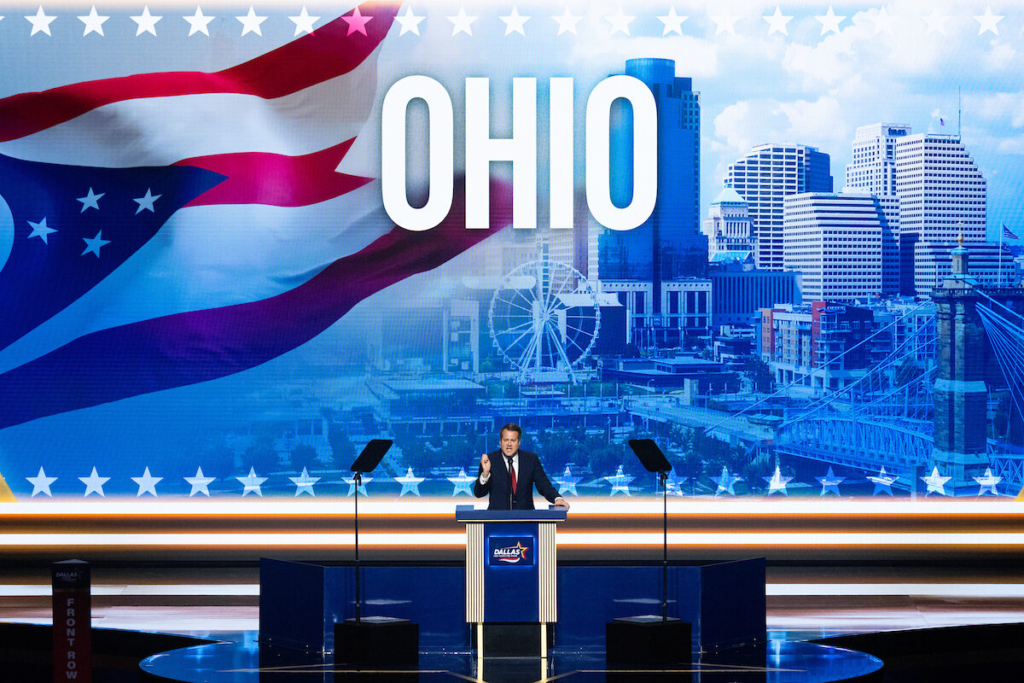
- Focus on Battleground Candidates: Prominent House challengers—including Laurie Buckhout (NC-01), Marty O’Donnell (NV-03), Derek Merrin (OH-09), and Tano Tijerina (TX-28)—were provided primetime speaking slots to frame their campaigns against Democratic incumbents.
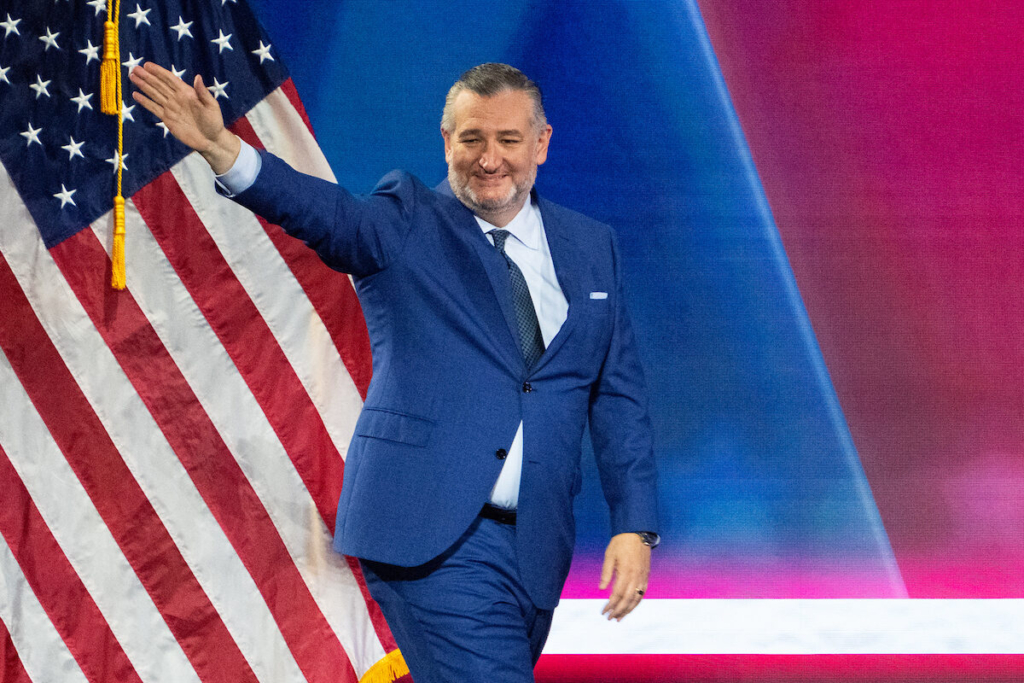
- High-Profile Senate Contests: Texas Senator Ted Cruz and Texas Attorney General Ken Paxton—the GOP nominee for U.S. Senate—reenergized local grassroots supporters, alongside former Michigan Representative Mike Rogers, who made his case for a competitive Senate flip in the Rust Belt.
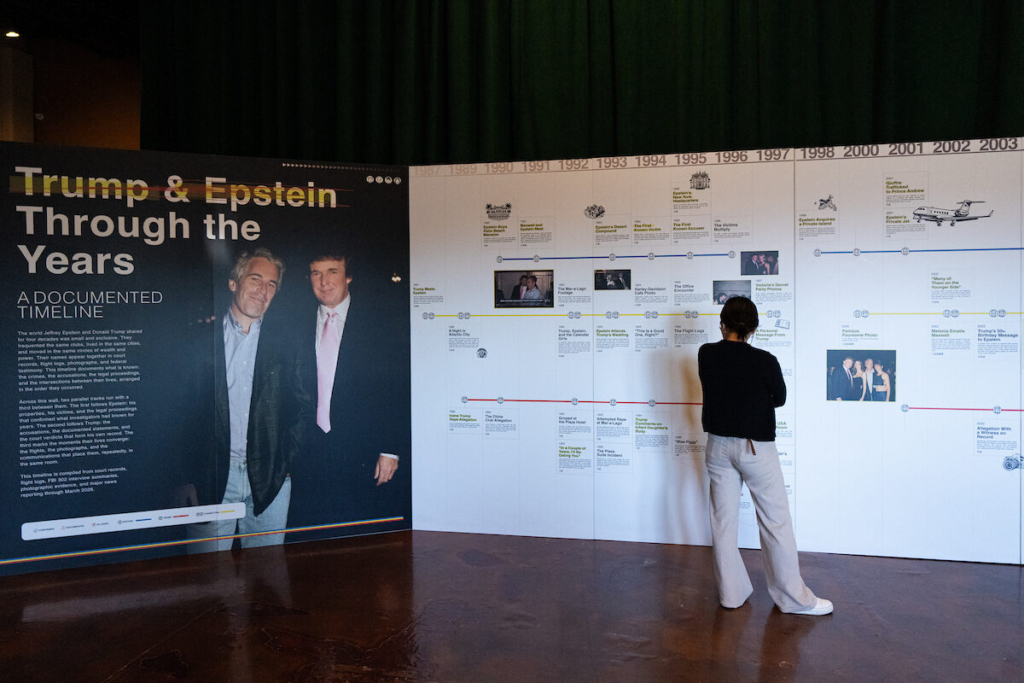
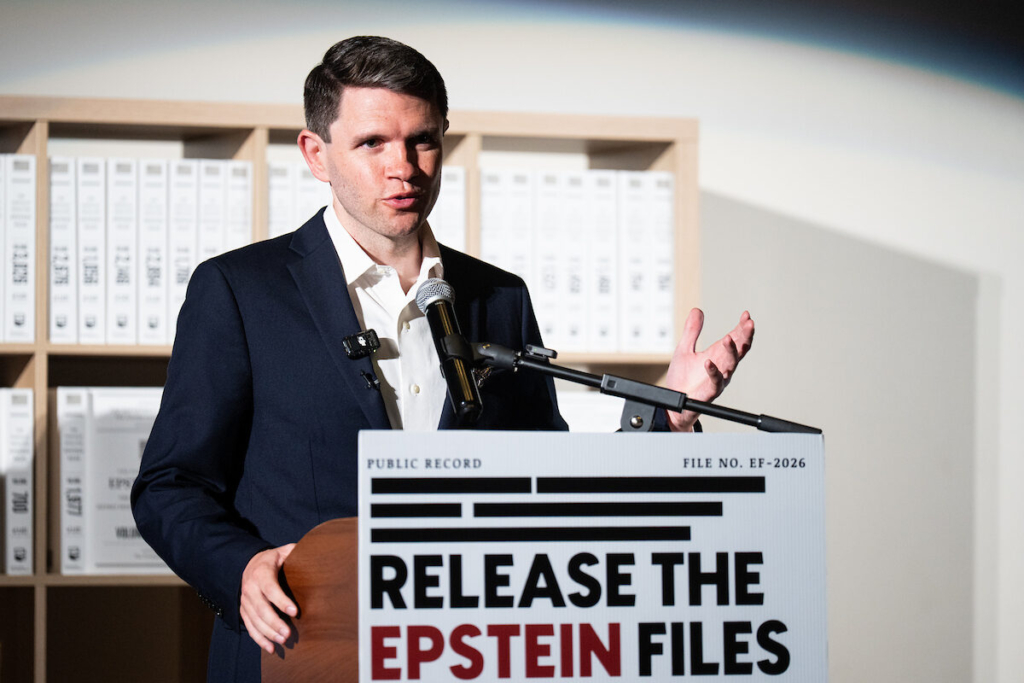
- Democratic Counter-Programming: Texas Democratic Senate nominee James Talarico hosted a press conference alongside a mobile "Epstein Files" exhibit in Dallas, demanding that Attorney General Paxton initiate legal action against the U.S. Department of Justice to force the full release of undisclosed files related to Jeffrey Epstein.
- Commemorations and Memorials: Convention delegates honored the memory of conservative activist Charlie Kirk with an on-site memorial precisely one year after his fatal shooting, while convention organizers incorporated moment-of-silence tributes leading into the 25th anniversary of September 11, 2001.
Chronology: High-Stakes Messaging and Commemorations on Day Two
The day’s events unfolded in a carefully choreographed sequence designed to balance national policy priorities, candidate recruitment showcases, and solemn memorials.

+-----------------------------------------------------------------------------------+
| DAY TWO TIMELINE - REPUBLICAN MIDTERM CONVENTION (DALLAS, TX)                      |
+-----------------------------------------------------------------------------------+
| 09:00 AM | RNC Chairman Joe Gruters delivers opening remarks on floor strategy.   |
| 10:30 AM | Democratic Senate nominee James Talarico launches Epstein exhibit event.|
| 11:45 AM | Education Secretary Linda McMahon conducts broadcast media rounds.    |
| 01:15 PM | House Battleground Showcase: Buckhout, O'Donnell, Merrin, Tijerina.    |
| 03:30 PM | Senate Showcase: Former Rep. Mike Rogers and Sen. Ted Cruz speak.      |
| 05:00 PM | Texas AG Ken Paxton meets delegates on the floor; pushback on DOJ.     |
| 06:30 PM | Tributes held for Charlie Kirk memorial and 9/11 25th Anniversary.     |
+-----------------------------------------------------------------------------------+
Morning Keynotes: Party Leadership Sets the Tone
Proceedings began shortly after 9:00 AM at the American Airlines Center, where RNC Chairman Joe Gruters welcomed thousands of delegates and conservative activists. Gruters emphasized that the path to preserving legislative majorities requires maximizing voter turnouts in historically suburban and newly competitive Latino-majority districts.
Shortly following the opening gavel, cabinet officials took to media rows set up around the perimeter of the arena floor. Education Secretary Linda McMahon engaged in several televised interviews, notably with NewsNation, pushing the administration’s platform on school choice, parental rights, and vocational funding, framing education as a cornerstone economic issue for mid-income suburban families heading to the polls.
Midday Focus: Key House Challengers
By early afternoon, the convention podium transitioned to a series of high-priority House candidates running in tightly contested congressional seats:
- Laurie Buckhout (NC-01): The retired Army colonel addressed delegates regarding national security and rural economic investment, targeting Democratic Representative Don Davis in North Carolina’s 1st Congressional District.
- Marty O’Donnell (NV-03): The high-profile video game composer turned political candidate took the stage to rail against inflation and federal spending, laying out his strategy to unseat Democratic Representative Susie Lee in Nevada’s 3rd Congressional District.
- Derek Merrin (OH-09): Returning for a high-stakes rematch against veteran Democratic Representative Marcy Kaptur, the former Ohio state representative highlighted manufacturing policies and border security.
- Tano Tijerina (TX-28): The Webb County Judge utilized his platform to detail his border management agenda, aiming to unseat long-term Democratic Representative Henry Cuellar in South Texas.
Afternoon Headlines: Senate Contenders Take Center Stage
The afternoon session elevated key Senate races essential to maintaining party control of the upper chamber. Former Michigan Representative Mike Rogers delivered a speech outlining his second campaign for the U.S. Senate in Michigan, emphasizing industrial reshoring, energy independence, and border safety.
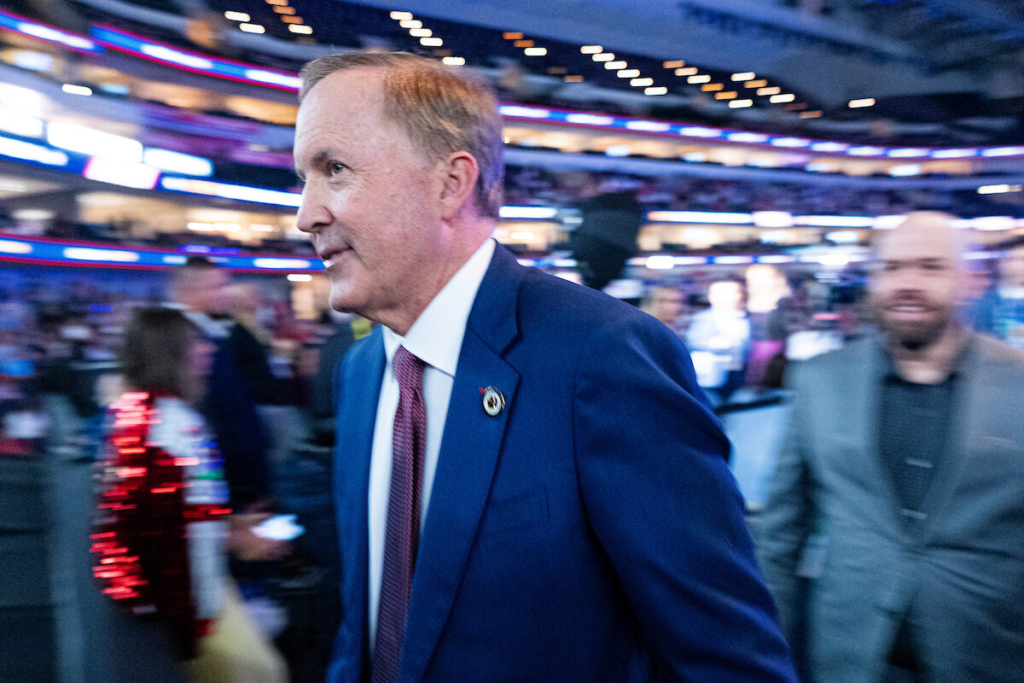
On home turf, senior Texas Senator Ted Cruz delivered a fiery address to a roaring crowd, rallying support for the broader state ticket. Following Cruz, Texas Attorney General Ken Paxton—fresh off winning the Republican nomination for U.S. Senate—navigated the arena floor alongside delegates, advocating for judicial conservatism and constitutional enforcement.
Tributes and Solemn Reflections
Between political addresses, convention organizers directed attention toward solemn remembrances. Thursday marked exactly one year since the assassination of conservative political activist Charlie Kirk, prompt organization of a dedicated memorial space within the arena concourse where delegates laid flowers and left notes. Simultaneously, with September 11 approaching, convention leaders paused floor proceedings late Thursday afternoon for a ceremonial tribute to honor the victims and first responders of the 2001 terrorist attacks on the eve of the tragedy’s 25th anniversary.
Supporting Data and Key Congressional Battlegrounds
The choice of Dallas as a convention site highlights the central role that Southwestern and Sunbelt battlegrounds play in the upcoming midterm elections. Republican strategists are betting heavily on a mix of economic populist messaging and key candidate recruitment profiles to defend vulnerable seats and flip targeted Democratic districts.
===================================================================================
                  KEY CONGRESSIONAL BATTLEGROUND RACES FEATURED
===================================================================================
 District / Seat     Incumbent (Party)     GOP Challenger       Primary Focus Area
-----------------------------------------------------------------------------------
 North Carolina 01   Don Davis (D)         Laurie Buckhout      Rural Econ / Defense
 Nevada 03           Susie Lee (D)         Marty O'Donnell      Cost of Living
 Ohio 09             Marcy Kaptur (D)      Derek Merrin         Manufacturing / Trade
 Texas 28            Henry Cuellar (D)     Tano Tijerina        Border Security / Law
 Michigan Senate     Open / Contested      Mike Rogers          Auto Industry / Econ
 Texas Senate        Ken Paxton (GOP Nom)  James Talarico (D)   Judicial / DOJ Policy
===================================================================================
Analysis of Flappable House Seats
The House districts highlighted during Day Two represent essential terrain for both parties:
- North Carolina’s 1st District: A geographically expansive, majority-rural district where veteran engagement is paramount. Buckhout’s military background is central to the GOP’s effort to break Democratic holds in eastern North Carolina.
- Nevada’s 3rd District: Covering suburban Las Vegas, this district historically hinges on independent swing voters sensitive to gaming industry fluctuations, housing affordability, and broader economic swings.
- Ohio’s 9th District: A classic Rust Belt battleground along Lake Erie. Merrin’s second bid reflects national party investment in converting blue-collar manufacturing communities that have gradually shifted rightward over the past decade.
- Texas’s 28th District: Stretching from the San Antonio suburbs down to the border at Laredo, Tijerina’s candidacy is central to the national Republican effort to solidify gains among Hispanic voters in South Texas.
The Senate Landscape
The Senate primary and general election dynamics in Texas and Michigan emphasize contrasting party strategies:
- In Michigan: Republicans view Rogers as a disciplined candidate capable of appealing to suburban professionals while retaining working-class voters in Macomb and Wayne counties.
- In Texas: The Senate race remains a top national priority. Attorney General Ken Paxton’s primary victory cements conservative dominance in the state party, though Democrats believe their nominee offers a strong counter-narrative tailored to urban and suburban shifting demographics.
Official Responses and Democratic Counter-Programming
While Republicans projection of unity dominated the main stage at the American Airlines Center, Texas Democrats mounted targeted media events less than two miles away.
+-----------------------------------------------------------------------------------+
| KEY STATEMENTS & OFFICIAL POSITIONS                                                |
+-----------------------------------------------------------------------------------+
| JAMES TALARICO (D-TX Senate Nominee):                                             |
| "Texans deserve full transparency. If the Attorney General is truly dedicated     |
| to justice, he should immediately file suit against the Department of Justice    |
| to release every unredacted page of the Epstein files."                           |
|                                                                                   |
| KEN PAXTON (R-TX AG & Senate Nominee):                                            |
| "Our campaign is focused on securing the border, defending constitutional rights, |
| and reining in federal overreach. Opponents are running publicity stunts because |
| they cannot defend their own party's record."                                     |
|                                                                                   |
| JOE GRUTERS (RNC Chairman):                                                       |
| "The energy in Dallas proves that voters across America are ready to lock in      |
| conservative majorities that prioritize economic growth and national security."   |
+-----------------------------------------------------------------------------------+
The Epstein Files Press Conference
The central counter-programming event of the day was spearheaded by Texas Democratic Senate nominee James Talarico. Speaking in front of a traveling public exhibit detailing documents related to the Jeffrey Epstein estate, Talarico directly targeted Ken Paxton.
Talarico called on the Texas Attorney General to utilize state authority to sue the U.S. Department of Justice, demanding the immediate and complete release of all remaining sealed unredacted records tied to the deceased financier’s network.
"Texans deserve full transparency," Talarico stated during his morning press briefing. "If the Attorney General is truly dedicated to justice and radical transparency as he claims on the campaign trail, he should immediately file suit against the Department of Justice to release every unredacted page of the Epstein files without delay."
Rebuttals from the GOP Floor
When asked about the Democratic press conference, representatives for the Paxton campaign dismissed Talarico’s event as a partisan distraction designed to divert attention from core economic and border concerns.
"Our campaign is focused on securing the border, defending constitutional rights, and reining in federal overreach," Paxton remarked during a brief media availability inside the venue concourse. "Opponents are running publicity stunts because they cannot defend their own party’s record on inflation and public safety."
Other convention speakers similarly brushed off the counter-protests, preferring to direct criticism at the Biden-Harris administration’s record and emphasizing economic legislative proposals for 2027.
Political Implications for the 2026 Midterm Campaign
Day Two of the Republican midterm convention underscores several critical tactical dynamics shaping the 2026 campaign cycle:
1. Unified Messaging Under National Leadership
By bringing together congressional candidates from diverse regions—ranging from the industrial Midwest to the Sunbelt—the GOP is seeking to construct a unified national message centered on tax policy, border control, and energy production. The heavy presence of Cabinet officials like Linda McMahon signals an intent to integrate the federal executive agenda directly into down-ballot congressional races.
2. The Cultural and Grassroots Legacy
The high-profile memorial for Charlie Kirk highlights the deep integration of youth-focused activist networks within mainstream party infrastructure. Kirk’s legacy continues to serve as an organizing anchor for mobilization efforts targeting college campuses and young male voters, a key demographic the party hopes to retain in 2026.
3. Texas as a Political Microcosm
Texas remains the premier battleground for contrasting political visions. The state features both traditional conservative strongholds and rapidly evolving metroplexes like Dallas-Fort Worth, Houston, and Austin. The direct clash between Paxton and Talarico in Dallas exemplifies how national debates over institutional trust, justice department transparency, and social policy will playing out in high-stakes Senate contests nationwide.
As the convention heads into its final days, party operatives express confidence that the momentum generated in Dallas will translate into strong campaign funding and grassroots mobilization leading up to November. However, with aggressive Democratic counter-strategies and highly volatile swing districts, the battle for control of Capitol Hill remains intensely competitive.