By Editorial Staff
The delicate architecture of global energy security suffered a profound fracture this weekend as Saudi Arabia announced the emergency closure of its East-West pipeline. The move, prompted by an aerial drone attack on the critical conduit, has sent shockwaves through international markets, threatening to exacerbate an already precarious inflationary environment for global fuel prices.
This disruption marks a significant escalation in the widening Middle East conflict, as the 1,200-kilometer (745-mile) pipeline has served as the primary "life raft" for global energy supplies over the past six months, filling the void left by the de facto closure of the Strait of Hormuz.
Main Facts: A Vital Artery Severed
The East-West pipeline, also known as the Petroline, is a strategic asset that allows Saudi Arabia to bypass the increasingly volatile Persian Gulf by transporting crude oil from the kingdom’s eastern production fields to the Red Sea port of Yanbu in the west.
For the past half-year, this infrastructure has been responsible for transporting between 4 million and 5 million barrels of crude oil per day—a volume representing approximately 4% to 5% of total global supply. By effectively functioning as the only reliable bypass for the Strait of Hormuz, the pipeline had shielded Riyadh and its international customers from the worst of the regional maritime disruptions.
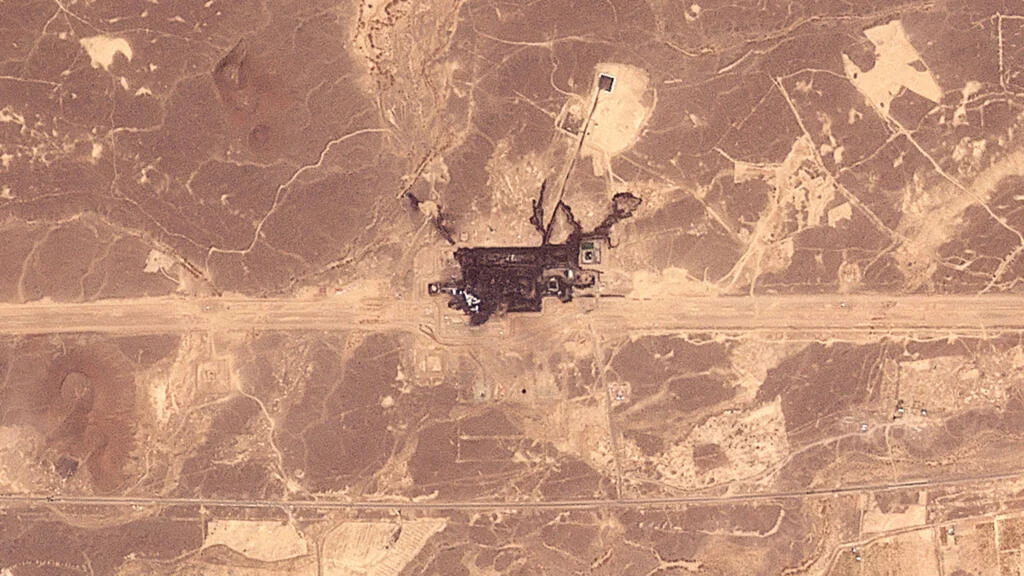
Following the attack, which resulted in visible plumes of black smoke captured by satellite imagery near the city of Medina, the Saudi Ministry of Foreign Affairs confirmed the precautionary shutdown. While the Ministry acknowledged that there were injuries and physical damage to the facility, they have yet to release a detailed assessment regarding the long-term impact on export capacities or the timeline for repairs.
A Chronology of Escalation
The incident is not an isolated event but rather the culmination of a tense week of heightened military activity across the Arabian Peninsula and beyond.
- Thursday: Saudi Crown Prince Mohammed bin Salman (MBS) held an urgent telephone consultation with US President Donald Trump. Sources indicate that the Crown Prince formally requested direct US military intervention to combat the escalating threat from Iran-aligned Houthi militias.
- Friday: The strategic situation in the Red Sea deteriorated further as sources within the Yemeni government reported that Houthi forces had successfully seized the island of Perim, located in the Bab el-Mandeb Strait—a narrow, critical chokepoint often referred to as the "Gate of Tears."
- Saturday: The situation reached a breaking point with the aerial drone attack on the East-West pipeline. Simultaneously, Saudi Civil Defence reported that a projectile fired by the Houthis struck the Jazan region, causing injuries to civilians and damaging critical infrastructure, including a local mosque.
- Saturday (Diplomatic Response): Following the pipeline attack, the Iraqi government moved to dismiss a high-ranking military commander, acknowledging that initial intelligence suggests the drone originated from within Iraqi territory, where Iranian-backed militias maintain a heavy presence.
Supporting Data: The Cost of Disruption
The economic implications of this attack are immediate and severe. Global oil prices, already volatile due to ongoing tensions, surged in the immediate aftermath of the announcement. In the United States, retail diesel prices have already surpassed a historic threshold of $6 per gallon, a development that poses significant risks to domestic logistics and supply chain stability.
The data underscores why the loss of the East-West pipeline is particularly catastrophic:

- Pipeline Capacity: 4–5 million barrels per day (bpd).
- Global Market Share: 4–5% of total daily global oil production.
- Alternative Routes: Minimal. With the Strait of Hormuz effectively locked down due to the presence of hostile naval forces and the Bab el-Mandeb Strait facing increased threats from Houthi advancement, there are few viable, high-volume alternatives for transporting Saudi crude to Western markets.
Official Responses and Diplomatic Friction
The international reaction has been marked by a blend of caution, finger-pointing, and tactical hesitation.
The United States’ Stance
President Donald Trump, currently in Ireland for a golf tournament, addressed the media regarding the crisis. In a direct attribution of blame, the President stated, "Iran is probably to blame," reflecting a firm belief within his administration that the technological capability for such a precision strike lies with Tehran or its proxies.
However, despite the request from Crown Prince Mohammed bin Salman for direct military support, the White House has signaled a policy of restraint. Sources confirm that the US will provide intelligence and surveillance support but will not engage in direct military combat against the Houthis at this time. Interestingly, President Trump noted that the Houthis had reached out to his administration via unofficial channels, requesting that the United States refrain from intervening in the conflict.
The Iraqi Perspective
Baghdad finds itself in an unenviable position. By dismissing a military commander, the Iraqi government is attempting to signal its commitment to regional stability and distance itself from the actions of militias operating within its borders. However, the admission that the drone attack originated in Iraq highlights the limited control the central government currently exerts over its own territory, which has become a staging ground for the broader regional proxy war.
Strategic Implications: A War Without Borders
The seizure of the island of Perim and the targeting of the Petroline suggest that the conflict has entered a "total war" phase regarding energy infrastructure. By controlling the Bab el-Mandeb Strait and threatening the internal pipelines of Saudi Arabia, the Houthi movement—backed by Iranian logistics—is effectively holding the global economy hostage.
The Dilemma of Intervention
Washington is currently caught in a strategic trap. If the US ignores the plight of its Gulf allies, it risks the collapse of energy prices and the potential loss of Saudi Arabia as a reliable, stable partner in the region. Conversely, if the US commits to a direct military campaign against the Houthis, it risks becoming embroiled in a prolonged, costly, and potentially explosive conflict that could involve a direct confrontation with Iran.
The Future of Energy Security
The events of the past week represent a paradigm shift in how global energy markets must account for risk. For decades, the "chokepoint" theory of energy security focused almost exclusively on maritime straits. The successful targeting of an inland pipeline suggests that the vulnerability of energy infrastructure has expanded to include terrestrial assets, regardless of their distance from the front lines.
As maintenance teams scramble to assess the damage to the Petroline, the world waits with bated breath. The stability of the global recovery, the cost of transportation, and the very structure of the energy market now depend on the repair of a single stretch of steel pipe in the Saudi desert—and the willingness of world powers to prevent the further "tearing" of the region’s critical gateways.
The situation remains fluid, with global markets expected to react sharply when trading resumes. Analysts suggest that unless a diplomatic breakthrough occurs or security is significantly bolstered along the pipeline’s length, the "energy premium" on oil prices will likely remain elevated for the foreseeable future, casting a long shadow over the global economic outlook.