By Sports Desk
October 6, 2026
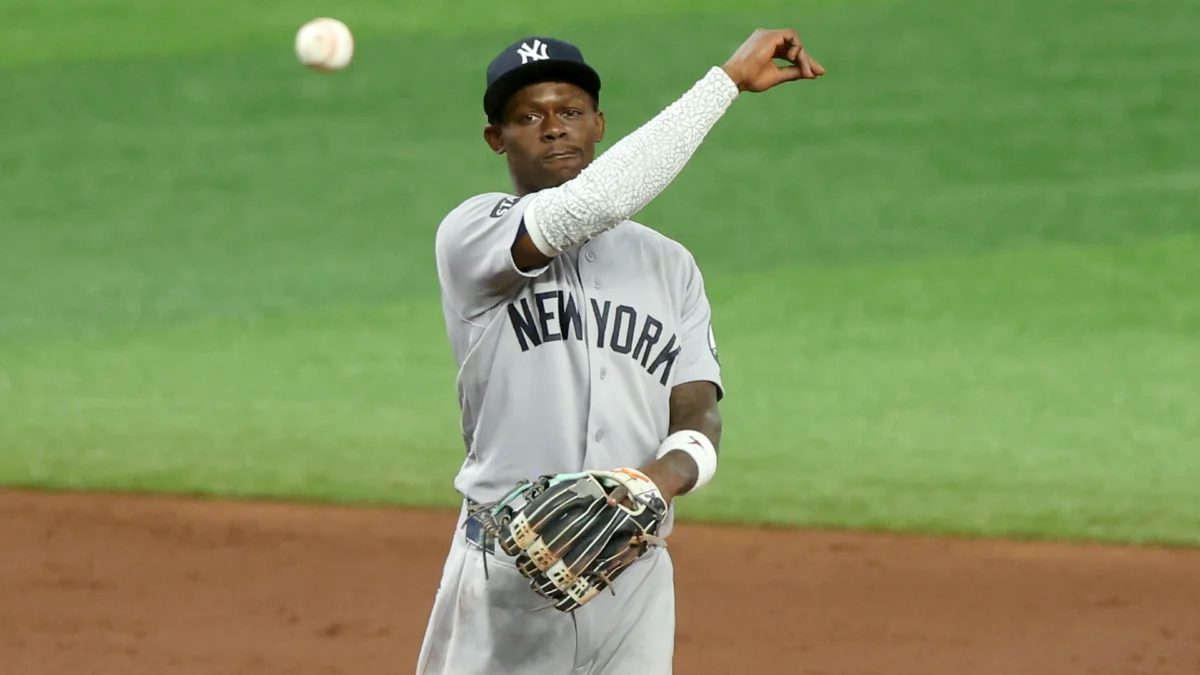
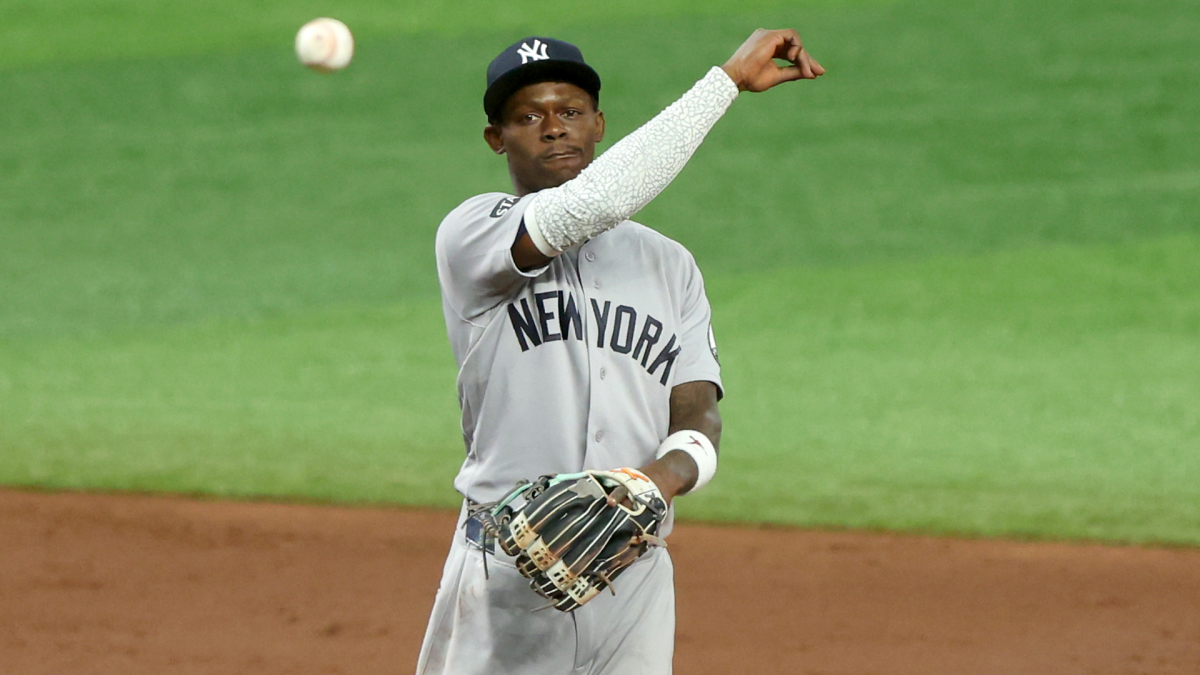
In the high-stakes environment of the American League Division Series, the margin for error is razor-thin. For the New York Yankees, however, the margin proved to be non-existent on Monday night. In a calamitous opening frame that will surely haunt the franchise throughout the winter, the Bronx Bombers’ defensive deficiencies were laid bare, leading to a 5-2 loss against the Tampa Bay Rays.
The defeat leaves the Yankees facing a daunting 0-2 deficit in the best-of-five series, forcing them to win three consecutive games against an AL-best Tampa Bay squad that thrives on precisely the type of chaos New York invited onto the field at Tropicana Field.
The Anatomy of a Collapse: A First Inning to Forget
The game began with a script that seemed plucked directly from the scouting reports. The Rays, a team built on speed, contact, and the relentless pressure of putting the ball in play, encountered a Yankees defense that has struggled with consistency all season.
The chaos erupted immediately. In the first five batters of the game, the Yankees committed three official errors and one significant defensive misplay. It was a sequence of events so disjointed that it bordered on the surreal. Even the most seasoned observers were left questioning how a professional unit could unravel so thoroughly under the glare of the postseason spotlight.
1. The Opening Misstep: Ryan McMahon
The tone was set by third baseman Ryan McMahon. With Yandy Díaz leading off, a routine ground ball hit the turf. While the surface at Tropicana Field can be unpredictable, the ball arrived at chest height—a play that, at this level of professional baseball, is statistically expected to be an out. McMahon failed to secure it, and the error opened the floodgates.
2. The Compounding Pressure: Jonathan Aranda
Following the error, Jonathan Aranda capitalized on the momentum. He stroked a sharp grounder through the infield as McMahon, perhaps still reeling from his earlier misplay, dove in vain. While this was not officially scored as an error, it was a direct consequence of the defensive instability created by the first batter. Suddenly, the Yankees were staring at runners on first and second with no outs, placing immense, unnecessary pressure on starter Cam Schlittler.
3. The Unforced Error: Jazz Chisholm Jr.
The most glaring breakdown occurred during Junior Caminero’s at-bat. George Lombard Jr. did admirable work to range far to his left to field a difficult grounder, but the ensuing play by second baseman Jazz Chisholm Jr. was a masterclass in poor judgment. Despite the difficulty of the play, Chisholm attempted a high-risk throw to first base that sailed well wide. The error allowed Díaz to score from third.
When questioned later, Chisholm remained defiant, suggesting he would make the same play again. However, the baseball analytics community—and the scoreboard—told a different story: the "proper" play was to hold the ball and concede the out at first, rather than gifting the Rays a run.
4. The "Mental" Lapse: Austin Wells
Perhaps the most frustrating error for the Yankees’ coaching staff was the catcher interference called against Austin Wells. With two outs and a 0-2 count on Liam Hicks, Schlittler appeared to have recorded a strikeout. Instead, the umpire signaled for catcher interference, as Wells’ glove made contact with the bat.
This was not a one-off anomaly. The Yankees led the league in catcher interference calls this season, with Wells responsible for four of the seven. It is a byproduct of modern pitch-framing techniques, where catchers move their mitts into the strike zone early, often putting them in the path of the swing. In a playoff game, it is a costly, preventable mistake.
5. The Failed Pivot: The Fielder’s Choice
The nightmare inning concluded with another display of poor coordination. A potential double-play ball hit by Chandler Simpson resulted in a forced out at second, but a errant feed from Chisholm pulled Lombard off the bag. While technically a fielder’s choice rather than an error, the lack of fundamental execution prevented the Yankees from ending the inning cleanly, forcing Schlittler to labor through six outs before finally escaping.
Supporting Data: A History of Defensive Fragility
The numbers suggest that the Yankees’ performance in Game 2 was not an isolated incident but the culmination of a systemic issue. Throughout the 2026 regular season, the Yankees’ infield was repeatedly flagged for poor range and erratic decision-making.
The Tampa Bay Rays, by contrast, led the majors in bunt hits and ranked second in infield singles. They are the antithesis of the "three-true-outcomes" team; they force opponents to field the ball and make decisions under duress. The Yankees, a team historically known for power, have struggled to adapt their defensive intensity to match the modern, speed-oriented game.
To put the Game 2 disaster in perspective: of the five runs scored by the Rays, only two were earned. The Yankees effectively beat themselves, providing the Rays with extra bases and additional outs that allowed their high-powered offense to set the pace.
Official Responses: "Off the Mat"
The atmosphere in the visitors’ clubhouse following the loss was somber. Starting pitcher Cam Schlittler, who arguably deserved a better fate, took the high road when discussing his teammates.
"I’m not disappointed in our defense," Schlittler stated. "Really just disappointed in myself. That’s baseball and those things are going to happen, but I’ve got to be able to work through those. I wasn’t able to do that today."
Manager Aaron Boone, tasked with the near-impossible job of keeping morale high while staring at a series sweep, acknowledged the gravity of the situation.
"Obviously, a really rough night, to say the least for us," Boone said. "We’ve got to get over it. We’ve responded all year to difficult times, and we’ve got to do that again. We’ve got to get ourselves up off the mat."
The Implications: A Path Toward Elimination
The implications for the Yankees are dire. In the history of the current five-game ALDS format, teams that fall into an 0-2 hole face a statistical mountain that few have climbed. The Yankees must now win three straight games—two of which must take place in the hostile environment of Tropicana Field—to keep their season alive.
The primary concern for the coaching staff is whether the mental fatigue of the postseason is exacerbating the defensive issues that plagued the team all year. If the Yankees cannot clean up their glovework, the Rays’ strategy of putting the ball in play will continue to pay dividends.
As the series shifts back to the Bronx, the pressure on the Yankees’ infield will be immense. They are no longer playing against the Rays; they are playing against the weight of their own errors. If they are to save their season, the "pristine glovework" they have lacked all year must finally materialize in the most high-pressure moment of their careers.
For now, the Yankees remain "on the mat." Whether they have the resilience to rise and rewrite the script of this series will be the defining story of their 2026 campaign.