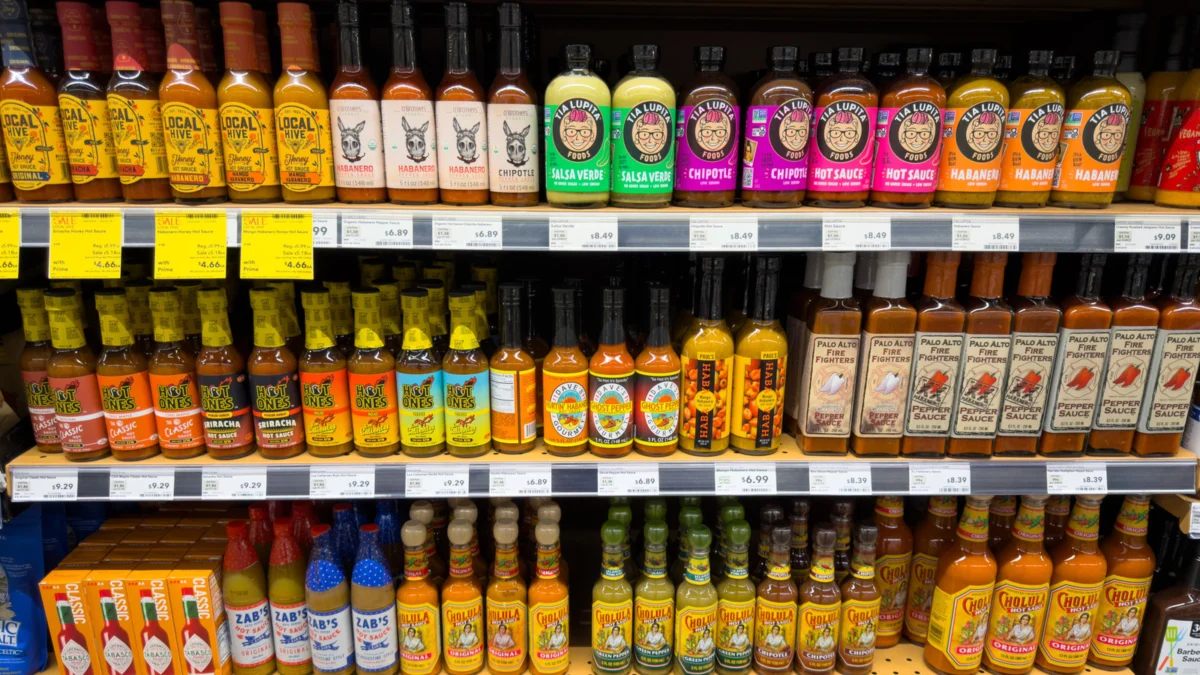
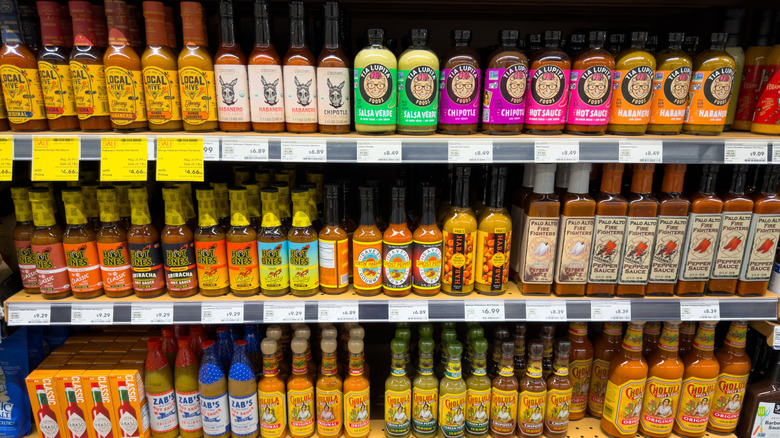
The modern grocery store hot sauce aisle is a testament to the culinary world’s obsession with heat. What was once a shelf dominated by a few heritage brands has exploded into a chaotic, vibrant landscape of artisan labels, celebrity collaborations, and experimental flavor profiles. Yet, for every bottle that becomes a pantry staple, there are countless others that promise innovation but deliver disappointment.
When we reach for a hot sauce, we are looking for a specific synergy: the perfect marriage of capsaicin-driven heat, acidity, and flavor complexity that elevates a meal rather than masking it. Often, however, the most eye-catching labels mask products that fall short of their own marketing. This analysis explores seven popular hot sauces that, while widely available, frequently fail to justify their place in your shopping cart when superior, more consistent alternatives are readily available.
The Philosophy of the "Shelf-Stayer"
To understand why certain products languish on store shelves, one must first understand the "opportunity cost" of a condiment. Most households have limited pantry real estate. Every bottle of hot sauce purchased is a commitment to a flavor profile that will accompany everything from morning eggs to late-night wings.
Our assessment is not a condemnation of "bad" food. Rather, it is a critique of utility. A sauce may be technically edible, but if it lacks the versatility, balance, or distinctiveness of its neighbors, it becomes a "shelf-stayer"—a product that lingers in the back of the refrigerator, half-empty and forgotten.
1. Frank’s RedHot Nashville Hot Wing Sauce
The Frank’s RedHot brand is, for many, the gold standard of the vinegar-forward, cayenne-based hot sauce category. Its Original blend is a triumph of consistency. However, the Nashville Hot variation represents a rare misstep for the brand.
The Breakdown
While the Original relies on a clean, sharp acidity that cuts through the fat of fried chicken, the Nashville Hot variant attempts to bridge the gap between a traditional sauce and the complex, oily, lard-based spice paste characteristic of authentic Nashville hot chicken. Unfortunately, it fails to achieve this nuance.
Key Criticisms
- Artificiality: Tasters have frequently noted a synthetic, chemical-like undertone that clashes with the vinegar base.
- Mouthfeel: The viscosity is notably different from the original, often described as oily or "imitation butter," which can create an unpleasant coating in the mouth.
- Flavor Imbalance: The spice profile feels "tacked on" rather than integrated, resulting in a sauce that is neither a faithful homage to the Nashville style nor a palatable modification of the classic Frank’s profile.
2. Trappey’s Red Devil Hot Sauce
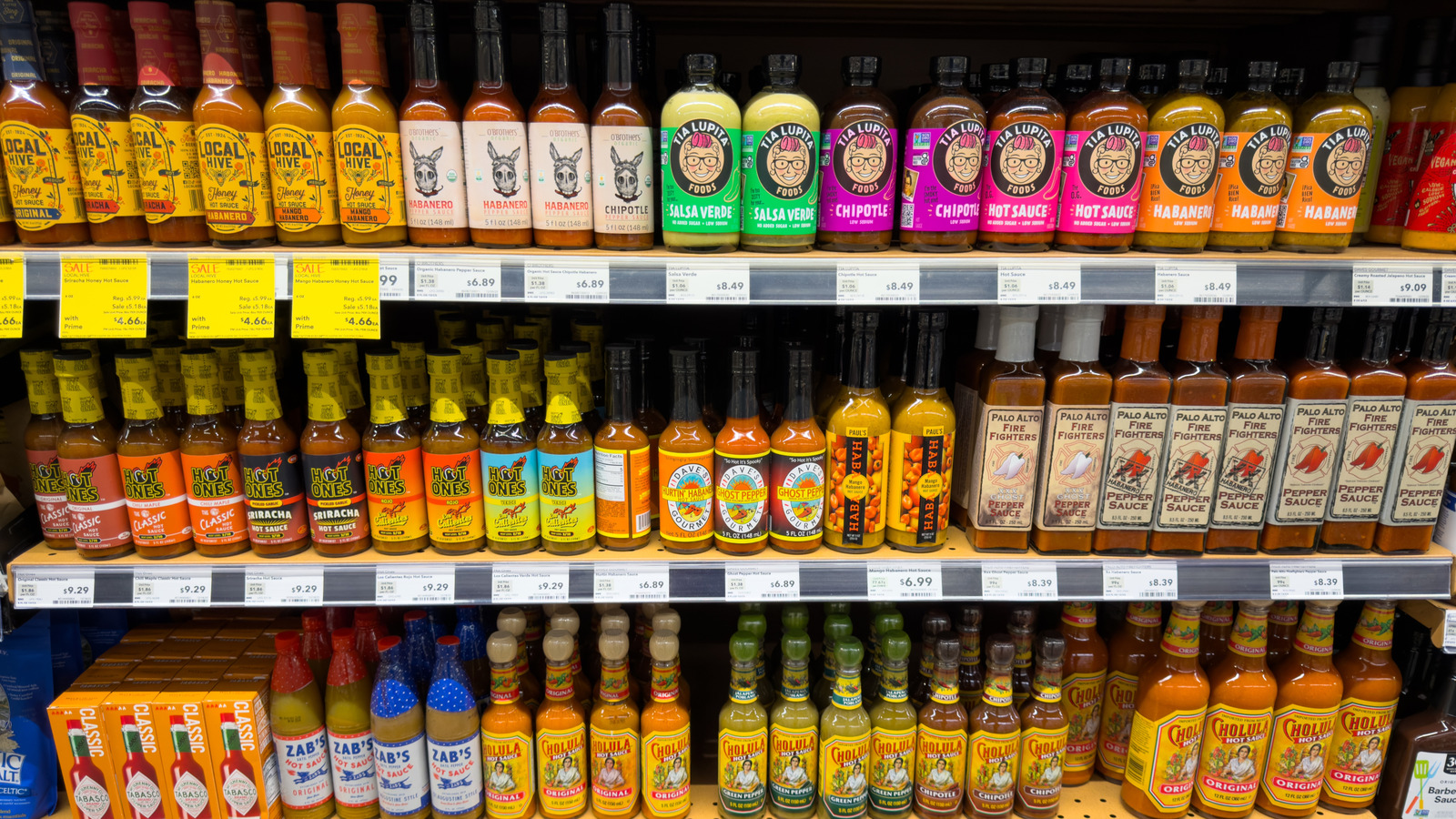
In the world of Louisiana-style hot sauces, competition is fierce. With stalwarts like Tabasco and Crystal dominating the market, a newcomer or a secondary brand must offer something truly distinctive to survive. Trappey’s Red Devil, despite its aggressive branding, is paradoxically underwhelming.
Why It Fails the Test
The primary issue with Red Devil is its lack of identity. It aims for a standard cayenne-vinegar profile but hits a level of mildness that leaves it functionally invisible on most dishes. When a sauce carries a name like "Red Devil," the consumer expects a punch of heat or a sharp, pungent kick. Instead, it delivers a muted experience that struggles to stand out against even the most basic competitors. It is not an offensive sauce, but in a crowded field, "serviceable" is rarely enough to warrant a repeat purchase.
3. Tabasco Sweet & Spicy Sauce
Tabasco’s brand identity is built on the sharp, fermented heat of the tabasco pepper. For decades, it has defined the "vinegar-forward" category. The Sweet & Spicy line, however, represents a radical departure that often leaves purists and casual consumers alike confused.
The Identity Crisis
The fundamental flaw here is one of classification. With a Scoville heat unit (SHU) rating between 100 and 600, this product functions more as a glaze or a sweet chili dipping sauce than a traditional hot sauce.
- Flavor Profile: The heavy notes of pear and ginger overwhelm the pepper base, making the heat an afterthought.
- Culinary Utility: While it performs adequately on crab Rangoon or as a glaze for tempura, it lacks the utility of a true hot sauce. When consumers seek a bottle with the iconic Tabasco diamond logo, they are usually looking for spice, not a syrup-like condiment.
4. Louisiana Brand "Hotter" Hot Sauce
Louisiana Brand is a titan of the pantry, celebrated for its bright, thin, and tangy profile. When they released the "Hotter" version, the intention was to provide a premium option for those who found the original too mild.
The Diminishing Returns of Heat
The "Hotter" sauce clocks in at 2,000 to 3,000 SHU—a significant jump from the original. However, the result is a classic case of "more is not always better." Our analysis suggests that the increased heat does not come with a proportional increase in flavor complexity. Instead, the heat often serves to overwhelm the delicate tang that makes the original sauce so desirable. The lingering burn becomes a distraction, making the sauce less "eatable" across a variety of dishes.
5. Hot Ones: The Last Dab "Thermageddon"
The Hot Ones series has done wonders for the hot sauce industry, turning "super-hots" into a mainstream curiosity. However, there is a distinct difference between a sauce meant for a YouTube challenge and a sauce meant for a Tuesday night taco dinner.
The Endurance Event
Thermageddon is designed for a singular purpose: maximum pain. While it is an impressive feat of pepper engineering, it lacks the culinary architecture to be an everyday condiment.
- The Texture: Independent reviews have noted a granular consistency that lacks the smoothness expected of a premium sauce.
- The Experience: Without complex flavor notes to balance the extreme heat, the sauce becomes a one-dimensional endurance test. For the average consumer, this is a "stunt sauce" that, once tried, will rarely be finished.
6. Cholula Reserva Tequila & Lime
Cholula is arguably the most recognizable "taco sauce" on the market. Its ability to pair with almost anything is its greatest strength. The Reserva Tequila & Lime version, however, suffers from a failure of balance.
Overpowering Aromatics
The intent—a zesty, bright, margarita-inspired sauce—is noble. But the execution relies so heavily on the tequila flavor that it creates an artificial, almost medicinal finish. The lime and the chili base are pushed into the background, resulting in a sauce that can actually clash with the food it is meant to enhance. When a condiment is so bold that it dictates the flavor of the entire dish, it ceases to be a useful tool for the home cook.
7. Trader Joe’s Sriracha Sauce
Trader Joe’s has a cult following, and many of their products are rightfully lauded for their quality and value. Their take on Sriracha, however, remains a polarizing entry in their inventory.
The Sweetness Trap
The defining characteristics of a great Sriracha are the fermentation, the garlic, and the balanced heat. The Trader Joe’s version leans heavily into sweetness, which effectively mutes the tangy, fermented notes that define the category. While it is a perfectly acceptable sauce, it fails to compete with the industry standards that have set the bar for what a Sriracha should taste like. It is a victim of its own genre; when you buy a Sriracha, you are looking for that specific, savory, spicy funk, and the Trader Joe’s version simply offers a different, less compelling experience.
Implications for the Consumer
What does this mean for the average shopper? It serves as a reminder that the hot sauce aisle is a landscape of marketing and experimentation.
Key Takeaways for Future Purchases:
- Check the Ingredients: If a sauce is heavily modified (e.g., "Nashville Hot" or "Tequila & Lime"), consider whether those additions are meant to enhance the pepper or hide a mediocre base.
- Define Your Purpose: Are you looking for a table sauce (versatility) or a challenge sauce (heat)? Don’t buy a bottle that tries to be both and fails at both.
- Trust the Classics: There is a reason the "Original" bottles remain the best-sellers. They have been perfected over decades.
Ultimately, the best hot sauce is the one that disappears from the bottle because you actually enjoy using it. If a bottle stays on your shelf, it’s not just a wasted purchase—it’s a reminder that not every "new and improved" product is an upgrade over the original.