For decades, the medical community has viewed serotonin primarily through the lens of neurology and psychiatry. As a vital neurotransmitter, it is the cornerstone of our understanding of mood regulation, sleep cycles, and digestive health. However, cutting-edge research emerging between 2023 and 2026 has shifted this perspective, suggesting that this chemical messenger plays a far more complex—and potentially precarious—role in the physical structure of the human heart.
New evidence points to a hidden connection between serotonin signaling and the health of the mitral and aortic valves. Specifically, research suggests that when the protein responsible for "cleaning up" serotonin—the serotonin transporter (SERT)—is underactive, it may accelerate the structural decay of heart valves already weakened by degenerative disease.
The Critical Mechanics of the Mitral Valve
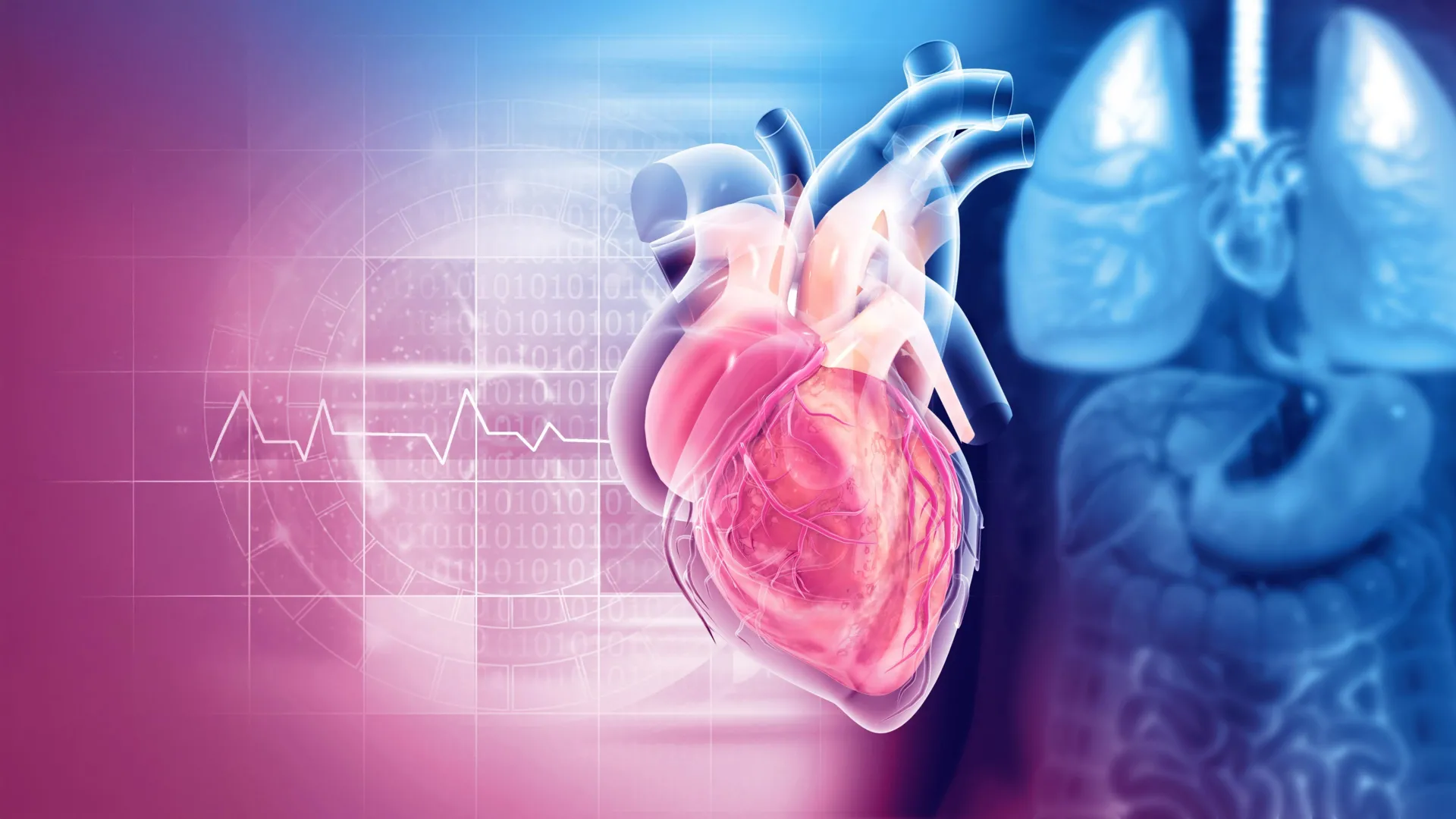
To understand the gravity of these findings, one must first appreciate the mechanical demands placed on the heart. The mitral valve serves as the vital gatekeeper between the heart’s left atrium and left ventricle. In a healthy heart, it functions as a precise, one-way valve; as the ventricle contracts to pump oxygen-rich blood to the body, the mitral valve snaps shut, preventing blood from surging backward into the lungs.
Degenerative Mitral Regurgitation (DMR) occurs when this seal fails. The thin, delicate flaps of the valve begin to thicken, stretch, or warp. Once the seal is compromised, blood leaks backward, forcing the heart to work exponentially harder to maintain circulation. Over time, this chronic strain leads to debilitating consequences, including atrial fibrillation and heart failure. Currently, when this degeneration becomes severe, surgical intervention is the only definitive cure.
A Chronology of Discovery: From Observation to Mechanism
The investigation into the "serotonin-heart connection" has evolved rapidly, moving from large-scale patient data to granular, molecular-level experiments.
2023: The Initial Breakthrough
The foundation for this field was laid by a multicenter study published in Science Translational Medicine. Led by Dr. Giovanni Ferrari of Columbia University and Dr. Robert J. Levy of the Children’s Hospital of Philadelphia (CHOP), the research team analyzed clinical data from over 9,000 patients who had undergone mitral valve repair or replacement.
The team uncovered a striking trend: patients who were taking Selective Serotonin Reuptake Inhibitors (SSRIs)—medications that block the serotonin transporter (SERT) to keep serotonin levels high in the brain—required surgery for mitral valve repair at a significantly younger age than those who were not on these medications.
2024–2025: Expanding the Scope
Following the 2023 report, researchers expanded their gaze to other cardiac structures. A 2024 study identified that mice with deficient SERT activity were not only prone to mitral valve thickening but also to fibrosis—the accumulation of stiff, scar-like tissue—in the left ventricle.
By 2025, the conversation expanded to aortic stenosis, the narrowing of the valve that regulates blood flow out of the heart. A study comparing 38 patients with severe aortic stenosis to a healthy control group found that the diseased patients exhibited significantly higher serum levels of serotonin. This suggested that serotonin-driven remodeling might be a systemic issue affecting multiple heart valves, rather than an isolated incident involving the mitral valve alone.
2026: Targeting the HTR2B Receptor
In February 2026, researchers pinpointed a potential biological culprit: the HTR2B receptor. By studying diseased aortic valves, the team found that reduced SERT expression led to heightened signaling through this receptor, which triggered a "fibrotic" response in the valve cells. In mouse models, blocking the HTR2B receptor successfully preserved valve structure and improved blood flow, marking the first time a potential pharmacological target for this condition was identified.
Supporting Data and Genetic Vulnerability
The research goes beyond the effects of medication; it highlights an inherent genetic vulnerability. The team examined a region of the SERT gene known as 5-HTTLPR. They discovered that individuals carrying a specific "long-long" variant of this gene possess naturally lower SERT activity.
When these individuals develop degenerative valve disease, their valve cells react more aggressively to serotonin. These cells produce excess collagen, which, while meant to provide strength, instead renders the valve stiff and deformed. This suggests that for a subset of the population, the combination of genetic predisposition and increased serotonin exposure acts as a "perfect storm" for accelerated heart valve deterioration.
Official Perspectives and Medical Caution
While the data is compelling, the researchers and cardiologists involved are quick to emphasize that these findings do not constitute a medical emergency for the general population.
Dr. Giovanni Ferrari, scientific director of the Cardiothoracic Research Program at Columbia, stresses a crucial distinction: "A healthy mitral valve can probably stand low SERT activity without deforming. It is unlikely that low SERT can cause degeneration of the mitral valve by itself. SSRIs are generally safe for most patients."
The medical consensus remains:
- No "Smoking Gun": The studies published to date are largely observational or based on animal models. They demonstrate an association, not a definitive cause-and-effect relationship in humans.
- Do Not Discontinue Medication: Experts warn that patients should never stop taking their antidepressants based on these reports. The benefits of treating mood disorders are well-established, and the risk of unmanaged depression often outweighs the potential, long-term, and as-yet-unproven risks to heart valves.
- Targeting the Vulnerable: The risk appears to be confined to those who already have degenerative valve disease. For these patients, the presence of low SERT activity may serve as a marker for closer, more frequent monitoring.
Implications for Future Care
The path forward involves translating these molecular insights into clinical practice. If validated through further trials, the implications for cardiology could be transformative.
Genetic Screening as a Tool
The researchers have proposed the development of a simple DNA test—via blood sample or mouth swab—to screen patients who have already been diagnosed with DMR. Identifying the "long-long" SERT variant could allow cardiologists to triage patients. Those at higher genetic risk could be monitored with more frequent echocardiograms, allowing for earlier surgical intervention before the heart sustains irreversible damage.
The Development of Targeted Therapies
Perhaps the most promising implication lies in the development of drugs that target the HTR2B receptor. If a pharmaceutical agent could block the harmful signaling pathway that leads to valve stiffening without affecting the central nervous system, it could provide a non-surgical way to slow or stop the progression of valve disease.
A New Standard for Clinical Trials
The 2026 systematic review, which reported an odds ratio of 2.76 between SERT-modifying drugs and valve disease, underscores the need for more rigorous, long-term studies. Future clinical trials must be designed to differentiate between various types of antidepressants, dosage levels, and the specific duration of treatment.
Conclusion: The Path Ahead
The discovery that serotonin—a molecule essential for mental well-being—may contribute to the structural degradation of the heart is a testament to the interconnected nature of human biology. While the findings represent a major leap in our understanding of heart valve disease, the clinical reality remains unchanged for now: patients with mitral valve disease should continue to prioritize standard cardiology care, including regular imaging and check-ups.
As science progresses, we may move toward an era of "personalized cardiology," where a patient’s genetic profile helps determine not just their risk for heart failure, but the specific pharmacological and surgical pathways they should follow. Until then, the "serotonin-heart connection" serves as a powerful reminder that our organs are constantly communicating through chemical signals—and that sometimes, the most important biological stories are the ones we are only just beginning to read.